


Paul Anka turned a teenage hit written about a girl back home in Ottawa into a career that has lasted more than seven decades.
His fortune did not come from one blockbuster payday. It developed through record sales, songwriting, live performances, television work, music rights, and assets accumulated over a long career. That mix also makes his finances difficult to calculate from the outside.
So, how much is Paul Anka actually worth, and what parts of his career contributed most to that wealth?
What Is Paul Anka’s Net Worth?
Paul Anka’s net worth is estimated at around $80 million as of 2026, according to third-party estimates.
The figure is not based on a publicly released financial statement. It is an outside estimate that considers his music career, publishing income, performances, property, and other known sources of wealth.
Anka has never published a complete breakdown of his assets, investments, debts, or business holdings, so the $80 million figure should be treated as an approximation rather than confirmed personal wealth.
Quick Facts About Paul Anka
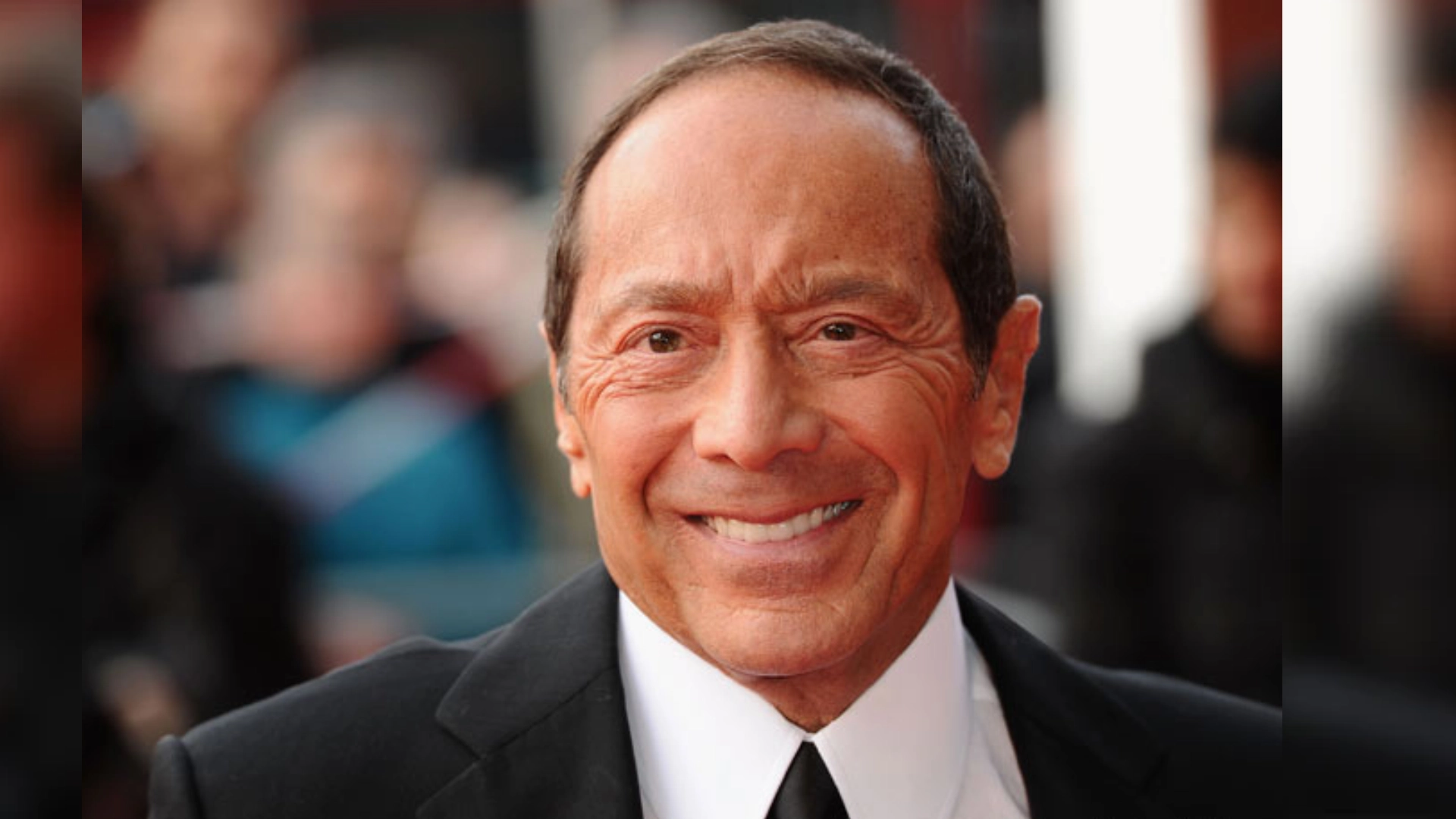
Image Source: AARP
According to his official biography, Anka emerged during the late-1950s teen-pop era before expanding into songwriting and other entertainment work.
|
Detail |
Information |
|---|---|
|
Full name |
Paul Albert Anka |
|
Born |
July 30, 1941 |
|
Birthplace |
Ottawa, Canada |
|
Profession |
Singer, songwriter, actor |
|
Years active |
1950s to present |
|
Famous for |
“Diana,” “Lonely Boy,” and songwriting |
|
Notable achievement |
Writing the English lyrics for “My Way” |
His financial story became more interesting as his role shifted from teenage performer to songwriter and rights owner.
How Paul Anka Earned His Money

Image Source: Primary Wave Music
Anka built his wealth through several stages of his entertainment career. Early record sales created the foundation, while songwriting and music rights produced income that could continue long after the original recordings left the charts.
1. Breakthrough as a Singer
Anka became a major teenage recording star after writing and recording “Diana” at age 16.
The song became an international success and was followed by tracks such as “Lonely Boy” and “Put Your Head on My Shoulder.” Their popularity established him as one of the recognizable young singers of the late 1950s.
Record sales, appearances, and performance opportunities created his first significant earnings and gave him the public profile needed to expand into other parts of the music business.
2. Songwriting and Publishing Royalties
He wrote the English lyrics for “My Way” and other major songs, including material associated with performers such as Frank Sinatra and Tom Jones. He also composed the theme connected with The Tonight Show Starring Johnny Carson.
More importantly, Anka reportedly bought back rights to his own catalog for about $250,000. Controlling valuable music rights meant he could benefit from publishing, licensing, and royalty payments instead of relying only on performance income.
That decision gave his early work financial value far beyond its original release period.
3. Touring and Live Performances
Concerts provided another source of income as Anka moved beyond his initial teen-idol audience.
He continued performing in theaters, casinos, concert venues, and other live settings as his audience expanded across generations. Unlike artists whose careers became closely tied to one period, Anka remained available for live bookings long after his first chart successes.
Exact appearance fees and tour earnings are generally private, making it difficult to calculate how much performing has contributed to his overall wealth. Still, decades of ticketed appearances added another substantial revenue stream alongside his music rights.
4. Television and Entertainment Work
Anka’s career also extended beyond recording studios and concert stages.
Television appearances helped maintain his visibility, while songwriting and composition work connected him to entertainment projects outside his own albums. He also appeared as an actor in films and television programs during different stages of his career.
These projects were not necessarily the largest source of his fortune, but they widened his professional reach and reduced his dependence on record sales alone.
5. Business and Property Assets
Like many entertainers with lengthy careers, Anka has also held assets outside his day-to-day music work.
Public reports have connected him with valuable real estate and other business interests accumulated over time. Property can contribute to personal wealth through appreciation even when it does not provide the recurring income associated with royalties or performances.
Because most of these holdings remain private, they are better viewed as part of his broader asset base rather than a precisely measurable source of annual earnings.
Paul Anka’s Homes and Real Estate
One of Anka’s better-known properties has been a French-inspired estate in Westlake Village, California.
Reports have placed its original purchase price at roughly $3.9 million. The property included luxury features and a professional recording studio, making it both a residence and a space connected to his music work.
The home was later marketed at a substantially higher price than its reported purchase cost.
Real estate figures can help explain part of a celebrity’s asset value, but asking prices do not necessarily equal final sale prices or cash available to the owner. Property therefore gives some context to Anka’s financial position without revealing his complete personal balance sheet.
Paul Anka’s Life Today
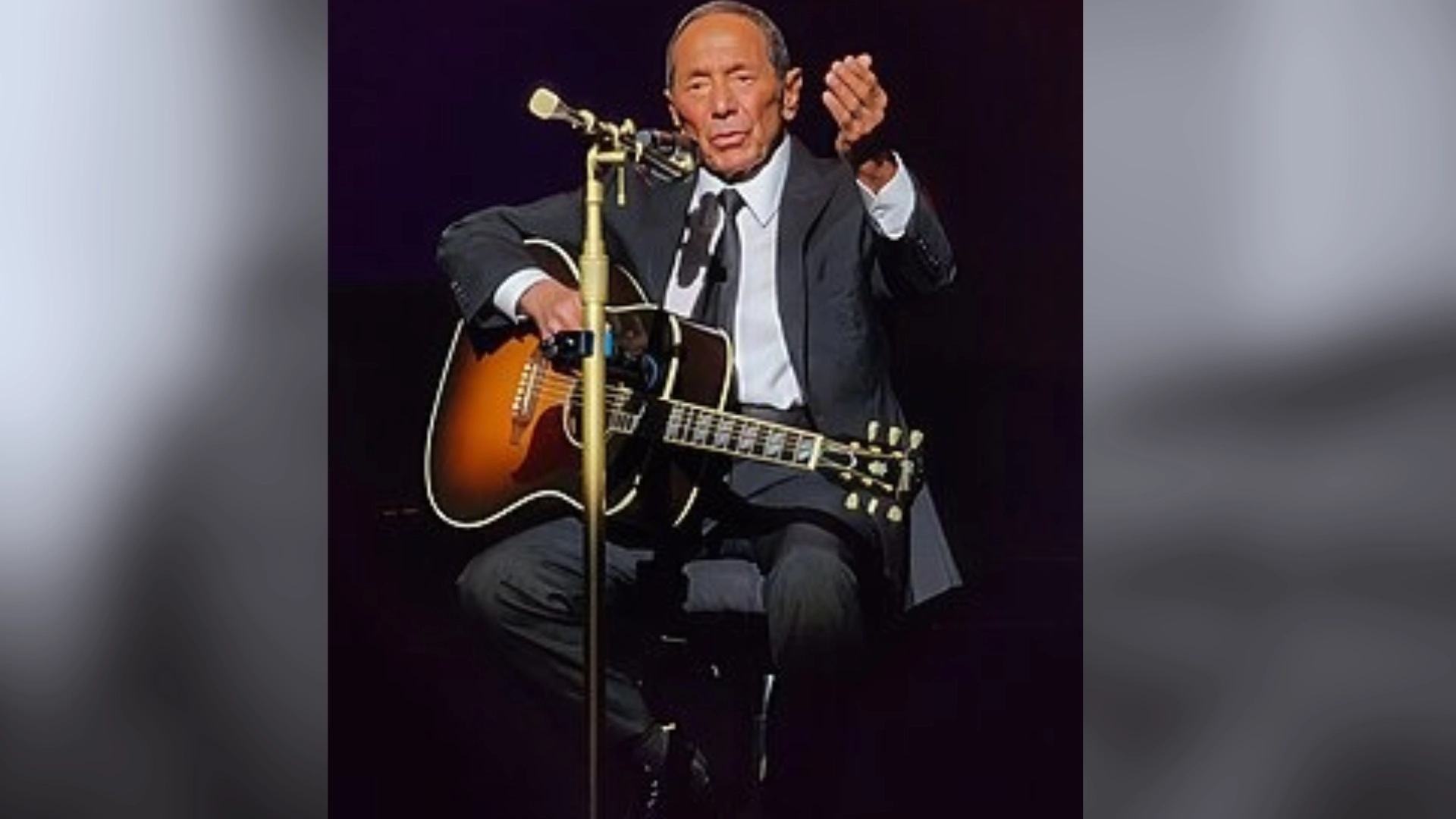
Image Source: Wikipedia
Now in his eighties, Anka remains publicly connected to the music industry rather than living entirely as a retired legacy performer.
He has continued appearing before audiences and working with material from a career stretching back to the 1950s. His songs also remain accessible to listeners who encountered them decades after their original releases.
That longevity gives Anka an unusual place in popular music. Few performers from the earliest years of the rock-and-roll era have maintained the kind of enduring musical legacy that keeps them professionally visible across so many different generations.
What Paul Anka’s Career Shows About Long-Term Wealth
Paul Anka’s financial story shows why career earnings and net worth are not the same thing.
A successful record can create income quickly, but long-term wealth often depends on what happens afterward. Anka expanded from recording into songwriting, publishing, performance work, television, and assets that could retain value over time.
That helps explain how a career beginning with teenage pop records could continue producing financial value decades later.
The exact size of his fortune remains private, but the structure behind it is easier to understand: multiple income sources, valuable intellectual property, and an unusually long working career.
Frequently Asked Questions
Did Paul Anka Work With Michael Jackson?
Yes. Paul Anka co-wrote several songs with Michael Jackson, including “This Is It” and “Love Never Felt So Good,” which were released years after their original collaboration.
Did Paul Anka Write an Autobiography?
Yes. Anka published My Way: An Autobiography, written with David Dalton, recounting his experiences in music, touring, Las Vegas, and the entertainment business.
Does Paul Anka Have a Hollywood Walk of Fame Star?
Yes. Paul Anka received a Hollywood Walk of Fame star in the Recording category on September 26, 1984. His star is located at 6840 Hollywood Boulevard.
What Was Paul Anka’s First Recording?
Before “Diana” made him famous, Anka recorded “Blau-Wile Deveest Fontaine” for Modern Records in 1956 after traveling to Los Angeles as a teenager.
Was Paul Anka Ever on The Masked Singer?
Yes. Paul Anka competed on The Masked Singer in 2020, introducing his music and personality to another generation of television viewers.