

Two major names in modern filmmaking have never made a feature together, yet Leonardo DiCaprio and David Fincher share one unusual screen credit. Their connection comes from a 36-second camera test rather than a movie.
Titled The Match, the footage placed DiCaprio in front of Fincher’s camera to test RED’s early digital cinema technology under extremely limited light.
The setup was simple, but the technical challenge made the clip notable among filmmakers and camera enthusiasts.
Here is what happened, how the footage was shot, why a single match mattered, and what is actually confirmed about the DiCaprio-Fincher collaboration.
What Did DiCaprio and Fincher Work on?
Leonardo DiCaprio and David Fincher have not made a feature film together. Their documented collaboration is The Match, a 36-second RED camera test released in January 2010.
The Fincher Analyst’s archive of the test lists DiCaprio as the actor, Fincher as director, and Jeff Cronenweth as director of photography and camera operator.
Fincher made the footage as a favor to RED founder Jim Jannard, not as part of a planned movie. The setup was designed to test a RED ONE upgraded with the Mysterium-X sensor under unusually low-light conditions.
DiCaprio sits in a dark setting while a burning match provides the key light. That brief experiment remains the connection behind searches pairing the actor and director.
What Was The Match Camera Test?
The Match was created as a technical demonstration of RED’s digital cinema equipment. Instead of using a conventional film set with carefully arranged lighting, the test intentionally placed the camera in difficult conditions.
That made the sensor, rather than the story or performance, the focus.
According to the archived production details, Fincher directed the test, Jeff Cronenweth served as director of photography and camera operator, and DiCaprio appeared on screen.
1. The 36-Second RED Experiment
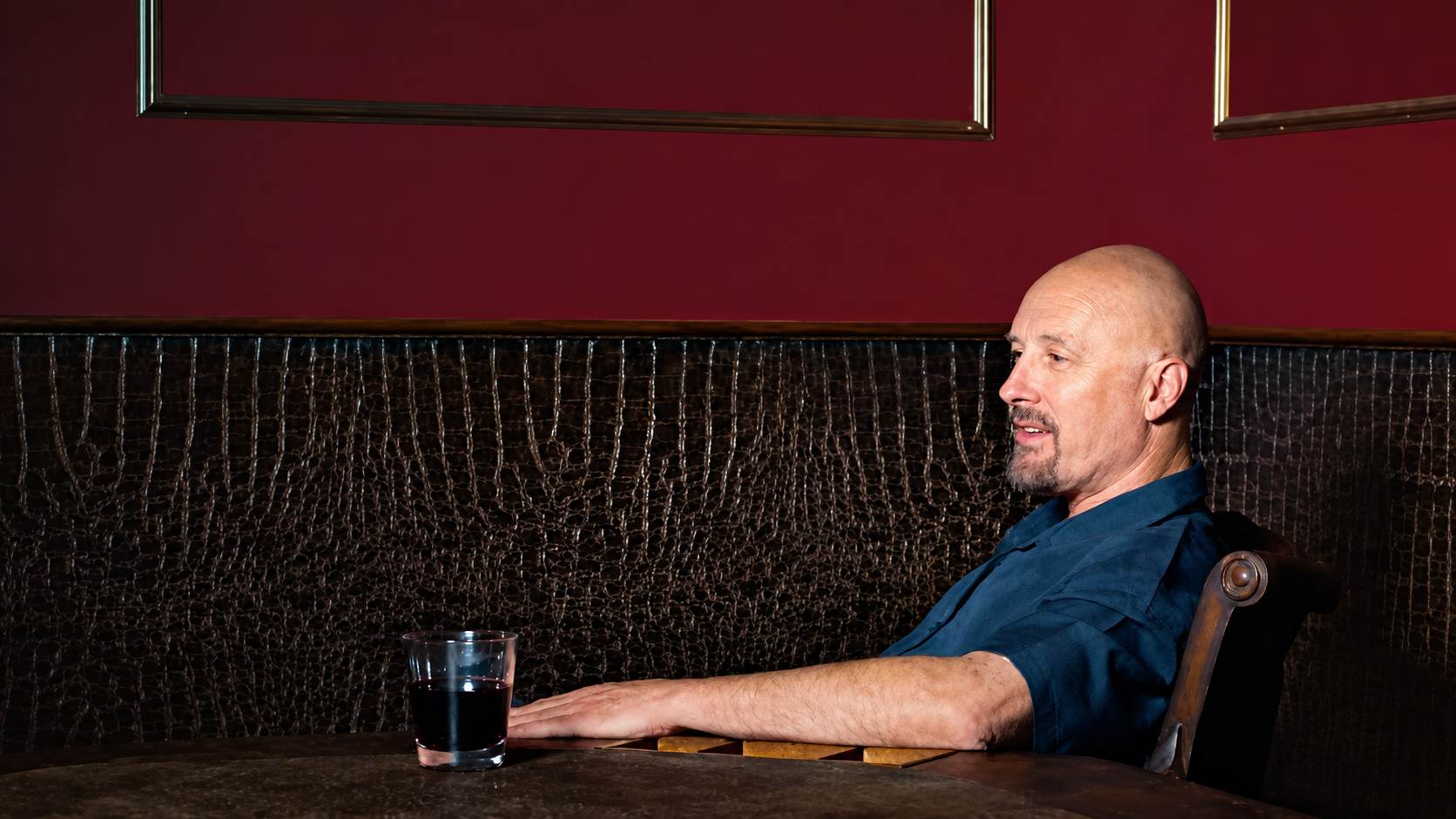
Image Source: Inc. Magazine
The test was released on January 16, 2010, and filmed at RED Studios in Hollywood. Cronenweth operated a RED ONE M-X upgraded R1 with a Mysterium-X sensor and paired it with a Master Prime lens.
RED founder Jim Jannard discussed the footage on Reduser the following day. His technical notes identified ISO 2000, a Master Prime at approximately T1.3, no noise reduction, and the match as the key light.
Those choices pushed the camera into conditions where shadow detail and sensor sensitivity could be judged more clearly.
2. Why Use a Single Match?
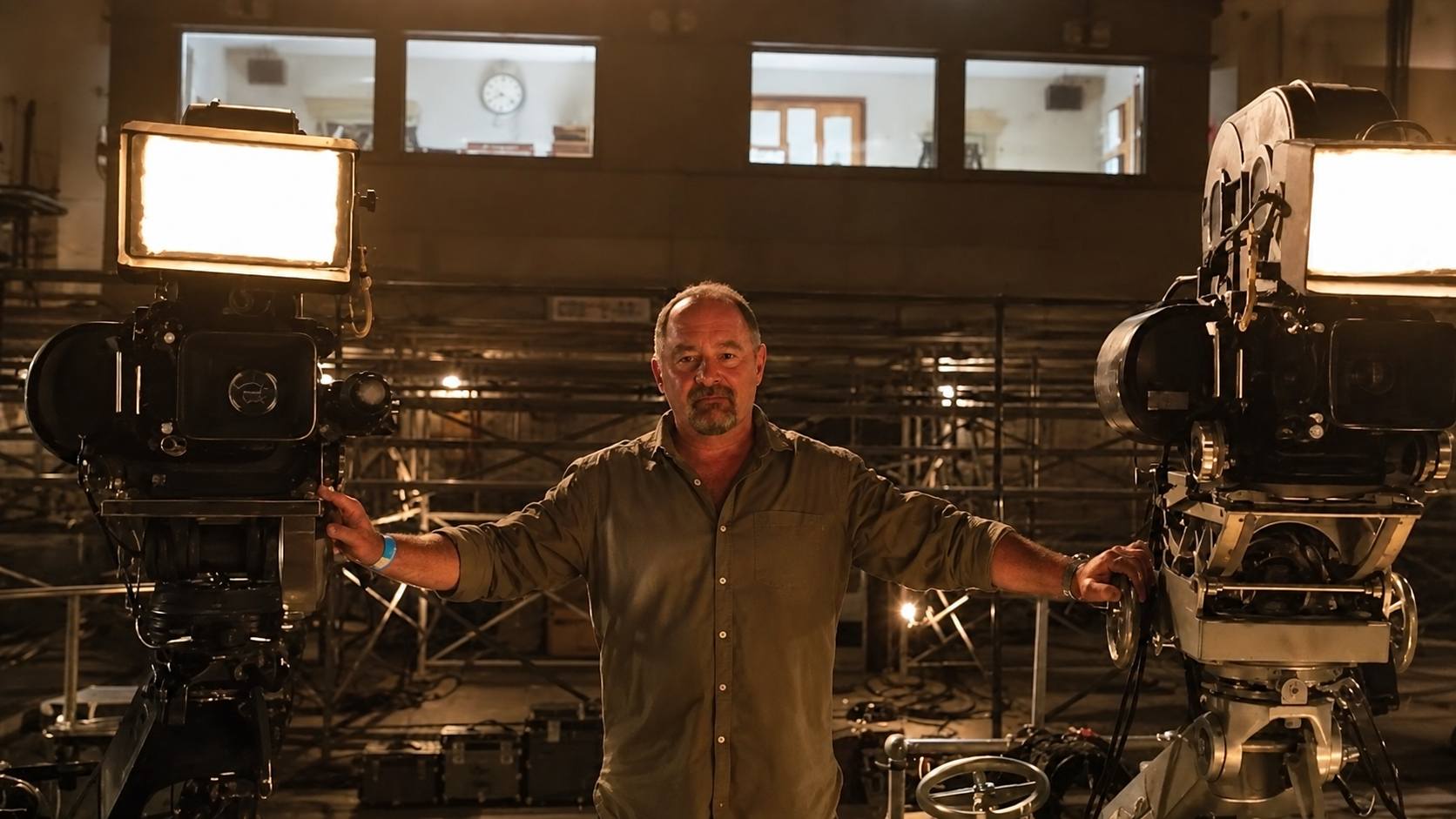
Image Source: The ASC
DiCaprio appears in a very dark environment and lights a match. As the flame moves across the scene, his face and nearby details become visible before falling back into darkness.
The setup gave cinematographers a straightforward way to evaluate the sensor under extremely low-light conditions, as shown in the archived camera test.
Cronenweth later recalled that the monitor showed considerably more light than could be perceived by eye during filming. That difference helped demonstrate how sensitive the camera system was under the test conditions.
How The Match Came Together
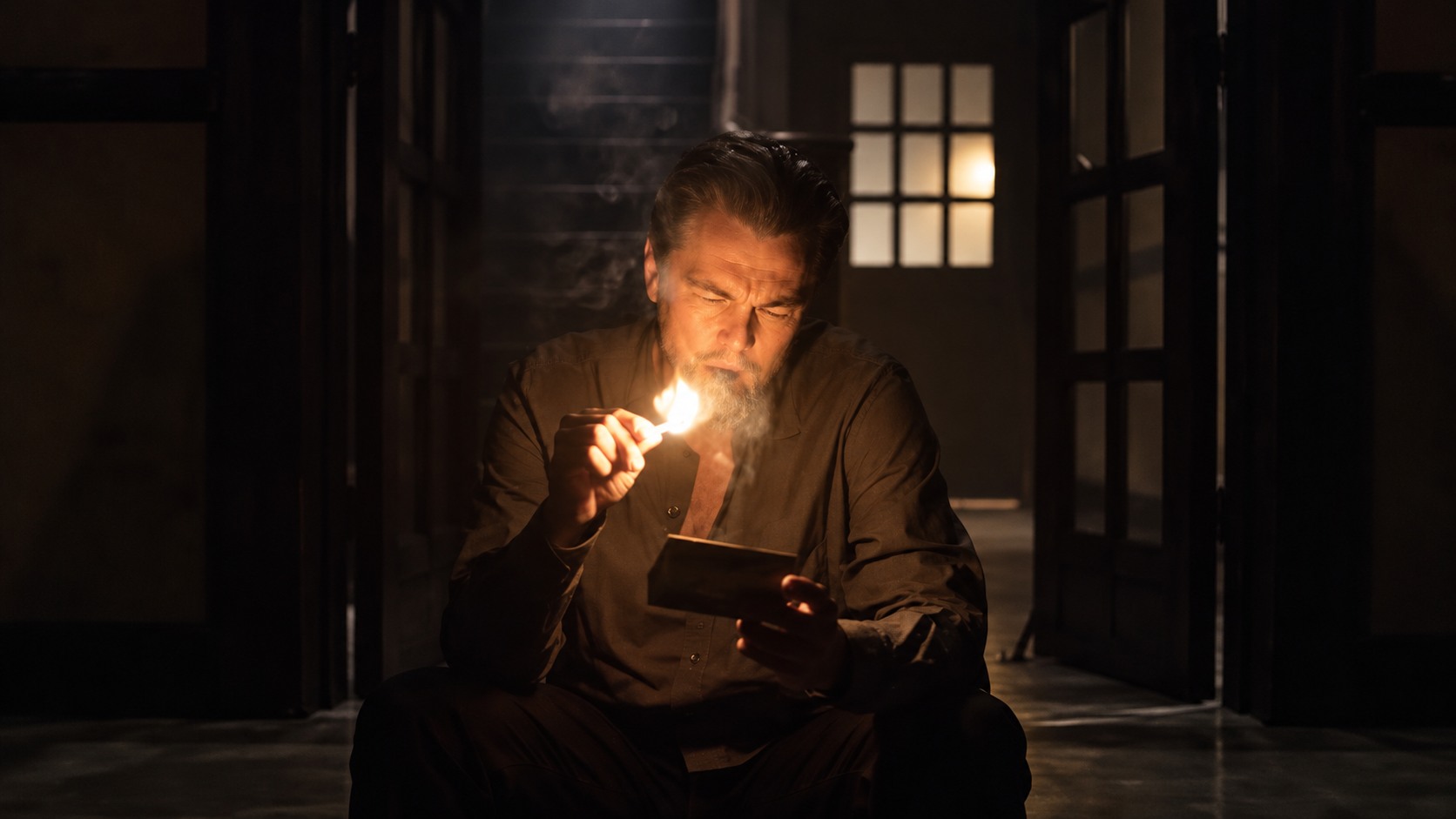
Image Source: Collider
The surviving production record is fairly simple.
- January 16, 2010: The Match is released after being filmed at RED Studios in Hollywood.
- January 17, 2010: Jim Jannard discusses the test on the Reduser forum and explains its camera settings and purpose.
Jannard described both Fincher and DiCaprio as participating as a favor to RED. There is no need to treat the test as evidence of a planned movie between them.
The documented purpose was technical: put the RED ONE M-X system under an unusually demanding lighting condition and show what it could record.
Technical Specs Behind The Match
Rather than repeating the camera settings throughout the discussion, here are the main specifications in one place.
|
Detail |
Specification |
|---|---|
|
Camera |
RED ONE M-X upgraded R1 |
|
Sensor |
Mysterium-X |
|
Lens |
Master Prime |
|
Aperture |
T1.3, or slightly stopped down |
|
ISO |
2000 |
|
Noise reduction |
None |
|
Runtime |
36 seconds |
|
Key light |
Match flame |
|
Director |
David Fincher |
|
Director of Photography |
Jeff Cronenweth |
|
Actor |
Leonardo DiCaprio |
|
Filming location |
RED Studios, Hollywood |
The extreme setup is more important than any one number. RED was demonstrating how much usable information the upgraded camera could retain in a scene offering very little illumination.
Why The Match Mattered for RED
The Match arrived during an important period for professional digital cinematography.
Cronenweth has described the late 2000s as a time when filmmakers were still testing systems such as the RED ONE while digital production was developing rapidly. He and Fincher tested different cameras while preparing The Social Network, which became one of Cronenweth’s major early digital features.
Against that background, The Match works as a compact example of how filmmakers evaluated emerging camera technology.
Instead of presenting viewers with a polished manufacturer reel, the test pushed the RED ONE M-X into a deliberately difficult lighting situation.
The result allowed viewers to look closely at exposure, shadow detail, and sensor sensitivity with minimal lighting support. Its lasting interest comes from that simplicity.
Where to Watch The Match
The strongest starting point is The Fincher Analyst, which maintains an archive page dedicated to the 2010 RED ONE M-X camera test.
The page includes the main 36-second version, an alternative audio version, and another take, along with production credits and technical specifications.
The original discussion also traces back to RED founder Jim Jannard’s January 2010 Reduser post.
Copies have circulated on video and social platforms over the years, but uploads can disappear or be reposted without the original production information.
For that reason, the dedicated Fincher archive is more useful than relying on random uploads alone.
A Brief Collaboration With a Lasting Footprint
Leonardo DiCaprio and David Fincher’s shared work is much smaller than their names might suggest. Instead of a feature film, their documented collaboration is a tightly controlled camera experiment built around an unusually difficult lighting test.
What makes The Match interesting is not simply that two famous filmmaking names appear in the credits. It is the way the footage captures a specific moment in digital cinematography, when filmmakers were actively testing how far newer camera systems could be pushed.
At only 36 seconds, the test is brief. Its technical simplicity is exactly what has kept it interesting.
Frequently Asked Questions
Was The Match a Short Film?
No. The Match was created as a camera test rather than a conventional narrative short film. Its purpose was to demonstrate RED ONE M-X performance under extremely low-light conditions.
Why Did David Fincher Film The Match?
RED founder Jim Jannard described Fincher’s involvement as a favor to RED. The footage was used to demonstrate the upgraded RED ONE camera and Mysterium-X sensor under demanding lighting conditions.
Who Shot The Match With Fincher?
Cinematographer Jeff Cronenweth served as director of photography and camera operator. His later collaborations with Fincher included The Social Network, The Girl with the Dragon Tattoo and Gone Girl.
Did Leonardo DiCaprio and David Fincher Make a Movie Together?
No feature film collaboration between them has been confirmed. Their documented work together is the 2010 RED camera test The Match.
Could Leonardo DiCaprio Work With David Fincher in the Future?
A future collaboration is always possible, but no DiCaprio-led Fincher feature has been officially announced as of September 2026. Fincher’s currently announced feature, The Further Mis-Adventures of Cliff Booth, stars Brad Pitt.