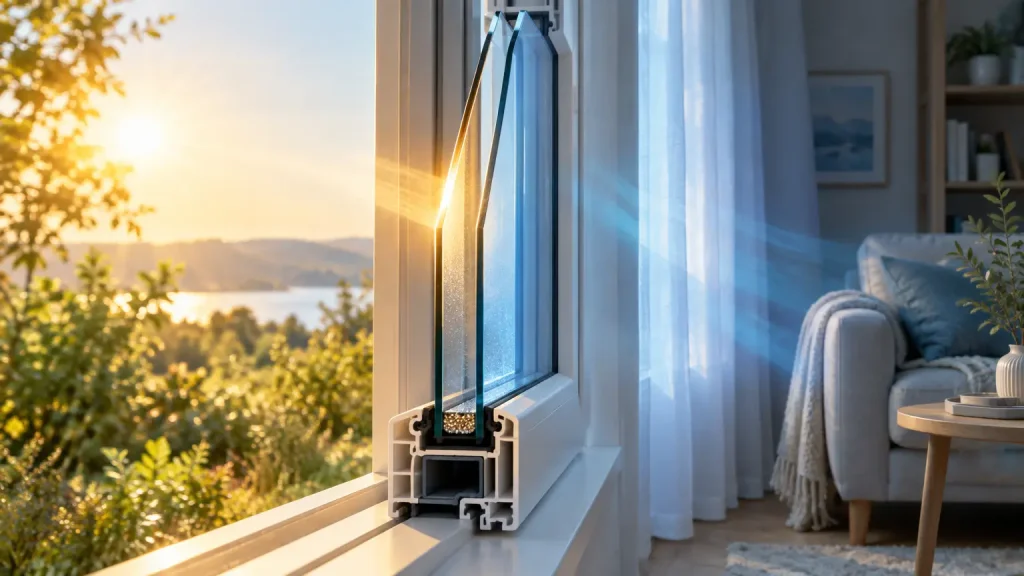
There is usually one room that gives the problem away. By midafternoon, the floor feels warm underfoot, the sofa is sitting in a stripe of hard sunlight, and the air conditioner is running again even though the rest of the house feels fine.
The window is effectively working against the cooling system.
That is why window blinds and shades deserve a place in the summer energy conversation. Most people think of them as finishing touches chosen for privacy or color. Used at the right time of day, they also keep a portion of the sun’s heat from spreading through a room.
Why Summer Electricity Bills Are Climbing
Opening a larger utility bill does not immediately tell you what went wrong. Electricity may cost more than it did last summer. The house may have used more of it. Sometimes the billing cycle simply covered several extra days of hot weather.
If you have ever typed “why is my electric bill so high in summer” into a search bar, the answer is rarely one appliance or household habit.
Is the Problem the Rate or the Amount Used?
The distinction matters because a window upgrade can influence consumption, but it cannot change the price charged by the utility. It is also an important starting point for anyone looking to reduce summer electricity bill costs without making unnecessary upgrades.
In its August 2026 Short-Term Energy Outlook, the U.S. Energy Information Administration forecasts an average summer residential electricity price of 18.41 cents per kilowatt-hour. That is 5.2% above the 2025 figure. Average monthly use is expected to edge down, while the average bill rises from $185 to $193.
Those are national numbers, and local experiences will differ. A household in the Middle Atlantic region will not see the same rates or weather as one in the Mountain states. The useful comparison is on the bill itself: this July against last July, measured in kilowatt-hours rather than dollars.
Before drawing conclusions, check three things:
- Were there the same number of days in both billing periods?
- Did average daily electricity use rise, or only the price?
- Was one month noticeably hotter than the other?
Daily habits can explain part of the increase. Remote work keeps computers and cooling systems running during hours when the house once stood empty. A dehumidifier, a second refrigerator, or a newly occupied bedroom can also add to the total without attracting much notice.
Older AC Equipment Is Only One Possible Cause
It is tempting to assume that an aging air conditioner is responsible for every expensive summer. Sometimes it is. More often, age combines with ordinary maintenance issues.
A dirty filter reduces airflow. Leaky ducts lose cooled air before it reaches the living space. Outdoor equipment surrounded by debris cannot release heat as effectively. ENERGY STAR advises homeowners to have cooling systems over 10 years old assessed when repair needs are increasing, or the home no longer stays comfortable.
Pay attention to where the discomfort occurs. Whole-house problems may point to the equipment, ducts, or insulation. A single room that heats up at the same time every afternoon tells a different story.
What an Uncovered Window Does on a Hot Day
Sunlight comes through the glass and lands on whatever is in its path: hardwood, tile, a dark rug, or the arm of a couch. Those materials absorb the sun’s energy and give it back as heat. This is solar heat gain.
You can often feel it without a thermometer. The section of the floor inside the sun patch is warmer. A desk beside the window feels uncomfortable even when the thermostat reads a reasonable temperature. After the sun moves, the room takes time to cool because its surfaces are still releasing stored heat.
Orientation determines when the problem shows up. East-facing rooms warm early. South-facing glass may receive prolonged sun, depending on the season and roofline. West-facing windows tend to cause the most obvious late-day overheating, when the sun is low and outdoor temperatures are near their peak.
How Different Window Coverings Handle Heat and Glare
A covering does not have to make the room completely dark to be useful. It does need to suit the window and the way the room is used. The most effective energy-efficient window treatments balance heat control with the room’s needs for daylight, privacy, and an outdoor view.
| Type | Practical strength | Compromise |
| Standard blinds | Slats can be tilted as the light changes | They control direct sun better than they insulate |
| Solar shades | Reduce glare without completely removing the daytime view | Open weaves allow more heat through and offer little privacy after dark |
| Cellular shades | Air pockets add insulation near the glass | Closing the shade also closes the view |
Standard blinds are flexible. In a living room, the slats can be adjusted to keep direct sunlight off furniture while allowing some daylight into the space. For homeowners comparing blinds that keep heat out, slat material, color, coverage, and fit matter as much as the style itself.
Solar shades are particularly useful near televisions and computer screens. Their fabric has an “openness factor”: the lower the number, the tighter the weave. Tighter fabrics provide greater coverage but make the room darker and soften the outdoor view.
Cellular shades work differently. Their folded honeycomb structure traps air near the window. A U.S. Department of Energy study found that well-fitted cellular shades performed better than conventional vinyl blinds. Modeled total heating and cooling savings reached as high as 15% compared with using no shades. That is a best-case research result, not a standard saving for every home. Climate, glazing, fit, and household habits all change the outcome.
Choosing Which Windows to Address First
A whole-house order may not be necessary. Two or three problem windows can have far more effect on comfort than several small windows that receive little direct sun.
Take a Walk Through the House After Lunch
Choose a clear day and check the rooms between noon and early evening. Look at where the sunlight lands, not merely which windows appear bright. A wide patch of sun across the floor matters more than soft, indirect daylight.
Start with large west-facing panes, skylights, and any window beside a desk, bed, or frequently used chair. Then consider what the room needs besides heat control.
A home office may benefit from a solar shade that cuts screen glare but keeps some daylight. A bedroom can tolerate fuller coverage, making a cellular or room-darkening shade a reasonable choice. Adjustable blinds suit shared living areas where light and privacy needs change throughout the day.
The color of the surface facing the glass is worth considering. Lighter or reflective surfaces generally handle direct sunlight better than very dark ones. Construction and fit still matter more than color alone.
Small Fitting Errors Can Leave Exposed Glass
An inside mount gives a neat finish because the covering sits within the frame. Measurements have to be accurate, though, and shallow or uneven frames can make the job awkward. An outside mount overlaps the opening. It is more visible, but the added coverage can reduce the bright gaps along the edges.
DIY fitting is realistic for an accessible, rectangular window when the frame is sound, and the measurements are straightforward. Professional blind & shade installation is more useful for bay windows, masonry walls, high openings, unusually wide coverings, or several shades that need to line up. Renters should confirm what their lease permits before making holes in trim or drywall.
A Summer Plan That Does Not Depend on One Upgrade
Timing is as important as the product. Close the covering before the sun reaches the window, not after the room has become hot. Once the floor and furniture have absorbed the heat, the AC has more work to do.
A practical routine might look like this:
- Lower the shades in east-facing bedrooms after waking and close west-facing coverings before the afternoon sun arrives.
- Use ceiling fans in occupied rooms, then switch them off when the room is empty.
- Clean or replace HVAC filters on schedule and seal obvious gaps around movable window sections.
- Set the thermostat at the highest temperature that remains safe and comfortable, rather than turning it unusually low.
This helps answer the common question, “Do blinds lower energy bills?” They can reduce a portion of the cooling demand associated with sunny windows, but the result depends on the product, fit, timing, climate, and condition of the home.
To judge whether the changes helped, compare average daily kilowatt-hour use on days with similar outdoor temperatures. Many utility portals provide daily or hourly figures. That comparison is more revealing than looking at the next bill alone, especially if rates have changed.
Window coverings cannot repair failing equipment or make up for missing insulation. What they can do is deal with a source of summer heat that is visible, local, and often fairly easy to control. The hottest room in the house is the logical place to test the idea.