Pickles sit in almost every fridge I know, yet nobody seems to agree on them. One friend swears by the jar every single day. Another won’t touch them because of the salt.
So I went looking for real answers instead of guesses, and it turns out both sides have a point. Pickles carry genuine nutrition from the cucumber they started as, plus a few surprising perks if they’re made the traditional way.
But they also come with a sodium number that deserves a second look. Are pickles healthy? That question deserves more than a quick yes or no.
Are Pickles Healthy?
Yes, pickles can be healthy, especially fermented ones. They are low in calories and carry real nutrients from the cucumbers they came from.
But pickles are also high in sodium, and that part often gets skipped. So the honest answer is this: pickles are healthy in small amounts, not as an everyday food.
Pickles start out as plain cucumbers. Then they take a bath in vinegar or salt water until they turn tangy, crunchy, and full of flavor. Store shelves carry many kinds: dill, sweet, bread and butter, kosher, sour spears, and tiny gherkins.
But the type of bath a cucumber gets matters more than most people think. Vinegar pickles get their sour taste from acid. Fermented pickles get theirs from good bacteria, the same kind found in yogurt or sauerkraut.
Fermented pickles are also the older of the two methods, used for thousands of years before refrigerators kept food from spoiling.
What’s in a Pickle? Dill vs. Sweet Nutrition Compared
The cucumber itself stays fairly modest. The brine is what changes the nutrition. Dill pickles remain low in calories and sugar but can carry plenty of sodium, while sweet pickles add far more carbohydrates and calories through their sugary brine.
|
Nutrient per 100g |
Dill Pickles |
Sweet Pickles |
|---|---|---|
|
Calories |
11–20 |
About 117 |
|
Sodium |
800–1,200 mg |
About 940 mg |
|
Total carbohydrates |
2–3 g |
About 32 g |
|
Sugar |
About 1 g |
About 15 g |
|
Fiber |
About 1 g |
About 1 g |
|
Protein |
About 0.5 g |
About 0.4 g |
|
Vitamin K |
Notable amount |
Varies |
|
Vitamin A |
Small amount |
Small amount |
|
Potassium |
Small amount |
Small amount |
Neither type offers much protein or fiber, so pickles work better as a side or snack than as a major source of nutrition. Dill is usually the lighter choice, while sweet pickles deserve a closer look if you limit added sugar. Sodium remains the main concern with both.
Values differ by recipe and brand, so check the package label or the USDA nutrition database for exact figures.
Real Health Benefits of Pickles
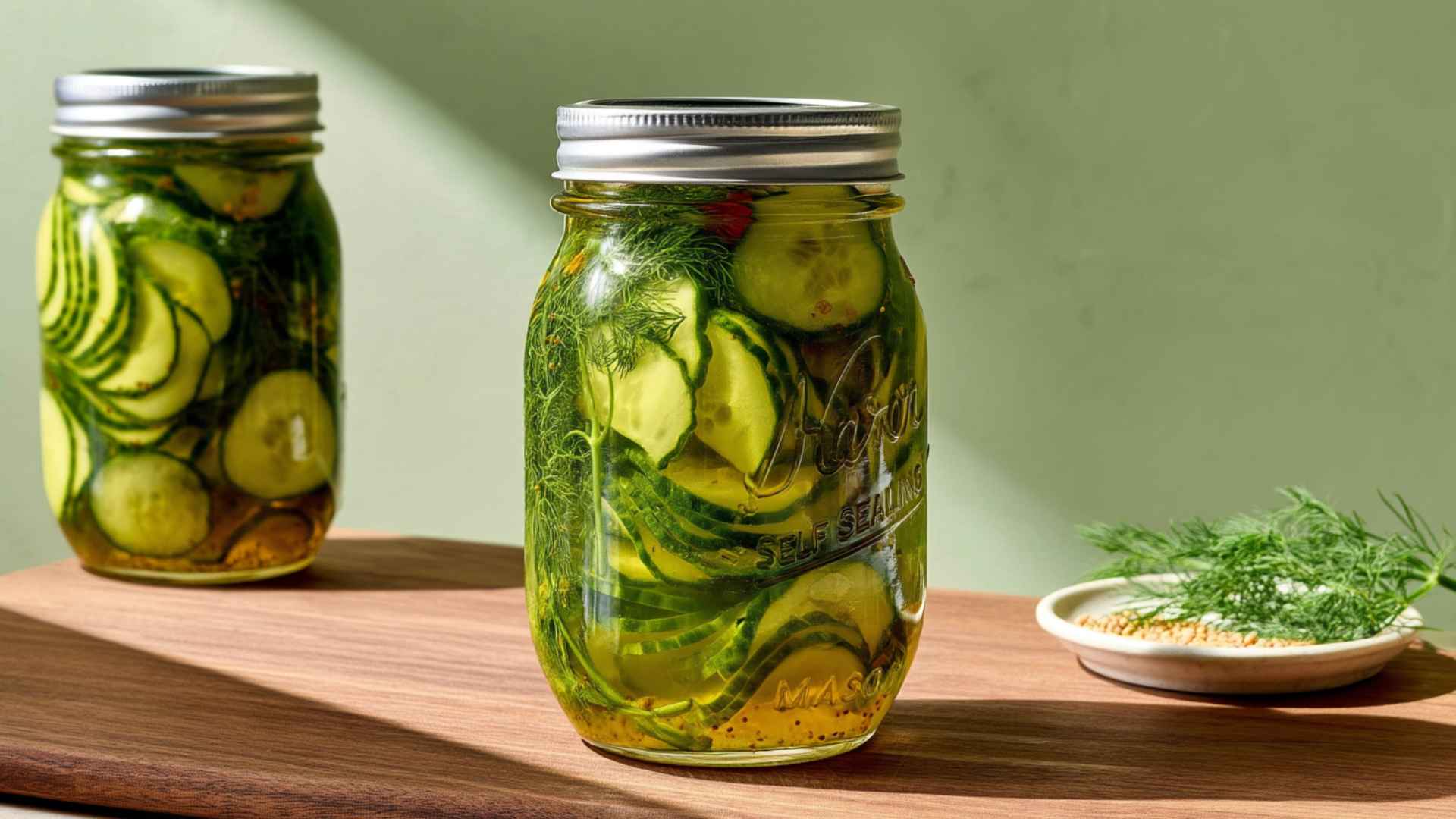
Cucumbers bring good things to the table, and pickling does not erase all of it. Here is what actually holds up:
1. Pickles Are a Low-Calorie Snack
Pickles can add plenty of crunch and flavor without adding many calories to your meal.
A typical dill pickle spear contains only a few calories, making it an easy snack or side when you want something savory. Just watch your sodium, since some packaged pickles can contain a surprisingly high amount per serving.
2. Fermented Pickles May Support Gut Health
The saltwater fermentation process produces live bacteria that vinegar pickles never develop. These microorganisms may support digestion and help maintain a balanced gut microbiome.
3. Pickles Provide Antioxidant Compounds
Cucumbers naturally contain plant compounds with antioxidant properties, including beta-carotene and other carotenoids. The body can convert beta-carotene into vitamin A, which supports normal vision and immune function.
Antioxidants also help protect cells against oxidative damage.
4. Pickles Provide Some Vitamin K
Pickles can provide a modest amount of vitamin K, a nutrient involved in normal blood clotting and bone health.
The amount varies considerably by pickle type and serving size, so they should not be considered a major vitamin K source on their own. One spear alone gives you a solid chunk of the vitamin K fact sheet‘s daily recommendation.
5. Pickle Juice May Help With Exercise-Related Muscle Cramps
Some research suggests that small amounts of pickle juice may help shorten exercise-related muscle cramps. Interestingly, the effect may happen too quickly to be explained by replacing electrolytes.
Researchers have proposed that the strong taste of pickle brine may trigger nerve signals in the mouth and throat that temporarily reduce the nerve activity associated with cramping.
6. Pickle Brine Can Provide Sodium After Heavy Sweating
Pickle brine contains a considerable amount of sodium, one of the electrolytes lost through sweat. After prolonged exercise or heavy sweating, sodium helps the body maintain fluid balance and normal muscle and nerve function.
However, most people already consume enough sodium through food, so drinking pickle brine regularly is unnecessary and may not suit people limiting their sodium intake.
7. Vinegar-Based Pickles May Affect Blood Sugar Response
Vinegar contains acetic acid, which has been studied for its potential effect on blood sugar after meals.
Some research suggests consuming vinegar with carbohydrate-rich foods may slow the rise in post-meal blood glucose.
8. Fermented Pickles May Provide Small Amounts of B Vitamins
Fermentation can contribute small amounts of certain B vitamins, including riboflavin and niacin. These nutrients help the body release energy from carbohydrates, fats, and proteins and support normal cellular functions.
Pickles are not a major source of B vitamins, however, and the amount can vary depending on the ingredients, fermentation process, storage conditions, and type of pickle.
What are the Downsides of Eating Pickles?
Pickles can bring flavor and some nutritional benefits, but eating too many may cause concerns for certain people.
The biggest drawback is their high sodium content, which can be an issue for those managing high blood pressure, kidney problems, or following a low-salt diet. Some store-bought varieties may also contain added sugar, preservatives, or artificial ingredients that reduce their overall nutritional value.
Vinegar-based pickles may trigger discomfort in people sensitive to acidic foods or those with digestive issues. Choosing naturally fermented options, checking labels, and keeping portions moderate can help you enjoy pickles while avoiding potential downsides.
Are Pickles Good for Weight Loss?Pickles will not melt fat away, but they are not a bad pick either. A spear has almost no calories, and the crunch and sour taste can curb a craving without adding much to your daily total. Some early research even suggests vinegar helps slow blood sugar spikes after meals. Still, pickles are low in fiber and protein, the two things that actually keep you full for hours. Treat them as a smart side, not a weight loss plan on their own. |
|---|
How to Pick the Healthiest Jar at the Store?
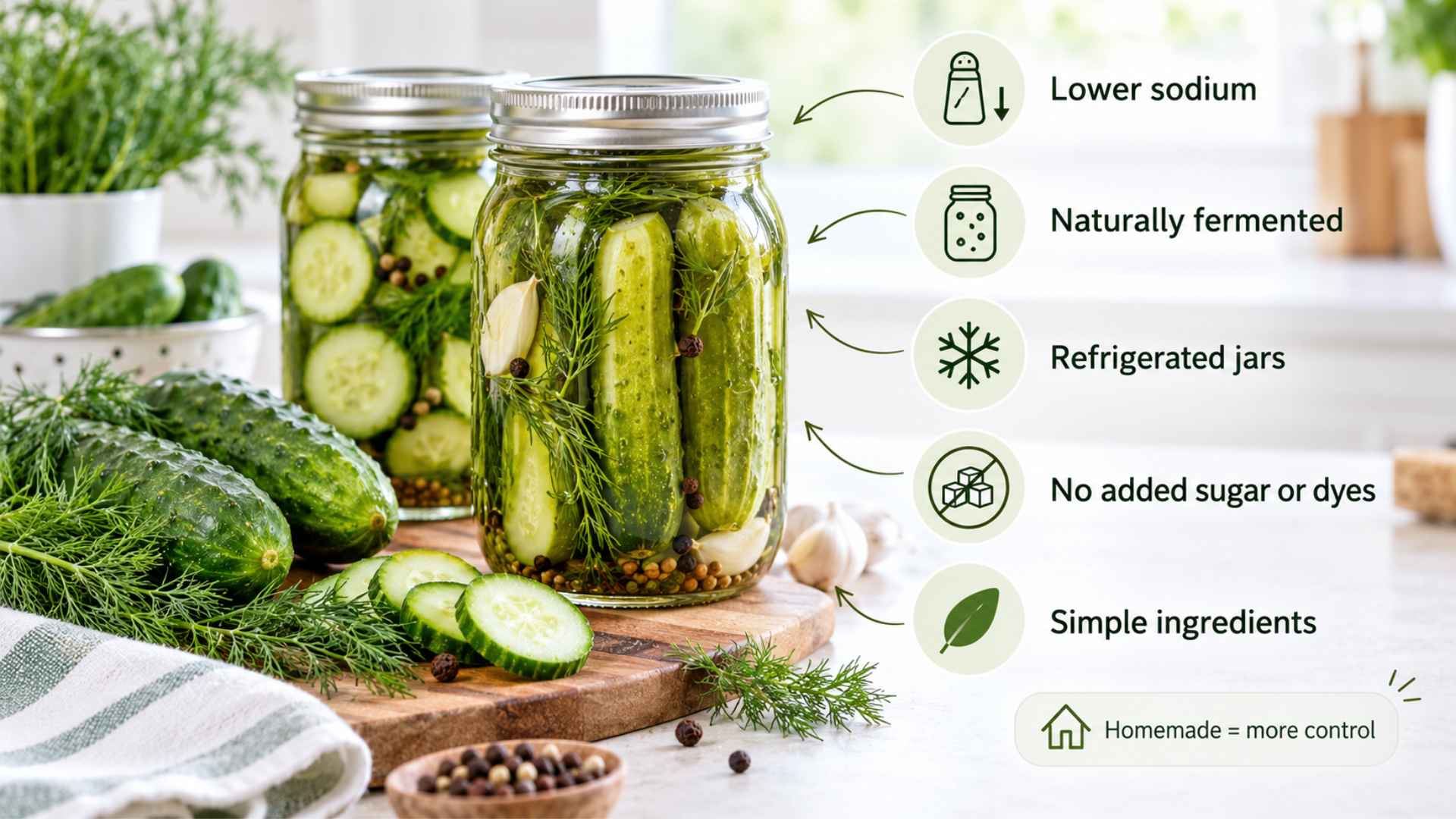
Choosing a healthier pickle jar comes down to reading the label carefully. Sodium, fermentation method, added sugar, and ingredient quality can quickly separate better options from less nutritious ones.
- Check the sodium number on the label first. Lower is better, especially if you watch your salt intake.
- Look for the words “naturally fermented” and find the jar in the refrigerated aisle.
- Skip jars with added sugar, artificial dyes, or a long list of preservatives.
- Read the ingredient list. Cucumbers, water, salt, vinegar, and spices should sit near the top.
- Try making a small batch at home if you want full control over what goes in the jar.
A simple ingredient list and lower sodium usually make a better choice. Fermented varieties can add probiotics, while homemade pickles give you the most control over salt and ingredients.
How to Make Pickles at Home
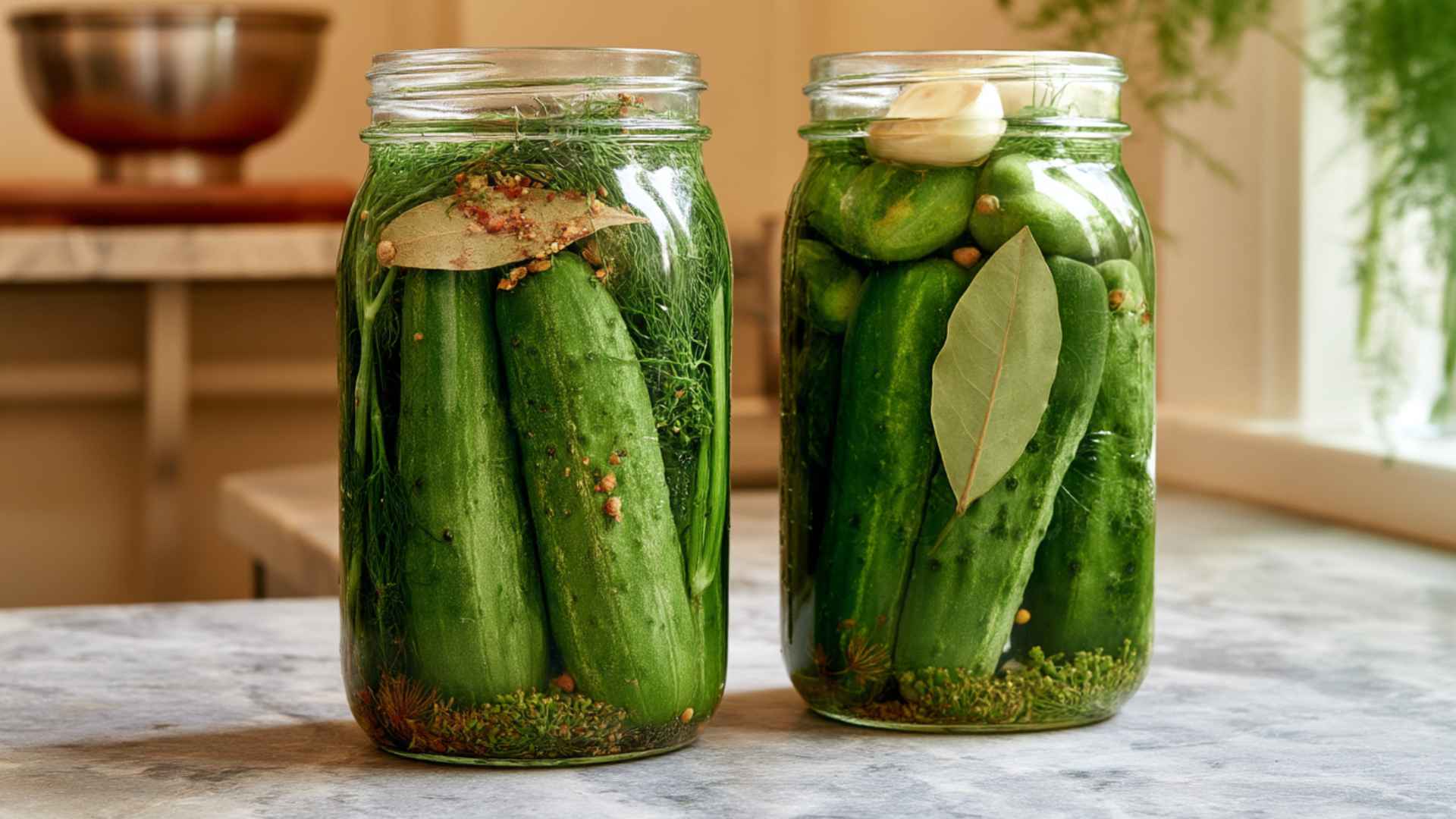
Try these simple pickle-making methods, from quick refrigerator versions to traditional fermented pickles with deeper flavor.
Quick Vinegar (Refrigerator) Pickles
Ingredients: cucumbers, white vinegar, water, salt, sugar (optional), garlic, dill, peppercorns.
- Pack sliced cucumbers into a clean jar.
- Boil vinegar, water, salt, garlic, dill, and peppercorns.
- Pour the hot brine over the cucumbers and let cool.
- Seal and refrigerate for at least 24 hours before eating.
- Keep refrigerated and use within a month.
Traditional Fermented Pickles
Ingredients: cucumbers, water, non-iodized salt, garlic, dill.
- Mix a brine of roughly 1 tablespoon of salt per cup of water.
- Submerge cucumbers with garlic and dill, and weigh them down under the brine.
- Let sit at room temperature, out of direct sun, for 3 to 7 days.
- Once sour and deeper in color, move to the fridge to slow fermentation.
Fermented pickles take longer, but they’re the only version that delivers real probiotics.
Is Pickle Juice Good for You Too?
The brine left behind after the jar empties isn’t waste. It carries a diluted version of the same sodium and electrolytes found in the pickle itself, and if the batch was naturally fermented, a dose of the same live cultures fermented pickles are known for.
A few pickle health benefits carry over into the juice, sometimes in a more concentrated form:
- Electrolyte replacement. The sodium and potassium make pickle juice a popular post-workout sip, especially for people who sweat heavily during exercise.
- Muscle cramp relief. Several small studies link a couple of ounces of pickle juice to faster relief from exercise-induced cramps, likely a nerve reflex triggered by the vinegar and salt rather than rehydration itself.
- Probiotics, but only from fermented brine. Regular vinegar brine carries no live cultures. Only the liquid from a naturally fermented jar does.
- Blood sugar support. The same vinegar research that applies to the pickle applies to its juice: a small amount before a carb-heavy meal may blunt the glucose spike that follows.
The catch is sodium. A few ounces of brine can carry several hundred milligrams in one gulp, all the salt from a whole jar concentrated into a drink. So are pickles good for you in liquid form too?
In moderation, yes, particularly if the brine came from a fermented jar rather than a shelf-stable one. Treat it as an occasional recovery drink, not a daily habit, especially if you’re already watching your salt intake.
Conclusion
Pickles turned out to be more nuanced than the jar suggests. They’re not the diet hero some headlines promise, and they’re not a sinister sodium bomb either.
The truth sits somewhere in the middle, and that’s usually where the useful answers live. Fermented pickles bring real gut benefits that vinegar pickles simply don’t have, so reach for those when you can.
If your heart or blood pressure needs extra care, keep portions small and check the label before buying. Otherwise, a few spears now and then won’t undo a healthy diet.
My fridge still has a jar in it, and it probably always will. The difference now is I actually know what I’m reaching for, and why.
Frequently Asked Questions
Is It Okay to Eat Pickles Every Day?
Eating pickles daily isn’t ideal for most people because of the sodium. Save them for occasional snacks if you have blood pressure or heart concerns.
What’s the Healthiest Type of Pickle?
Fermented pickles are the healthiest choice because they carry live probiotics. Look for jars labeled naturally fermented in the refrigerated section of the store.
Are Pickles Keto Friendly?
Yes, most pickles are keto-friendly because they are low in carbohydrates and calories. Dill pickles made without added sugar are usually the best option. Always check the label, as some sweet pickles can contain added sugars that increase carbs.
Who Should Avoid Eating Pickles?
People who need to limit sodium intake, such as those with high blood pressure or certain kidney conditions, may need to avoid or reduce pickles. Anyone sensitive to salty foods should also keep portions limited.