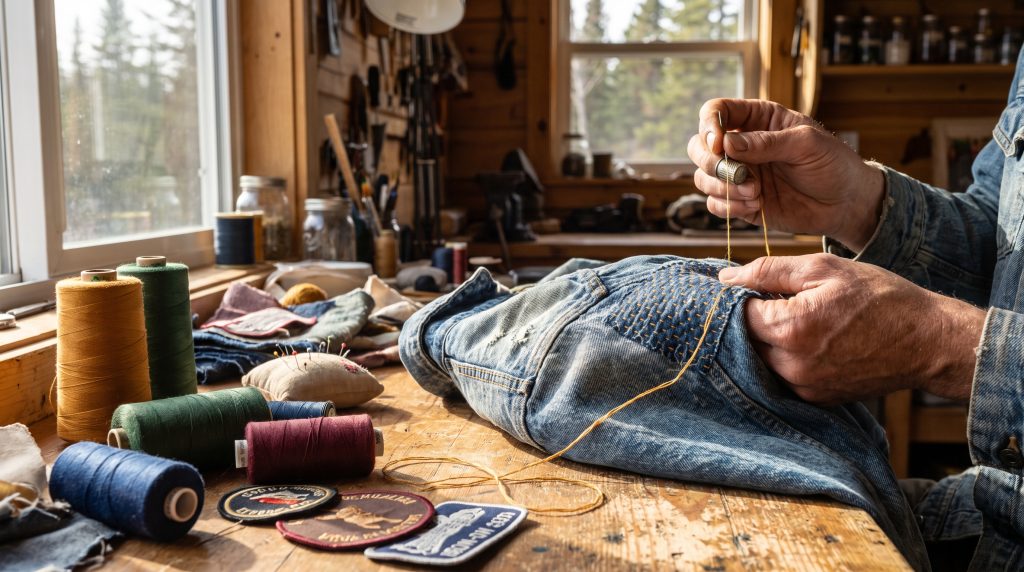
Fast fashion has shaped what many people in Canada wear for almost 20 years, with cheap clothes made to be worn for only a short time. But that is starting to change. More shoppers are turning away from throwaway clothing and choosing items that can last for years. In response, some brands now offer repair services, build clothes with replaceable parts, and use stronger materials and stitching.
This shift is not just a return to old habits. It is a practical choice as prices rise, environmental worries grow, and more people want fewer, better-made pieces instead of lots of low-quality ones.
Why Are Canadian Consumers Choosing Durability?
Cheap clothing is starting to backfire for shoppers. A study by the International Institute for Sustainable Development found that Canadians throw away about 12 kilograms of textiles per person each year, and much of it has barely been worn. At the same time, inflation has forced even low-cost brands to raise prices. The difference between fast fashion and better-made clothing is getting smaller.
When a basic polyester jacket costs almost as much as a durable canvas one, buying clothes meant to be replaced quickly no longer makes sense. Spending money wisely on long-lasting clothes leaves extra room in your budget for fun leisure activities. Unwinding with Slotoro brings fast-loading games, bright themes, and easy entertainment right when you want a quick mental break. Smart choices in your wardrobe naturally lead to a more relaxed, enjoyable daily rhythm.
The Role of Social Media in Shifting Attitudes
Apps like TikTok and Instagram have helped make “visible mending” popular. Creators show off repaired socks, patched jeans, and re-dyed jackets as proof they are creative and resourceful, not as a sign they can’t afford new clothes.
In Canada, creators in Montreal, Toronto, and Vancouver have gained big audiences. They teach simple repair skills that can help clothes last for years. This shift has made fixing clothes feel stylish and something to be proud of, not something to hide.
How Brands Are Designing for Repairability?
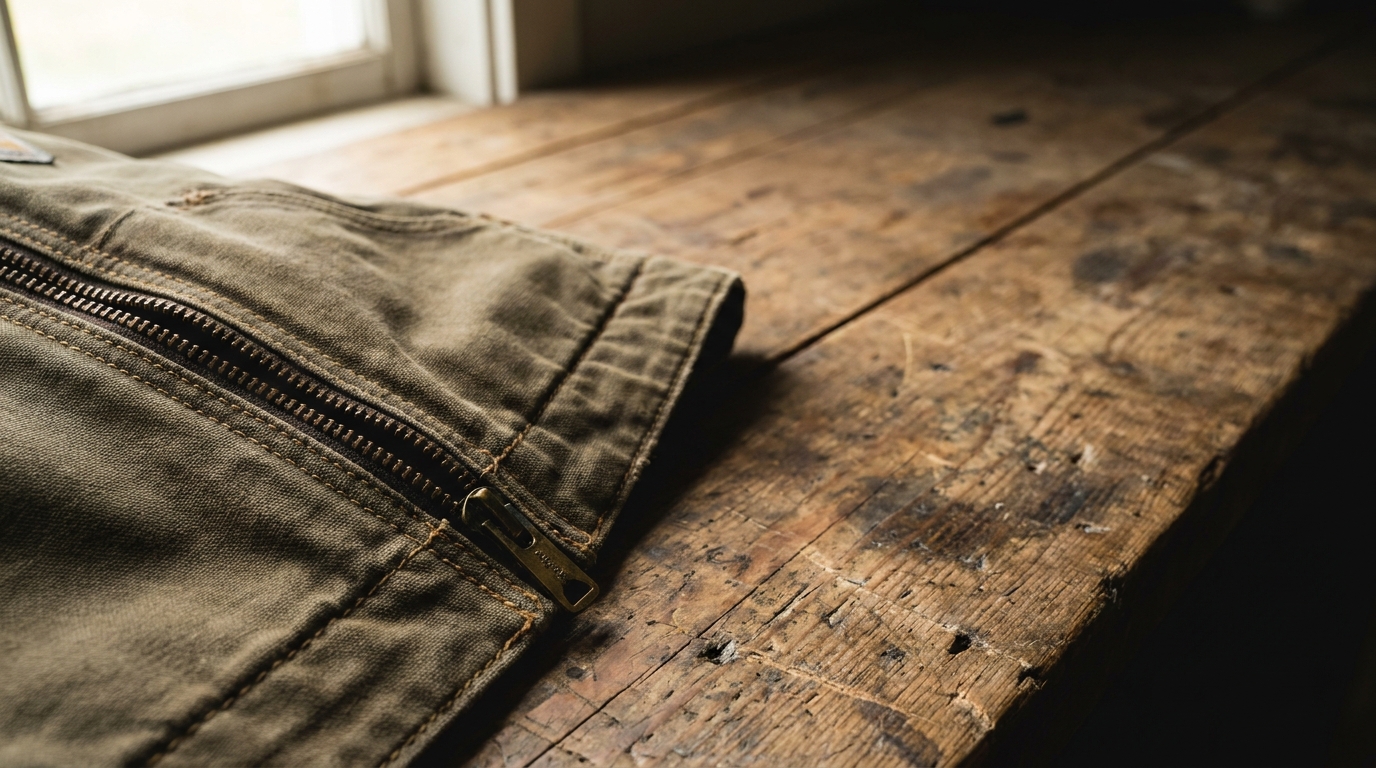
Several established and emerging labels have embraced repairability as a core design principle rather than an afterthought. The goal is straightforward: make it easy for the owner to fix what breaks instead of throwing the item away.
Key design strategies brands are adopting include:
- Reinforced stress points at knees, elbows, and seams using bar tacking and double stitching.
- Modular zippers that can be replaced at home without specialized tools.
- Standardized button sizes so replacements are easy to source.
- Published repair guides included with purchase or available online.
- Natural fiber blends that accept patches and darning more readily than synthetics.
Patagonia has been a leader in this area with its Worn Wear program. Canadian brands like Naked & Famous Denim and Frank And Oak now offer similar repair programs for customers in Canada. Some stores also have in-store mending stations where you can bring in older clothes to be fixed by professionals for a low cost.
The Economics of Wearing Clothes Longer
Keeping clothing in use for just nine more months can cut its carbon, water, and waste impact by about 20% to 30%, according to the Waste and Resources Action Programme. For shoppers, this can save money too. Paying a bit more for well-made items, and caring for them, usually costs less per wear than buying cheap items often.
It’s worth comparing the cost per wear of two approaches over a three-year period:
|
Factor |
Fast fashion approach |
Durable and repairable approach |
|
Initial purchase price |
$40 per jacket |
$120 per jacket |
|
Replacements needed (3 Years) |
3 jackets |
0 replacements |
|
Repair costs |
$0 (discarded instead) |
$25 total over 3 years |
|
Total spent |
$120 |
$145 |
|
Cost per wear (worn twice weekly) |
$0.38 |
$0.46 first year, $0.15 by year three |
The numbers reveal that while the upfront investment feels steeper, the durable garment becomes significantly cheaper over time.
Practical Steps to Build a Repairable Wardrobe
Transitioning away from disposable fashion does not require an overnight overhaul. A gradual, intentional approach works best for most households.
- Audit your current closet and identify items worth repairing versus replacing.
- Learn three basic skills: sewing a button, hemming a seam, and patching a hole.
- Invest in a small repair kit containing thread, needles, iron-on patches, and fabric glue.
- Prioritize natural fibers like cotton, wool, and linen when purchasing new pieces.
- Support brands that publish care and repair instructions with their products.
Community repair cafés now run in over 40 Canadian cities. They offer free guidance for anyone who wants hands-on practice with skilled volunteers.
Building Momentum Beyond the Closet
The clothing repair movement is starting to shape policy talks across Canada. Some provinces are considering “extended producer responsibility” laws. These laws would require fashion brands to pay for collecting and recycling used textiles. This is similar to rules already used for electronics and packaging.
At the federal level, new labeling rules could require durability ratings on clothing, so shoppers can easily compare how long items are likely to last before buying. Fixing your clothes today shows there’s demand for an industry that reduces waste from the start.