
Some movies make you laugh, some make you root for a couple, and a few do both so well that the romance and comedy feel inseparable. That is where the term rom-com comes in.
If you have ever wondered why one funny love story counts while another does not, the difference usually comes down to what drives the plot. The key is to look at how romance, humor, conflict, and the final payoff work together.
So, what is a romcom? It is a story where love and comedy both play central roles. By the end, you will know the genre’s meaning, common tropes, examples, and where the label gets blurry.
What Is a Rom-Com?
A rom-com, short for romantic comedy, is a story in which a developing romantic relationship and comedy are both central to the narrative. A simple rom com definition is a love story where humor and romance work together to shape the plot, conflict, and emotional payoff.
Merriam-Webster describes romantic comedy as a light comic work centered on the development of a romantic relationship, while Cambridge Dictionary similarly describes a rom-com as a humorous film or television program about love.
The important part is not simply having a couple and some jokes.
The relationship should affect major choices, conflicts, and turning points. At the same time, humor should regularly emerge from dating, attraction, awkward encounters, personality differences, misunderstandings, or other complications surrounding that relationship.
If romance could disappear without changing the main story, the movie probably belongs to another genre.
What Actually Makes a Rom-Com?

There is no single checklist every romantic comedy must follow. Some use familiar romance tropes such as meet-cutes and grand gestures, while others avoid them completely.
What matters more is the role romance and comedy play throughout the story.
1. Romance Drives the Main Plot
The central relationship should influence what the characters do and why they do it. Their attraction, hesitation, disagreements, or attempts to be together should create important turning points rather than appearing as a small subplot.
A useful test is to imagine removing the romance completely. If the story would remain almost the same, romance probably is not central enough for the movie to qualify as a rom-com.
A character can date someone, experience a breakup, or fall in love without making the entire movie a romantic comedy.
2. Comedy Develops the Relationship
Comedy should do more than provide occasional jokes. In a strong rom-com, humor often comes directly from the relationship.
Awkward dates, opposite personalities, unwanted attraction, embarrassing encounters, poor timing, teasing, and misunderstandings can all create comedy while also developing chemistry between the leads. This distinction matters.
A movie may contain funny side characters and a romantic subplot without connecting those elements. In a rom-com, romance and comedy usually interact throughout the story.
3. Romantic Conflict Keeps Things Moving
If two characters met, immediately admitted their feelings, and stayed happily together, there would not be much story left. That is why most romantic comedies introduce an obstacle.
The problem might involve:
- Different personalities or lifestyles
- Career pressures
- Ex-partners
- Family expectations
- Distance
- Poor timing
- Competing ambitions
- Fear of commitment
- A hidden secret
- Miscommunication
The obstacle creates uncertainty around the relationship while giving the story opportunities for both emotional tension and humor.
4. The Relationship Delivers the Emotional Payoff
The outcome of the central relationship should matter by the end. Traditional rom-coms often finish with reconciliation, commitment, a confession of love, or another clear romantic breakthrough.
However, a perfectly happy ending is not an absolute requirement. Some modern romantic comedies use open, unconventional, or bittersweet endings. They can still fit the genre when the romance remains important enough that its resolution carries much of the story’s emotional weight.
Rom-Com vs. Romance and Comedy
Romance, comedy, and romantic comedy overlap, but they are not interchangeable. The easiest way to separate them is to identify which element controls the story.
| Feature | Rom-Com | Romance | Comedy With Romance |
|---|---|---|---|
| Main focus | Love and humor | Romantic relationship | Comedy or another storyline |
| Romance | Central | Central | Usually secondary |
| Comedy | Essential | Optional | Usually central |
| Main conflict | Often tied to the couple | Primarily emotional or romantic | May have little to do with romance |
| Romantic payoff | Usually important | Usually important | Not always necessary |
A romance can contain plenty of funny moments and still remain primarily a romance. Likewise, a comedy may feature dating, attraction, or a relationship without becoming a rom-com.
The deciding factor is not whether romance and comedy appear somewhere in the movie. It is whether both significantly shape the main story.
Where the Rom-Com Label Gets Blurry
Genre categories are useful, but movies do not always fit neatly inside them.
Romance can overlap with workplace stories, coming-of-age movies, drama, satire, fantasy, friendship, or personal-growth narratives. This kind of cross-genre movie storytelling is why viewers sometimes disagree about whether a particular movie truly belongs in the rom-com category.
1. Romance as a Supporting Plot
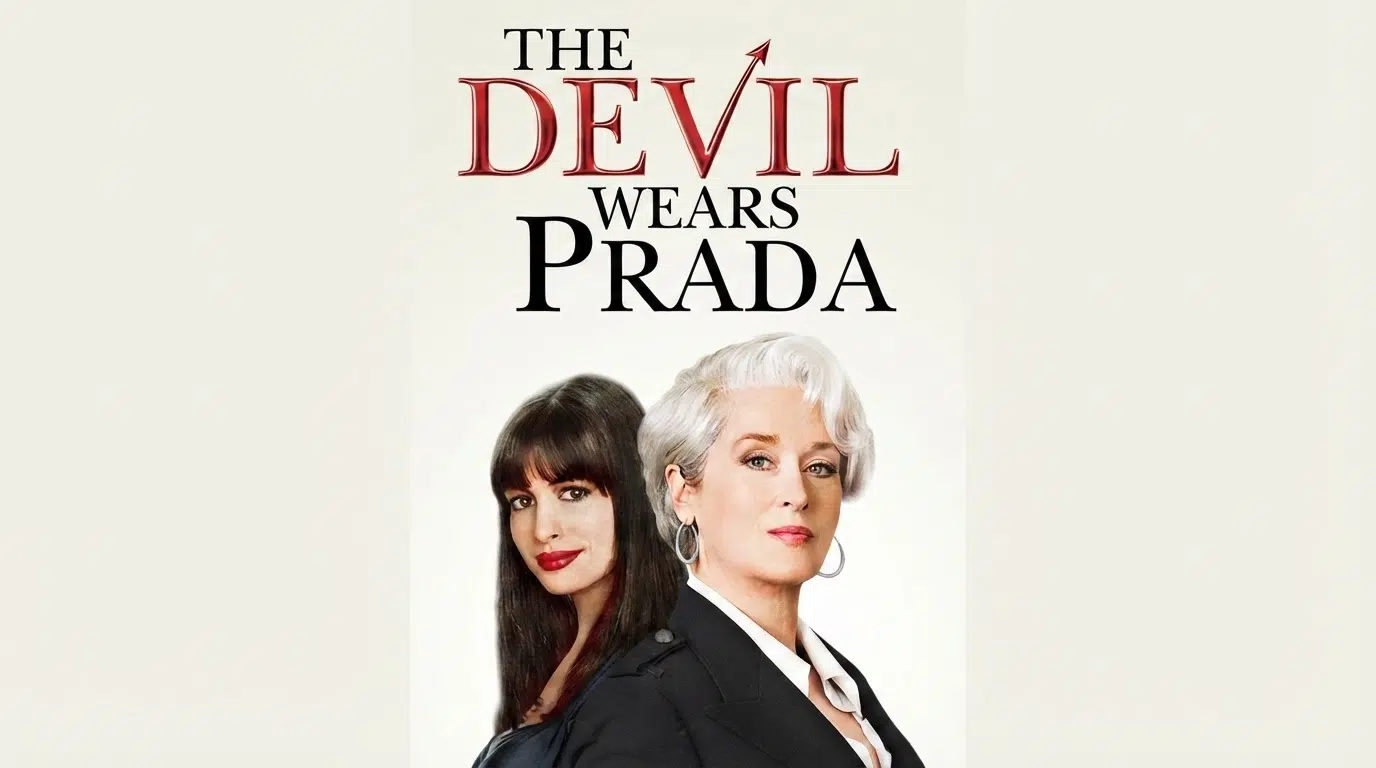
Image source: Fandango.com
A movie may include an important relationship while ultimately being about something else.
The Devil Wears Prada is a useful example. Andy’s personal relationships suffer because of her increasingly demanding career, but romance does not control the movie. Her work, identity, values, and changing priorities form the stronger narrative arc.
If the romantic storyline disappeared, the central career story would still exist. That makes romance important, but secondary.
2. Comedy With a Romantic Center

Image source: RottenTomatoes.com
Other movies lean heavily into broad comedy while still organizing the story around romantic pursuit.
There’s Something About Mary contains exaggerated and sometimes outrageous humor, yet Ted’s desire to reconnect with Mary remains one of the central forces moving the plot forward.
The movie therefore demonstrates an important distinction. A rom-com does not need gentle or understated humor. Comedy can dominate the tone as long as the romance remains structurally important.
3. Romantic Dramedies and Darker Stories
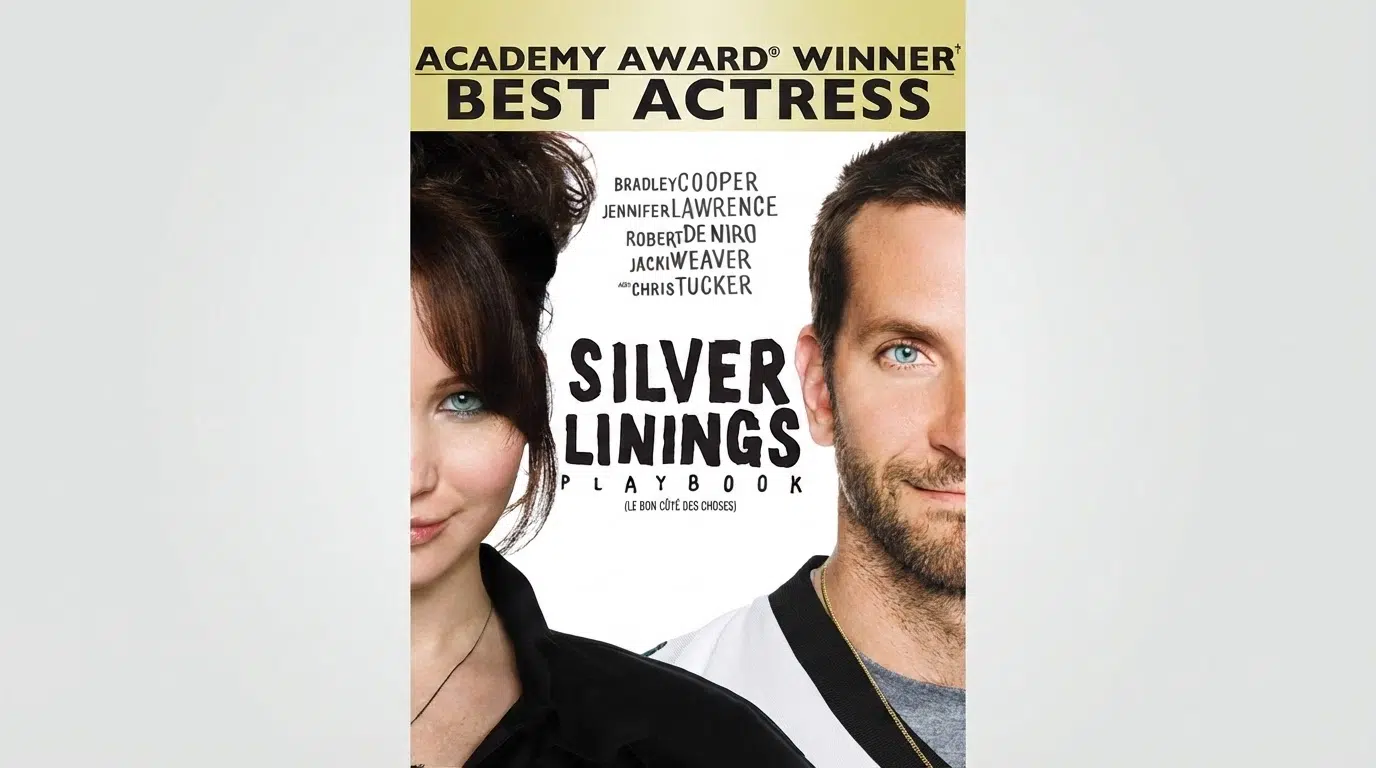
Image source: Fandango.com
Classification becomes more complicated when romance stays central, but the overall story carries much heavier emotional material.
Silver Linings Playbook, for example, develops the relationship between Pat and Tiffany while also dealing extensively with family conflict, mental health, and personal recovery.
Humor remains present, but the dramatic material has considerable weight. Movies like this often sit near the boundary between romantic comedy and romantic dramedy rather than fitting comfortably into one category.
Unconventional Romantic Endings
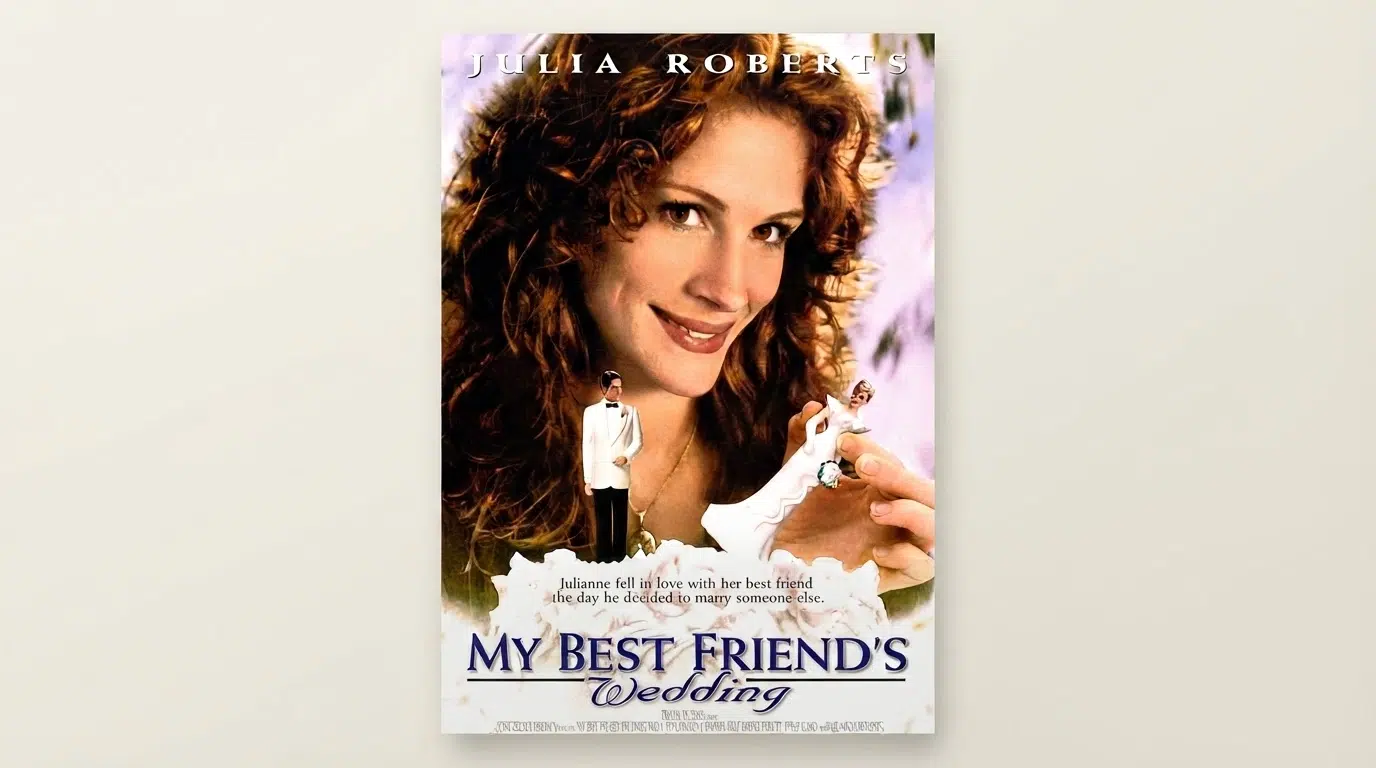
Image source: Fandango.com
Another common debate involves endings. Traditional romantic comedies often promise reunion, commitment, or a kiss between the central characters. But some movies deliberately reject that expectation.
My Best Friend’s Wedding uses many recognizable rom-com ingredients while refusing to give Julianne the romantic ending she wants. That does not erase the romantic-comedy structure that shaped much of the story.
An unconventional ending may challenge the genre formula without automatically removing the movie from the genre.
You can watch Silver Linings Playbook on Hulu and Confessions of a Shopaholic on Disney+, while There’s Something About Mary is available through its official 20th Century Studios page.
That gray area is part of the genre’s appeal. Instead of relying on one trope or ending, it makes more sense to judge which elements truly control the story overall.
What Viewers Think Makes a Rom-Com
Discussions among movie fans show that there is no universally accepted test for identifying every romantic comedy.
Some viewers believe romance and comedy should receive roughly equal attention. Others argue that the ratio matters less than whether both genuinely affect the plot.
Movies such as Legally Blonde, Miss Congeniality, Overboard, and Confessions of a Shopaholic regularly create debate because they combine romantic elements with stronger stories about identity, work, friendship, or personal growth.
That disagreement shows why tone alone is unreliable.
A movie may feel romantic and funny while still belonging primarily to another genre.
Looking at plot importance, conflict, character motivation, and emotional resolution gives a clearer answer than simply judging the movie by its overall vibe.
Rom-Com Tropes Are Clues, Not Rules
Romantic comedies are famous for familiar storytelling patterns, but none of them is required.
Tropes help writers create chemistry, conflict, and humor. They do not define the genre by themselves.
| Trope | Common Myth | What It Actually Means |
|---|---|---|
| Meet-cute | Every rom-com requires one | A popular way to introduce the leads, not a requirement |
| Enemies to lovers | It defines romantic comedy | One method of creating romantic tension |
| Friends to lovers | Friendship must become romance | One possible relationship structure |
| Fake dating | Every modern rom-com uses it | A setup that creates romantic and comic complications |
| Love triangle | Three people are usually needed | An optional way to increase romantic stakes |
| Grand gesture | Every ending needs one | Common in traditional rom-coms but unnecessary |
| Miscommunication | Every couple must misunderstand each other | A convenient source of conflict, not a genre rule |
The distinction between genre elements and tropes is important. Romance and comedy help determine what kind of story you are watching.
Fake dating, meet-cutes, love triangles, and grand gestures simply describe techniques writers may use within that story. A movie can avoid almost every famous rom-com trope and still qualify if love and humor remain central.
Common Rom-Com Tropes You Will Recognize
Although they are optional, several setups appear again and again because they naturally create both attraction and conflict.
- Enemies to lovers begins with characters who dislike, compete with, or misunderstand each other before attraction develops.
- Friends to lovers turns an existing emotional bond into romantic interest, often creating uncertainty about whether pursuing love could damage the friendship.
- Fake dating puts two characters in a pretend relationship for practical reasons before genuine feelings complicate the arrangement.
- Opposites attract pairs people with very different personalities, lifestyles, values, or backgrounds.
- Forced proximity gives two characters a reason they cannot easily avoid one another, such as work, travel, shared accommodation, or family circumstances.
These tropes work especially well in romantic comedy because each can generate attraction, tension, embarrassment, and humor at the same time.
Use This Quick Rom-Com Test
Still unsure whether a movie belongs in the genre?
Ask these six questions:
- Is a romantic relationship one of the main plots?
- Would removing the romance significantly change the story?
- Is comedy an important part of the overall tone?
- Does some of the humor come directly from the romantic relationship?
- Does romantic conflict influence major events?
- Is the relationship important to the emotional payoff?
Mostly yes: It is probably a strong rom-com.
About half: It may be a hybrid, romantic dramedy, or borderline example.
Mostly no: It is more likely another genre containing romantic elements.
This is a useful shortcut, not a strict mathematical test. Movies regularly blend romantic comedy with drama, fantasy, action, coming-of-age stories, and other genres.
Why Rom-Coms Remain Popular
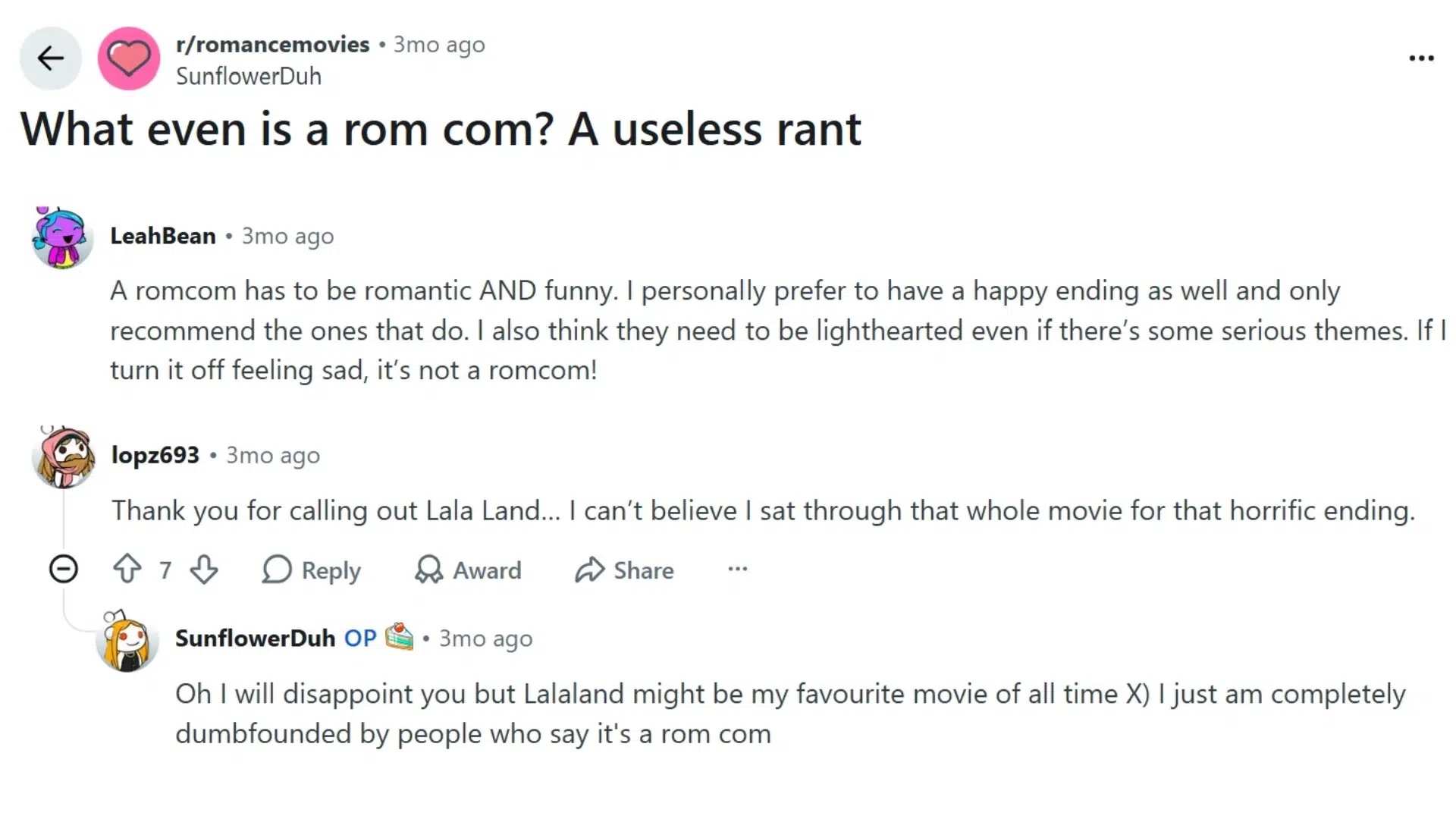
Reddit discussions show just how unsettled the rom-com label can be. In a 2026 r/romancemovies thread, fans debated everything from screwball comedies and fantasy films to movies where romance is only a side plot.
One commenter argued that romance and comedy should have roughly equal importance, while another reduced the idea to a much simpler rule: both elements need to genuinely matter.
The discussion also brought up films such as Legally Blonde, Miss Congeniality, Overboard, and Confessions of a Shopaholic, with users disagreeing over which truly qualify.
That disagreement mirrors the wider genre problem: viewers often judge rom-coms by tone, central plot, romantic payoff, or even personal “vibes.”
Reddit does not provide one final definition, but the strongest common thread is clear: having romance and jokes somewhere in the movie is not enough.
The Final Rom-Com Verdict
A rom-com works best when romance and comedy are both essential to the story, not simply added on the side. The easiest way to judge one is to ask what drives the plot, creates the conflict, and delivers the emotional payoff.
You can also use familiar tropes like fake dating, enemies to lovers, or meet-cutes as clues, but they are not strict rules.
If you still ask what is a romcom, focus on how closely love and humor shape the same story. That simple test makes genre labels easier to understand, even with unusual endings or dramatic elements.
Share your favorite rom-com and see how well it fits these traits.
Frequently Asked Questions
Is a Rom-Com the Same as a Chick Flick?
No. Rom-com is a genre defined by the combination of romance and comedy. “Chick flick” is an informal and broad audience label that has historically been applied to films perceived as primarily appealing to women. Not every movie given that label is a romantic comedy.
Can TV Shows and Books Be Rom-Coms?
Yes. Romantic comedy is not limited to movies. Television series, novels, plays, and other fictional formats can all qualify when both the romantic relationship and comedy play meaningful roles in the main story.
Does Every Rom-Com Need a Happy Ending?
No. A positive romantic resolution is common, especially in traditional rom-coms, but some stories use bittersweet, open, or unconventional endings. The relationship simply needs to remain important enough that its outcome carries significant emotional weight.
Is Every Funny Romance a Rom-Com?
Not necessarily. A romance can contain humor without making comedy essential, just as a comedy can contain dating without making romance central. A true rom-com generally needs both elements to shape the main narrative.
Can a Rom-Com Be Rated R?
Yes. Rating and genre describe different things. Mature language, sexual content, adult themes, or darker humor can lead to an R rating without preventing a movie from qualifying as a romantic comedy.
What Are the Most Common Rom-Com Tropes?
Popular rom-com tropes include enemies to lovers, friends to lovers, fake dating, forced proximity, opposites attract, second-chance romance, love triangles, misunderstandings, meet-cutes, and grand gestures. None of these is required for a story to qualify.