


There are a lot of things home inspectors don’t know about pools. When they inspect a pool, it’s the most basic inspection that does not really give any important information. They are pretty much just winging it.
Pool Equipment Sizing
A pool inspector can advise if he/she thinks the equipment is adequate for the size of the pool. Why is this important? Because having undersized equipment can cost you a lot in chemicals. Most old pools were built with undersized equipment. We consider old approximately 15 years and older. That’s something we’ve noticed in Florida. All the old pools have very undersized equipment. Undersized for today’s day and age.
You have to consider that back then they weren’t putting much phosphate in tap water. Now tap water is flooded with phosphates. Phosphates prevent metal distribution pipes from leaching metals into our tap water. The U.S. as a whole has been adding lots of phosphates to our tap water since the crisis they had in Flint, Michigan, in 2010, more or less. Where high metal counts in tap water were killing people and causing birth defects. Phosphates don’t cause any issues to humans, but they are algae food. So if you fill up your pool with tap water, you’re injecting algae food pretty much.
Back then, smaller pool equipment could handle the load; nowadays, it’s too much. Good circulation is very important when there are high phosphates. Also, nowadays there’s more infrastructure than there was before, and all this infrastructure emits stuff into pools. The more infrastructure, the more pollutants. Also, what people wear nowadays on themselves has more ingredients than before. There are all types of sunscreens that can be worn in every single way, and that takes a huge toll on equipment sized for pools way long ago. Many processed things or synthetic ingredients make it that much harder for your pool equipment to filter out. This is just one of the things to think of.
Pool Bonding and Electrical Safety
A pool inspector could check if your pool is properly bonded, which is extremely important; you do not want stray electricity anywhere in your pool. Something a home inspector wouldn’t test for.
A pool inspector will determine if everything is properly bonded, but one of the giveaways is if your pool light ring is corroded or has black marks on it. If the pool light ring has black marks or corrosion, this could mean it’s not bonded correctly because electrolysis causes that, and that means the light is not bonded.
Pool Leaks and Main Drain Safety

A pool inspector could do a bucket test to determine if there is a leak in the pool; a home inspector wouldn’t check for that either. Very important, as a leak in a pool can be very, very costly.
They could check if the main drains are VGBA compliant. VGBA is an act that was passed about main drain covers, where it is required that main drains are compliant to prevent any entrapment at the main drain.
Pool Heater and Valve Inspection
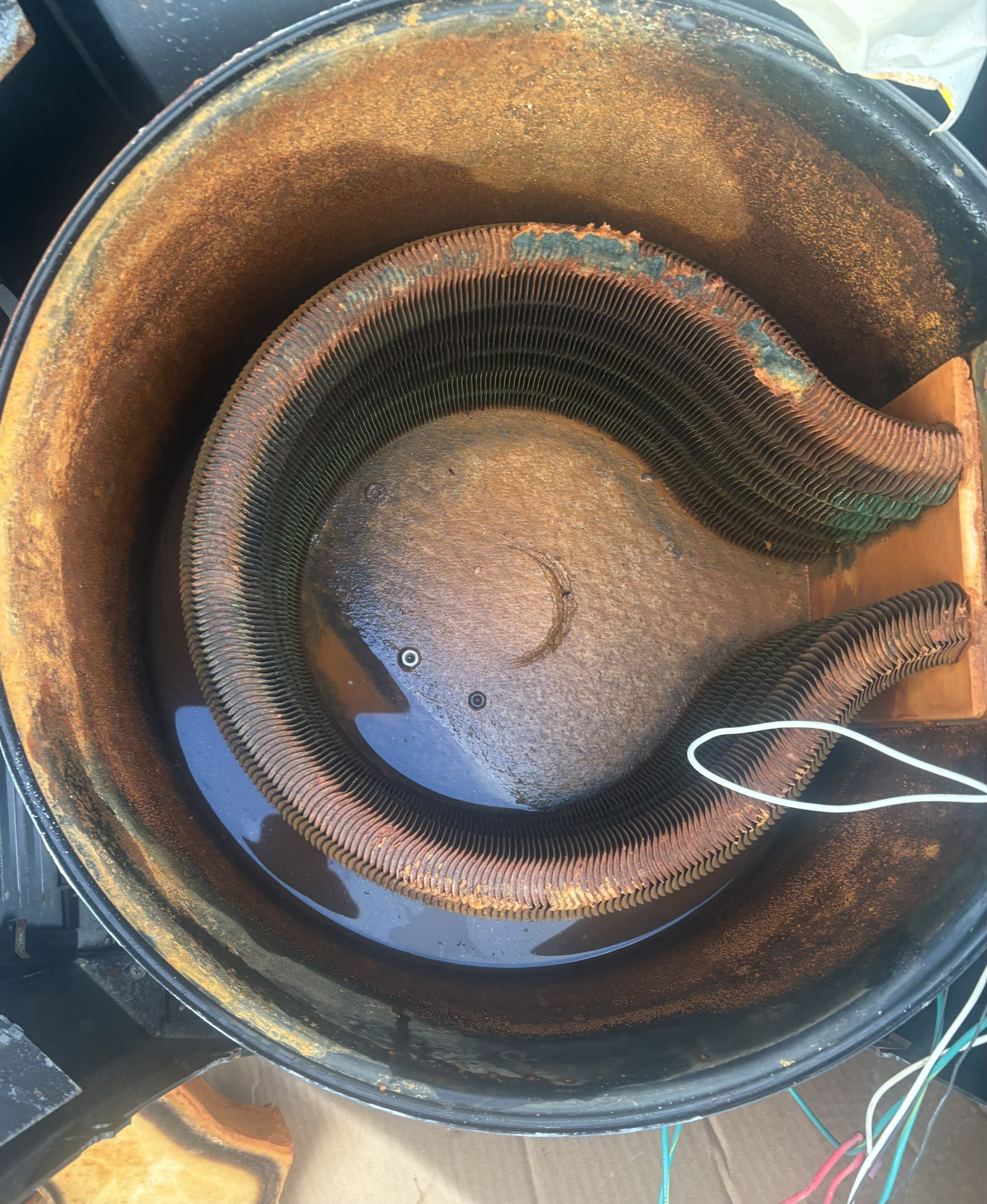
A pool inspector will place a borescope through the heat exchanger of the pool heater to determine the condition of the heat exchanger. The heat exchanger is the most expensive and important part of a pool heater. If that’s in poor condition, chances are a heater replacement will be needed very soon. Or if there are any leaks in the exchanger, that means the heater is no good.
An inspector will check to make sure check valves are placed where they need to be. Will also check to make sure bypass valves are placed where they need to be.
Water Chemistry and Pool Treatment History
A pool inspector will check the water chemistry to try to get a history on how the pool has been treated. To determine if there’s a chance for premature equipment failure.
Water chemistry is extremely important and can determine how good or how bad a pool has been treated. We as a company do Pool Service in Miami and can determine a lot of things just by checking water balance. That’s what we specialize in: water balance/water chemistry.
Pool Surface, Mastic Joints, and Bond Beam
The pool surface would be checked for any stains; a pool inspector could guide possible new homeowners on how to get rid of certain stains.
The mastic joints will be inspected to make sure they are installed correctly. A pool inspector could determine if there are any bond beam issues, which is a costly repair.
Pool Pump Performance and Flow
A pool inspector will check to determine if the pool pump is working properly or if, in the near future, it needs to be replaced by placing a gauge on the vacuum port and on the discharge port.
Based on the readings of the gauges, the inspector will determine the total dynamic head. Once the total dynamic head is determined, the inspector will do some hydraulic calculations to determine if the pump is producing the amount of flow it should be producing. If it is not producing the correct amount of flow, that is not a good sign.
Pool Filter Inspection and Maintenance
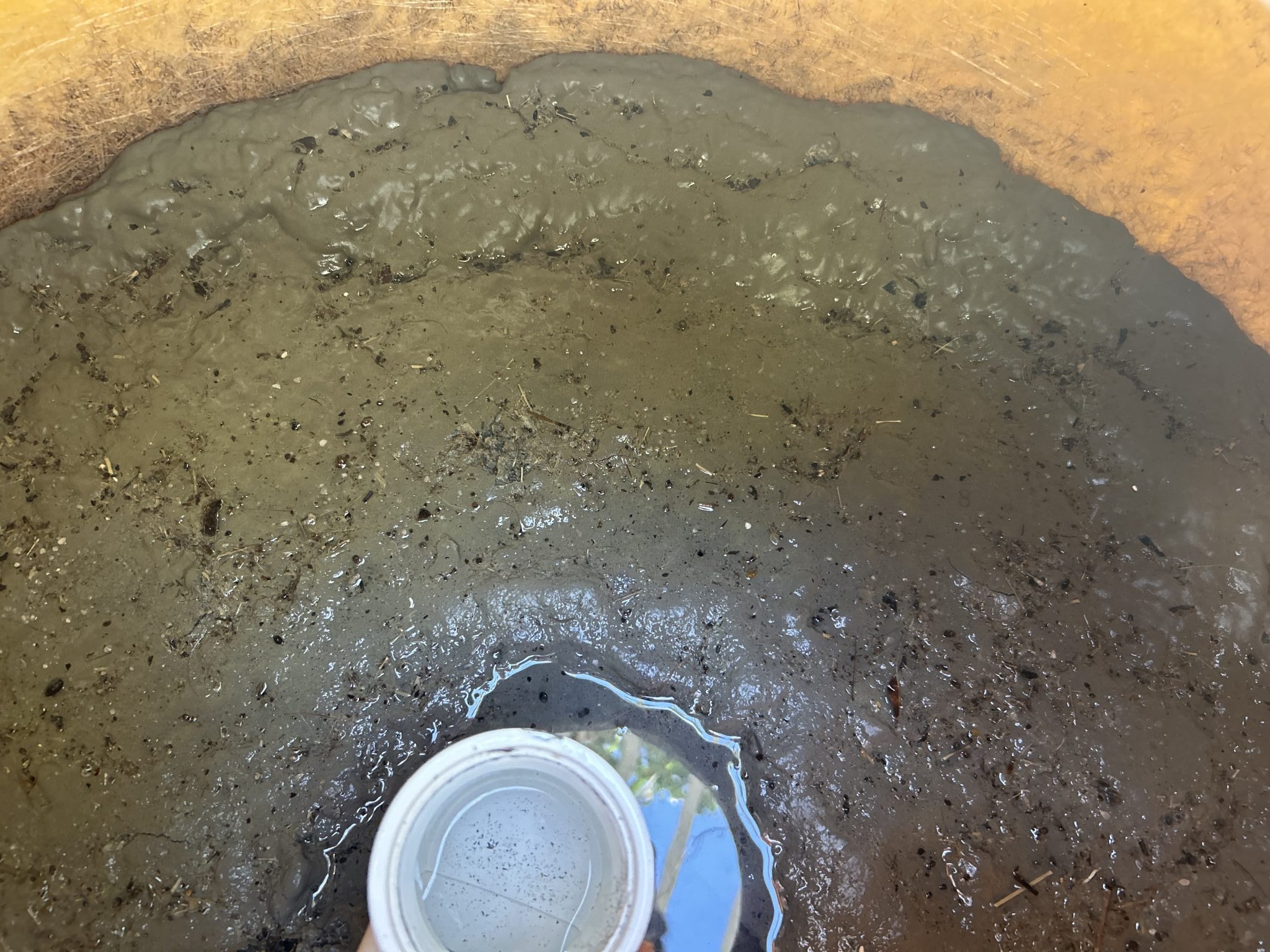
Will check to make sure the pool filter (sand, cartridge, DE) is appropriately sized.
If there is a sand filter, make sure there isn’t any sand going back into the pool, indicative of a lateral being broken in the filter. Will check the pressure gauge on a sand filter and backwash it to determine if the sand needs to be changed in the sand filter.
Will also question the homeowner to determine the last time the sand in the sand filter was replaced, as it should be replaced at certain intervals; if not done recently, it is costly to replace the sand. So the new homeowner is aware if a sand change is required.
Pool Lights, Salt Systems, and Pump Priming
Make sure lights are 12 volts, which is preferred as opposed to 120 v.
Will check salt levels if a salt pool to see if kept in proper range. Depending on the brand of the salt system, could check to determine if the salt system is working properly or needs to be replaced.
Will check to see if the pump is fully primed; if not, will check for any suction side leaks to determine why it is not priming completely.
Automation, Spa Blower, and Variable Speed Pumps
Will check automation panels to make sure all actuator valves are working properly and check that the automation system is programming everything properly.
Will check the spa blower is working properly and installed correctly. Will make sure no water is coming up through the pipe where the blower is, as this could cause damage to the blower.
If the pool has a variable speed pump, will guide the new homeowner on the best way to program it so it runs as efficiently as possible, saving electricity. Also, will make sure the pump is running at an appropriate speed to satisfy all the needs of other equipment on the pool pad.
Pool Inspector vs. Home Inspector
It’s a night and day difference between a pool inspector and a home inspector. Pool inspectors are experts when it comes to pools; home inspectors most of the time don’t know what they are looking at.
Home inspectors have no clue, and a client having a home with a pool for the first time can be pretty intimidating.