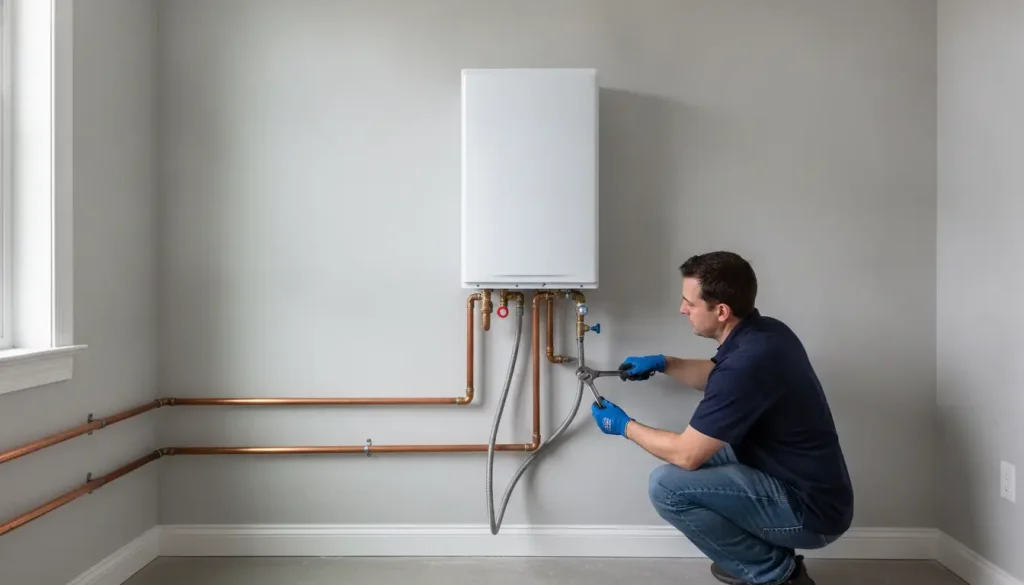
Gas tankless water heaters produce hot water only when a fixture calls for it. The purchase price, however, represents just one part of the investment. Home size, fuel capacity, venting, flow rate, labor, permits, and regional service rates can change the final bill. A sound estimate accounts for each factor before installation begins. Clear planning helps households choose reliable equipment, avoid unnecessary capacity, and prepare for expenses associated with the property’s existing plumbing and gas systems.
Typical Purchase Price
The price of gas tankless water heaters generally ranges from $1,000 to $3,000 for equipment alone. Entry-level models can serve smaller homes with modest demand. Premium units may provide greater flow, stronger efficiency, advanced controls, or wider temperature adjustment. Warranty coverage also influences value. Comparing energy performance and expected demand gives buyers a better basis for selection than focusing on the initial sticker price.
Installation Charges
Professional installation often adds $1,000 to $3,500. That amount may cover appliance removal, water connections, gas fittings, electrical work, venting, testing, and startup. Replacing an existing unit in a prepared location is usually less expensive than creating a new installation point. Local labor rates, permit fees, and building access can shift the total. A written estimate should identify every task and material.
Existing Fuel Connections
A home with a correctly sized gas line may avoid extensive upgrades. Older properties sometimes need a larger supply pipe because tankless equipment draws a substantial amount of fuel during operation. Depending on access, distance, materials, and inspection requirements, that change can add several hundred dollars. Natural gas and propane installations may require different regulators or conversion parts. A licensed professional should verify the pressure before selecting equipment.
Venting Requirements

Exhaust gases must leave the structure through an approved vent system. Condensing units commonly use specialized plastic venting because exhaust temperatures are lower. Non-condensing models often require corrosion-resistant metal components. An existing chimney or flue may not meet current requirements. Running a new route through an exterior wall, attic, or roof increases labor. Vent distance, bends, and termination placement also affect material needs.
Household Demand
Flow rate strongly influences equipment cost. A smaller residence may need about five gallons per minute, while a larger household could require eight gallons or more during simultaneous use. Showers, laundry appliances, dishwashers, and tubs all contribute to peak demand. Fixture overlap matters more than occupant count alone. Undersized equipment may cause temperature fluctuations, while excessive capacity raises the purchase price without providing any useful benefits.
Sizing Examples
A single shower may consume two gallons per minute. Two showers operating with a sink can use up to five gallons, depending on fixture ratings. Colder incoming water requires greater heating power to reach the selected outlet temperature. A home in Minnesota may need more capacity than a similar property in Georgia. A professional load calculation provides a safer recommendation than using bedroom numbers as a shortcut.
Efficiency and Operating Costs
Condensing models generally cost more upfront because they recover additional heat from exhaust gases. That process can reduce fuel use in households with frequent hot-water demand. Non-condensing equipment may cost less and fit certain replacement layouts more easily. Monthly savings depend on utility rates, bathing habits, inlet temperature, maintenance, and efficiency ratings. A realistic payback estimate should use local fuel prices and expected annual consumption.
Labor and Regional Pricing
Installation rates differ by city, contractor workload, property age, and job access. Work beside an exterior wall may take less time than service inside a finished basement. Crawl spaces, roof penetrations, concealed pipes, and difficult equipment placement can increase labor hours. Urgent replacements often carry additional charges. Comparing three detailed proposals helps households distinguish necessary work from optional upgrades or unexplained fees.
Permits and Accessories
Permit charges, inspections, isolation valves, gas shutoff devices, expansion tanks, filters, and condensate drains may appear separately. Some properties also require a dedicated outlet or a pump to safely move condensate. Recirculation equipment can shorten wait times, though it adds installation expense. Buyers should ask whether each item is required by code, recommended for reliable operation, or included as a convenience feature.
Long-Term Value
Tankless equipment can reduce standby losses because it does not keep a storage vessel heated between uses. Continuous hot water remains possible during periods of high demand, provided fuel supply and flow capacity are adequate. Mineral deposits can restrict internal passages, especially in hard-water areas, so periodic flushing matters. Service access, maintenance pricing, warranty length, and expected fuel consumption belong in any ownership comparison.
Ways to Control the Budget
Homeowners can limit costs by selecting equipment that matches actual demand and placing it near existing gas, water, and electrical connections. Replacing an aging system before failure allows time for competitive proposals. One qualified contractor may coordinate plumbing, venting, and fuel-line work more efficiently than separate providers. Utility rebates can lower the effective price, although eligibility depends on location, model certification, and current program terms.
Conclusion
A gas tankless water heater typically costs $2,000 to $6,500, including equipment, installation, venting, fuel line changes, permits, and accessories. Property conditions and household demand usually matter more than the advertised unit price. Accurate sizing, several itemized bids, and confirmation of code requirements reduce financial surprises. A complete assessment should weigh efficiency, service needs, warranty protection, installation quality, and projected fuel use alongside the initial payment.