

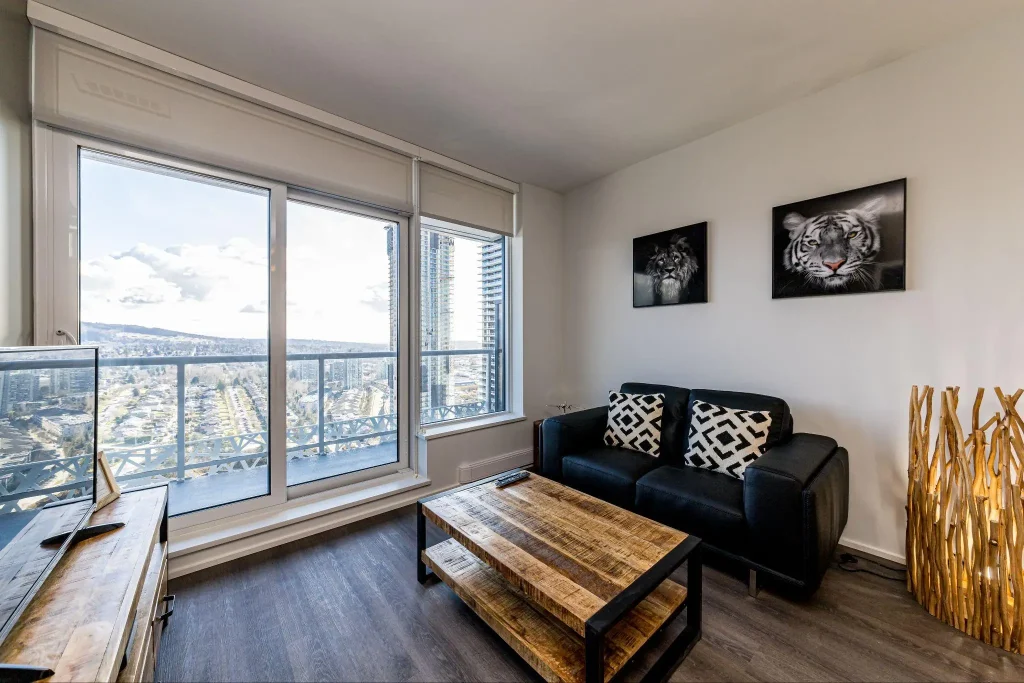
The furnished apartments vs hotels debate used to be simple. Hotels won on convenience, apartments won on price, and most travelers chose based on how long they were staying.
That calculation has shifted. A growing number of people spending weeks or months away from home are skipping hotels entirely, and it is not only about the nightly rate. It is about what a place actually needs to do when you live in it rather than just sleep in it.
Here is what is driving the change, and what to weigh before your next long trip.
Key Takeaways
- Hotels usually stay cheaper up to about three weeks, with apartments pulling ahead around 30 days
- Kitchens and real workspaces matter more the longer you stay
- Furnished apartments usually include utilities, wifi, and linens in one monthly rate
- Hotels still win for short trips, service, and central locations
- Location and lease flexibility are the two things worth checking hardest before booking
The Math Changes at About a Month
For a three-night trip, a hotel is hard to beat. Someone else handles the towels, breakfast is downstairs, and the location is usually central.
Stretch that to six weeks and the same room starts working against you. Nightly rates that felt reasonable compound into something uncomfortable. Every meal becomes a restaurant meal or a sad kettle improvisation. And a room designed for sleeping starts to feel very small when you are also working, eating, and unwinding in it.
Extended stay accommodation prices tend to move the opposite direction. Monthly rates on furnished apartments are typically well below the equivalent run of hotel nights, and many providers discount further the longer you commit.
The crossover point is later than most people assume. At around a week, hotels usually still win on price. The comparison generally flips at about 30 days, which is also why most furnished apartment providers set a 30-day minimum. In several cities, including Montreal, that minimum is a local regulation rather than a company policy.
Three numbers explain the gap once you pass a month:
Space. A standard hotel room runs roughly 250 to 300 square feet. Furnished apartments typically run 500 to 1,200 square feet, with the bedroom actually separate from everything else.
Food. Having a real kitchen tends to cut restaurant spending by somewhere between 30 and 50 percent over a long stay. On a two-month trip that alone can outweigh the difference in headline rates.
Fees. Hotels commonly layer on daily resort and parking charges of $20 to $50 a night. Furnished apartments are usually billed as a single monthly figure with utilities and wifi folded in.
What You Actually Get in a Furnished Apartment
The phrase covers a lot of ground, from a studio above a shop to a serviced apartment in a managed building. Most share a few things:
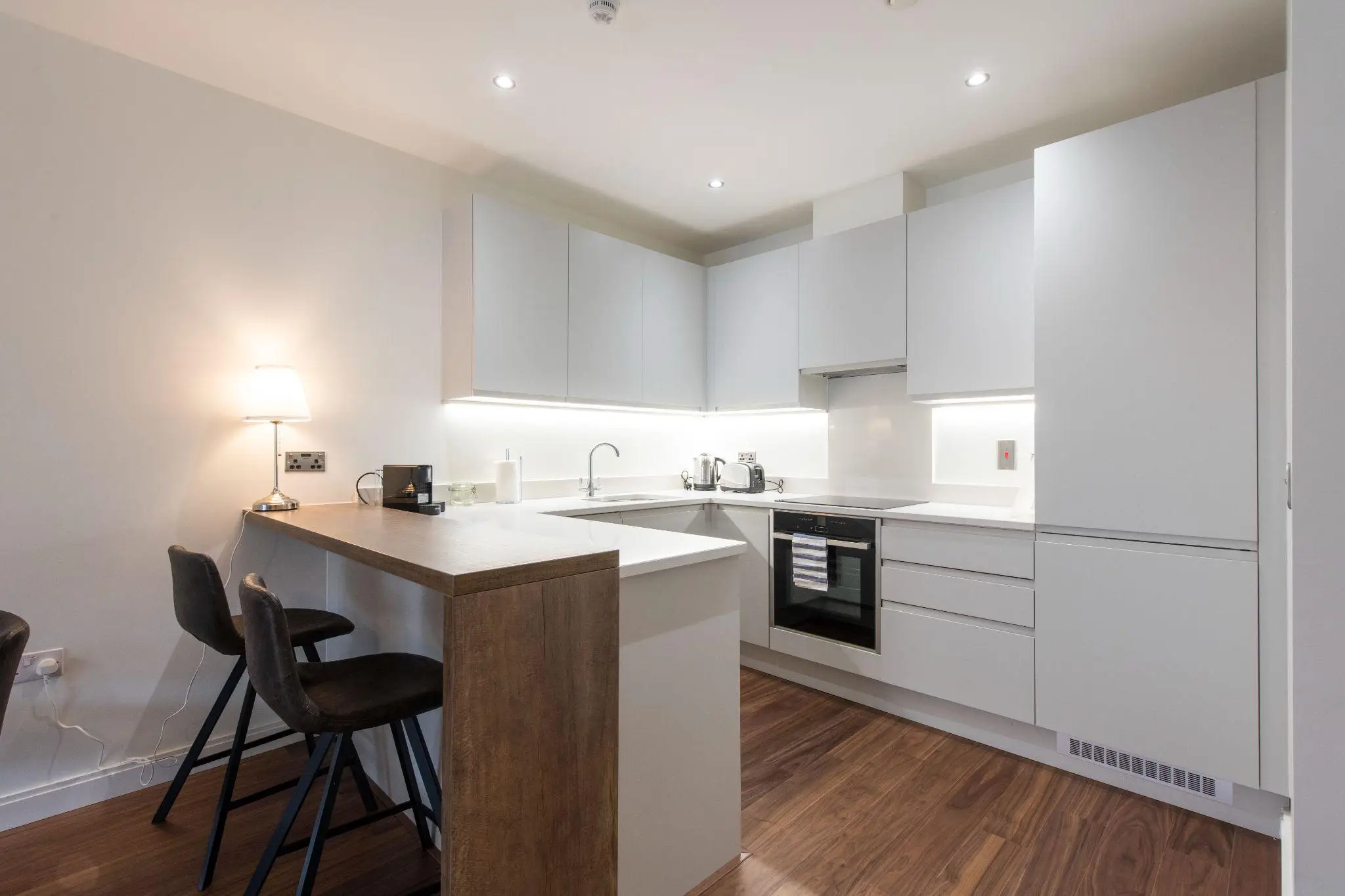
- A real kitchen. Not a microwave and a mini-fridge. A stove, a full fridge, pans, and space to cook.
- Separate living and sleeping areas. The difference between working from a desk and working from the edge of a bed.
- A laundry machine, or at minimum building access to one.
- Bills folded into one rate. Utilities, wifi, and often cleaning are usually bundled rather than billed separately.
- Furniture and linens already there. You arrive with a suitcase, not a moving van.
Serviced apartments sit a step further up, adding hotel-style extras like reception, housekeeping, and sometimes a gym. You pay more for that, but you keep the kitchen and the space.
Why People Are Actually Switching
Cooking Stops Being Optional
Two weeks of restaurant food is a holiday. Two months of it gets expensive and, for most people, genuinely unpleasant. Having a kitchen means you eat how you normally eat, which matters more than it sounds when you are far from home for a while.
Remote Work Needs a Desk
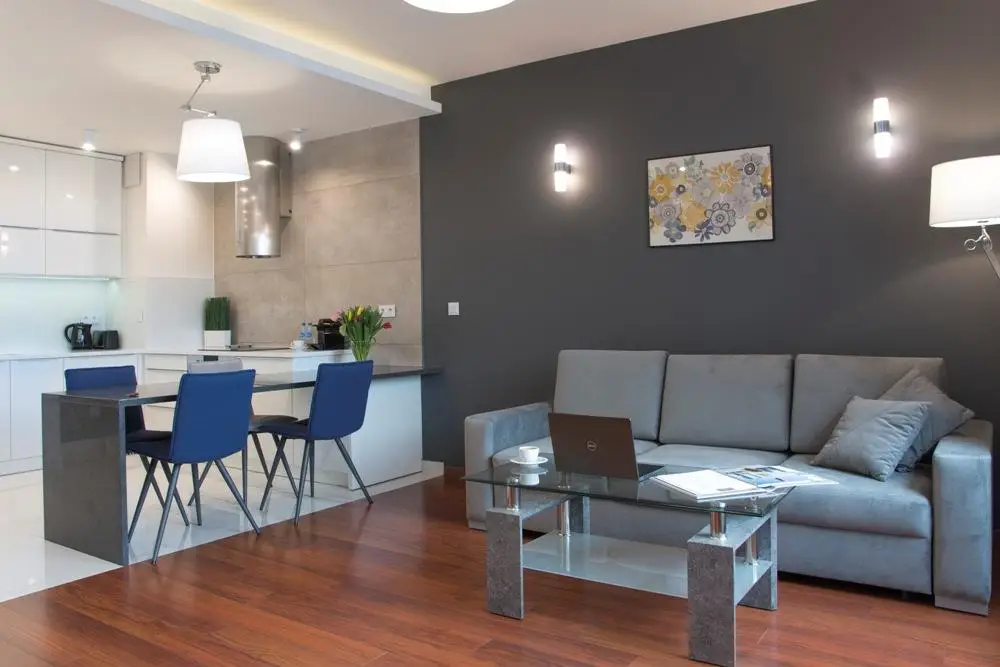
A huge share of long stays now involve working. Video calls from a hotel bed with the TV as a backdrop get old fast, and hotel wifi is rarely built for a full working day. An apartment with a table, a door, and reliable internet removes a daily source of friction.
Living in a Neighborhood Beats Living in a Hotel District
Hotel districts are designed for people passing through. Stay a month and you start wanting a regular coffee shop, a grocery store you know the layout of, and neighbors who are not checking out on Sunday. Apartments tend to sit in actual neighborhoods, which changes the texture of a long trip considerably. In Montreal that might mean Griffintown or Mile-End rather than the tourist strip. The same logic applies in Panama City, Mexico City, Santiago, or Toronto. The residential districts are where a month actually feels liveable.
One Rate, Fewer Surprises
Resort fees, parking, wifi upgrades, breakfast, laundry charges. On a short stay these are annoying. Over two months they add up to real money. Furnished apartments built for longer stays generally roll the essentials into a single monthly figure, which makes budgeting far less of a guessing game.
Where Hotels Still Win
This is not a one-sided comparison, and pretending otherwise would be unhelpful.
Hotels are better for short trips, full stop. They are better when you want someone else handling everything. They are better for last-minute bookings, and they are usually more central. Loyalty programs have real value if you travel constantly. And if something breaks at 2am, there is a front desk.
Furnished apartments ask a little more of you. You handle your own groceries, your own cleaning between services, and occasionally your own problem-solving. For a long stay most people find that trade worthwhile. For a weekend, it rarely is.
What to Check Before You Book
Long-stay bookings are harder to walk away from than a hotel reservation, so a bit of diligence pays off.
Location, checked properly. Look at the actual walking distance to a grocery store, a pharmacy, and transit. A listing described as “central” can be a twenty-minute walk from anything useful.
What the rate includes. Get it in writing. Utilities, wifi, cleaning frequency, and any deposit should all be explicit before you pay.
Minimum stay and exit terms. Thirty days is the usual floor, with some providers asking for longer. More importantly, ask what happens if your plans shift, because on a long booking they often do. Providers used to relocations and project work will normally extend a booking with reasonable notice.
Wifi, specifically. If you are working, ask for actual speeds rather than a promise that wifi exists. Better providers list this openly, and some let you filter listings by connection speed. It is also worth asking whether the unit has a proper desk and chair, since serviced apartments built for extended stays tend to include both as standard while a generic rental may not.
Who to call when something breaks. A managed provider with real support is worth more than a slightly cheaper listing with an unresponsive host.
Recent reviews from long-stay guests. A place can be lovely for three nights and quietly miserable for three months. Reviews from people who stayed a while tell you more.
Frequently Asked Questions
Are Furnished Apartments Cheaper Than Hotels?
For stays of about a month or more, usually yes. The advantage grows with duration. Monthly rates typically undercut the equivalent number of hotel nights, and they bundle in costs hotels charge separately. For stays under roughly three weeks, hotels often still come out ahead on price.
How Long Is a “Long Stay”?
Thirty days is the standard threshold. It is where most providers set their minimum, where several cities draw the regulatory line, and where the cost advantage over hotels becomes clear.
What Is the Difference Between a Furnished Apartment and a Serviced Apartment?
A furnished apartment comes ready to live in with furniture, kitchenware, and linens. A serviced apartment adds hotel-style services on top, such as reception, regular housekeeping, and shared building amenities.
Do Furnished Apartments Include Wifi and Utilities?
Most do, but never assume. Confirm exactly what is bundled before booking, since it is one of the most common sources of unexpected charges.
Can You Book a Furnished Apartment for Just a Few Nights?
Usually not. Most providers set a 30-day minimum. In some cities, that floor is set by local rental regulations rather than by the provider. Short bookings also lose the pricing advantage entirely, so a hotel is the better tool for a few nights.
The Short Version
The switch away from hotels for long stays is not really about hotels getting worse. It is about a different kind of travel becoming normal.
More people are working remotely, taking longer assignments, spending a season somewhere instead of a weekend. That kind of trip needs somewhere to live, not somewhere to stay, and a room built for three nights was never going to cover it.
If your next trip runs close to a month or longer, run the numbers both ways. Compare the total monthly cost against the equivalent hotel stretch. Then factor in the meals you would cook, the space you would get, and whether you would actually be able to work. For most long stays, the answer arrives fairly quickly.