

For decades, musicians followed a fairly predictable path. They recorded songs, searched for industry support, and hoped that radio stations or television channels would introduce their work to large audiences. Success often depended on access to expensive recording studios, physical distribution, and a network of professionals who controlled promotion. Digital streaming changed that structure. Artists now reach listeners directly, publish new music without long delays, and build careers through constant interaction rather than occasional publicity campaigns.
Many creators also maintain online communities that discuss entertainment beyond music. Some followers even spend time on digital leisure platforms such as rollambia, yet the strongest connection still comes from consistent musical output, direct communication, and regular engagement with audiences.
Streaming changed much more than listening habits. It influenced songwriting, audience growth, touring plans, marketing decisions, financial planning, and long-term career development. Instead of focusing on one major event every few years, musicians now think about maintaining steady visibility throughout the year.
Greater Access to Listeners
One of the largest changes involves accessibility. Artists no longer need physical products to reach listeners in different countries. A song can become available worldwide within a short period, allowing musicians to introduce their work to people who would never have discovered it through traditional channels.
This wider reach also encourages experimentation. Instead of waiting until an entire album reaches completion, creators often share individual tracks whenever they feel ready. Listeners receive new material more frequently, while musicians gather immediate reactions that help shape future creative decisions.
This direct connection benefits both sides. Fans enjoy easier access to fresh music, and performers receive detailed information about listening habits without relying entirely on outside reports.
Continuous Career Growth
Earlier generations often worked around long album cycles. Months of preparation led to one launch, followed by interviews, concerts, and promotional appearances before another lengthy recording period began.
Streaming encourages a different rhythm.
Artists now think about consistency rather than long gaps between projects. They may write throughout the year, publish several singles, collaborate with different musicians, and remain active across multiple creative projects.
This approach offers several advantages:
- Listeners receive fresh material more often.
- Musicians remain visible throughout the year.
- Creative experimentation becomes less risky.
- Smaller projects attract attention without waiting for a full album.
- Audience feedback arrives quickly after each publication.
Instead of relying on one major milestone, artists develop careers through steady activity.
Data Helps Guide Decisions
Streaming platforms collect detailed listening information. Musicians can study where listeners live, which songs receive the strongest response, how long people continue listening, and which tracks attract repeat plays.
These insights support practical planning.
An artist who notices strong interest in one region may schedule concerts there. Someone whose acoustic recordings outperform energetic tracks might write more music in that direction. Another performer could discover that listeners enjoy collaborations more than solo work.
Numbers never replace creativity, but they help musicians understand audience behavior more clearly.
|
Career Area |
Information Artists Can Review |
|
Audience location |
Countries and cities with strong activity |
|
Listening habits |
Most played songs and repeat listening |
|
Audience growth |
Monthly changes in listener numbers |
|
New discoveries |
Songs that introduce first-time listeners |
|
Long-term interest |
Tracks that remain active over time |
This information supports thoughtful planning instead of guesswork.
Independent Careers Continue to Expand
Streaming reduced many barriers that once limited independent musicians. Recording technology became more affordable, while digital distribution removed many physical obstacles.
As a result, artists can handle much of their own work.
Many write songs, produce recordings, manage social media, organize merchandise, schedule performances, and communicate directly with supporters. Some later choose professional representation, while others continue working independently.
This flexibility allows creators to shape careers according to personal goals rather than following a single established path.
Music Discovery Happens Differently
People once discovered music through radio programming, television broadcasts, magazines, or recommendations from friends. Those channels still matter, but streaming introduced additional methods that operate every day.
Listeners often discover artists through:
- Personalized recommendations
- Editorial playlists
- User-created playlists
- Search functions
- Shared links from friends
- Short-form videos connected to songs
These discovery methods reward consistency. Musicians who continue publishing quality work often gain repeated exposure instead of relying on one successful moment.
Even smaller artists can gradually expand their audiences as listeners continue sharing songs across different online spaces.
The Growing Importance of Consistent Communication
Modern audiences expect more than recorded music. They appreciate updates about creative work, studio sessions, rehearsals, concerts, and everyday activities connected with artistic life.
This expectation changed how careers develop.
Many musicians now communicate regularly through photos, videos, written updates, livestreams, and question-and-answer sessions. These conversations create stronger relationships because fans feel involved throughout the creative process rather than hearing from artists only during promotional periods.
Regular communication also helps maintain interest between new releases. Instead of disappearing for long periods, musicians remain part of ongoing conversations.
That visibility supports long-term audience growth without replacing the importance of music itself.
Streaming Influences Song Structure
The streaming era also changed how many artists approach songwriting.
Listeners can skip songs almost instantly. That reality encourages musicians to capture attention early without sacrificing artistic quality. Strong introductions, memorable choruses, and concise arrangements often receive greater attention because audiences make listening decisions within the first moments of playback.
At the same time, streaming supports creative freedom. Long instrumental pieces, experimental recordings, and genre-crossing projects still find audiences because listeners actively search for specific styles instead of depending on limited broadcast schedules.
Different creative approaches can succeed at the same time because digital distribution removes many traditional restrictions.
Touring Benefits From Better Audience Knowledge
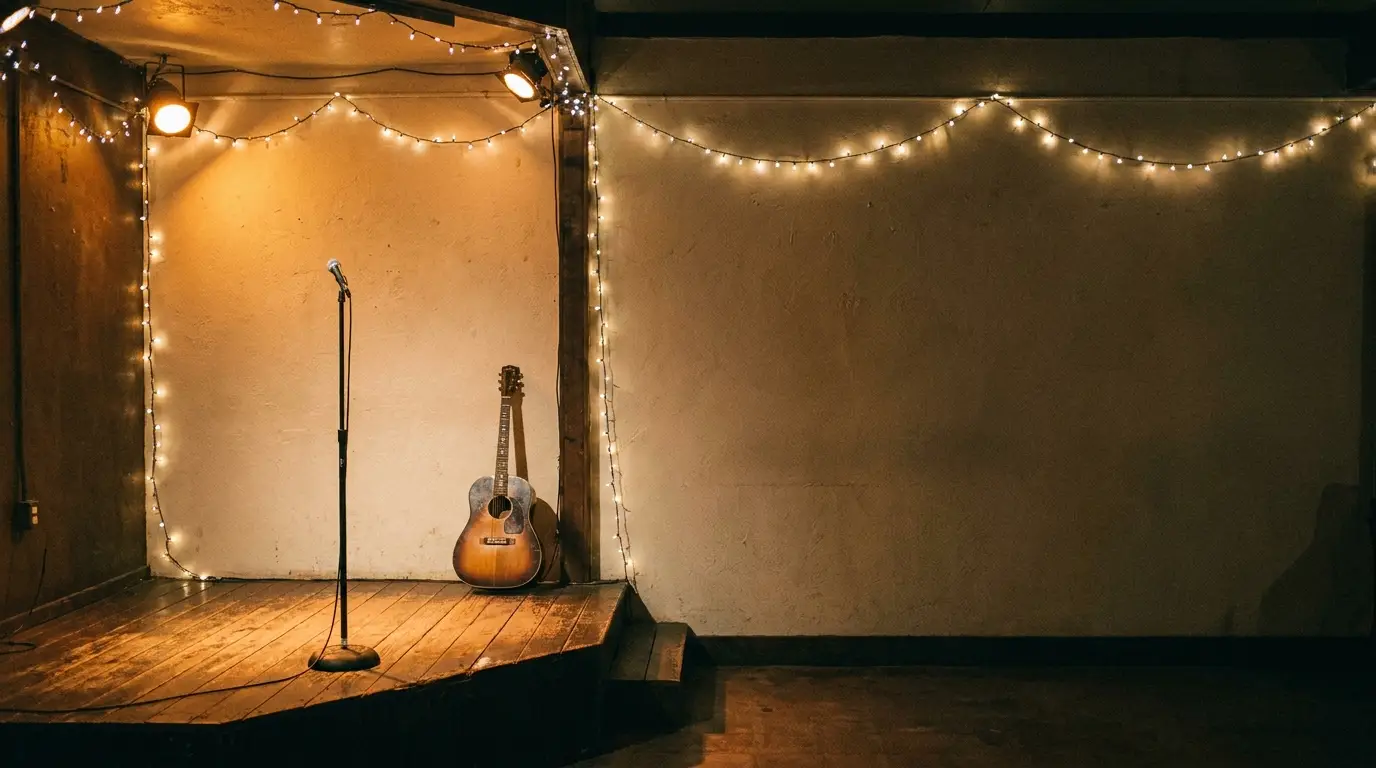
Streaming data helps musicians plan live performances with greater confidence. Instead of relying only on assumptions, artists can identify cities where listeners already engage with their music. That information supports scheduling decisions and helps reduce unnecessary travel.
Touring also serves a larger purpose than ticket sales. Concerts strengthen the connection between performers and audiences. Fans who discover music through streaming often decide to attend live shows after building familiarity with an artist’s catalog.
Smaller venues continue to play an important role as well. Many musicians build loyal local audiences before expanding into larger markets. Streaming allows those local supporters to introduce songs to friends in other regions, creating gradual growth over time.
Income Comes From Several Sources
Streaming created new income channels, but it rarely serves as the only financial foundation for a career. Most working musicians combine several activities that support one another.
Common income sources include:
- Streaming royalties
- Concert ticket sales
- Merchandise
- Licensing agreements
- Physical music sales
- Fan memberships
- Exclusive live events
- Songwriting work for other performers
This combination reduces dependence on a single revenue stream. Artists who develop several areas often create more stable careers over the long term.
Collaboration Happens More Often
Digital communication allows musicians to collaborate without meeting in the same studio. Songwriters, producers, instrumentalists, and vocalists exchange ideas through online tools and complete projects across different countries.
This process expands creative possibilities. Artists can work with people from different musical backgrounds while maintaining control over their own schedules.
Collaboration also introduces musicians to new audiences. When listeners enjoy one performer, they often explore the work of featured collaborators. That natural discovery process supports gradual audience growth without relying on expensive promotional campaigns.
Fans Influence Career Development
Modern audiences participate more actively than previous generations. Fans create playlists, discuss songs across online communities, recommend artists to friends, and share concert experiences through photos and videos.
This activity strengthens long-term careers.
Instead of receiving information only through traditional media, listeners contribute directly to conversations surrounding music. Their recommendations often introduce new artists to wider audiences.
Musicians also benefit from immediate feedback. Comments, discussions, and streaming activity reveal which songs attract the strongest response. While artists should never create music only to satisfy trends, understanding audience preferences can support better communication and smarter planning.
Career Longevity Requires Consistency
Streaming rewards regular activity rather than long periods of silence. That does not mean artists must publish new music constantly. Instead, they benefit from maintaining an active relationship with listeners.
Career longevity often depends on several habits:
- Writing and recording consistently.
- Communicating honestly with audiences.
- Continuing to improve creative skills.
- Performing live whenever possible.
- Exploring collaborations that match artistic goals.
These habits help musicians remain relevant without abandoning their creative identity.
Challenges Remain
Streaming created many advantages, but artists still face meaningful challenges.
The enormous amount of available music makes visibility difficult. Thousands of new songs appear every day, making audience attention increasingly competitive. Musicians must continue creating strong work while maintaining regular communication with listeners.
Financial pressure also remains. Streaming income alone rarely supports a full-time career, especially during the early years. Many performers continue balancing music with other professional responsibilities until their audiences grow.
Creative pressure presents another concern. Frequent publishing schedules can encourage rushed decisions if artists focus only on constant output. Successful careers still depend on thoughtful songwriting, careful production, and artistic development.
Technology Will Continue to Shape Careers
Streaming continues to evolve alongside broader changes in digital technology. New recommendation systems, interactive experiences, and audience engagement tools will likely influence how musicians connect with listeners during the coming years.
Despite those changes, several principles remain constant.
Strong songs continue to matter.
Authentic communication continues to matter.
Live performances continue to matter.
Technology changes how audiences discover music, but artistic quality still determines whether listeners return.
Comparing Traditional and Streaming Career Models
|
Traditional Approach |
Streaming Era Approach |
|
Long album cycles |
Frequent singles and smaller projects |
|
Limited geographic reach |
Worldwide availability from the start |
|
Promotion through traditional media |
Direct communication with audiences |
|
Limited audience data |
Detailed listening statistics |
|
Physical distribution |
Digital access across many devices |
|
Slower audience growth |
Continuous audience development |
Neither model removes the importance of talent or hard work. Streaming simply changes the tools that artists use throughout their careers.
Conclusion
Streaming reshaped nearly every stage of career development for modern musicians. It expanded global access, shortened the distance between artists and listeners, encouraged regular creative activity, and supplied valuable audience data that supports smarter decisions.
Independent musicians now enjoy greater control over recording, distribution, communication, and career planning. Established performers also benefit from stronger audience insights and direct interaction with fans throughout the year.
At the same time, success still requires discipline, creativity, consistency, and genuine musical quality. Technology can introduce songs to listeners, but lasting careers depend on the work that follows. Artists who continue writing meaningful music, communicate openly with their audiences, and make thoughtful decisions place themselves in a strong position to grow in an industry that continues to change.