


A few years ago, being part of a fandom mostly meant scrolling through comment sections, retweeting clips, and hoping a reply counted as connection. You’d wait for a friend to text back “did you see this??” and that was the extent of shared excitement. That has changed fast. Watch parties, live reaction streams, and video meetups built around album drops and festival sets have turned fandom into something people experience together in real time, not just something they consume alone, one screen and one time zone apart.
Part of this shift comes down to how normal live video has simply become in everyday life. A generation raised on FaceTime, Zoom, and Discord doesn’t think twice about turning on a camera to share a moment with people who happen to love the same artist, even fans they only know from a server or a comment thread. What used to feel like an oddly intimate thing to do outside your closest friends — turning your camera on and letting someone see your actual reaction — now barely registers as unusual.
From Comment Sections to Watch Parties
Ten years ago, engaging with a fandom mostly meant typing. You commented on a music video, argued in a forum thread, refreshed a hashtag during an awards show. All of that still happens, but it’s no longer the ceiling of how fans connect. Discord voice channels quietly turned into video hangouts. Twitter Spaces turned into watch-along streams where dozens of people react to a livestream together, cameras on, in real time. Group chats that used to be pure text now regularly spin up into impromptu video calls the second something big drops.
That shift didn’t happen because platforms forced it. It happened because text started to feel like a downgrade for the kind of reaction people actually wanted to share. Typing “omg” under a video is fine. Watching someone’s actual face light up the second the beat drops is a completely different kind of shared experience — one that text was never really built to carry.
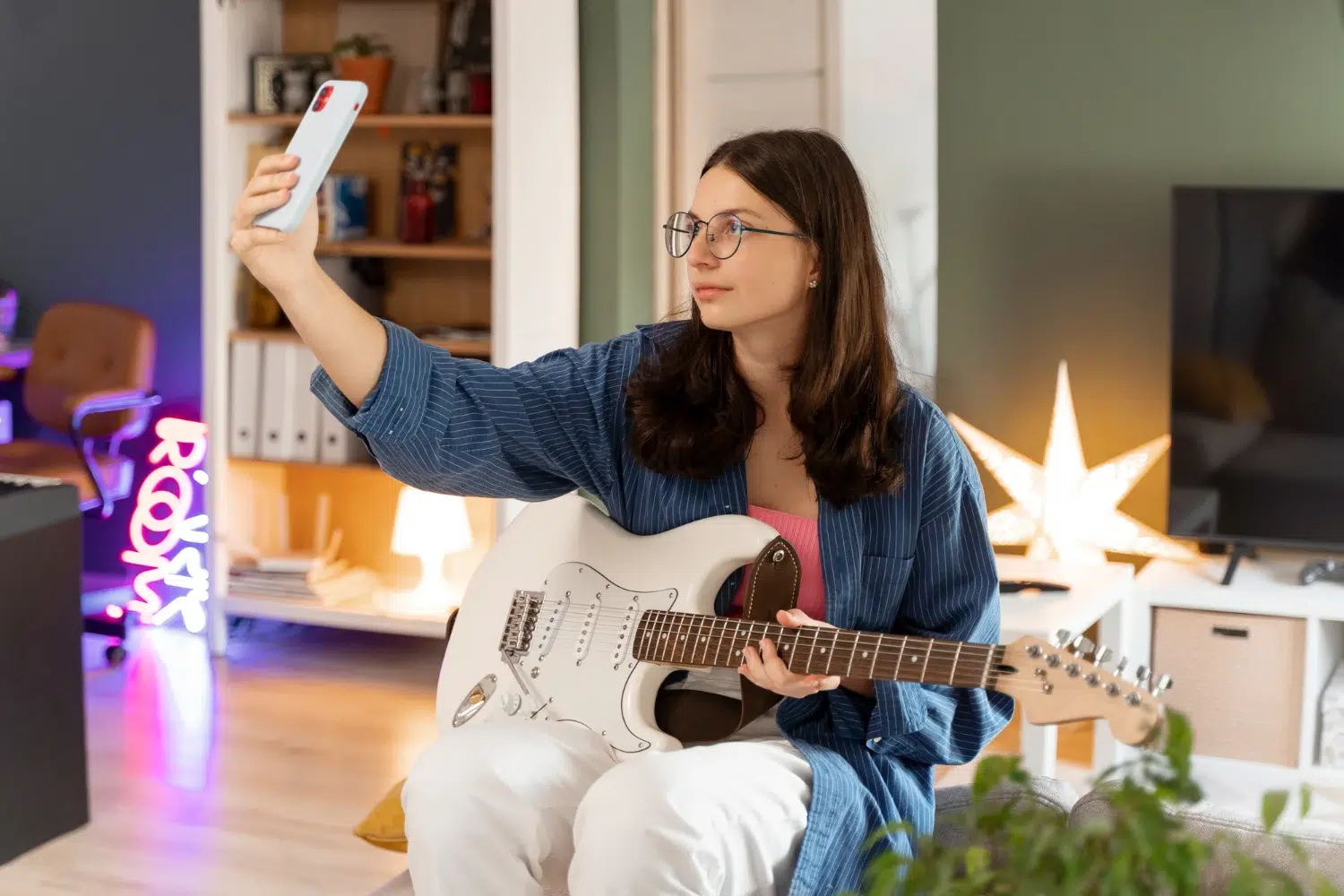
The Rise of Video-First Fan Culture
This is part of why a wave of apps built specifically around spontaneous video chat — rather than curated posting or scheduled calls — has found an audience well beyond the dating use cases most people associate with the format. Aveola is one of the clearer examples: a platform built around the idea that live video, not text, is where the most honest reaction happens, whether that’s a first conversation with someone you picked because your tastes overlap or a shared moment around something both people already care about.
When a new single drops at midnight, there’s a specific kind of energy in watching someone else’s face react in real time rather than reading “omg” in a chat box. It’s less curated than a text reaction and considerably more honest — which is exactly what a lot of fans say they’re craving after years of algorithm-optimized posting, where every reaction gets edited, captioned, and timed for maximum engagement before it’s shared at all.
Why Live Video Feels More Honest Than Text
There’s a reason this resonates beyond music fandom specifically. Text conversation rewards timing and phrasing. You can craft the perfect reply, delete three drafts, and land on something that reads as effortlessly funny or excited. Video strips all of that away. You see the actual, unedited reaction — the surprised laugh, the genuine shock, the half-second of silence before someone processes what just happened. Researchers have spent decades studying parasocial relationships, the one-sided bond fans feel toward artists they’ve never met, and live video adds a strange new wrinkle to that dynamic: for a few minutes, the interaction isn’t one-sided at all, even if it’s with another fan rather than the artist themselves.
It also explains why these platforms haven’t stayed confined to superfans organizing formal watch parties. A lot of the appeal is much more casual than that — two fans of the same niche genre who chose to talk precisely because of that overlap, ending up in an excited conversation about a new release neither of them expected to dissect that night.
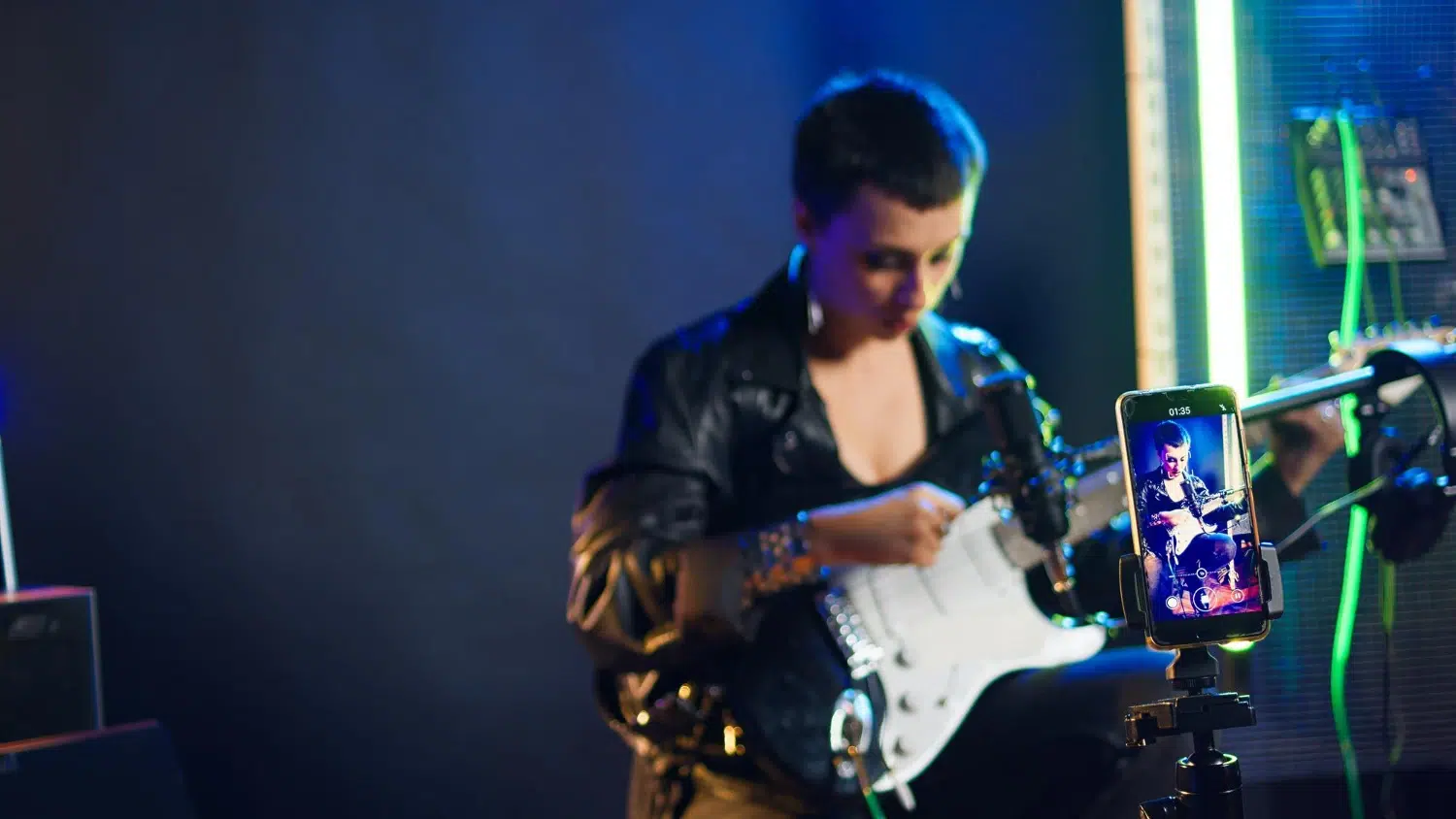
Closing the Distance During Festival Season
There’s a practical angle here too. Festival season used to mean either being there in person or missing out entirely — no in-between. Now, a friend at the actual venue can hop on a video call and effectively bring someone else into the front row for a few minutes between sets. It’s obviously not the same as being there. But it closes a gap that used to be absolute, and for fans who can’t afford the ticket, the flight, or the time off, that’s not a small thing.
This same logic extends to fans discovering an artist together for the first time. When someone you started talking to over a shared genre brings up the same obscure B-side you thought nobody else knew, that moment of recognition is hard to manufacture any other way.
Not a Replacement, but a New Layer
None of this replaces in-person shows, and plenty of longtime fans are rightly skeptical of yet another app promising “real connection” in a market full of apps that have said the same thing and delivered very little. But the pattern is hard to ignore: wherever fan communities are strongest, live video is increasingly part of how they show up for each other, not just how they talk to each other.
The bigger shift might be what this says about where online socializing is heading more broadly, well past music specifically. Text-based fandom spaces aren’t disappearing, and nobody’s suggesting they should. But they’re no longer the whole story. For a generation that already treats video calling as the default way to talk to friends, it makes sense that fandom — and plenty of other forms of connection — eventually followed the same path: less performance, more presence.



















