I’ll admit it. If someone had told me five years ago that mineral sunscreen would one day feel like a lightweight serum, I probably would have laughed.
Back then, choosing zinc oxide meant accepting a compromise. You got excellent broad-spectrum protection, but you also expected a richer texture and, quite often, a visible white cast. It was effective. It just wasn’t the sunscreen people got excited about wearing every day.
That isn’t the conversation anymore.
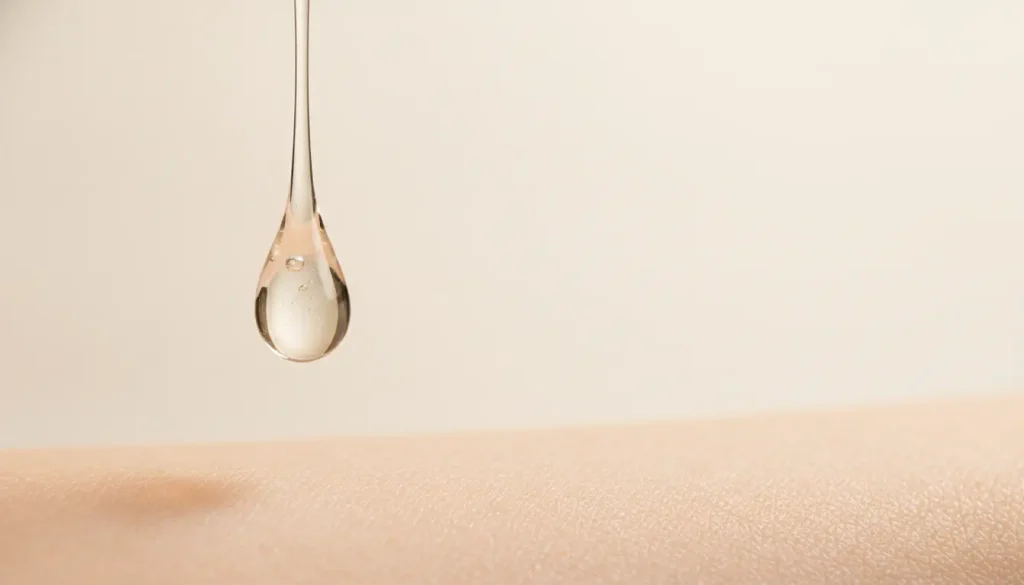
Lately, I’ve been seeing more mineral sunscreen serums appearing on the market, and they genuinely caught my attention. They don’t feel like the mineral sunscreens many of us remember. They spread easily, layer well with skincare, and in some cases, you almost forget you’re wearing SPF at all.
So what happened?
Interestingly, zinc oxide didn’t suddenly become lighter.
We simply became much better at formulating with it.
If you compare today’s launches with products from just a few years ago, the difference is hard to miss.
Sunscreen isn’t being treated as the final, heavy step in a routine anymore. Instead, brands are designing SPF to behave like skincare. The goal isn’t just protection. It’s creating something people actually enjoy applying every morning.
I think that’s one of the biggest changes we’ve seen in suncare.
When Sunscreen Started Acting Like Skincare
I’ve noticed something interesting over the last couple of years.
People don’t really shop for sunscreen the way they used to.
It isn’t just about SPF 30 versus SPF 50 anymore. Texture has become part of the conversation. How does it feel? Will it pill under makeup? Does it leave the skin looking shiny? Will I actually want to wear it every single day?
Those questions are shaping product development just as much as UV protection itself.
To be honest, I don’t think consumers wake up looking for a “serum sunscreen.” What they’re really looking for is a sunscreen that doesn’t feel like sunscreen.
That’s exactly why this category has taken off.
Instead of thick creams, we’re seeing lightweight emulsions and serum-like formulas that fit naturally into a skincare routine. You cleanse, apply your serum, moisturize if needed, and your SPF feels like it belongs there rather than interrupting the routine.
Some of the recent launches really highlight that shift.
In 2025, Well People introduced Daygleamer SPF 34, pairing mineral UV protection with a lightweight serum texture that hydrates and brightens the skin.
TruSkin took a similar approach with its Mineral Sunscreen Facial Serum SPF 30, combining zinc oxide with ingredients like vitamin C, hyaluronic acid, and ceramides. Reading through the formulation, it feels less like a traditional sunscreen and more like a skincare serum that happens to protect against UV exposure.
I don’t think these products are simply following a trend.
To me, they show that sunscreen is finally becoming part of skincare instead of sitting beside it.
Why Zinc Oxide Was Never the Problem
Here’s something I think gets overlooked.
For years, people blamed zinc oxide for thick, chalky mineral sunscreens. But I’ve never thought zinc oxide was really the problem.
The real challenge was always getting it to behave the way formulators wanted.
Zinc oxide is naturally opaque. If the particles aren’t dispersed properly, they cluster together and scatter visible light. That’s what creates the white cast people associate with older mineral sunscreens.
Keeping those particles evenly distributed wasn’t easy either.
Earlier formulations often depended on richer cream bases because thicker systems helped suspend the particles more effectively. The downside, of course, was texture. Better stability usually came with a heavier feel.
That’s why mineral sunscreens struggled to compete with lighter chemical formulations for so many years.
It wasn’t because zinc oxide couldn’t do the job.
It was because creating an elegant formula around it was incredibly difficult.
How Mineral Sunscreen Serums Became Possible
This is the part I find most interesting.
We didn’t suddenly discover a new form of zinc oxide.
What changed was our ability to formulate with it.
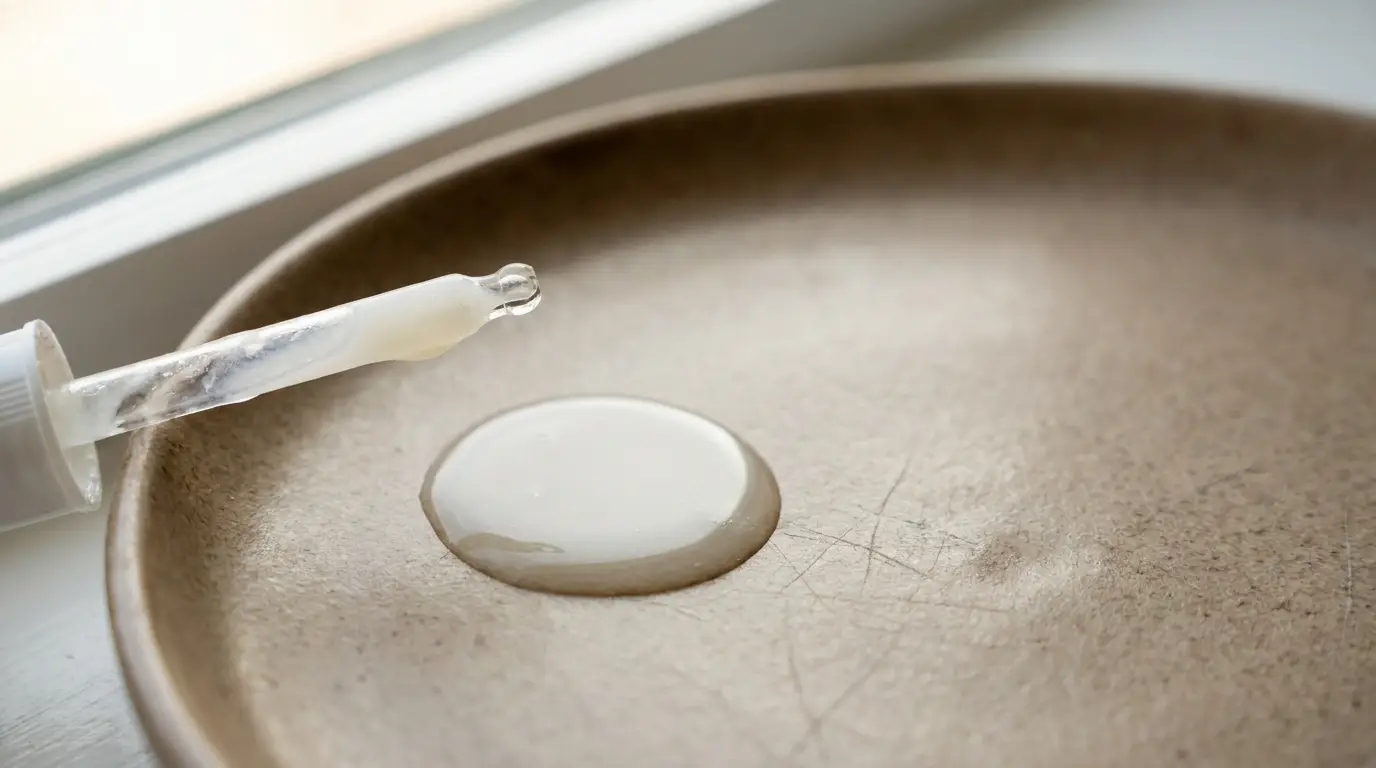
Over the years, formulators have become much better at dispersing zinc oxide particles throughout lightweight systems. Better dispersion means fewer particle clusters, less visible whitening, and a more uniform protective film across the skin.
That might sound like a small improvement, but it changes everything.
Encapsulation technologies have pushed things even further. By coating zinc oxide particles with skin-friendly materials such as jojoba esters, formulators have improved spreadability while reducing the chalky feel that many people still associate with mineral sunscreen.
When you put those advances together, the idea of a mineral sunscreen serum suddenly makes sense.
A few years ago, it would have sounded ambitious.
Today, it feels like the natural direction for the category.
And I have a feeling we’re only getting started.
Zinc Oxide Still Does What It Has Always Done
One thing that hasn’t changed through all of this is zinc oxide itself.
If anything, this new generation of products is a reminder of why formulators have trusted it for so long.
Zinc oxide continues to be one of the few mineral UV filters that provides broad-spectrum protection against both UVA and UVB radiation. That’s a big reason it remains the backbone of so many mineral sunscreen formulations.
I also think there’s a misconception that zinc oxide works simply by reflecting sunlight away from the skin.
That idea has been around for years, but we now know the science is more nuanced. When UV radiation reaches zinc oxide particles, most of the energy is absorbed and converted into a very small amount of heat. Some light is scattered as well, but absorption does most of the heavy lifting.
Another reason I keep coming back to zinc oxide is its photostability.
Some UV filters lose effectiveness as they’re exposed to sunlight. Zinc oxide doesn’t have that problem. It continues providing protection throughout sun exposure, which is one of the reasons formulators continue to rely on it.
So while the textures have become lighter and more elegant, the ingredient itself is still doing exactly what it has always done. It’s simply being presented in a much better way.
Why Serum Formats Make so Much Sense
If you ask me, the popularity of sunscreen serums has very little to do with trends.
It’s really about habits.
Most of us don’t want another step in our skincare routine. We want products that fit naturally into the routine we already have.
That’s why serum textures feel so intuitive.
They spread easily, absorb quickly, and layer comfortably with moisturizers, makeup, and the rest of our skincare. Instead of feeling like a separate product we have to remember, they become part of the routine almost without thinking about it.
I’ve also noticed that many of these formulations include ingredients we’re already familiar with from skincare, things like hyaluronic acid, ceramides, niacinamide, and vitamin C.
That combination makes sunscreen feel less like a protective barrier and more like a skincare product that happens to include SPF.
For anyone who has avoided mineral sunscreen because it felt too thick or left a white cast, these newer formulations tell a completely different story.
A New Generation of Mineral Sunscreen
The latest product launches make one thing clear.
Brands aren’t just trying to improve protection anymore. They’re working just as hard on the experience of wearing sunscreen.
A good example is Tower 28 SOS FaceGuard SPF 30, introduced in 2025. It combines zinc oxide protection with a lightweight texture designed specifically for sensitive and acne-prone skin.
I don’t think that’s an isolated example.
It’s part of a much bigger shift happening across the industry.
Consumers still expect reliable UV protection. That’s non-negotiable. But they also expect products to disappear into the skin, work well under makeup, and feel comfortable enough to wear every day.
When those expectations are met, people are far more likely to apply sunscreen consistently.
And ultimately, that’s what matters most.
The Future of Weightless SPF
When I think back to the mineral sunscreens many of us used years ago, the difference is remarkable.
The thick textures and noticeable white cast that once defined the category are no longer inevitable. Advances in dispersion technology, encapsulation, and formulation science have changed what’s possible.
What’s interesting is that zinc oxide itself hasn’t changed.
We’ve changed.
We’ve become better at understanding how the particles behave, how they interact with different formulation systems, and how to build products that allow them to perform without compromising aesthetics.
I think that’s the real story behind mineral sunscreen serums.
It isn’t about replacing zinc oxide with something new. It’s about getting more out of an ingredient we’ve trusted for decades.
And if the products launched over the last year are any indication, we’re only beginning to see what’s possible.