

“Celebrity smile” usually means white, even teeth that photograph well from every angle. For years, veneers carried most of that image. They can change color and shape quickly when the teeth underneath are healthy enough to support them.
That option makes little sense for someone whose teeth are loose, heavily restored, or repeatedly infected. Insights from clinicians at the Orto Nova clinic helped inform this article, especially the distinction between improving sound teeth and rebuilding an arch that can no longer support predictable restorative work.
Full-arch implants have widened the range of patients who can receive a fixed, carefully designed smile. They are not a fashionable substitute for veneers. They belong to a different category of treatment, with surgery, healing, maintenance, and a much higher threshold for removing natural teeth.
Veneers and Full-Arch Implants Solve Different Problems
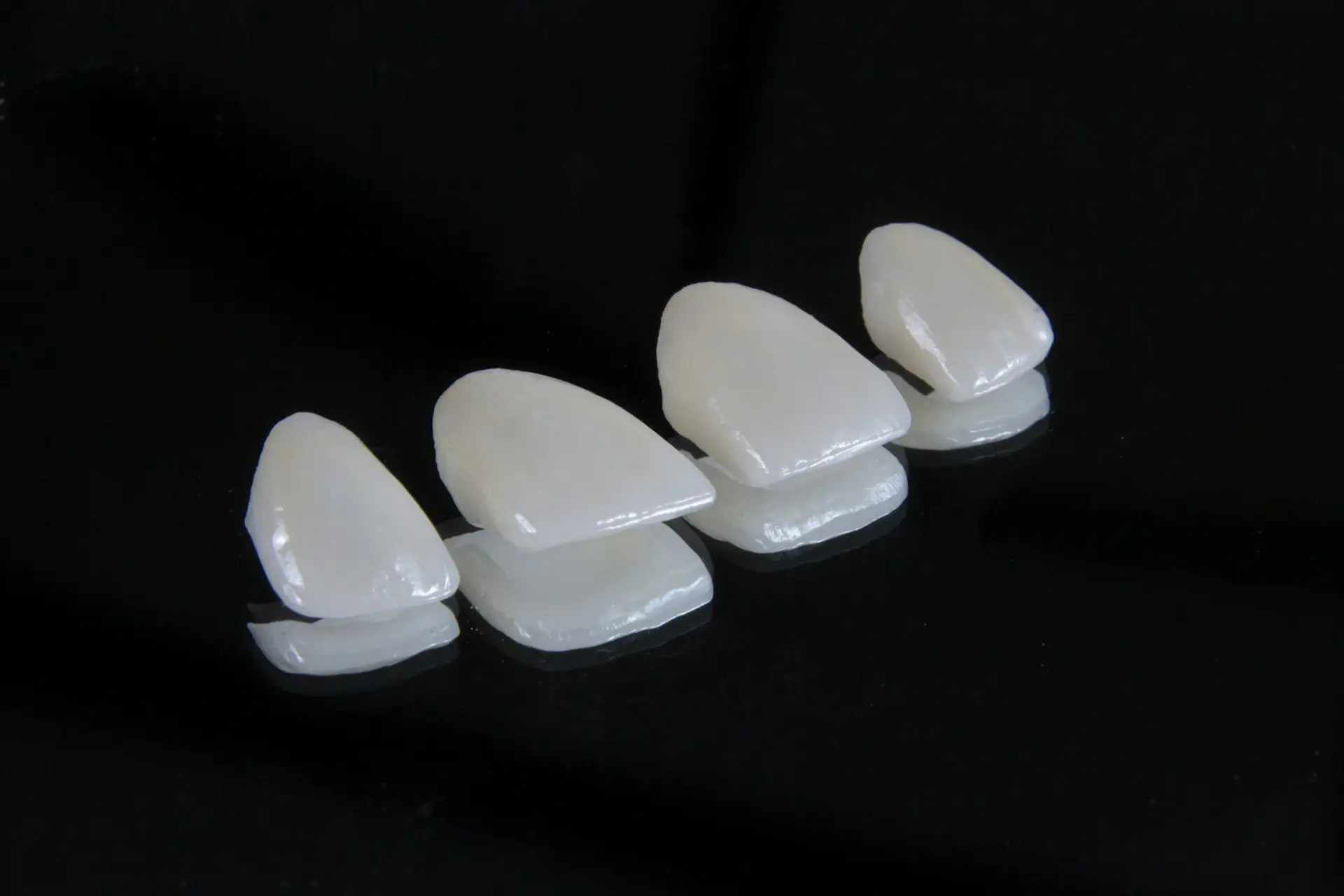
Veneers cover the visible surfaces of existing teeth. A dentist may use them to address stubborn discoloration or unwanted proportions. The roots, bone, and gum support remain part of the final result. If that foundation is healthy, replacing the teeth with implants would be needlessly aggressive.
When several teeth have lost reliable bone support or cannot be restored predictably, the clinical discussion changes from cosmetic resurfacing to full-arch reconstruction. An All-on-6 design may be considered at that stage, depending on the available bone and the planned tooth position. The decision still begins with whether the remaining teeth can be saved.
The distinction gets blurred online because both treatments can create a dramatic visual change. Before-and-after photographs reduce everything to tooth color and alignment. They rarely show mobile teeth before surgery or the artificial gum hidden beneath the upper lip afterward.
Healthy natural teeth should stay when they have a sound long-term outlook. A clinician who recommends full extraction because veneers would be difficult is not offering a premium upgrade. Extraction is permanent, and implant treatment introduces its own biological and mechanical risks.
The “New Teeth in a Day” Are Usually Provisional
Patients often leave surgery with a fixed set of teeth. Those teeth are generally temporary. They allow the implants to heal while the patient speaks and eats within the limits set by the surgical team.
The provisional bridge is useful for more than appearance. A tooth that looks elegant on a digital rendering may feel too long once the patient speaks for an hour. Lip support can seem right from the front and heavy in profile. Small adjustments during this stage give the dentist information for the definitive restoration.
Healing does not follow a celebrity schedule. A publicity event or filming date cannot force bone to respond faster. The patient may need a soft diet for a period, and the final bridge may come months later. Anyone considering treatment before a wedding or major appearance needs enough time for an unplanned adjustment.
Immediate loading also depends on implant stability and the patient’s clinical condition. Some cases require a different sequence. A promise of fixed teeth on the day of surgery should remain conditional until the dentist has examined the mouth and reviewed three-dimensional imaging.
The Smile Is Designed Before the Implants Go In

Before the first implant enters bone, the team should know where the future teeth need to be. Starting with implant positions can leave the restorative dentist trying to hide poor angles inside a bulky bridge.
Facial support deserves close attention after years of tooth and bone loss. The upper lip may have lost support as the ridge receded. A full-arch prosthesis can replace some of that missing volume, but too much artificial gum may make the mouth look full or affect speech. These decisions are prosthetic decisions, even though surgery must accommodate them.
The smile line matters too. A patient who exposes very little gum has more tolerance for the junction between natural tissue and prosthetic material. A high smile may reveal that line. Its position should be tested while the patient smiles naturally, not while holding an exaggerated pose for a photograph.
Temporary teeth give the patient a chance to judge details that are hard to predict on a screen. Speech is one. Tooth display at rest is another. I would be wary of any process that treats the provisional bridge as a brief inconvenience rather than a useful design stage.
Fixed Teeth Still Need Daily Work
The bridge does not come out at night, which is one reason many patients prefer it. Plaque can still collect beneath it. A regular toothbrush cannot reach every implant surface through the visible side of the restoration.
The underside needs enough space for the patient’s cleaning tools. If the bridge hugs the gums too tightly, access becomes awkward. A large gap creates a different annoyance because food can collect after meals. Good contouring lives somewhere between those two problems, and the answer is different from one mouth to another.
Professional follow-up continues after the final bridge is delivered. The dental team checks the tissues around each implant and monitors bone levels with radiographs when appropriate. The interval depends on the patient’s risk. Someone with a history of gum disease may require closer attention than a patient with consistently healthy tissues.
Repairs also happen above healthy implants. A prosthetic screw may loosen. Tooth material can chip or wear. Full-arch restorations can provide years of dependable use, but describing them as permanent often gives patients the wrong expectation. They are serviceable dental prostheses, not natural teeth that have become immune to damage.
Candidacy Depends on More Than Available Bone
Extraction is irreversible. Before recommending it, the dentist has to judge each remaining tooth and the arch as a whole. A few weak teeth do not always justify removing several stable ones.
General health enters the decision because implant treatment requires surgery and healing. Smoking can raise complication risk. Poorly controlled diabetes may interfere with tissue response. The patient’s medications and medical history need review before treatment dates are discussed.
Personal hygiene is part of candidacy too. A fixed bridge may be a poor fit for someone who cannot clean underneath it and has no help at home. A removable implant overdenture could provide better access in certain cases, even when the patient initially prefers a fixed option.
Bruxism changes the mechanical calculation. Strong restorative materials may resist wear, but they cannot erase excessive force. The clinician may alter the tooth shape or reduce the length behind the final implant. A night guard may be considered after treatment, depending on the case.
Judge the Treatment Beyond the Reveal Photo
The before-and-after photograph is the easiest part to judge. Look at the side view as well. The upper lip should have believable support, and the teeth should not push the mouth into an unfamiliar posture.
Ask what appears beneath the smile. Is the restoration fixed with screws? Can the dentist remove it if a repair becomes necessary? Which implant system was used? Patients should receive those details in writing because another clinic may need them years later.
Cleaning deserves a demonstration before treatment begins. The dentist should show where brushes or other tools will pass beneath the proposed bridge. A vague promise that maintenance is easy is not enough. The patient will perform this work at home, without the clinic’s lighting and suction.
The final fee also needs context. Full-arch care may involve provisional teeth before the definitive bridge. Future service is separate from the original surgery. A warranty can have conditions tied to recall visits, and it may not cover travel or every type of repair.
A celebrity-style smile is an aesthetic description, not a diagnosis. Veneers remain a conservative option for selected healthy teeth. Full-arch implants are for patients facing extensive tooth loss or a terminal dentition. The result can look polished in both cases, but the route to that result could hardly be more different.