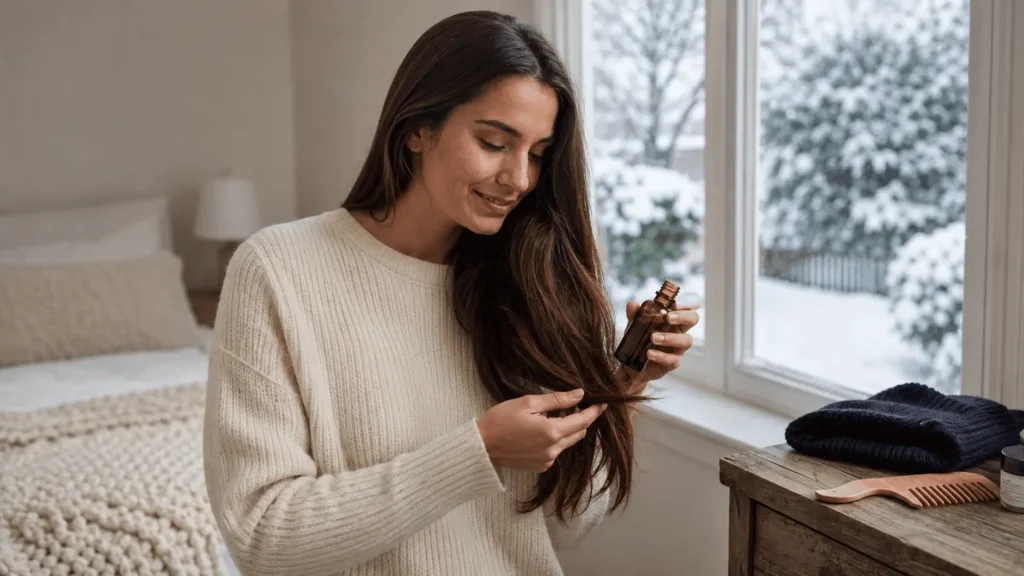
Cold weather can make long hair feel dry, rough, and harder to manage. You may notice more tangles, static, split ends, or an itchy scalp once indoor heating and winter wind become part of your routine.
I have put together practical winter hair care tips that are easy to follow and useful. You will learn how often to wash your hair, which products can help, how to protect your ends, and what to do before wearing hats or stepping outside.
I will also explain ways to reduce breakage, control frizz, care for your scalp, and adjust your routine for different hair types.
The advice is clear, realistic, and based on proven hair care habits rather than quick fixes. By the end, you will have a winter routine that keeps your hair softer, healthier, and easier to handle each day.
Why Winter Weather Damages and Tangles Hair
Winter air contains less moisture, while indoor heating makes the air inside your home even drier. This can remove moisture from your scalp and hair, leaving long strands rough, dull, and more likely to break.
Long hair is especially affected because the ends are older and have already faced years of washing, brushing, heat styling, and sun exposure. Once these ends are dry, they rub together more easily and form knots.
Winter clothing adds another problem. Wool hats, scarves, coat collars, and sweaters create friction around the neck and shoulders.
This can cause static, frizz, tangles, and broken strands. Strong winds may also twist loose hair into tight knots. Adding moisture and protecting your lengths can reduce much of this seasonal damage.
Hair Care Tips for Winter That Protect Hair
Cold air, indoor heating, and winter clothing can leave your hair dry, tangled, and difficult to manage. These winter hair care tips can help protect moisture, reduce breakage, and keep your scalp comfortable.
1. Wash Your Hair Less Often
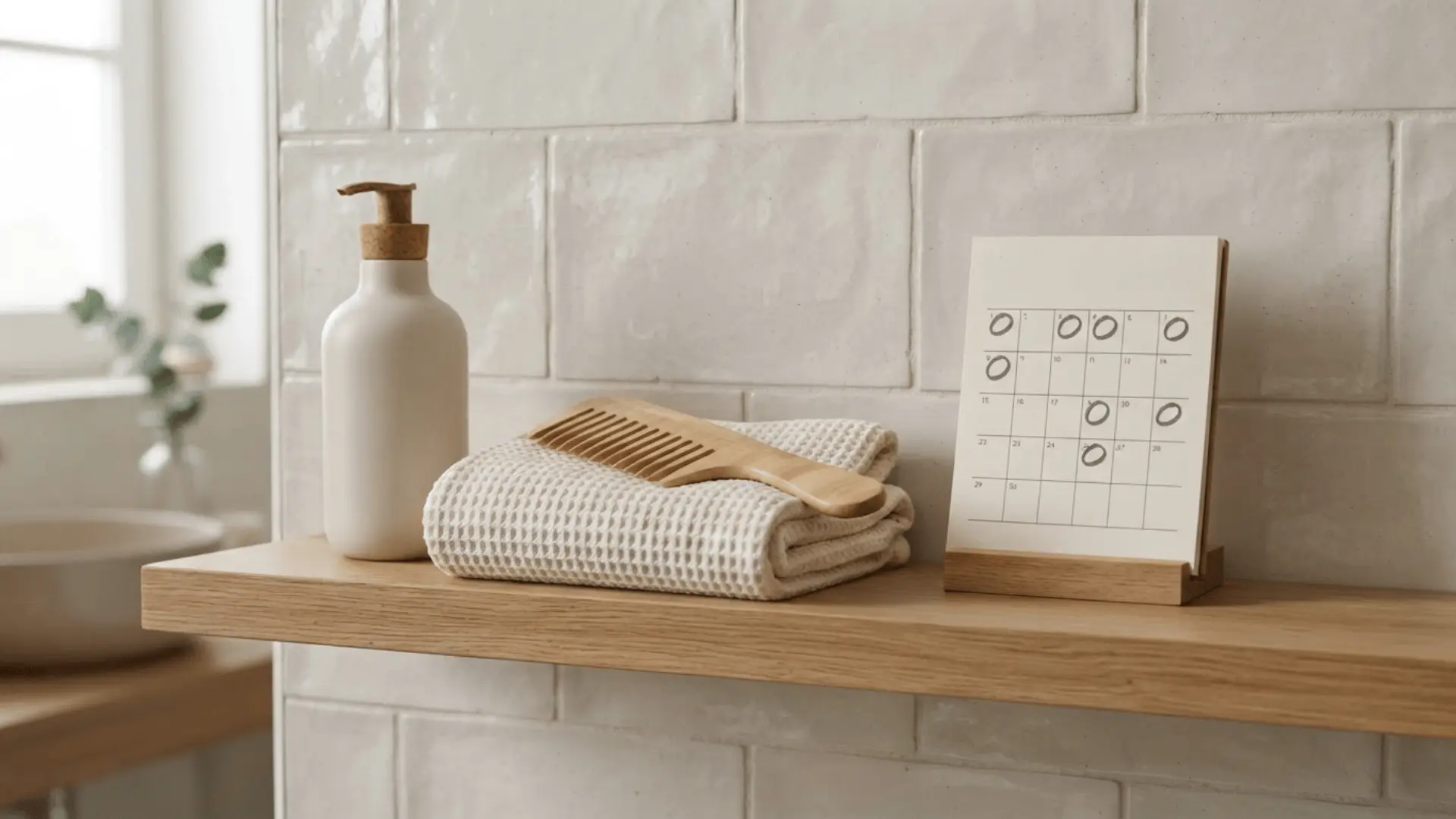
Frequent washing can remove the natural oils that protect your scalp and hair. During winter, try adding an extra day between washes if your scalp does not feel oily or dirty.
Most people do not need to shampoo every day. Focus the shampoo on your scalp, where sweat and product buildup collect, rather than rubbing it through the ends. Let the foam rinse down the hair instead.
This simple change can help prevent dry ends, fading hair color, and an itchy scalp during cold weather.
Use dry shampoo only when needed, since too much can cause scalp buildup.
2. Choose A Moisturizing Shampoo
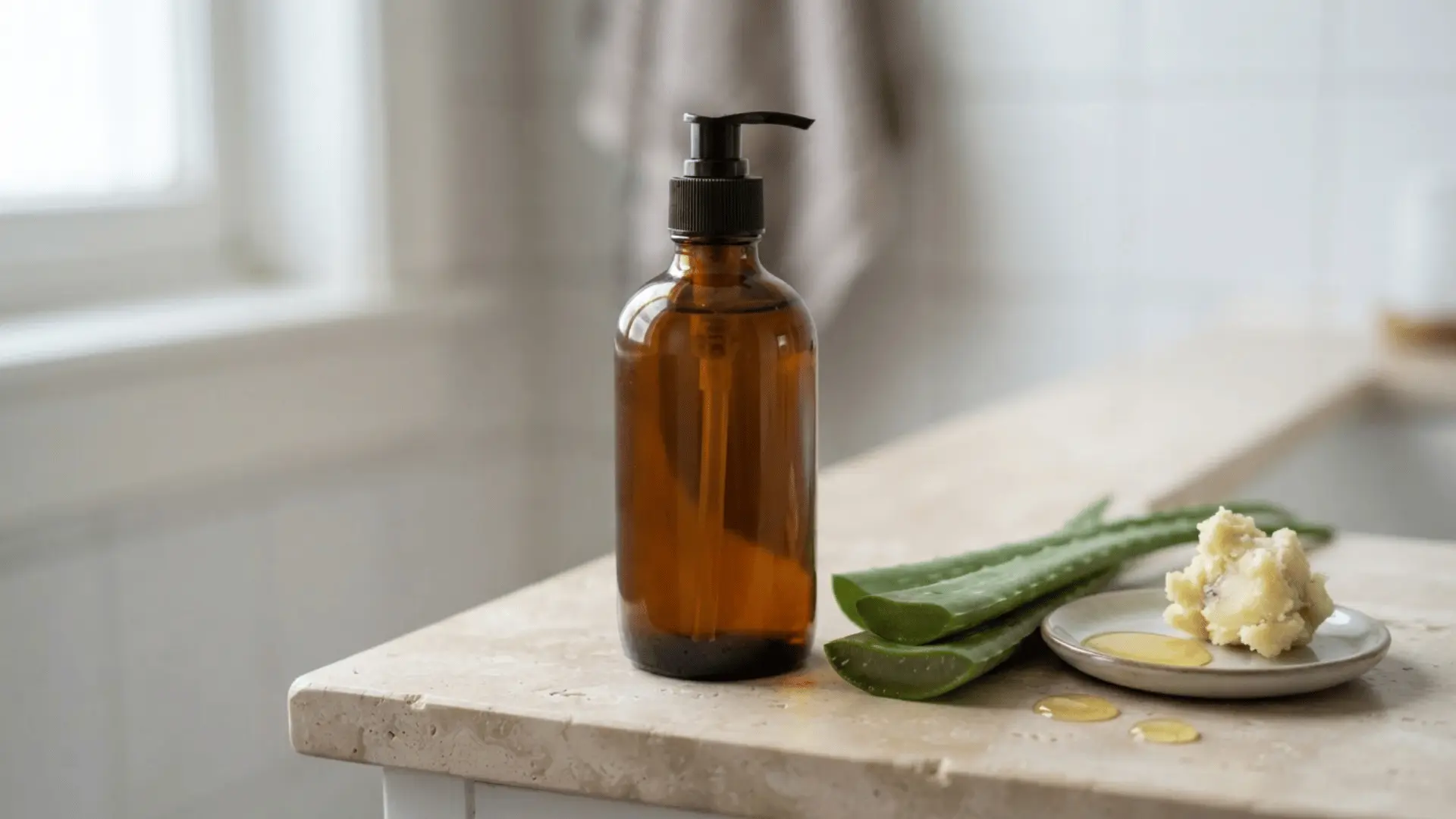
A strong cleansing shampoo may leave your hair feeling rough during winter. Look for a gentle formula made for dry, damaged, curly, or color-treated hair.
Ingredients such as glycerin, aloe vera, shea butter, and plant oils can help hair feel softer after washing. I switched to a moisture-focused shampoo one winter when my ends kept feeling stiff, and the difference was easy to notice.
Avoid using clarifying shampoo too often unless you need to remove heavy product buildup, hard-water minerals, or excess oil.
Look for a shampoo that is:
- Gentle enough for regular use
- Suitable for your hair type
- Free from harsh drying ingredients
- Focused on moisture or scalp comfort
3. Use Conditioner After Every Wash
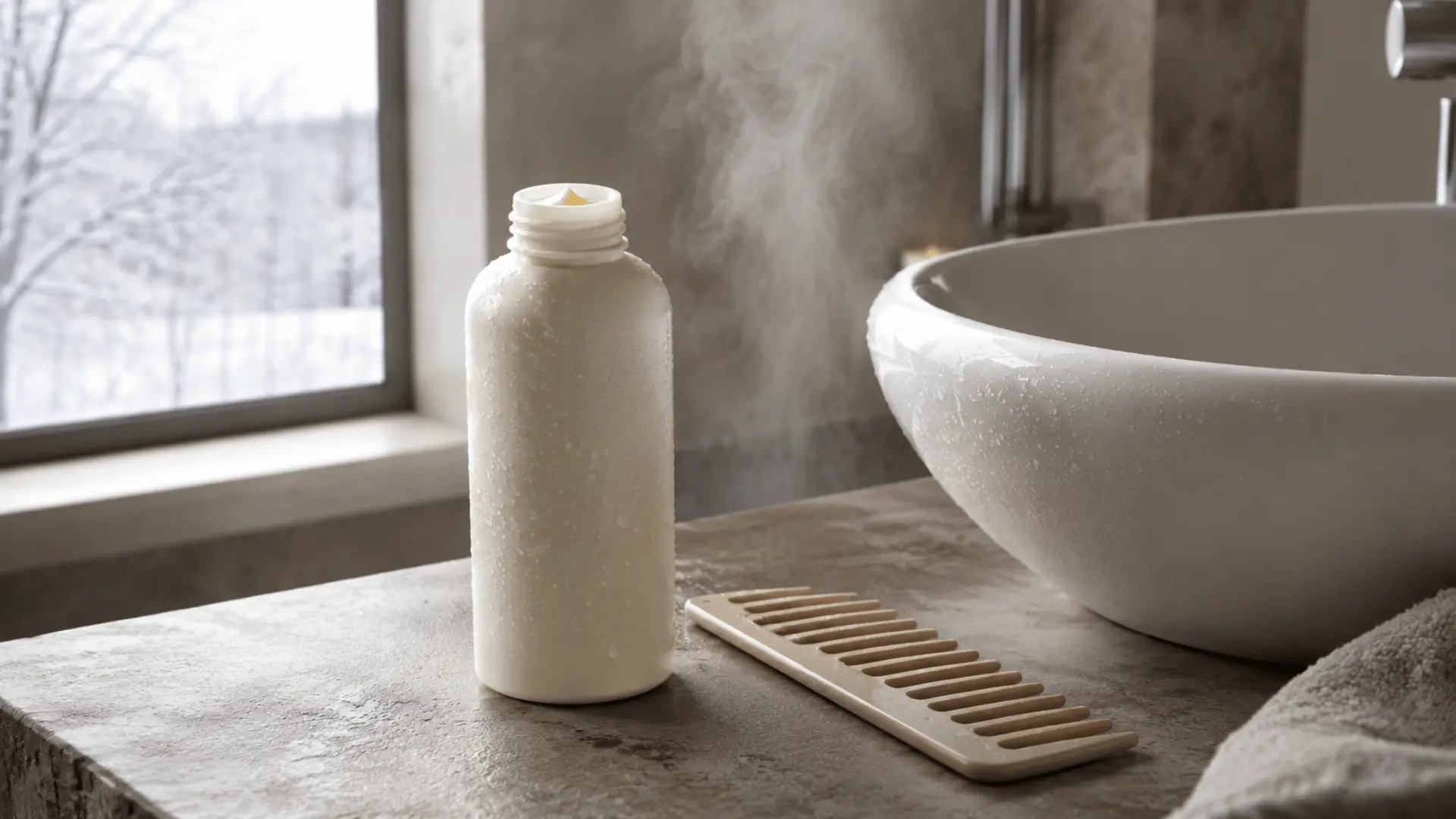
Conditioner is important in winter because it replaces some of the softness lost during shampooing. Apply it from the middle of your hair down to the ends, where dryness and split ends are more common.
Leave it on for two to five minutes before rinsing. Fine hair may need a lightweight conditioner, while thick or curly hair often responds better to a richer formula.
Avoid placing heavy conditioner directly on oily roots. Regular conditioning also makes detangling easier, so you are less likely to pull, snap, or damage wet strands.
Squeeze out extra water before applying conditioner so the product does not slide off.
4. Add A Weekly Deep Conditioning Treatment
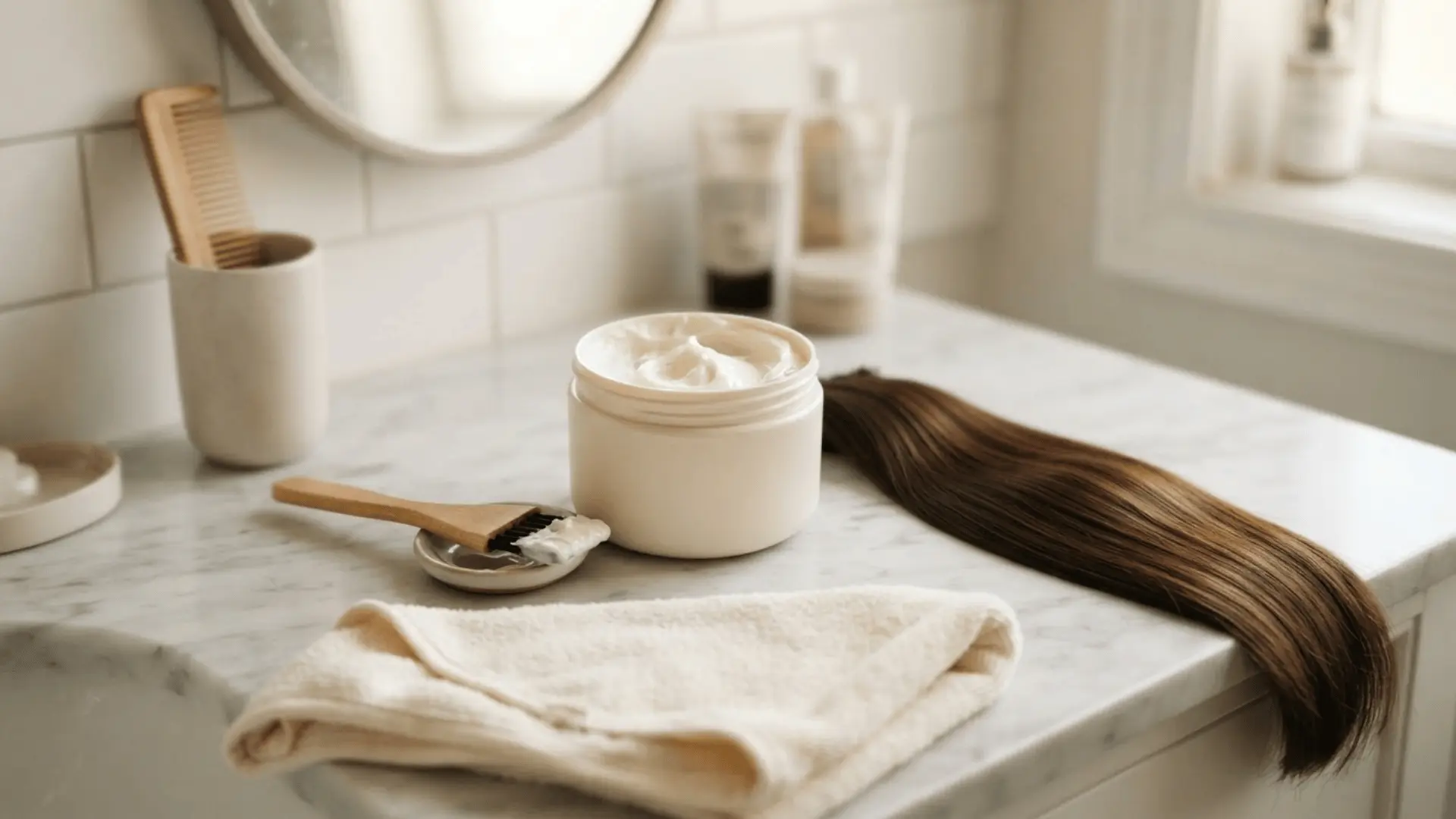
Regular conditioner may not be enough when hair feels rough, frizzy, or hard to comb. A deep-conditioning mask adds more moisture and gives dry ends extra care.
Use it once a week or every two weeks, depending on your hair type. My friend applies her mask before cleaning the bathroom, then rinses it out after ten minutes.
This makes the step easy to remember. Follow the product directions, since leaving a mask on longer does not always give better results and may weigh down fine hair.
A winter hair mask can help with:
- Dry and rough ends
- Frizz and flyaways
- Tangling after washing
- Damage from heat styling
5. Avoid Washing With Very Hot Water
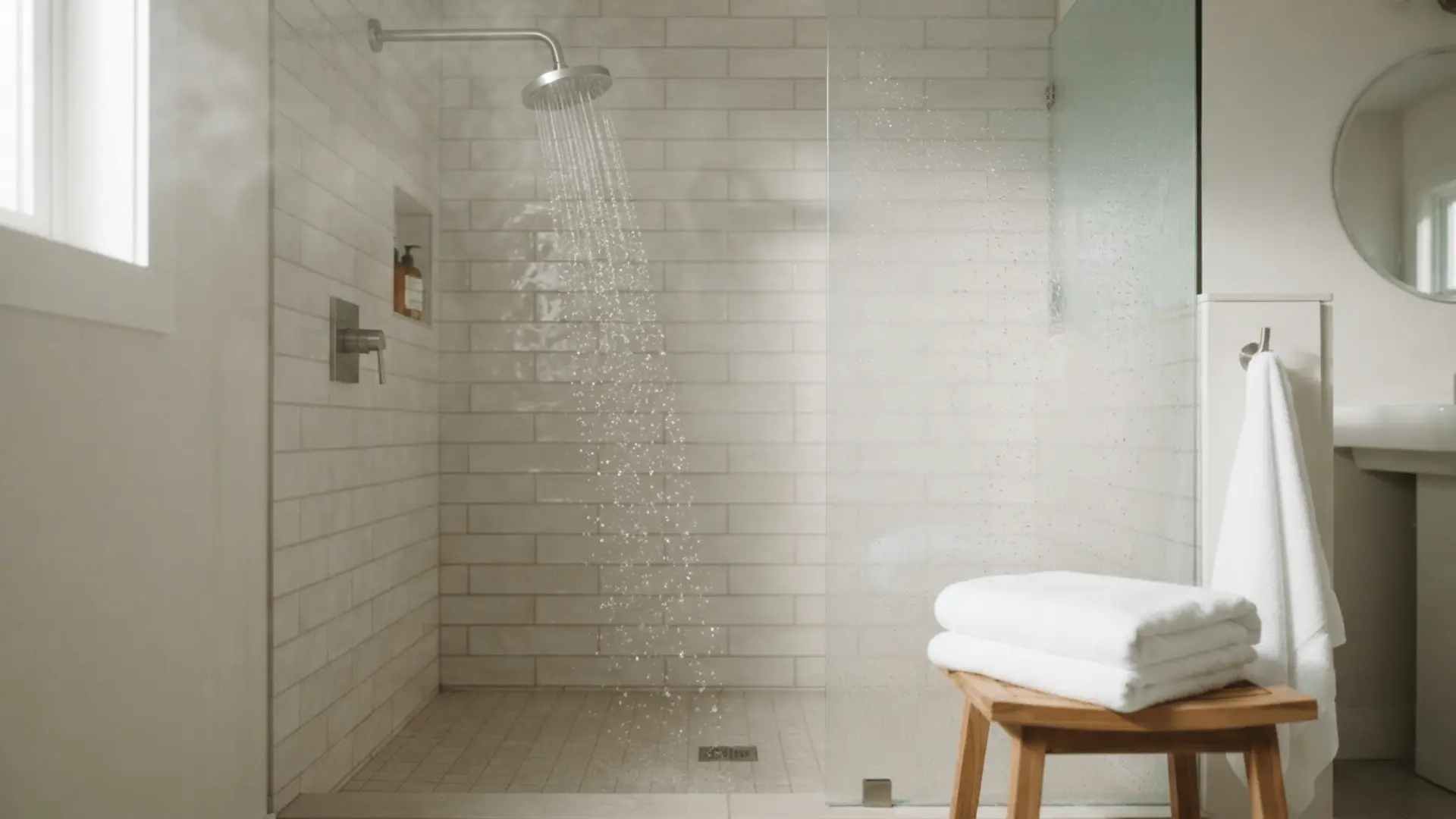
A hot shower can feel good on a cold day, but it may leave your scalp and hair feeling drier. Very hot water can remove protective oils and make the outer layer of the hair feel rough.
Use lukewarm water when shampooing and conditioning instead. You do not need to take a cold shower. Simply lower the temperature when rinsing your hair.
A cooler final rinse may also help the hair feel smoother and reduce winter frizz. Test the water with your wrist. It should feel warm, not hot or uncomfortable.
6. Dry Your Hair Before Going Outside
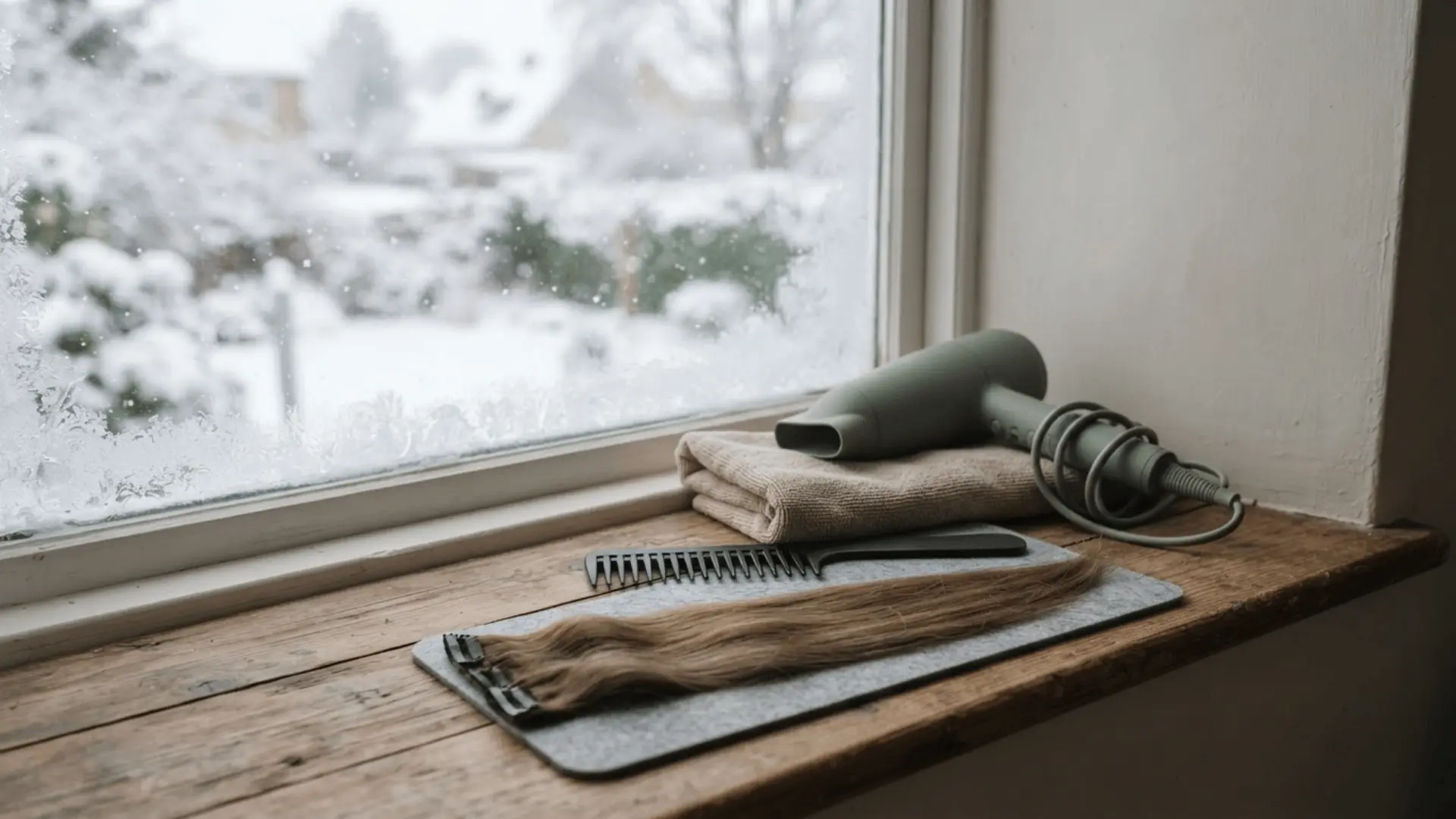
Leaving home with wet hair is a common winter mistake. Damp strands are more fragile and can stretch, tangle, or break when rubbed by hats and coats.
In very cold weather, the water inside the hair may also freeze, making the strands feel stiff and harder to manage. Wash your hair earlier in the day when possible.
If you need to use a blow-dryer, apply heat protectant and set it to low or medium. Make sure the roots and lengths are fully dry before stepping outside.
Try these faster drying habits:
- Blot hair gently with a microfiber towel
- Avoid rubbing wet hair with a bath towel
- Let hair air-dry partway before blow-drying
- Dry the roots first, then move toward the ends
7. Protect Hair From Heat Styling
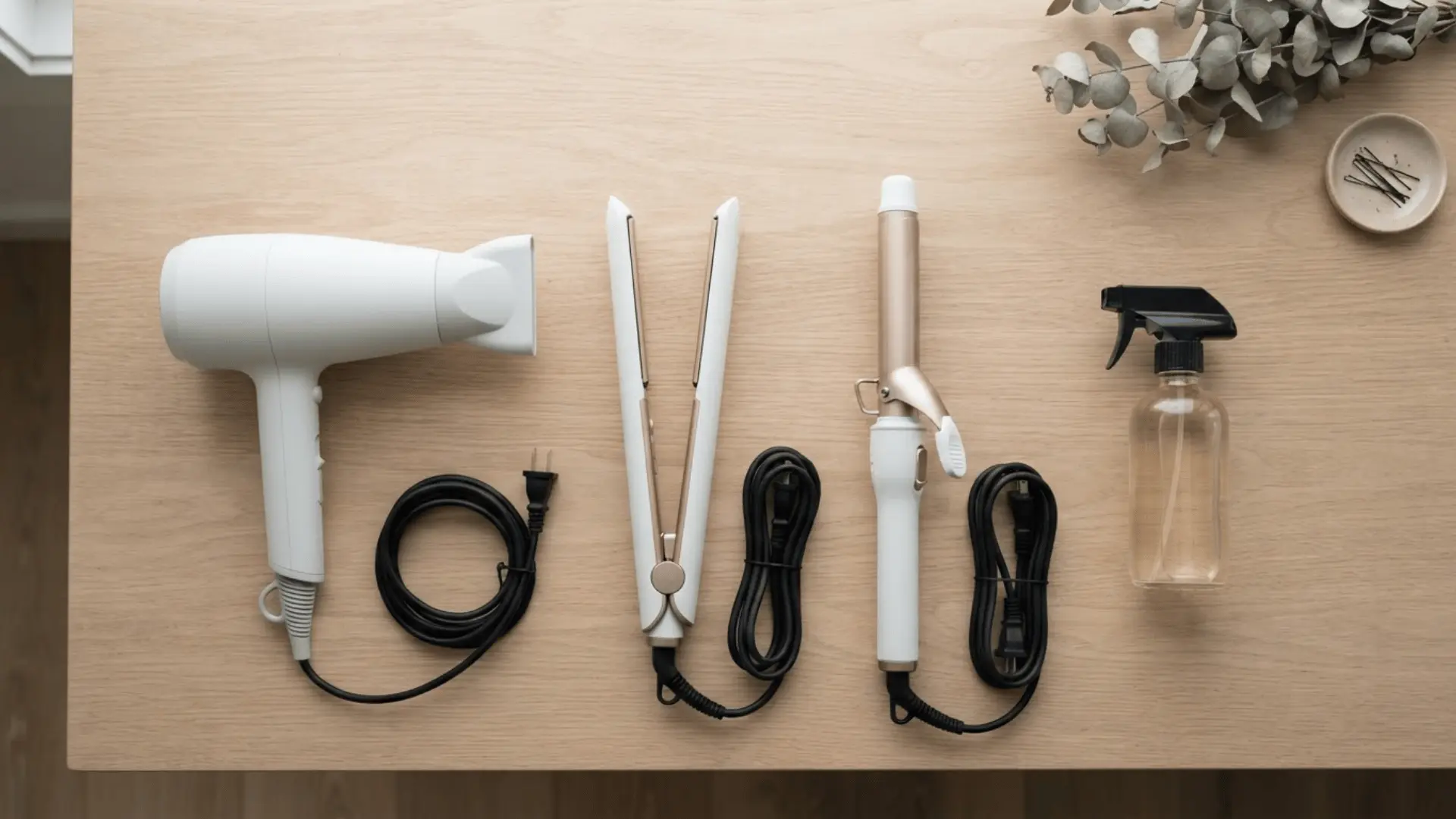
Hair dryers, straighteners, and curling irons can remove moisture from strands that are already dry from winter air. You do not have to stop heat styling completely, but using less heat can reduce breakage.
Apply heat protectant from the middle of the hair to the ends before using any hot tool. Choose the lowest temperature that still gives the result you need.
Avoid passing a straightener over the same section more than once. Heatless curls, loose braids, and simple buns can also reduce styling time and damage.
Give your hair at least two heat-free days each week when possible.
8. Wear Hair-Friendly Winter Hats
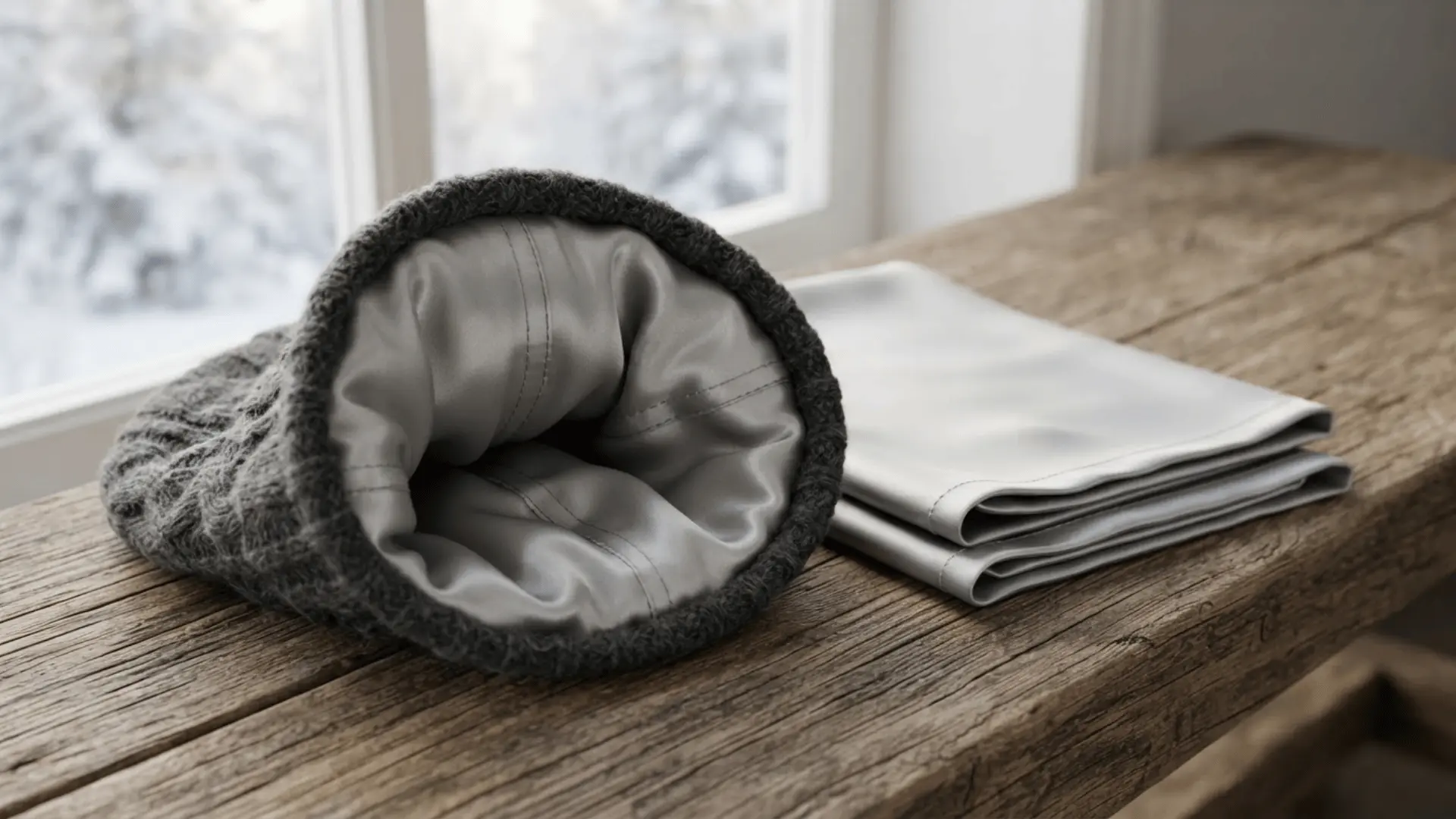
Wool and rough synthetic hats can rub against hair, causing static, frizz, knots, and broken strands. A silk- or satin-lined hat creates a smoother surface and lowers friction.
You can also tie a satin scarf over your hair before putting on a regular winter hat. Make sure the hat is not too tight around your hairline, since pressure and pulling may weaken fragile strands.
Wash hats often to remove sweat, oil, and product buildup, especially if you wear the same one several days each week.
A better winter hat should:
- Fit without pulling the hairline
- Have a smooth inner lining
- Allow some airflow
- Stay clean and dry
9. Use Protective Hairstyles Outdoors
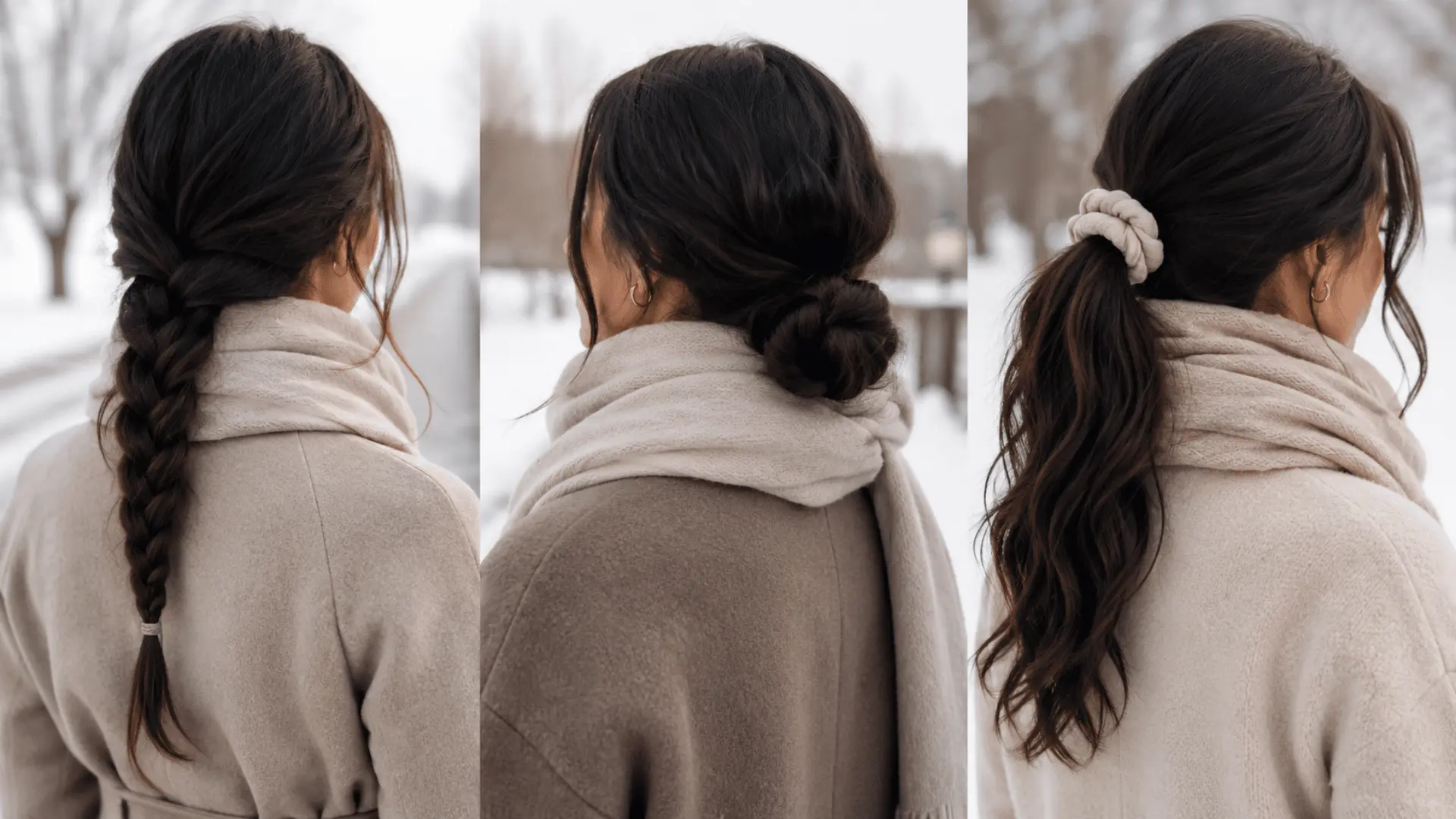
Loose hair can whip around in winter wind and rub against scarves, zippers, and coat collars. This often leads to knots around the neck and broken ends.
Before going outside, place long hair in a loose braid, low bun, or soft ponytail. Avoid tight hairstyles that pull at the roots or cause headaches. Loosen your braid slightly so it protects the hair without creating tension.
Secure the style with a fabric scrunchie rather than a thin elastic band. Tucking the ends away can provide extra protection against cold air and friction without making the hairstyle difficult to remove.
10. Apply Leave-In Conditioner To Damp Hair
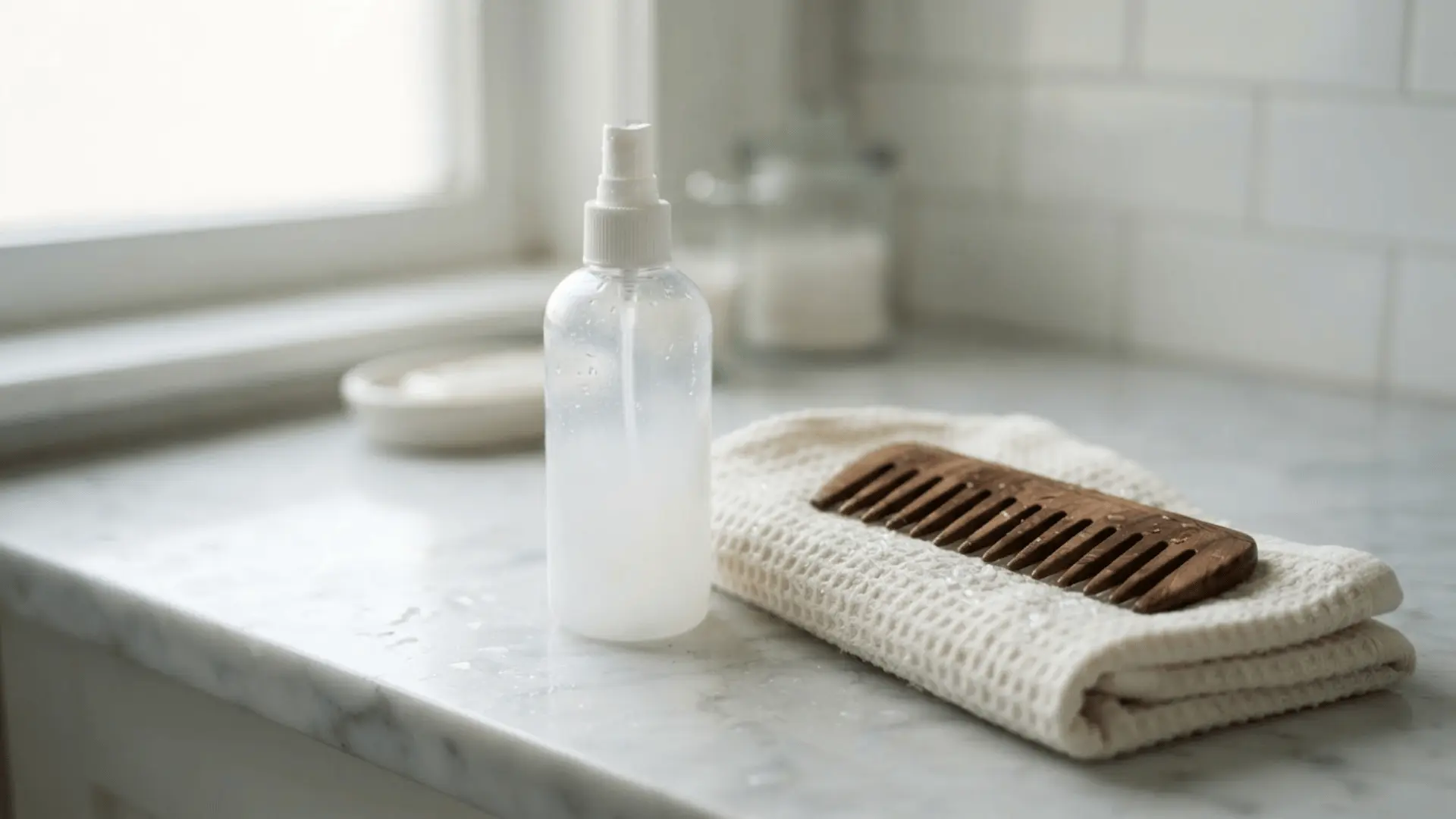
Leave-in conditioner gives hair added moisture after washing and helps control frizz, static, and tangles. Apply a small amount to damp hair, focusing on the lengths and ends.
Fine hair may work best with a light spray, while thick, curly, or coily hair may need a cream. Start with less product and add more only when needed. Too much can make hair look flat or greasy.
A good leave-in product can also make brushing easier and provide a light barrier against dry indoor air.
Leave-in conditioner is helpful before:
- Detangling damp hair
- Blow-drying with heat protection
- Wearing hair under a hat
- Styling curly or textured hair
11. Seal Dry Ends With A Light Hair Oil
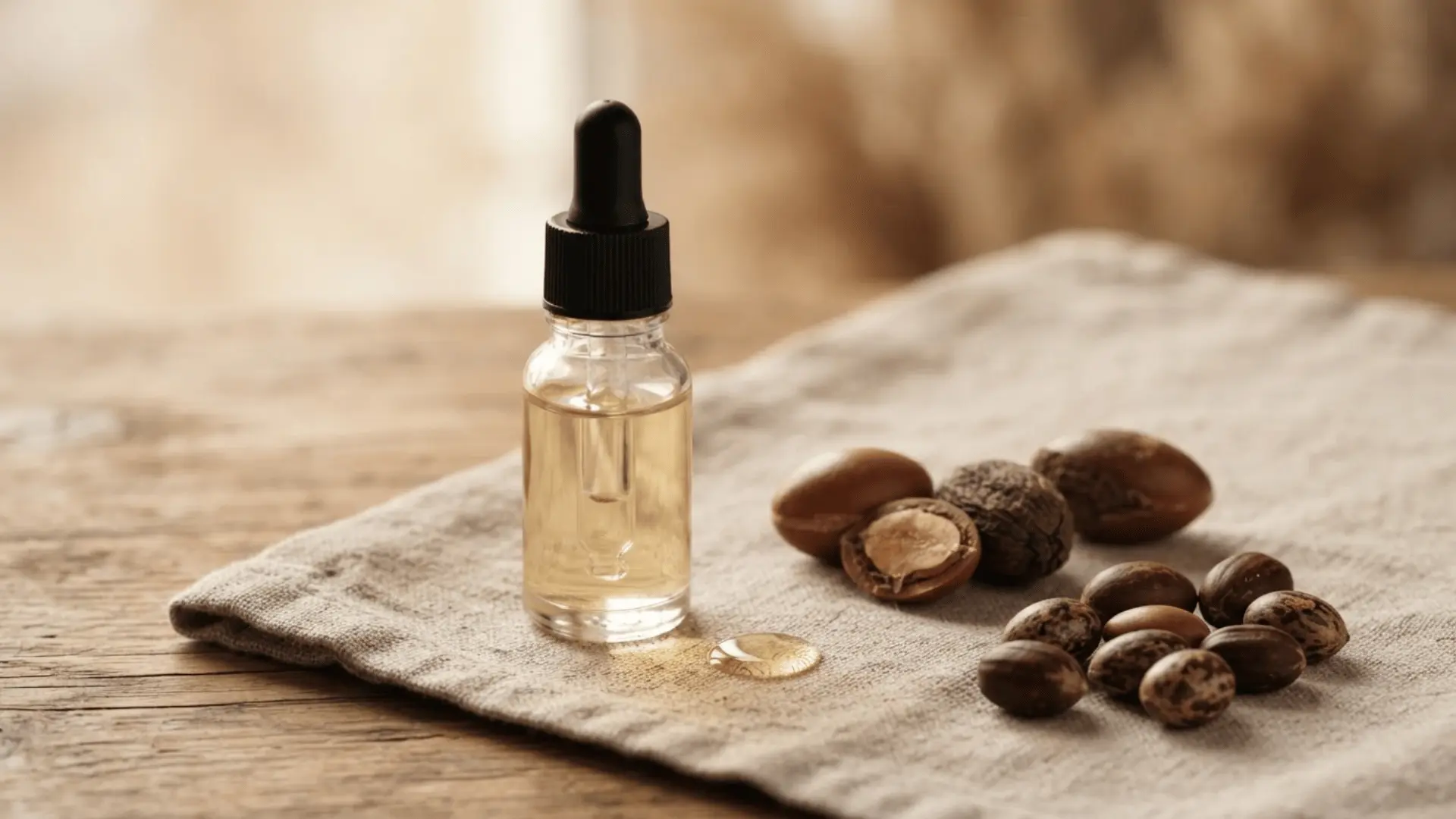
Hair oil can smooth rough ends and reduce the look of flyaways, but it works best after adding moisture. Apply one or two drops to the ends after using leave-in conditioner.
Argan, jojoba, and lightweight silicone-based serums are common options. Rub the product between your palms before touching your hair so it spreads evenly.
Avoid pouring oil directly onto the scalp unless the product is designed for scalp use. Oil can help seal in moisture, but it cannot repair split ends or replace regular conditioning.
Apply leftover oil from your hands to flyaways instead of adding another full drop.
12. Detangle Hair Before Washing
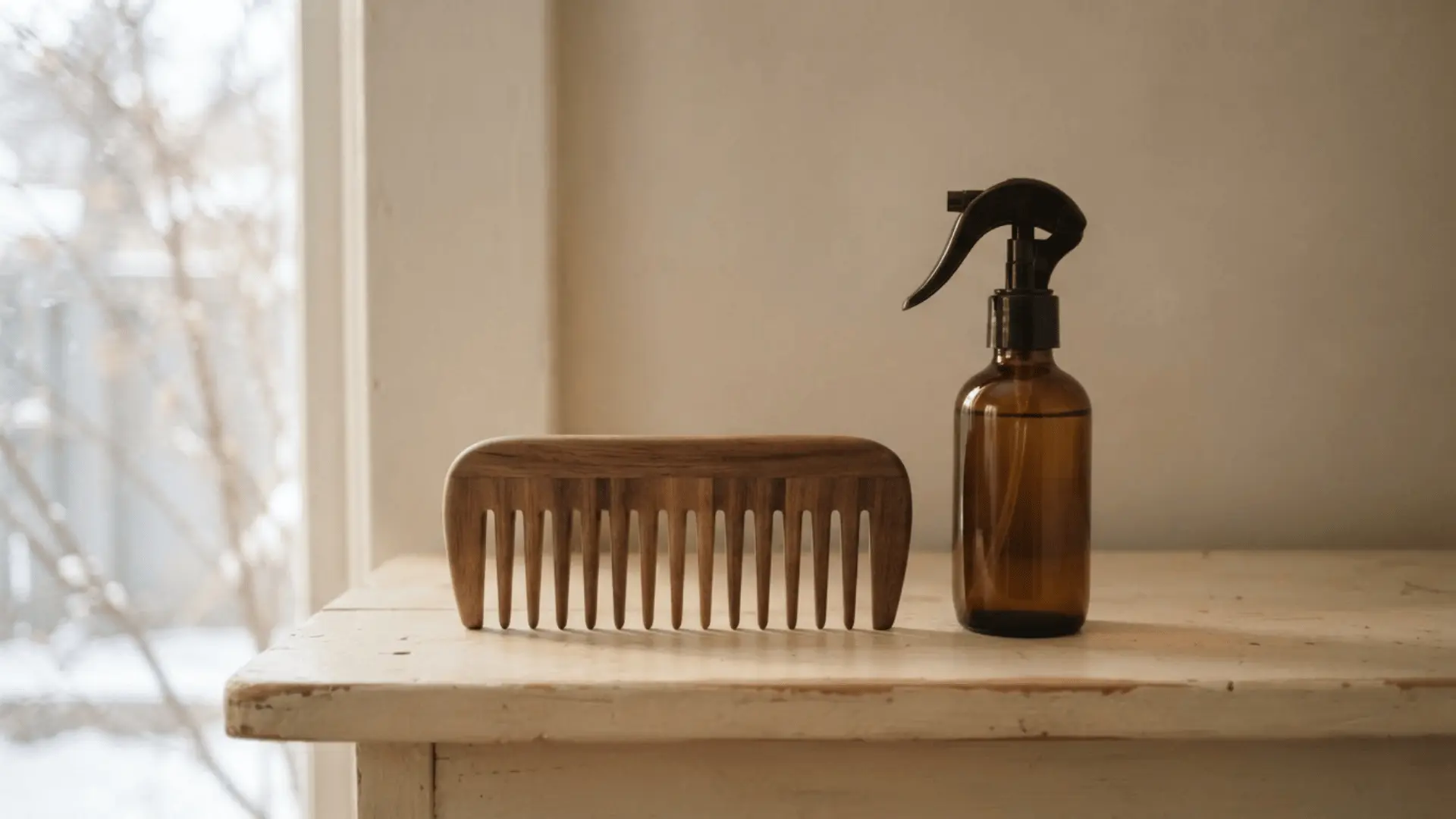
Knots can tighten when hair is wet, making them harder to remove without pulling or snapping strands. Gently detangle your hair before entering the shower.
Start at the ends with a wide-tooth comb, then work upward in small sections. Hold the hair above each knot to reduce pressure on the scalp.
Apply a small amount of detangling spray to stubborn areas instead of forcing the comb through. This habit can make washing easier and reduce breakage during shampooing.
13. Sleep On A Satin Or Silk Pillowcase

Cotton pillowcases can absorb moisture and create friction as your hair moves during sleep. A satin or silk pillowcase provides a smoother surface that may reduce tangles, static, and rough-looking ends.
Spread long hair above the pillow or secure it loosely before bed. Avoid sleeping with wet hair because damp strands are more fragile and may form tight knots overnight.
Wash your pillowcase regularly to remove scalp oil, sweat, and leftover styling products.
14. Add Moisture To Indoor Air
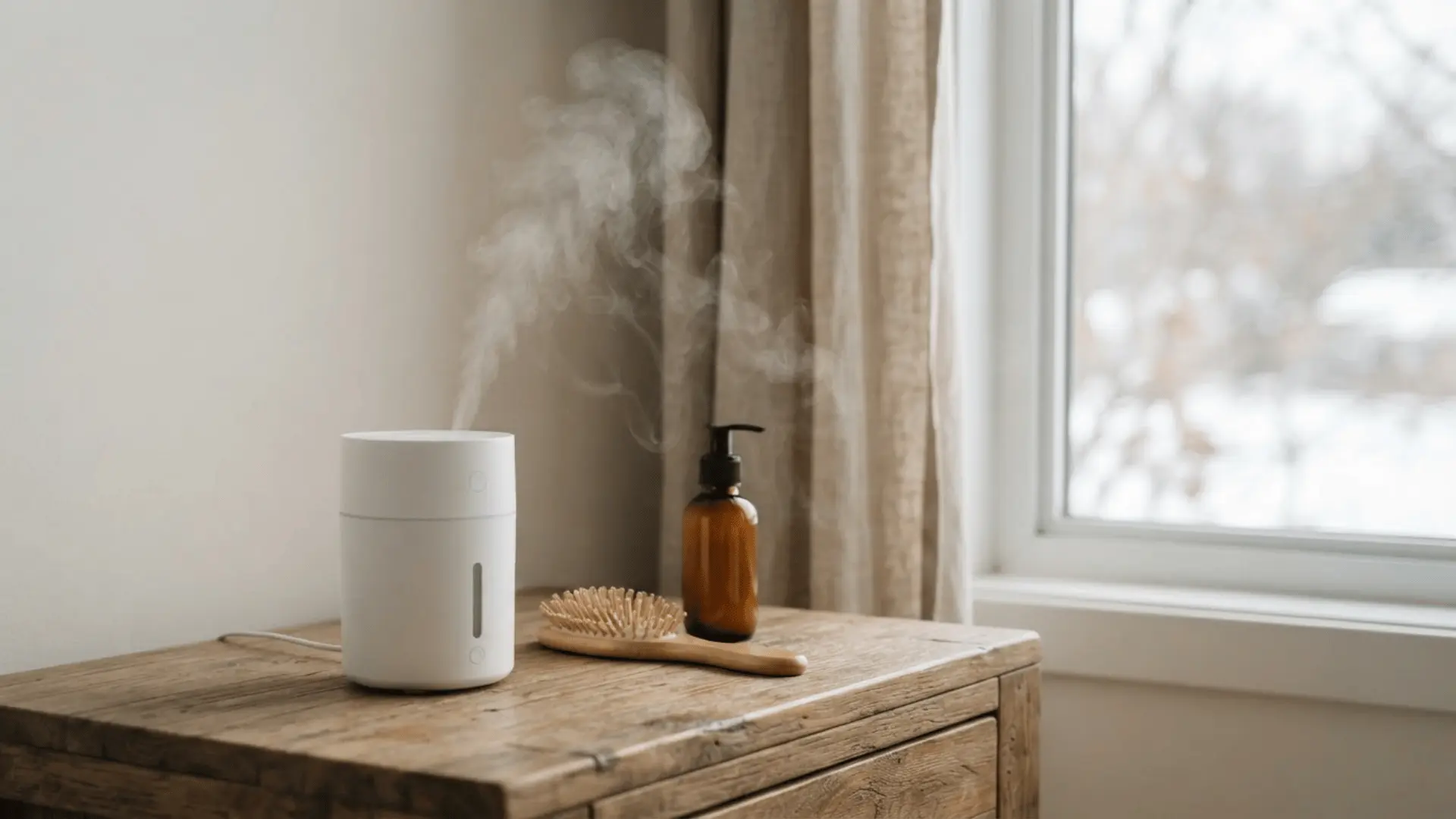
Central heating and space heaters can make indoor air very dry, which may increase static and leave hair feeling rough. Using a humidifier in your bedroom or work area can help maintain a more comfortable moisture level.
Place the unit away from walls, bedding, and wooden furniture. Empty and clean it according to the manufacturer’s directions to prevent mineral deposits and mold.
A humidifier may also help reduce dry skin, an itchy scalp, and brittle-feeling ends during winter.
15. Trim, Split, and Damaged Ends
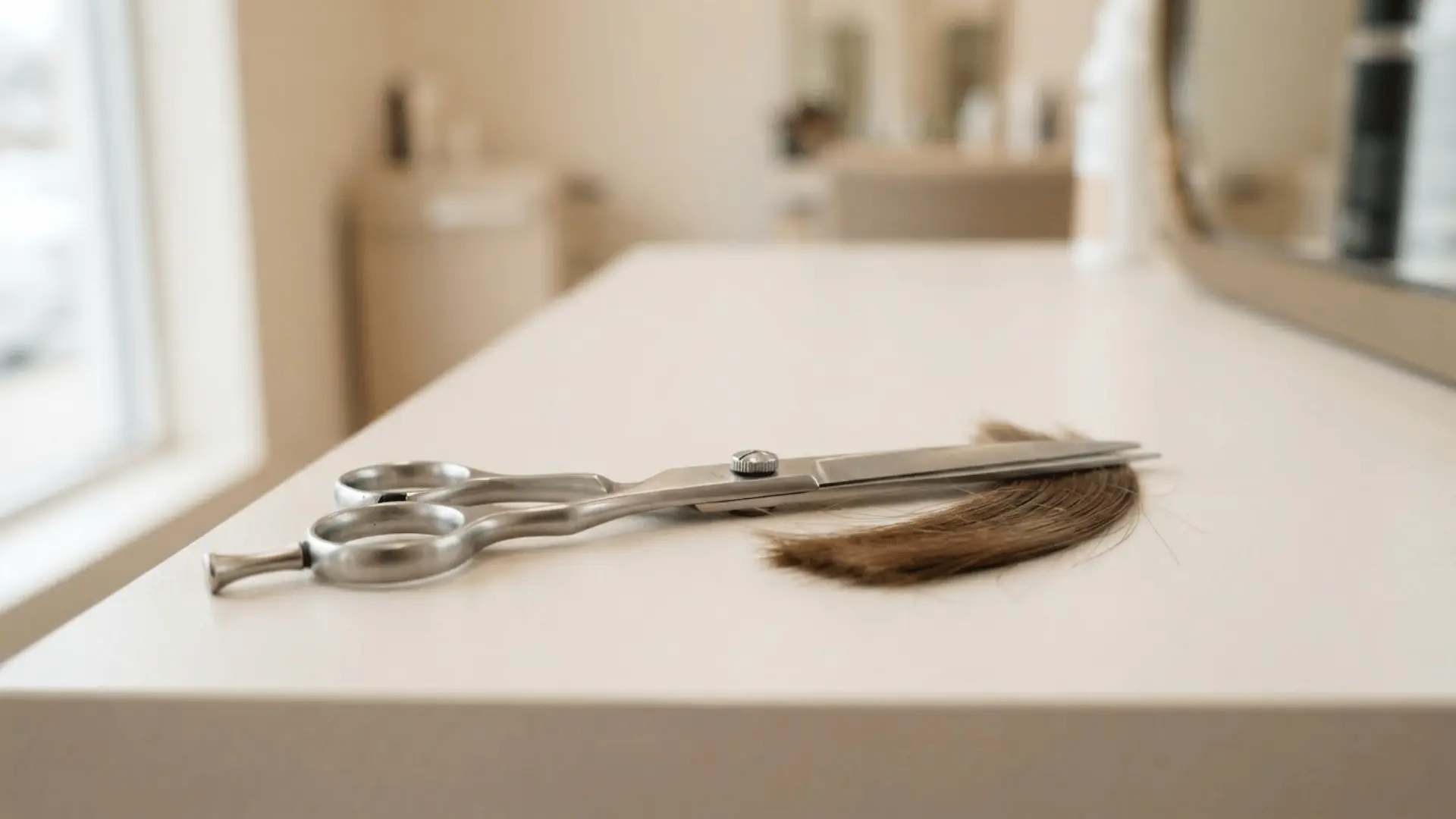
Split ends may continue moving upward if they are not removed. Hair masks, oils, and serums can make damaged ends look smoother, but they cannot permanently join split strands together.
Check the bottom few inches of your hair for thinning, white dots, or forked ends. Ask for a light trim when the damage becomes noticeable.
Regular trimming can keep long hair looking fuller and make it easier to comb. The timing depends on your hair condition, length goals, and styling habits.
16. Treat Scalp Flakes Based on their Cause
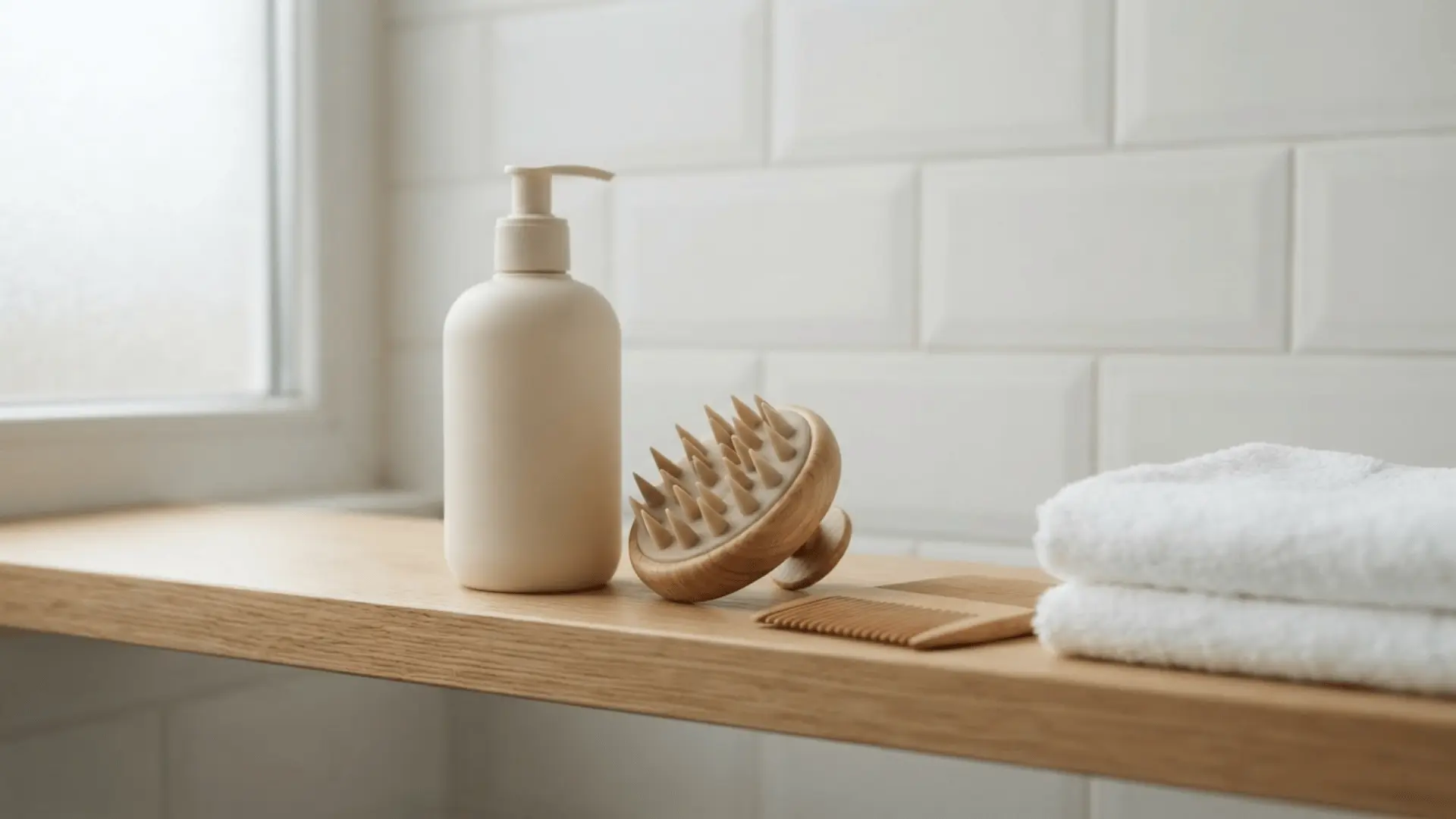
Winter flakes may come from simple dryness, product buildup, dandruff, or another scalp condition. Avoid scratching with your nails because this can irritate the skin and damage hair near the roots.
Rinse shampoo and styling products thoroughly, and avoid applying heavy oils unless you know what is causing the flakes. An anti-dandruff shampoo may help some scalp conditions when used as directed.
Speak with a dermatologist if flaking is accompanied by redness, sores, pain, severe itching, or sudden hair loss.
17. Clean Your Hair Tools Regularly
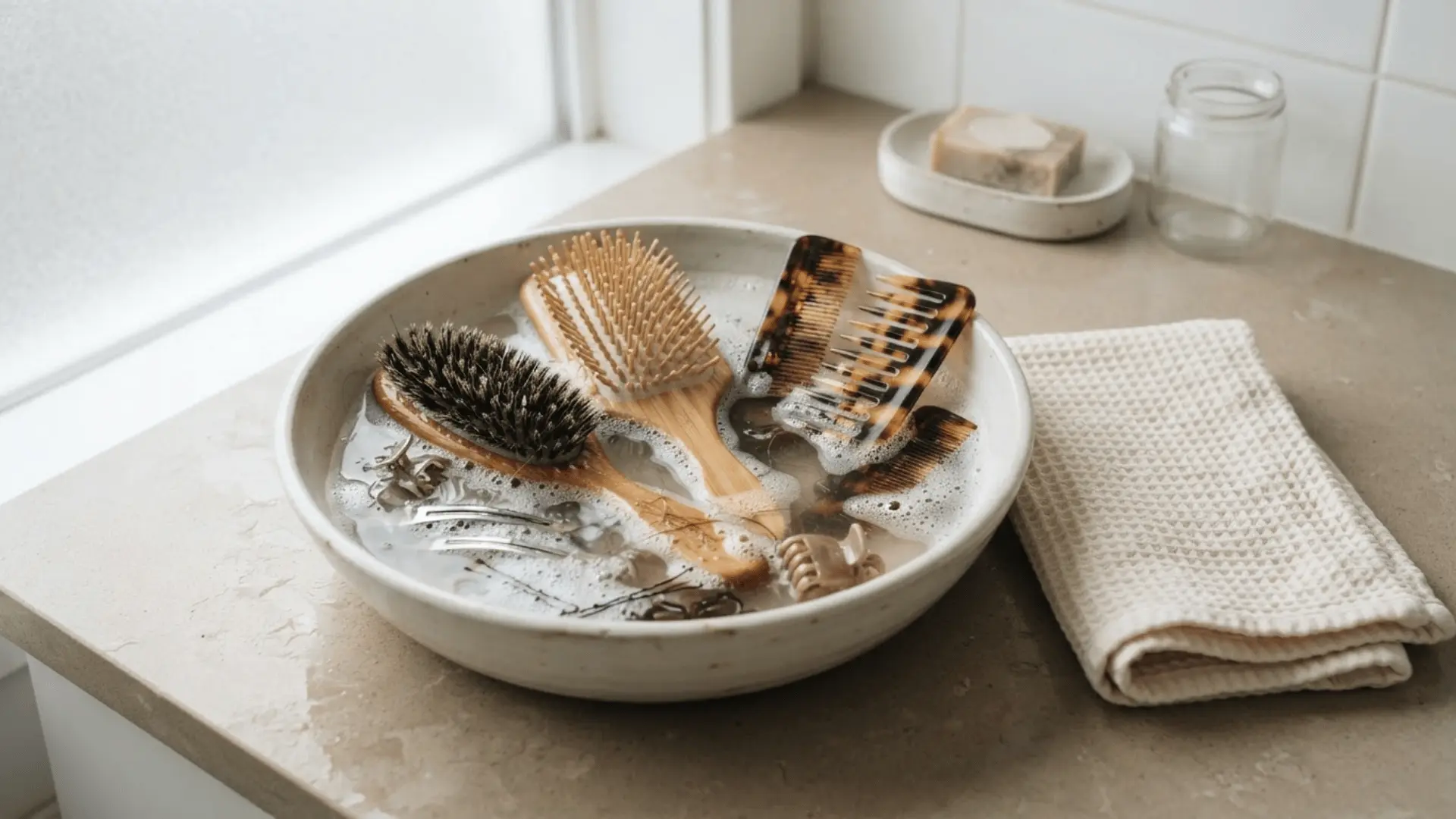
Brushes, combs, clips, and styling tools collect loose strands, oil, dust, and product residue. Dirty tools can return this buildup to clean hair and may make the scalp feel greasy sooner.
Remove trapped hair from brushes after each use. Wash plastic combs and suitable brushes with gentle soap and warm water, then allow them to dry fully.
Wipe heat tools only after they are unplugged and completely cool. Replace brushes with broken bristles or rough edges that catch and tear strands.
18. Limit Chemical Treatments During Winter
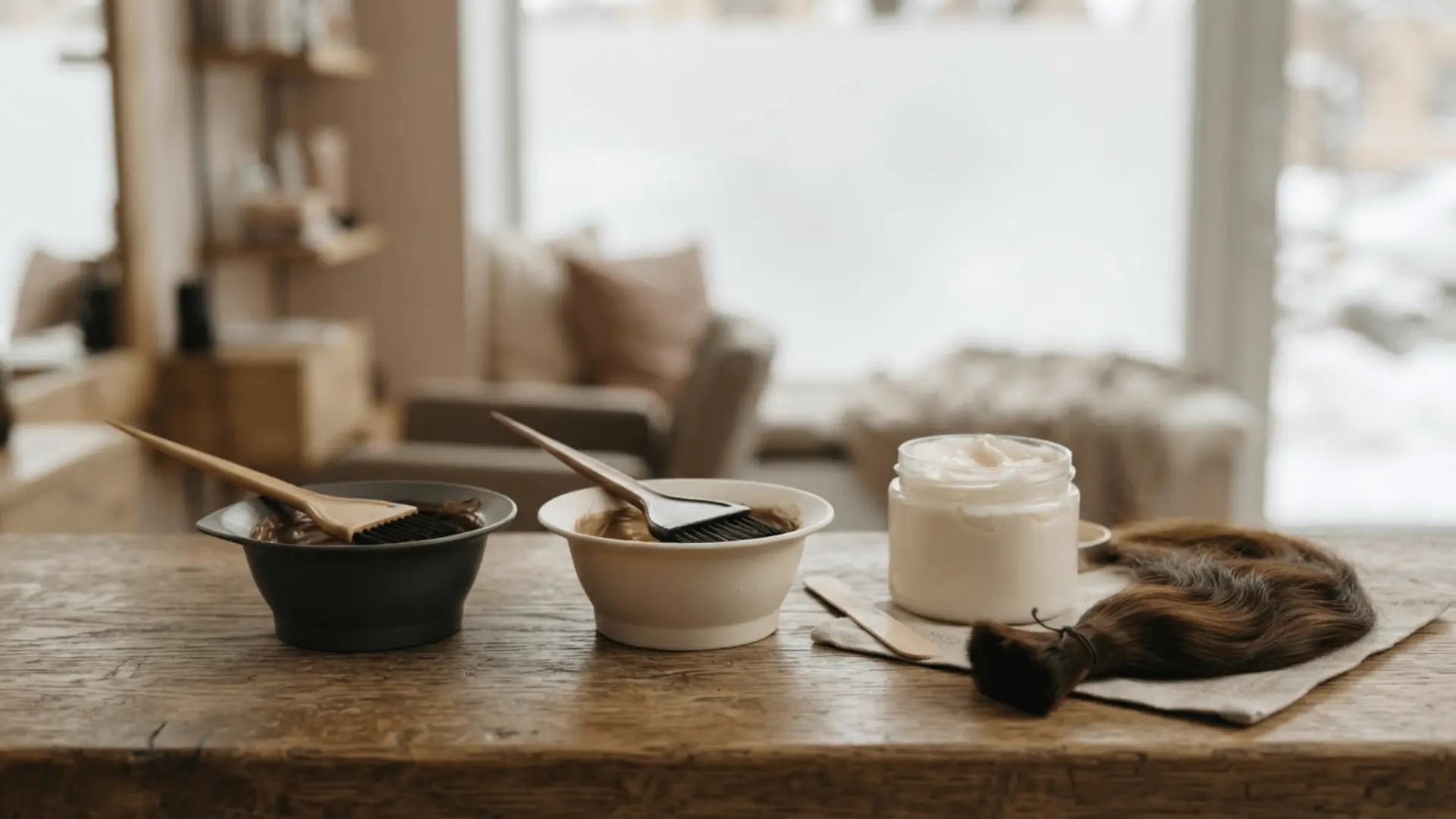
Bleaching, permanent coloring, relaxing, and chemical straightening can weaken the hair surface. Winter dryness may make treated strands feel even rougher and more likely to break.
Leave enough time between chemical services and avoid combining several strong treatments within a short period. Follow each treatment with suitable conditioning care.
A professional stylist can assess the condition of your hair before applying bleach or any other chemical process. Postpone the service if your hair feels stretchy, brittle, or breaks when brushed gently.
19. Rinse Hair After Indoor Swimming
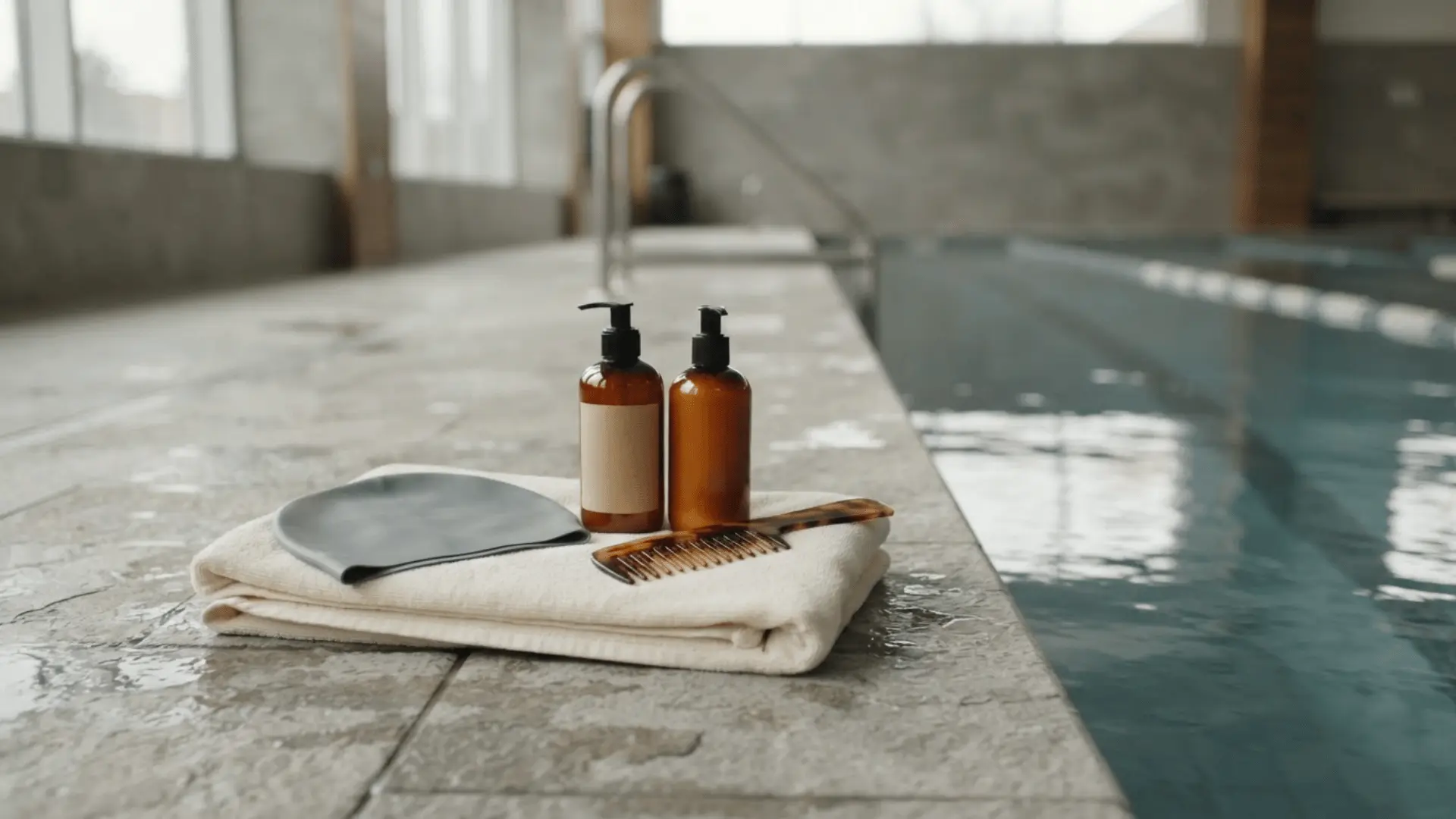
Indoor swimming pools remain popular during winter, but chlorine can leave long hair dry, stiff, and tangled. Wet your hair with clean water before entering the pool so it absorbs less chlorinated water.
Wear a well-fitting swim cap for added protection. After swimming, rinse your hair promptly and use a gentle shampoo when needed to remove pool residue.
Follow with conditioner, focusing on the lengths and ends. Avoid leaving chlorinated hair under a winter hat for several hours.
20. Address Hard Water Buildup
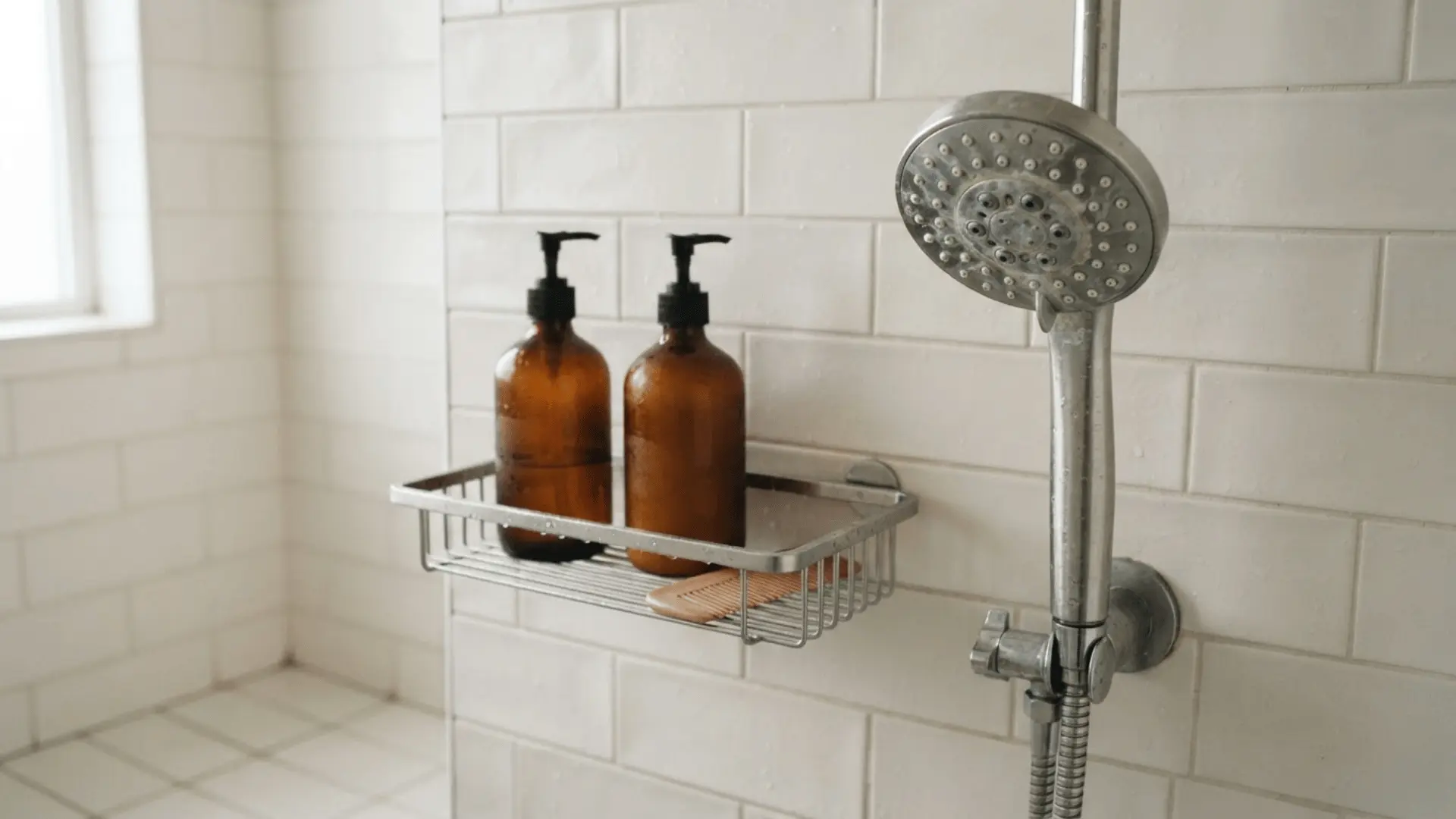
Hard water contains minerals that may collect on the hair and leave it feeling coated, dull, or difficult to condition. A shower filter may reduce certain impurities, although results depend on the local water supply and filter type.
Use a clarifying or chelating shampoo occasionally if mineral buildup is confirmed. Follow it with conditioner because these shampoos may feel more cleansing than regular formulas.
Do not use strong buildup-removing products too often, especially on dry, curly, colored, or chemically treated hair.
21. Support Hair Through Daily Nutrition

Hair products care for the outer strands, while regular meals provide the nutrients needed for new hair growth. Include sources of protein, iron, zinc, vitamins, and healthy fats as part of a balanced diet.
Useful food choices may include:
- Eggs, fish, beans, and lentils
- Nuts, seeds, and whole grains
- Leafy vegetables and fresh fruit
- Dairy or suitable alternatives
Drink water regularly, even when cold weather reduces thirst. Speak with a healthcare professional before taking supplements, especially if you notice sudden thinning or unusual hair loss.
A Simple Winter Hair Care Routine
A steady routine can protect moisture, reduce tangles, and keep your scalp comfortable throughout the colder months.
| Routine Stage | What To Do |
|---|---|
| Before Washing | Gently detangle from the ends upward with a wide-tooth comb. |
| Shampooing | Use lukewarm water and apply moisturizing shampoo mainly to the scalp. |
| Conditioning | Apply conditioner from the middle of the hair to the ends. |
| After Washing | Blot hair with a microfiber towel instead of rubbing it. |
| Leave-In Care | Apply leave-in conditioner to damp lengths and dry ends. |
| Drying | Air-dry partly, then use a blow-dryer on low or medium heat if needed. |
| Outdoor Protection | Wear a loose braid, low bun, or satin-lined winter hat. |
| Bedtime Care | Use a loose braid and sleep on a satin or silk pillowcase. |
| Weekly Treatment | Use a deep-conditioning mask once a week. |
| Regular Maintenance | Trim split ends and clean hats, brushes, and pillowcases. |
Adjust the routine based on your hair type, scalp oiliness, styling habits, and how quickly your ends dry out.
Essential Winter Hair Products to Add to Your Routine
The right products can help your hair hold moisture, resist friction, and stay easier to manage in cold weather.
Choose formulas based on your scalp condition, hair texture, and level of dryness.
- Moisturizing shampoo: A gentle shampoo removes sweat, oil, and buildup without leaving the hair rough. Look for formulas made for dry, curly, damaged, or color-treated hair.
- Rich conditioner: Conditioner softens the outer layer of the hair and makes knots easier to remove. Apply it mainly from the middle of the hair to the ends.
- Deep-conditioning mask: A weekly mask gives dry or frizzy hair added moisture. It is especially helpful for long hair because the ends are older and more likely to feel rough.
- Leave-in conditioner: Helps control static, flyaways, and tangles between washes. Sprays work well for fine hair, while creams may suit thick, curly, or coily hair. Apply a small amount to damp lengths and dry ends.
- Heat protectant: This product creates a barrier before blow-drying, straightening, or curling. It can reduce moisture loss and surface damage caused by high temperatures. Apply it evenly before using any heated styling tool.
- Lightweight hair serum: A small amount can smooth dry ends and reduce friction from scarves, coats, and hats. Argan oil, jojoba oil, and light serums are common options. Use only one or two drops to avoid greasy or flat-looking hair.
- Anti-dandruff shampoo: This can help when winter flakes are linked to dandruff rather than simple dryness. Look for an active ingredient suited to your scalp concern, and follow the directions carefully.
- Detangling spray: A detangling product adds slip, making knots easier to loosen without pulling. It is useful for long hair that rubs against coat collars and scarves. Spray lightly on damp or dry hair, then comb from the ends upward.
- Satin or silk pillowcase: Although it is not a styling product, a smooth pillowcase reduces friction during the night. It can help limit tangles, static, and breakage, especially when long hair is placed in a loose braid before bed.
How to Adapt Your Winter Routine According to Your Hair Types
Hair texture affects how quickly moisture is lost and which products feel comfortable. Adjust the amount, weight, and placement of each product rather than following a single routine for every hair type.
Fine or Straight Hair
Use lightweight shampoo, conditioner, and leave-in spray so the roots do not become flat. Apply richer products only to the ends, where dryness is more common. Wash as needed to control oil and buildup.
- Choose sprays instead of thick creams
- Keep oils away from the roots
- Use one drop of serum on the ends
Wavy or Curly Hair
Wavy and curly hair often needs more moisture because natural oils move slowly down each strand. Use a rich conditioner, detangle while the hair is damp, and avoid brushing dry curls.
A curl cream can help control winter frizz.
- Use a wide-tooth comb
- Refresh curls with water and leave-in conditioner
- Dry with a diffuser on low heat
Coily, Thick, or Chemically Treated Hair
These hair types may lose moisture quickly and need stronger protection. Use deep conditioner regularly, seal the ends with oil, and choose low-tension protective styles.
Limit hot tools and rough fabrics that can weaken already fragile strands.
- Focus moisture on the middle and ends
- Sleep with a satin scarf or bonnet
- Keep braids and buns loose
Real-Life Tips for Making the Routine Easier
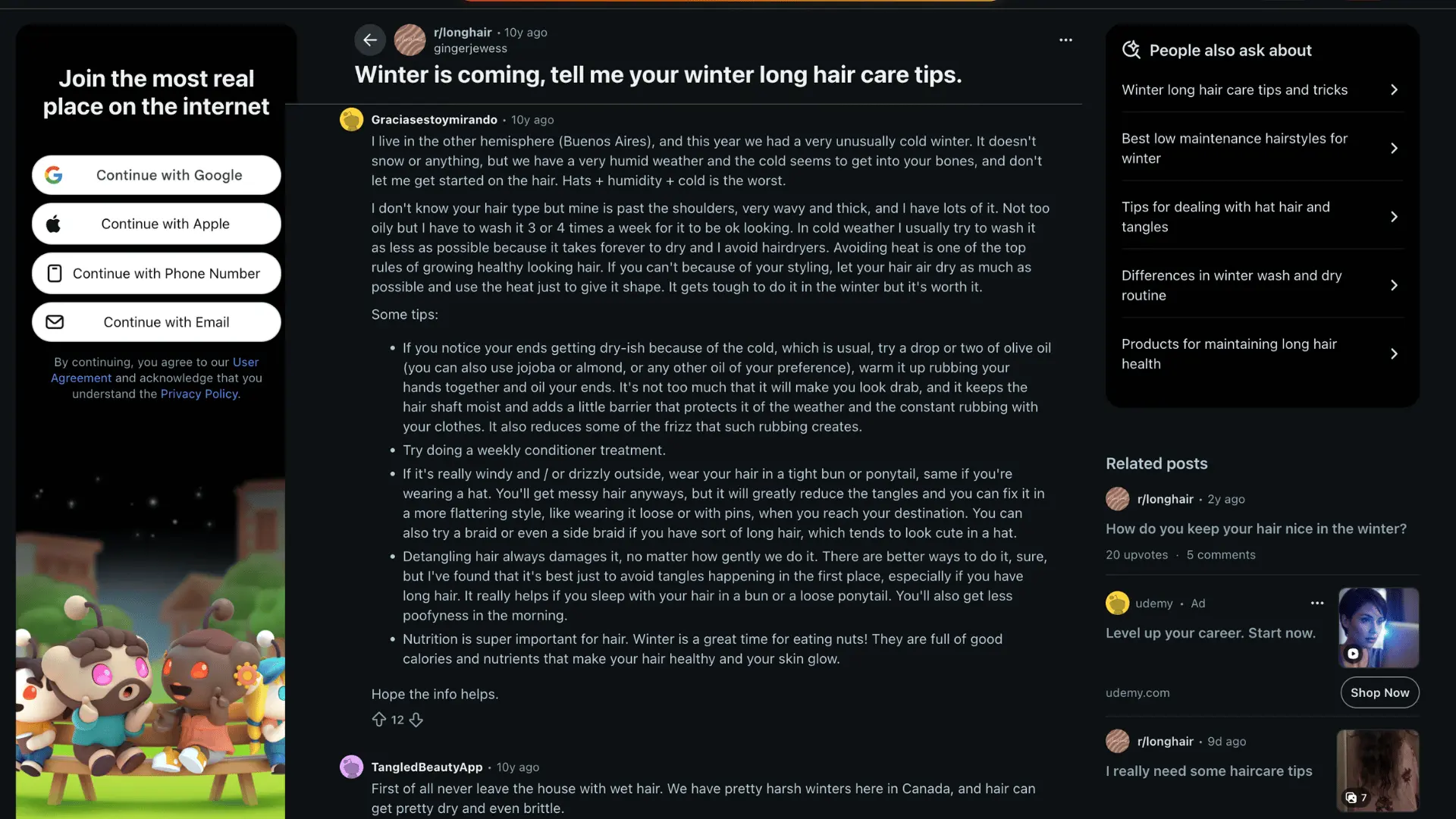
Reddit users kept their winter routines simple and focused on preventing damage before it starts.
One commenter from Canada warned against going outside with damp strands, especially during harsh winters. Another user said braids and buns became regular styles because secured hair formed fewer knots.
Other practical suggestions included washing less often, applying light oil to dry ends, and letting hair air-dry before finishing with a blow-dryer.
The main lesson is to plan your routine around the weather. Wash your hair when it has enough time to dry, keep oil or serum nearby, and tie long strands back before wearing a hat or scarf.
These small habits can reduce static, clothing friction, tangles, and the need for detangling.
Common Winter Hair Care Mistakes
Small routine errors can worsen dryness, breakage, static, and scalp discomfort in cold weather. These winter hair care tips show what to avoid and what to do instead.
| Common Mistake | Better Winter Hair Care Choice |
|---|---|
| Washing hair with very hot water | Use lukewarm water to help protect natural oils and reduce dryness. |
| Shampooing every day without a need | Wash based on scalp oil, sweat, and product buildup. |
| Going outside with wet hair | Dry the roots and lengths fully before entering cold weather. |
| Skipping conditioner after shampooing | Apply conditioner to the middle and ends after every wash. |
| Using too much hair oil | Start with one or two drops and focus only on dry ends. |
| Wearing rough wool directly on hair | Choose a satin-lined hat or place a smooth scarf underneath. |
| Leaving long hair loose in a strong wind | Wear a loose braid, low bun, or soft ponytail outdoors. |
| Brushing tangled hair from the roots | Detangle from the ends upward with a wide-tooth comb. |
| Using heat tools without protection | Apply heat protectant and use the lowest effective temperature. |
| Ignoring persistent scalp flakes | Use suitable scalp care and seek professional advice if irritation continues. |
Wrapping Up
Winter can make long hair harder to manage, but a few steady habits can keep it softer, smoother, and easier to handle.
Focus on moisture, gentle washing, careful detangling, and protection from cold air, indoor heat, and rough fabrics. You do not need a shelf full of products or a strict routine.
Start with the changes your hair needs most, then adjust as the weather, scalp, and texture change. Pay attention to how your hair responds after each wash and outdoor day.
Small signs such as less static, fewer knots, and softer ends show that your routine is working. Give your hair time, stay consistent, and avoid switching products too quickly.
What winter hair problem do you deal with most? Share your experience and best tips in the comments below.
Frequently Asked Questions
Should I Oil My Long Hair Every Day in Winter?
No, apply one or two drops to dry ends only when needed to avoid greasy hair and buildup.
Can I Use Dry Shampoo More Often in Cold Weather?
Use dry shampoo between washes as needed, but avoid daily use, as it can cause scalp buildup and irritation.
Is It Better to Braid Long Hair Under a Winter Hat?
Yes, a loose braid reduces tangles, static, and friction, but avoid tight styles that pull at the roots.