
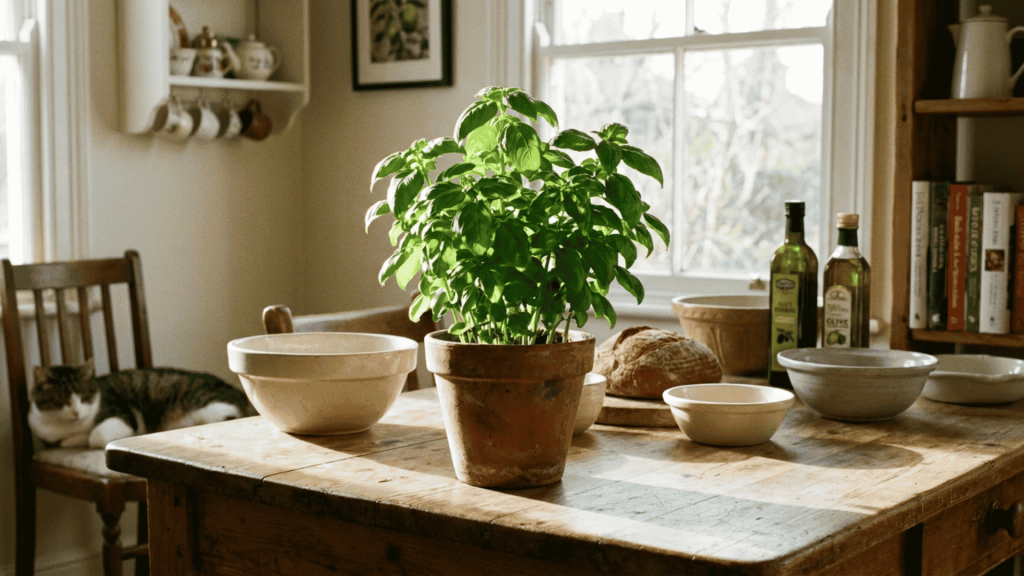
I used to think basil was impossible to keep alive. Every plant I bought looked amazing on day one, then turned yellow and sad within a week. Sounds familiar? I’ve been there more times than I’d like to admit.
The good news is basil is actually one of the easiest herbs to grow once you know a few simple tricks. In this guide, I’ll walk you through everything you need to grow a healthy, bushy basil plant from seed to harvest.
We’ll cover whether basil likes full Sun or a little shade, the best soil and pots to use, how often to water, how far apart to space your plants, and the pruning trick that keeps your plant producing fresh leaves all season long.
By the end, you’ll know exactly how to grow basil at home, step by step, without any of the guesswork.
How to Grow Basil: Quick-Start Guide
I wasted years killing basil before I figured out that it really comes down to just a few habits. Here’s everything I do, broken down so you can start today.
- Start With Small, Bushy Plants: I always look for small plants with several branches, not tall, leggy ones. A short, bushy plant might look less impressive at the store, but it fills out fast once you get it home.
- Choose a Big Pot With Good Drainage: A larger pot with drainage holes holds moisture longer and keeps roots from sitting in soggy soil.
- Give it Plenty of Direct Sun: Basil loves sunlight. Most of my plants get six to eight hours of direct Sun a day, and that’s when they grow fastest.
- Water it Consistently, Not Occasionally: I keep the soil lightly moist, never soggy or bone dry, and always water at the base instead of over the leaves.
- Space Plants for Airflow: I space mine about six to eight inches apart so air can move between the leaves and keep mold away.
- Harvest Often to Keep it Bushy: Every time I snip basil just above a leaf node, it grows back two new stems instead of one, so I harvest a little every week.
Basil: Sun or Shade? What this Herb Actually Needs
This question comes up more than any other, and honestly, the answer depends on where you live. Here’s what I’ve learned from growing basil in different spots.
| Growing Situation | Sun Needed | What I’ve Learned |
|---|---|---|
| Full Sun (most climates) | 6 to 8 hours a day | This is the sweet spot for big, healthy leaves and a plant that keeps producing all summer. Basil in full Sun grows faster and yields way more than basil stuck in a shady corner. |
| Hot Climates (partial shade) | 4 to 6 hours, with afternoon shade | Leaves turn crispy and pale when temperatures climb too high. A little shade protects the plant, even if it grows a bit taller and thinner. |
| Indoors on a Windowsill | Bright light most of the day, ideally a south-facing window | Indoor basil won’t grow quite as fast or as full as outdoor plants, but it still gives you fresh leaves year-round. I rotate the pot every few days so it grows evenly. |
Choosing the Right Basil Variety
Once you know where to place your basil, the next question is which kind to actually grow.
Best Varieties for Cooking
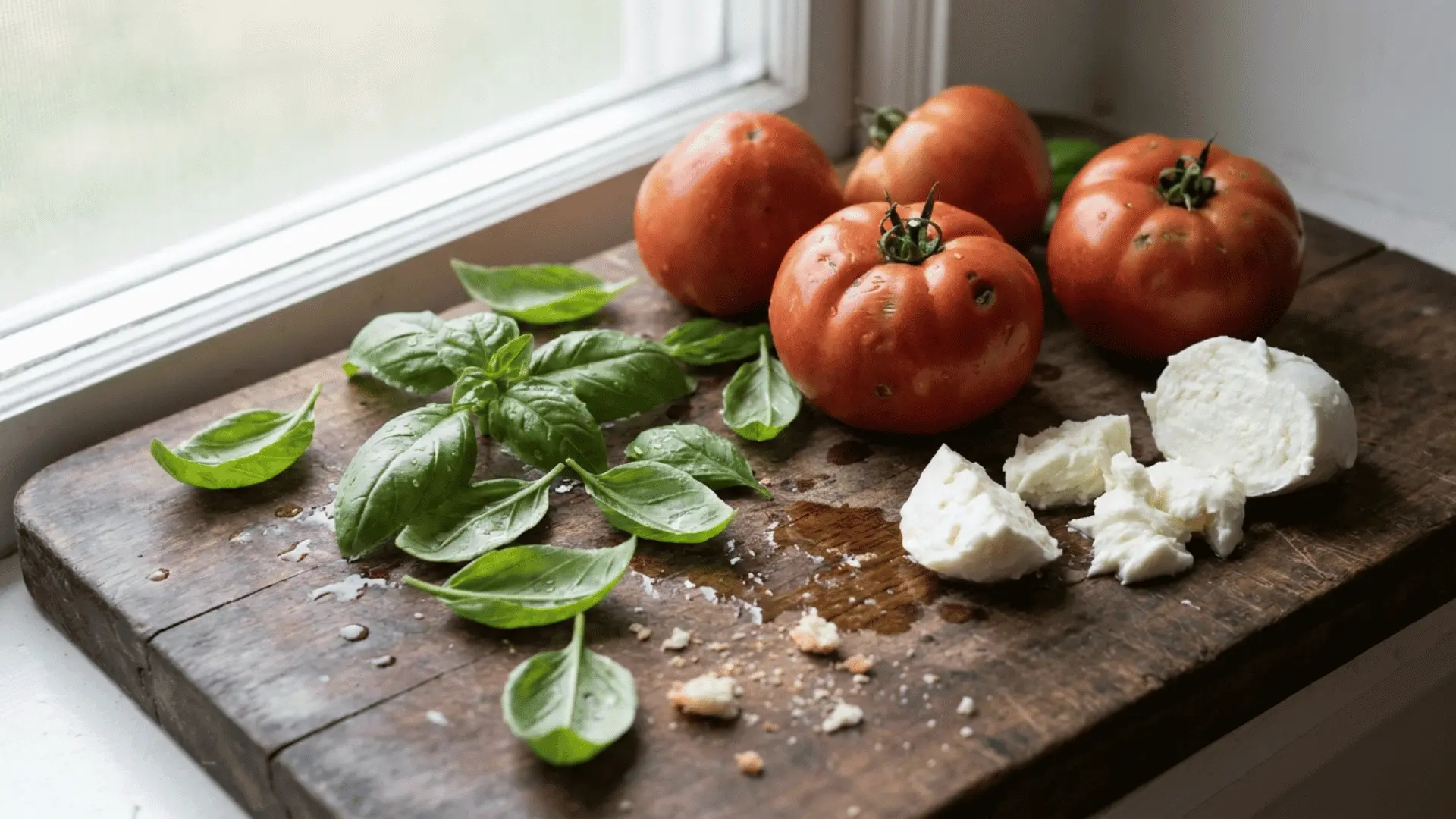
If you’re growing basil for the kitchen, sweet Italian basil, also called Genovese, is the classic choice for pesto and pasta.
Thai basil brings a spicy, licorice-like flavor that works great in stir-fries.
Lemon basil adds a citrusy twist to salads and drinks, and purple basil looks stunning while still tasting fantastic. I usually grow at least two of these together, so I always have options in the kitchen.
Compact Varieties for Small Pots
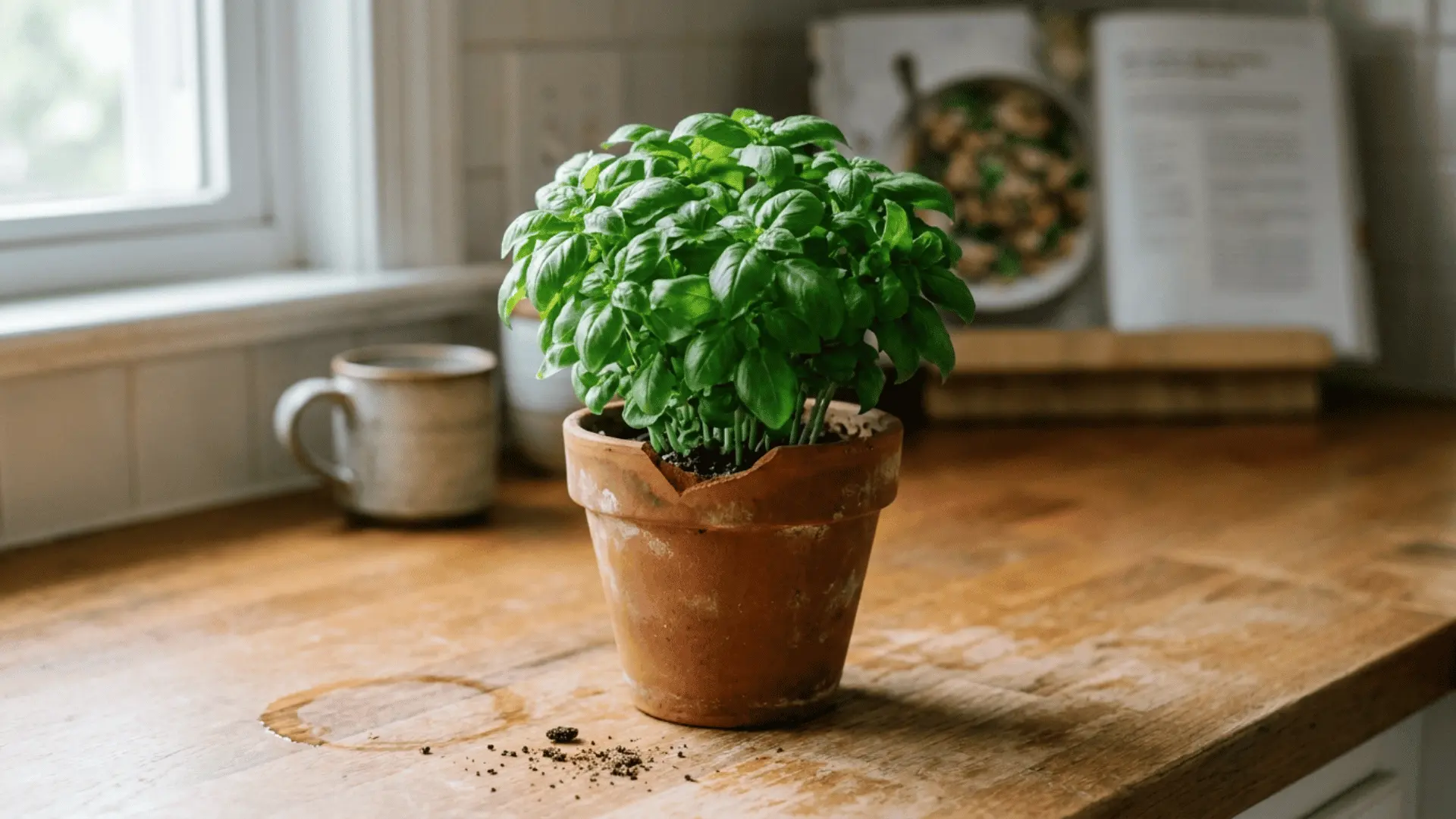
If space is tight, look for compact varieties like Pluto or regular bush basil. These stay small and rounded, usually under a foot tall, so they fit perfectly on a balcony rail or a sunny kitchen windowsill.
I grow bush basil in a small pot by my sink, and it still gives me a steady supply of leaves without taking over the counter. Compact doesn’t mean less flavor either.
Starting Basil From Seed vs. Buying Plants
Now that you’ve picked a variety, let’s talk about the two ways actually to get started.
| Method | What to Do | My Take |
|---|---|---|
| Sowing Seeds Indoors | Use seed compost, keep the temperature around 68 to 70°F, and plant seeds about a quarter inch deep. | I start most of my basil this way since it gives seedlings a head start before the weather warms up. Sprouts usually show up within a week. |
| Hardening Off Seedlings | Set seedlings outside for 30 minutes on day 1, then increase the time by 30 minutes each day for 7 to 10 days. | Skipping this step usually leads to sunburned, stressed plants that struggle to recover. |
| Picking Store-Bought Starts Wisely | Choose short, full plants with several branches instead of tall, thin ones | If starting from seed feels like too much work, buying a plant is totally fine. Just skip the leggy ones, since they rarely catch up once you get them home. |
A Third Option: Grow New Plants From Cuttings
Here is a shortcut most skip. You can grow a whole new basil plant from a single cutting, no seeds required. I snip a healthy stem about four inches long, strip off the lower leaves, and stand it in a glass of water on a sunny windowsill.
Roots start showing in a week or two, and once they reach about two inches long, I pot the cutting up in soil.
I do this every summer to turn one store-bought plant into three or four, which saves money and gives me backups if one plant fails.
Best Soil and Containers for Basil
Whether you started from seed or bought a plant, your basil is only as healthy as what it’s growing in.
Soil Basil Actually Needs
Basil isn’t picky about soil, but it does need good drainage. I use a peat-free potting mix, and my plants have always done well in it.
For reference, basil does best in slightly acidic to neutral soil, roughly pH 6.0 to 7.5, though most standard potting mixes already sit comfortably in that range, so this is rarely something you need to test or adjust.
As long as there’s enough moisture and nutrients, basil handles a wide range of conditions just fine, so there is no need to chase the perfect soil recipe.
Choosing a Pot With Good Drainage
The size of your pot matters more than people think. I always go with a bigger container, at least eight inches wide, since it holds moisture longer between waterings.
Small pots dry out fast in the Sun and stress the plant. Whatever container you pick, make sure it has drainage holes at the bottom. Without them, water sits at the roots and causes rot.
Planting and Spacing Basil
With your soil and pot ready, it’s time to figure out how much room your basil actually needs.
How Far Apart to Plant
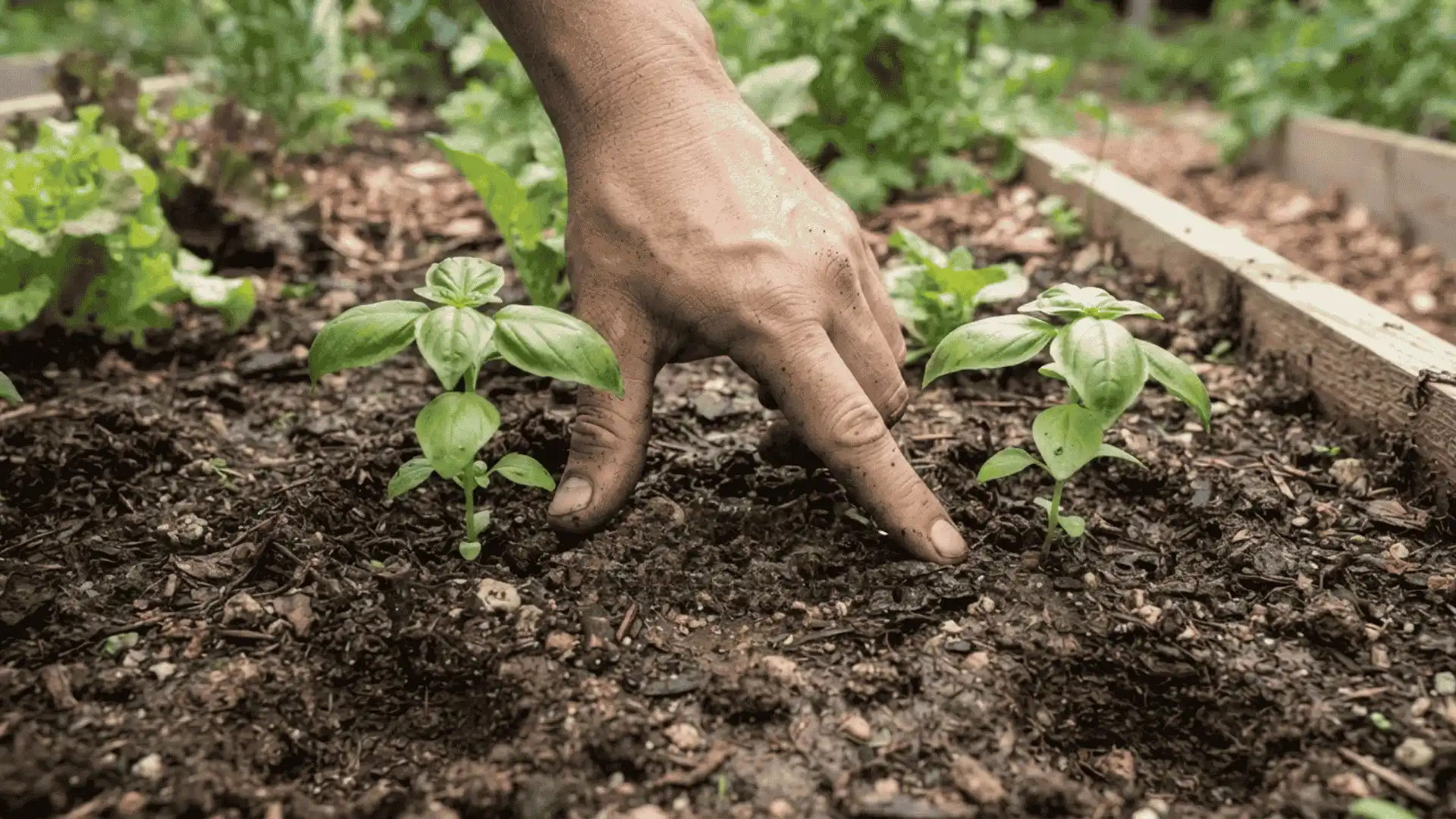
I usually space my basil plants about six to eight inches apart, which gives them room to grow full and bushy.
Some gardeners plant much closer together to get more leaves per square foot, and that can work if you stay on top of harvesting.
I prefer a bit more space myself, since it keeps airflow good and cuts down on mold problems later in the season.
When to Move Plants Outdoors
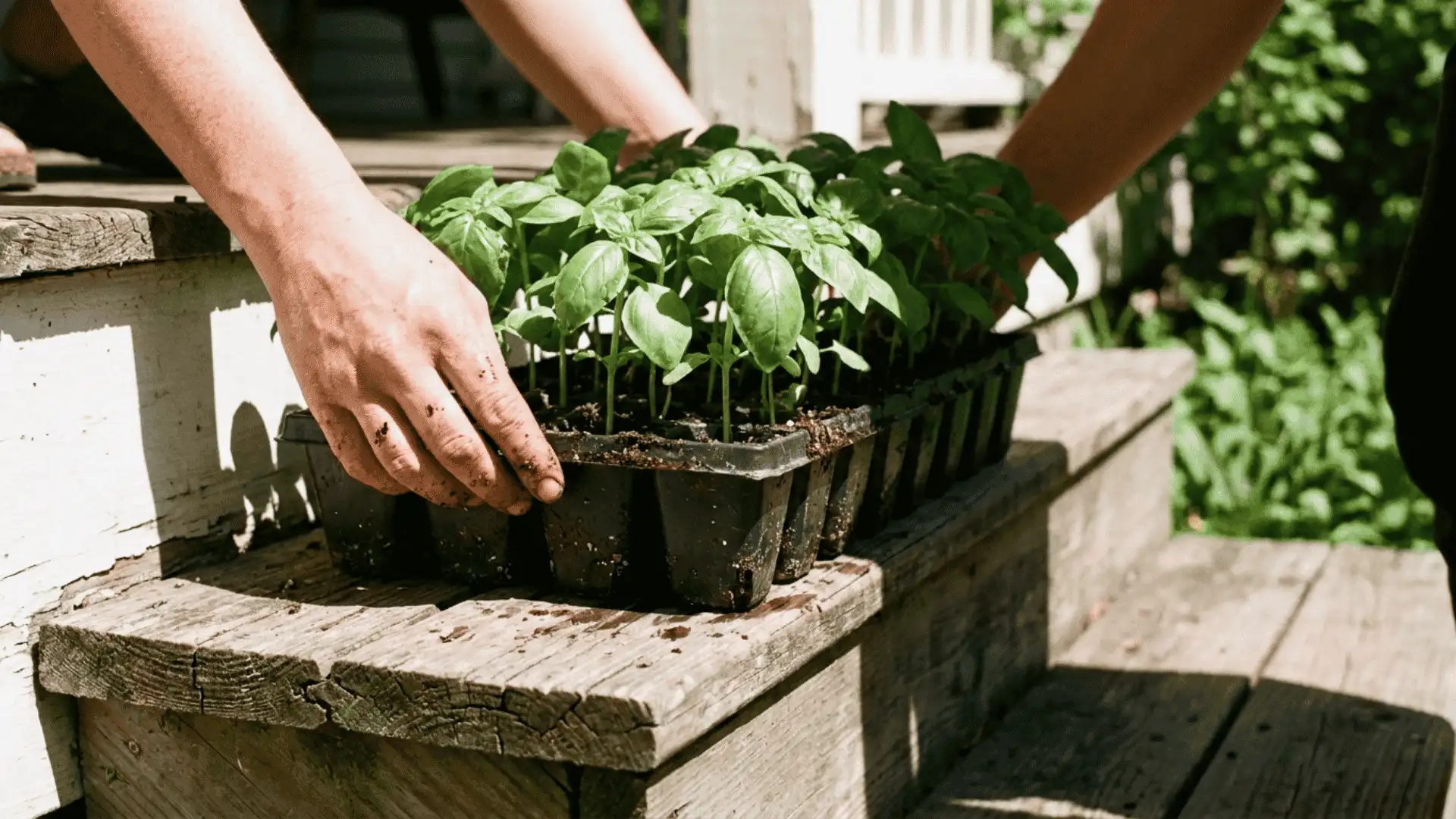
Basil hates the cold, so I never rush it outside. I wait until nighttime temperatures stay above 50°F before moving my plants out for good.
Planting too early usually ends with stunted, unhappy basil that takes weeks to recover, if it recovers at all.
Patience here really pays off, since a much stronger plant shows up once summer finally kicks in for good.
Watering Basil the Right Way
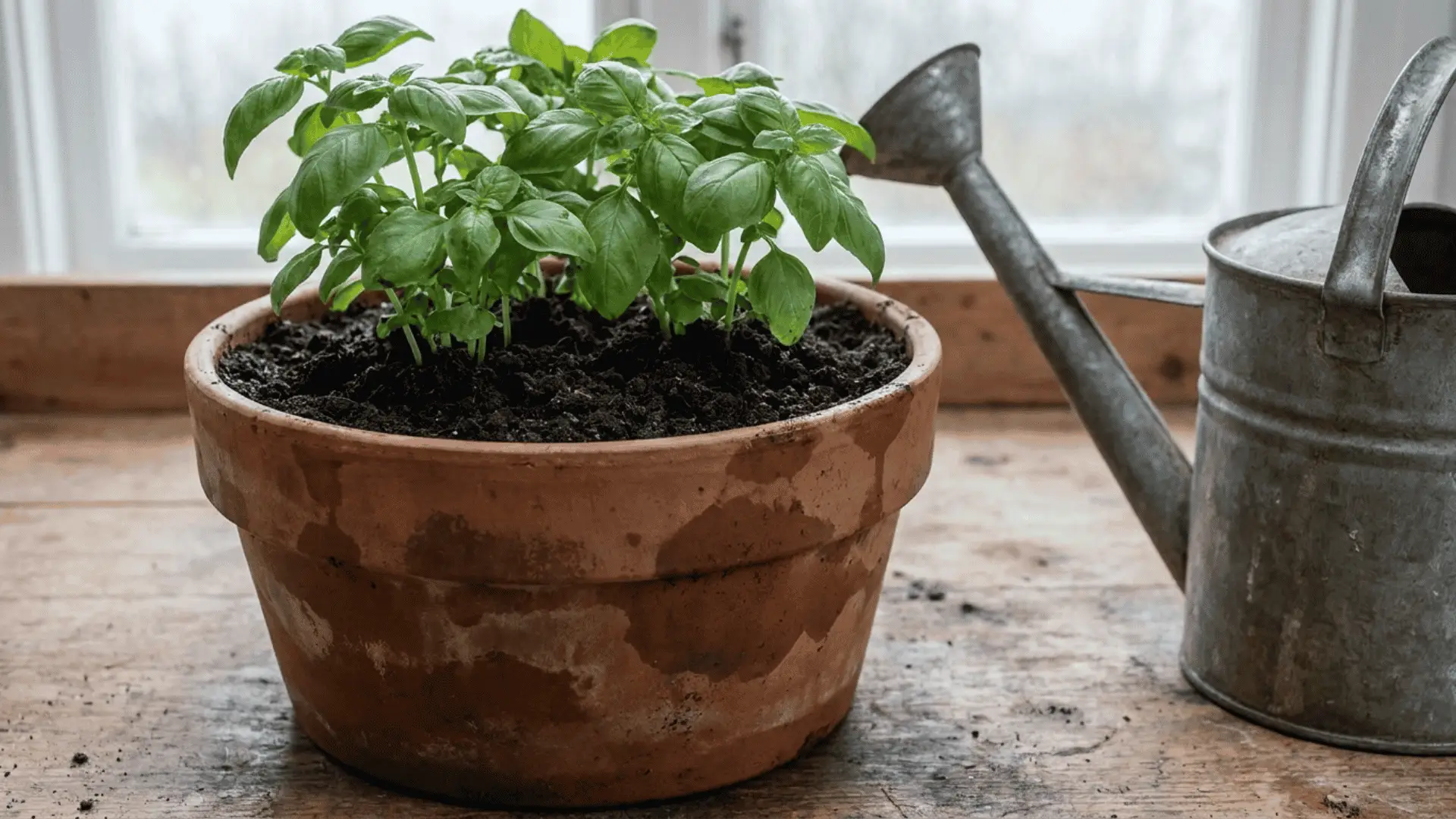
Basil is planted and settled in. Now let’s get the watering habit right, since this trips up a lot of people.
- How Often and How Much: I aim to keep the soil evenly moist, never soggy and never bone dry. In the ground, basil usually needs about an inch of water a week. In containers, it dries out faster, so I check the soil daily during hot weather. Sticking my finger an inch into the soil tells me right away whether it’s time to water again.
- Avoiding Root Rot and Wet Leaves: I always water at the base of the plant rather than pouring water over the leaves. Wet leaves sitting overnight invite mold and disease, especially in humid weather. Good drainage holes matter here too, since soggy roots are one of the fastest ways to lose a basil plant.
Feeding Basil for Nonstop Leaves
This is the step my original routine skipped for years, and adding it made a bigger difference than any fancy soil. Basil grows quickly, and all that leaf production pulls a steady stream of nutrients out of the soil.
In containers especially, those nutrients wash out a little more with every watering, so I feed my potted basil every two to three weeks with a diluted all-purpose organic fertilizer.
For in-ground basil, I mix compost into the bed before planting and top it up once around midsummer. You will usually notice the payoff within a week or so: darker leaves and faster regrowth after each harvest.
Go easy with it, though, since heavy doses of nitrogen push out plenty of leaf but leave you with a milder, less aromatic flavor.
Pruning and Harvesting Basil Correctly
This next part is the one habit that matters more than anything else on this list.
1. Why Regular Harvesting Matters
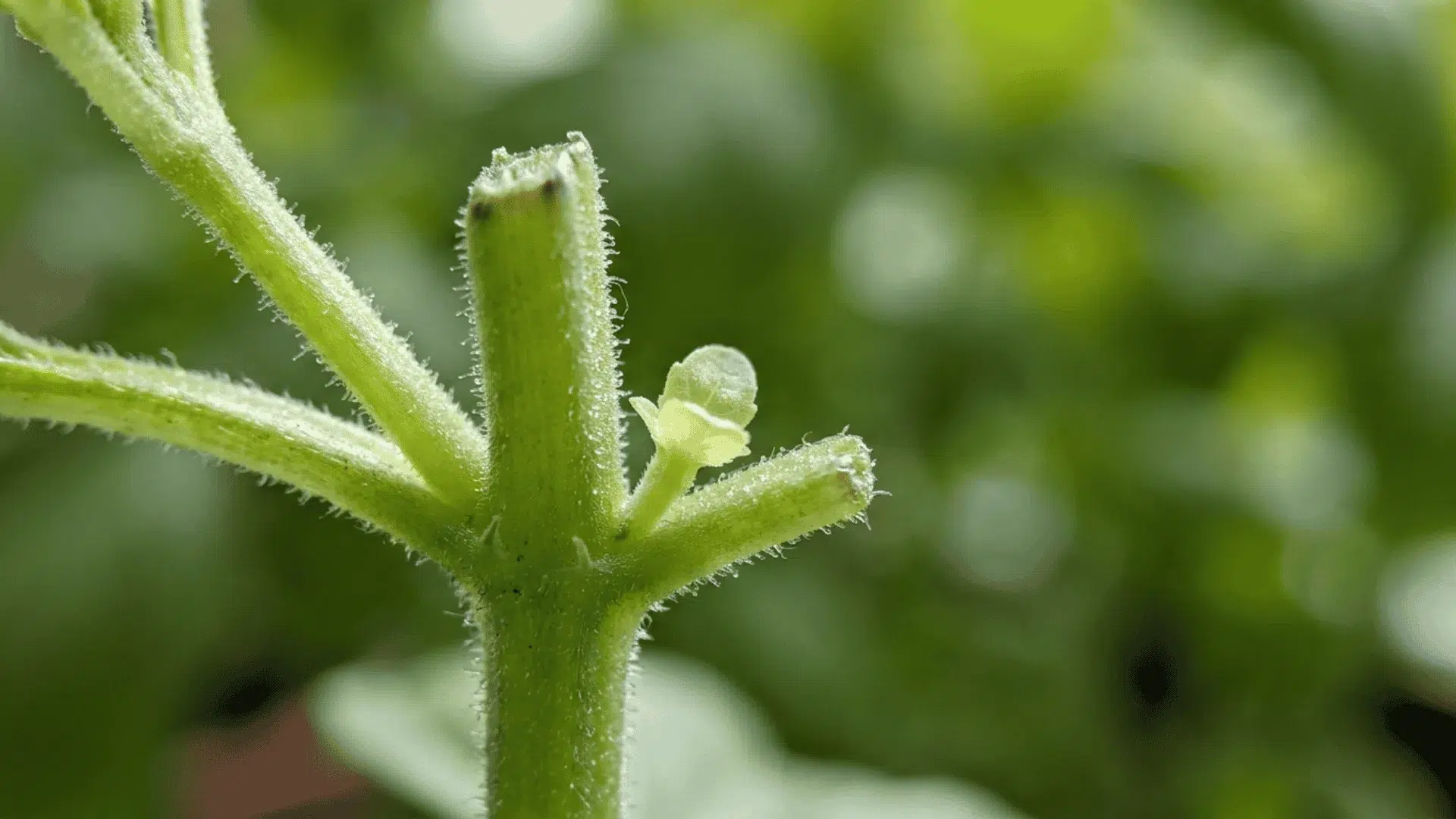
This is the single habit that completely changed my basil game. Every time I snip a stem just right, the plant grows back two new stems instead of one.
That means more leaves, more branches, and a fuller plant over time. I harvest a little every week, even when I don’t need much basil that day, to keep the growth going strong.
2. Where and How to Cut
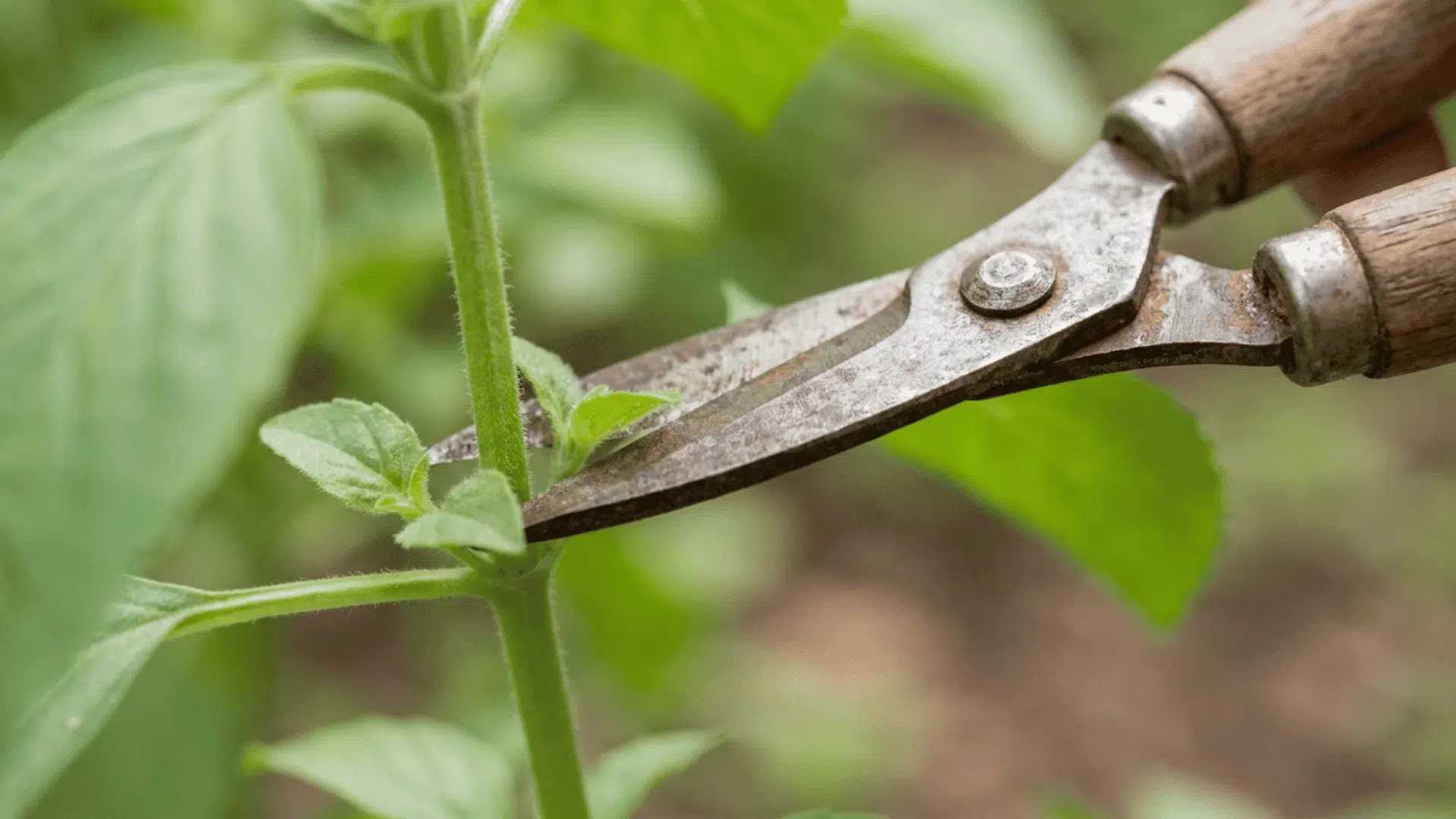
I always cut just above a leaf node, that small bump where new leaves are starting to form. This tells the plant exactly where to grow its next set of branches.
I never cut too far down into the thick, woody part of the stem, since that part usually won’t grow back. Sharp scissors make clean cuts and keep the rest of the plant healthy.
3. Pinching Off Flowers Before They Bolt
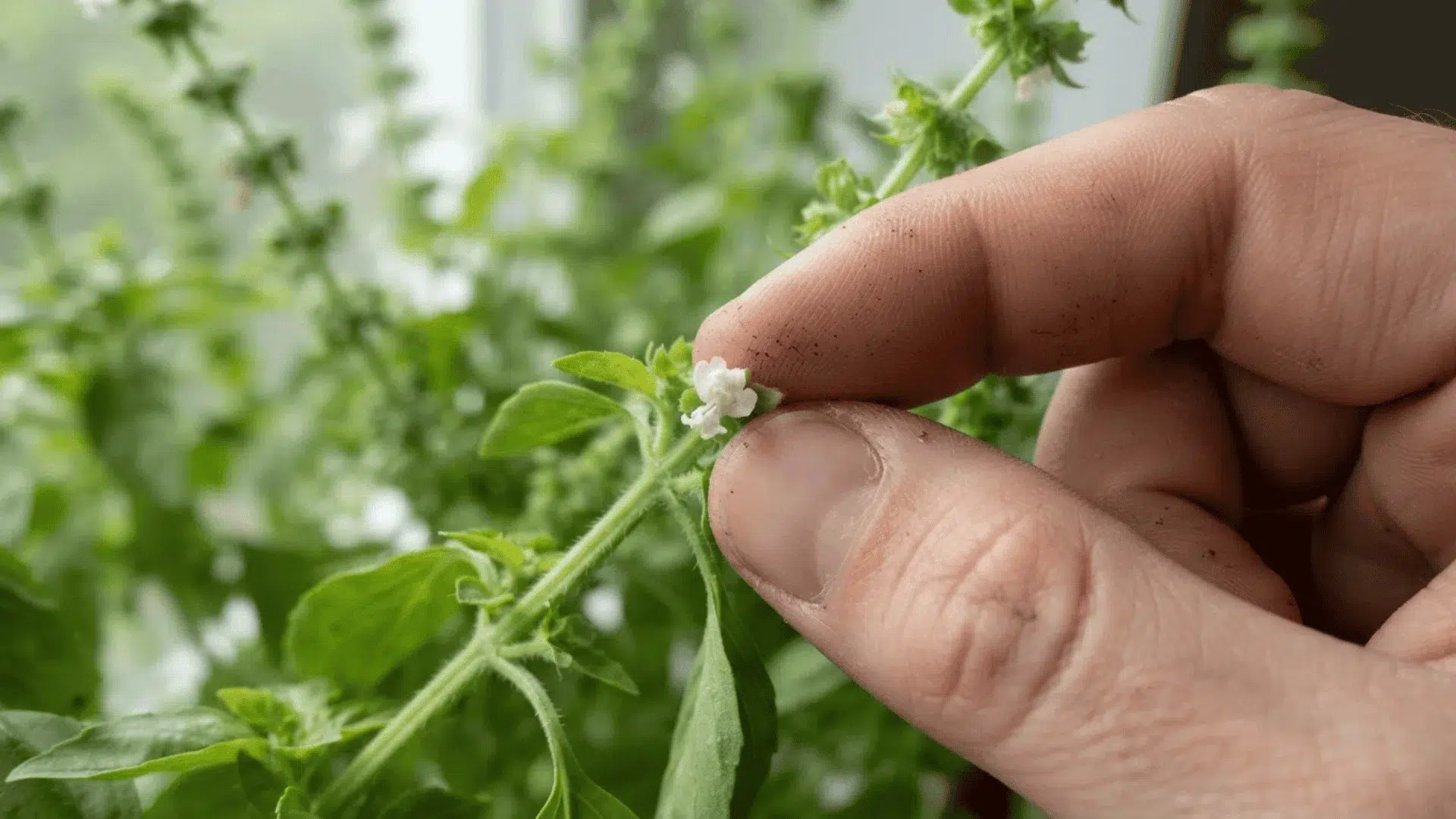
Once basil starts flowering, the leaves can turn bitter fast, so I pinch off any flower buds the moment I spot them.
This keeps the plant focused on growing leaves instead of seeds. If you do miss one and your basil bolts a little, don’t panic.
Just remove the flowers and keep harvesting like normal. The leaves usually bounce back just fine.
One Basil Habit Most Guides Never Mention
Here’s something I wish someone had told me sooner: basil actually releases more of its essential oils, the stuff that gives it that strong, fresh smell and flavor, when you harvest it in the late morning after the dew has dried but before peak afternoon heat sets in.
Picking it at midday in the blazing sun causes the oils to evaporate quickly, so you lose flavor before the leaves even hit your cutting board.
I also learned that basil is a great companion plant for more than just tomatoes. Planting it near peppers and asparagus can help repel certain pests naturally, so you get a small built-in defense system without spraying anything.
It’s a small trick, but it’s made a real difference in how healthy my whole garden bed stays, not just my basil.
Here is the section in your requested format:
Common Basil Problems and How to Fix Them
Most basil issues are easy to manage when you spot the signs early and use simple steps to protect healthy leaves, stems, and nearby seedlings.
- Aphids: Spray infested leaves with strong water to remove insects before they spread across basil plants.
- Whiteflies: Rinse leaf undersides thoroughly, repeating treatment every few days until adult whiteflies and eggs disappear.
- Slugs and Snails: Hand-pick them after sunset and remove hiding places, wet boards, and nearby dense garden debris.
- Flea Beetles: Cover young basil with floating row fabric to block beetles while allowing light and airflow.
- Downy Mildew: Remove yellow, fuzzy leaves immediately, reduce humidity, and space plants well for better air circulation.
- Damping Off: Avoid soggy soil, water seedlings carefully, and provide airflow to prevent weak stems from collapsing.
Regular checks, clean growing conditions, and quick action will help basil recover faster while preventing small pest or disease problems from becoming serious later on.
Finishing it Up
At this point, you’ve got everything you need to grow basil that actually lasts all season. Give it plenty of Sun, plant it in a pot with good drainage, water at the base, and snip it often to keep new leaves coming.
Those few habits make the biggest difference, more than any fancy soil mix or expensive fertilizer ever will.
I still mess up sometimes, too. A plant gets a little leggy, or I forget to water for a day. But once you understand what basil actually wants, it bounces back fast and keeps giving you fresh leaves for months.
Now it’s your turn. Grab a pot, pick a sunny spot, and start growing. Try one tip from this guide this week, and let me know in the comments how your basil turns out.
Frequently Asked Questions
Does Basil Come Back Every Year?
No, basil is an annual plant. It grows for one season and dies with the first frost. I always start new plants each spring instead of expecting old ones to return.
Can I Freeze or Store Fresh Basil?
Yes, I blend leaves with a little olive oil and freeze them in ice cube trays. Fresh basil also stays good for a day or two in a glass of water on the counter.
Is Basil Good to Plant Near Tomatoes?
I love pairing basil with tomatoes. They grow well together, and some gardeners believe basil even improves tomato flavor. Just give both plants enough space so neither one gets crowded out.
How Long does it Take for Basil to Grow?
From seed, basil usually takes 3 to 4 weeks to sprout and grow enough for a first light harvest. I’ve found bigger, regular harvests start around the two-month mark.