

Stress is a part of everyday life, but when it becomes constant, it can leave you feeling tired, anxious, restless, and overwhelmed.
In many cases, these symptoms are linked to elevated cortisol levels. With countless products claiming to reduce stress, finding supplements for high cortisol that actually work can be confusing.
Understanding which ingredients have been studied, how they work, and when they may be helpful can make it easier to choose a supplement that supports your overall health.
This blog will help you find the most research-backed options, explain how they compare, and share simple lifestyle habits that can support a healthier stress response.
Disclaimer: This content is for informational purposes only and is not a substitute for professional medical advice; always consult a healthcare provider before starting any new supplement.
What is Cortisol and When is it Too High?
Cortisol is the body’s stress hormone, released by the adrenal glands in response to physical or emotional stress. It helps regulate blood sugar, blood pressure, metabolism, inflammation, and the sleep-wake cycle.
Your cortisol levels naturally rise in the morning to help you wake up and gradually decrease throughout the day. Short-term increases are normal and help your body respond to challenges.
Cortisol becomes a concern when it remains elevated for extended periods rather than returning to normal. Ongoing high cortisol levels can affect your mood, sleep, energy, immune function, and overall health.
A cortisol blood test from the National Library of Medicine can check if your level is actually elevated rather than just going on symptoms.
Common Signs of High Cortisol
High cortisol can affect multiple body systems, leading to physical, mental, and emotional symptoms. While these signs don’t always mean your cortisol is elevated, they may warrant closer attention if they persist.
- Persistent Fatigue: Feeling exhausted throughout the day, even after getting enough sleep.
- Sleep Problems: Difficulty falling asleep, staying asleep, or waking up feeling unrested.
- Weight Gain: Increased fat around the abdomen and face despite unchanged eating habits.
- Sugar Cravings: Frequent cravings for sweets or high-calorie foods during stressful periods.
- Mood Changes: Increased anxiety, irritability, or feeling overwhelmed more often than usual.
- Brain Fog: Trouble concentrating, remembering information, or staying mentally focused.
- High Blood Pressure: Elevated blood pressure that persists without another obvious explanation.
- Frequent Illness: Getting sick more often due to a weakened immune response.
Supplements That May Support Healthy Cortisol Levels
Not all supplements marketed for stress have strong scientific support. The following options have the most research supporting a healthy stress response, with varying levels of evidence for managing elevated cortisol.
1. Ashwagandha for Cortisol Support
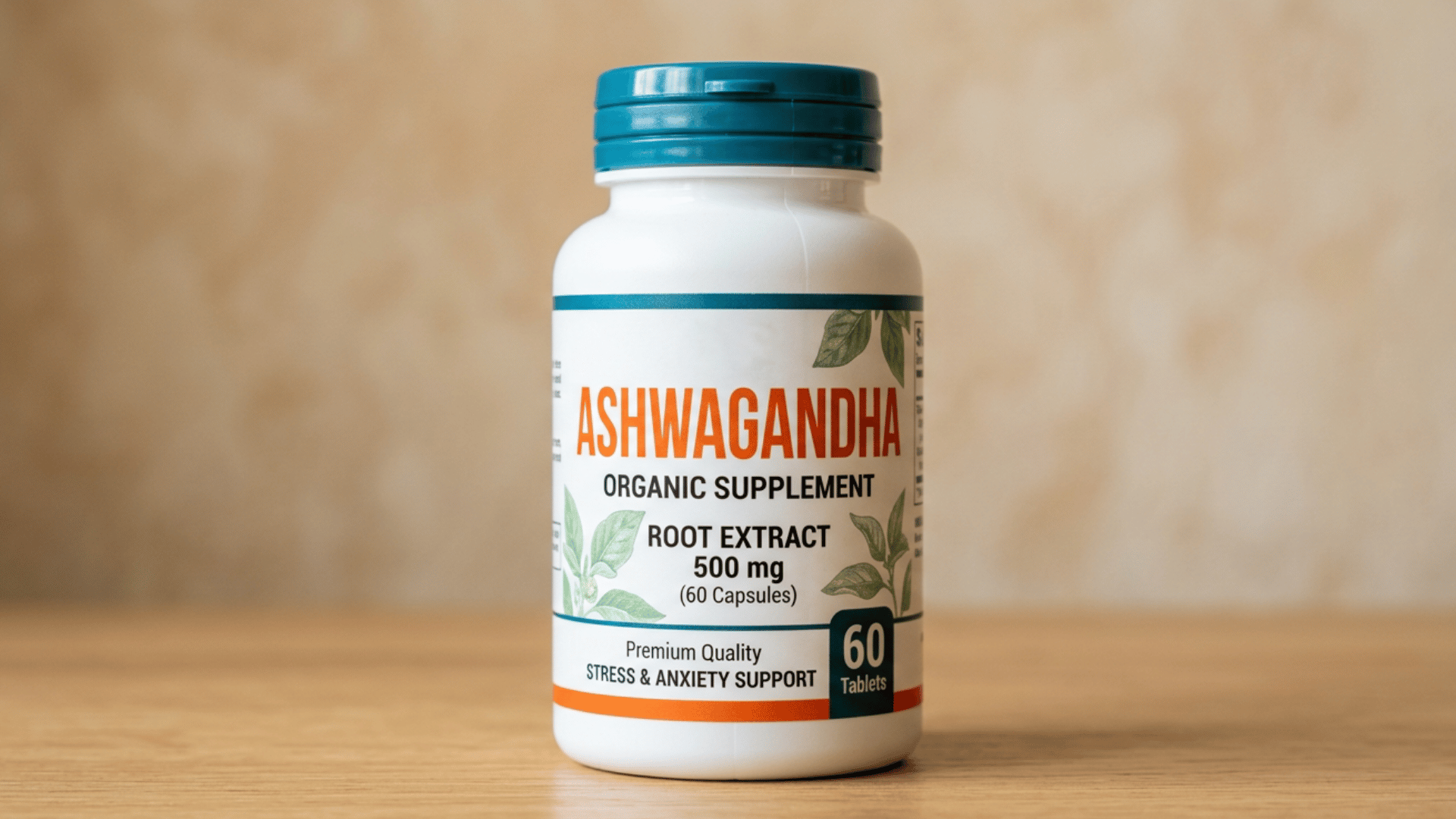
Ashwagandha root extract has the strongest research supporting its ability to lower cortisol and ease stress. Several clinical trials measured cortisol directly.
KSM-66 is the most studied ashwagandha extract, though other standardized root extracts show similar results in trials.
- Dosage: 300-600 mg per day, usually split into two doses.
- Form: Standardized root extract, not leaf extract, for the strongest effect.
- Timing: Take with food if it upsets your stomach.
2. Rhodiola Rosea for Stress Resilience
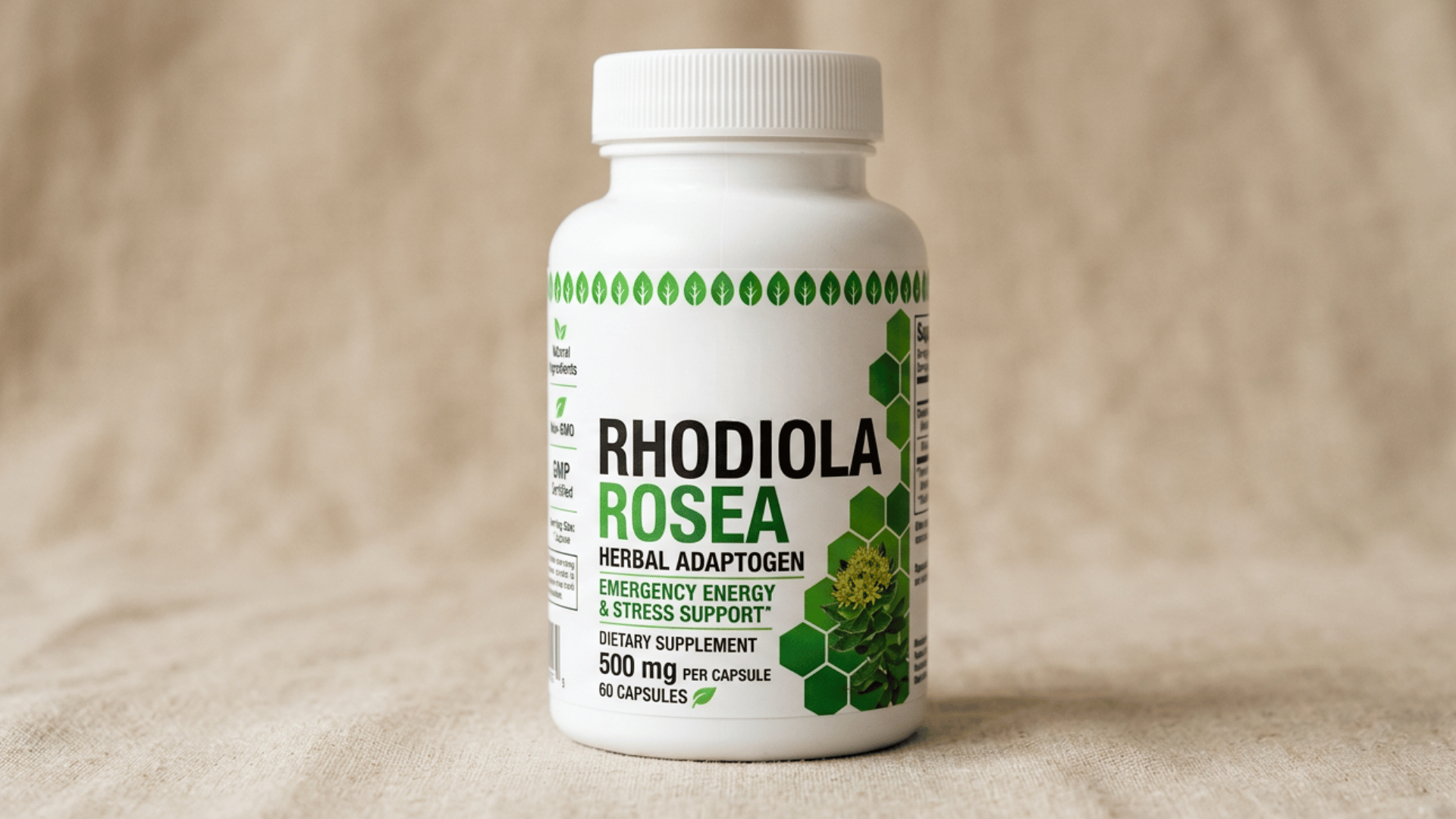
Rhodiola rosea is an herb studied for fatigue and stress tolerance, not for cortisol numbers alone. People taking it in trials often feel less worn down by daily stress.
- Dosage: 200-400 mg per day of a standardized extract.
- Timing: Often taken earlier in the day, since it can feel mildly stimulating.
- Best for: Fatigue from ongoing stress, not sudden anxiety.
3. Magnesium Glycinate for Stress and Sleep
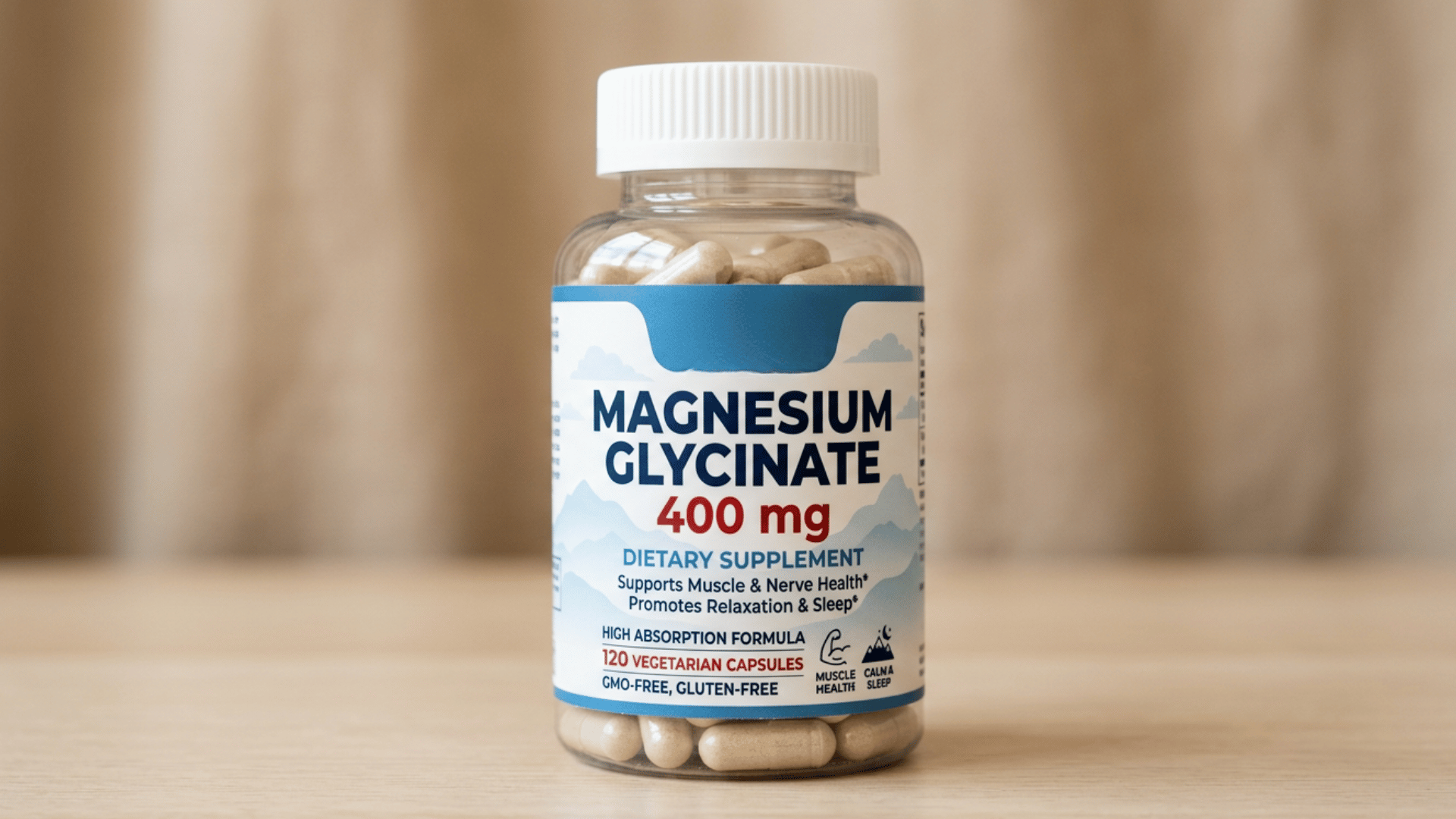
Magnesium glycinate may not directly lower cortisol, but it supports the nervous system and promotes relaxation. It can improve sleep quality, which helps maintain a healthy daily cortisol rhythm.
Magnesium glycinate is gentler on the stomach than magnesium oxide, which is a common reason people switch forms.
- Dosage: 200-400 mg of elemental magnesium daily.
- Form: Glycinate absorbs well and rarely causes loose stools.
- Timing: Take in the evening if sleep is the main goal.
4. L-Theanine for Calm Focus
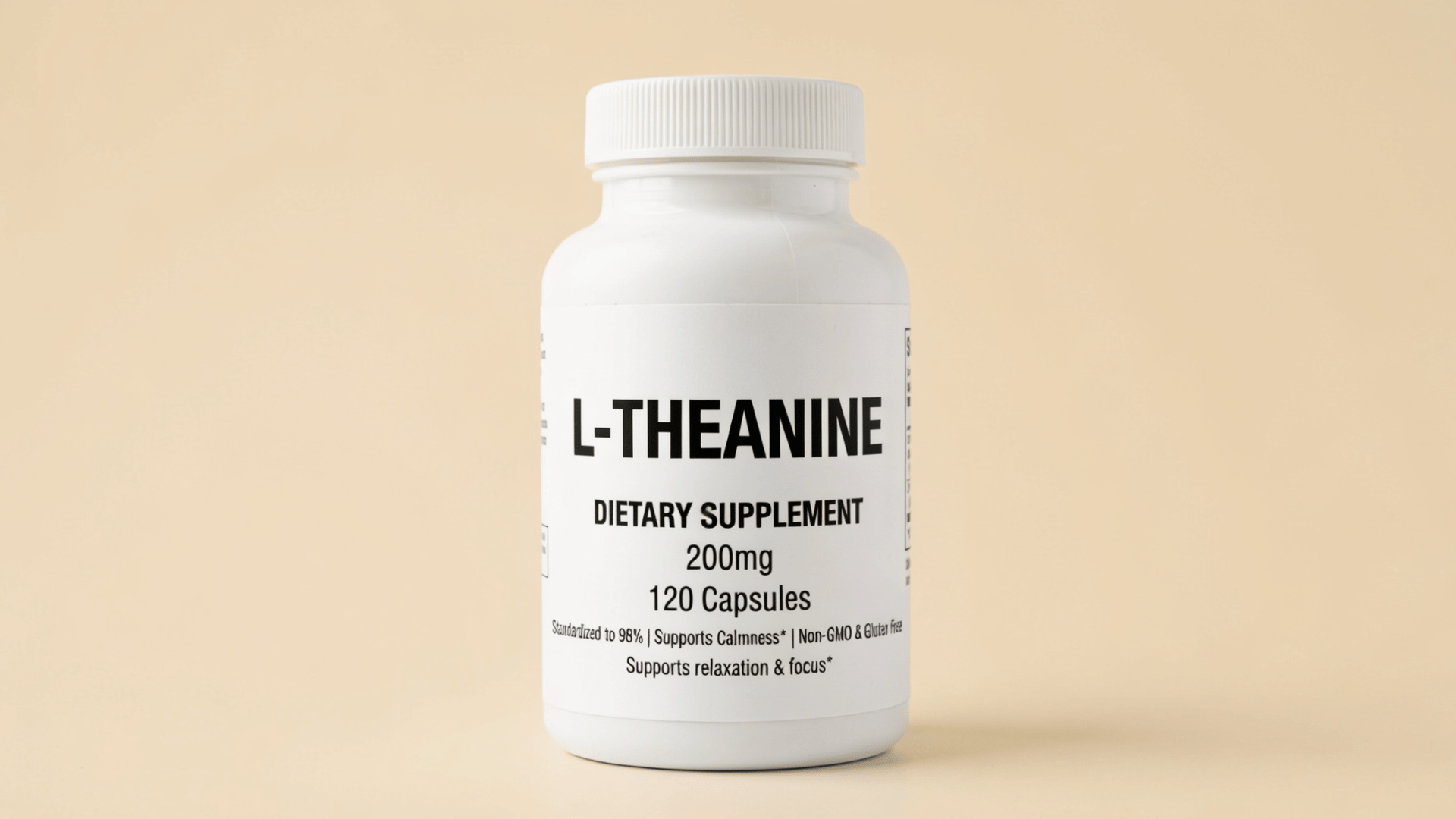
L-theanine is an amino acid found naturally in tea leaves. It may help you feel calm without making you drowsy. That sets it apart from many other calming supplements.
- Typical amount: 100-200 mg, taken as needed or up to twice daily.
- Timing: Works within an hour, so it fits well before a stressful task.
- Best for: A calm, focused mind during a specific stressful stretch.
5. Phosphatidylserine
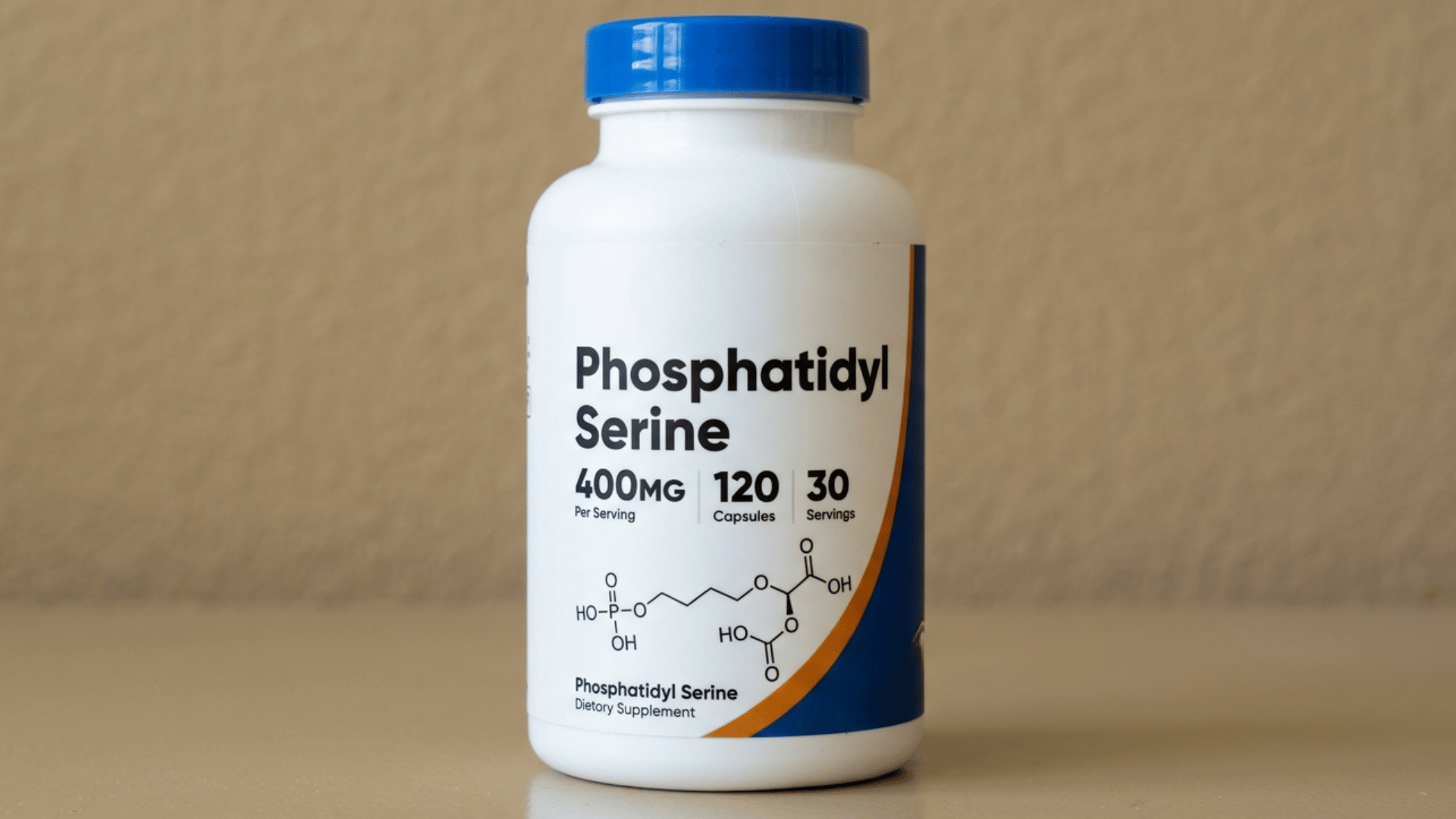
Phosphatidylserine may help reduce cortisol spikes triggered by intense mental or physical stress. While the research is promising, the evidence is less extensive than for ashwagandha.
It appears to be most helpful for managing short-term stress rather than lowering chronically elevated cortisol levels. A few small studies point to a benefit after hard exercise or high-pressure tasks, not everyday stress.
- Dosage: 200-400 mg per day.
- Timing: Take with meals or before a stressful event.
- Best for: Reducing cortisol spikes from intense mental or physical stress.
Foods That Raise Cortisol Levels
Certain foods and beverages can contribute to higher cortisol levels or make it harder for your body to recover from stress, especially when consumed frequently or in large amounts.
- Sugary Foods: Cause rapid blood sugar spikes and crashes that may increase the body’s stress response.
- Alcoholic Drinks: Disrupt sleep, strain the body’s stress system, and may elevate cortisol over time.
- Ultra-Processed Foods: Often high in refined carbs, unhealthy fats, and inflammatory additives.
- Excess Caffeine: Large amounts, especially on an empty stomach, can temporarily increase cortisol levels.
- Energy Drinks: Combine high caffeine and sugar, potentially leading to greater cortisol spikes.
- Highly Salty Foods: Excess sodium may contribute to stress on the body and affect overall hormonal balance.
Are Cortisol Supplements Safe for Everyone?
No, Cortisol supplements aren’t risk-free for everyone, as each ingredient carries its own cautions:
- Ashwagandha: Avoid during pregnancy unless a doctor advises it. Use caution with thyroid or autoimmune conditions.
- Rhodiola: May not suit people with bipolar disorder or on certain psychiatric medications.
- Phosphatidylserine: Talk to a doctor if you take blood thinners.
- Magnesium: Talk to a doctor first if you have significant kidney disease.
The NIH Office of Dietary Supplements magnesium fact sheet covers upper intake limits and who is most at risk of running low.
How to Choose a Cortisol-Lowering Supplement?
Choosing the right cortisol-lowering supplement starts with your main goal. If you’re dealing with ongoing stress, Ashwagandha may be a good option, while Magnesium glycinate is better suited for stress-related sleep problems.
For occasional stress, mental fatigue, or periods of increased pressure, supplements like L-theanine and rhodiolarosea may be more suitable.
L-theanine promotes a calm, focused state without causing drowsiness, while rhodiola may help improve energy, resilience, and the body’s ability to cope with ongoing stress.
Look for products that provide clinically studied doses, use standardized extracts when applicable, and have third-party testing for quality and purity.
The FDA’s Dietary Supplement Labeling Guide explains what a label is legally required to disclose, which is a useful checklist when comparing brands.
Lifestyle Habits That Support These Supplements
Supplements are most effective when combined with healthy habits that support a balanced stress response and healthy cortisol levels.
- Prioritize Sleep: Aim for 7-9 hours of consistent, quality sleep each night. The CDC’s sleep recommendations have age-based sleep targets and habits that improve sleep quality
- Exercise Regularly: Choose moderate activities such as walking, cycling, or strength training on most days.
- Practice Deep Breathing: Spend a few minutes daily on slow, controlled breathing exercises.
- Eat Balanced Meals: Include protein, healthy fats, fiber, and whole foods at each meal.
- Get Morning Sunlight: Natural light soon after waking helps regulate your circadian rhythm.
- Limit Screen Time: Reduce evening screen exposure to support better sleep quality.
- Manage Daily Stress: Try meditation, journaling, yoga, or hobbies that help you unwind.
When to Talk to a Doctor About High Cortisol?
While everyday stress can temporarily raise cortisol levels, persistent or severe symptoms may indicate an underlying health condition that requires medical evaluation.
Consider speaking with a healthcare provider if you:
- Unexplained weight gain
- High blood pressure
- Easy bruising
- Muscle weakness
- Irregular periods
- Signs of Cushing syndrome
MedlinePlus’s Cushing’s Syndrome, sourced from the NIH’s National Institute of Diabetes and Digestive and Kidney Diseases, outlines the symptoms and tests doctors use to check for it.
The Bottom Line
Managing high cortisol takes more than the right supplement. Healthy lifestyle habits are just as important for long-term results.
These ingredients support a healthier stress response, but they work best alongside quality sleep, regular exercise, balanced nutrition, and effective stress management.
A balanced approach that combines evidence-based supplements with healthy lifestyle habits offers the best long-term support for maintaining healthy cortisol levels.
If your symptoms are persistent, severe, or accompanied by signs of an underlying condition, speak with a healthcare provider to identify the cause.
Have you tried any of these supplements for high cortisol? Share your experience, questions, or tips in the comments.
Frequently Asked Questions
What is the Fastest Way to Lower Cortisol Naturally?
Sleep more, cut back on caffeine and alcohol, and take a brisk walk. Slow breathing helps too. These habits tend to work faster than supplements alone.
Can You Take Ashwagandha and Magnesium Together?
Yes, many adults can take both. They work through different pathways. Check with a doctor first if you take medication or have thyroid or kidney issues.
Is High Cortisol Reversible without Medication?
Stress-related cortisol often improves with better sleep, exercise, and food choices. If an endocrine disorder is the cause, medical treatment may be needed instead.