

Butternut squash shows up on so many “eat this” lists every fall for good reason. It’s not just the creamy texture or sweet, nutty flavor.
Butternut squash nutrition packs a real punch for something so low in calories, with a single cup delivering nearly half your daily vitamin
A needs, along with fiber and antioxidants that support your eyes, heart, and immune system.
This blog will walk you through everything from carbs and calories to health benefits, drawbacks, and easy ways to cook it at home.
Why is Butternut Squash Considered Nutritious?
Butternut squash offers a remarkable amount of nutrition for very few calories.
One cup provides a low glycemic load and a good balance of complex carbohydrates, making it a gentler option for sustained energy than many starchy vegetables.
It’s also naturally low in fat and sodium, while its high water content adds a hydrating boost alongside its nutritional value.
This mix of qualities, paired with its versatility in the kitchen, makes butternut squash a rare, well-rounded standout among everyday vegetables.
Butternut Squash Nutrition Per 1 Cup Cooked
Butternut squash nutrition is low in calories yet rich in vitamins, minerals, and fiber that support overall health. Here’s what one cup of cooked butternut squash provides.
| Nutrient | Amount |
|---|---|
| Calories | 82 |
| Protein | 2 g |
| Fiber | 7 g |
| Fat | 0 g |
| Cholesterol | 0 mg |
| Vitamin A | 457% RDI |
| Vitamin C | 53% RDI |
| Also contains | Thiamine, Niacin, B6, Folate |
| Manganese | 19% DV |
| Potassium | 17% DV |
| Magnesium | 15% DV |
| Calcium | 8% DV |
| Also contains | Iron, Copper |
Carbs in Butternut Squash: How Much Is Too Much
Butternut squash carbs fall within a moderate range, higher than those of leafy greens but lower than those of starchy vegetables like potatoes.
One cup of raw squash has 16.4 grams of carbohydrates, while a cup of cooked squash has about 21.5 grams, according to USDA FoodData Central.
This makes it a reasonable choice for most balanced diets, though it’s not ideal for strict keto plans, since a single serving can take up a large share of a low daily carb limit.
If you’re following a more flexible low-carb approach instead, portion control makes it easy to enjoy butternut squash without overdoing your carb intake for the day.
Health Benefits of Butternut Squash
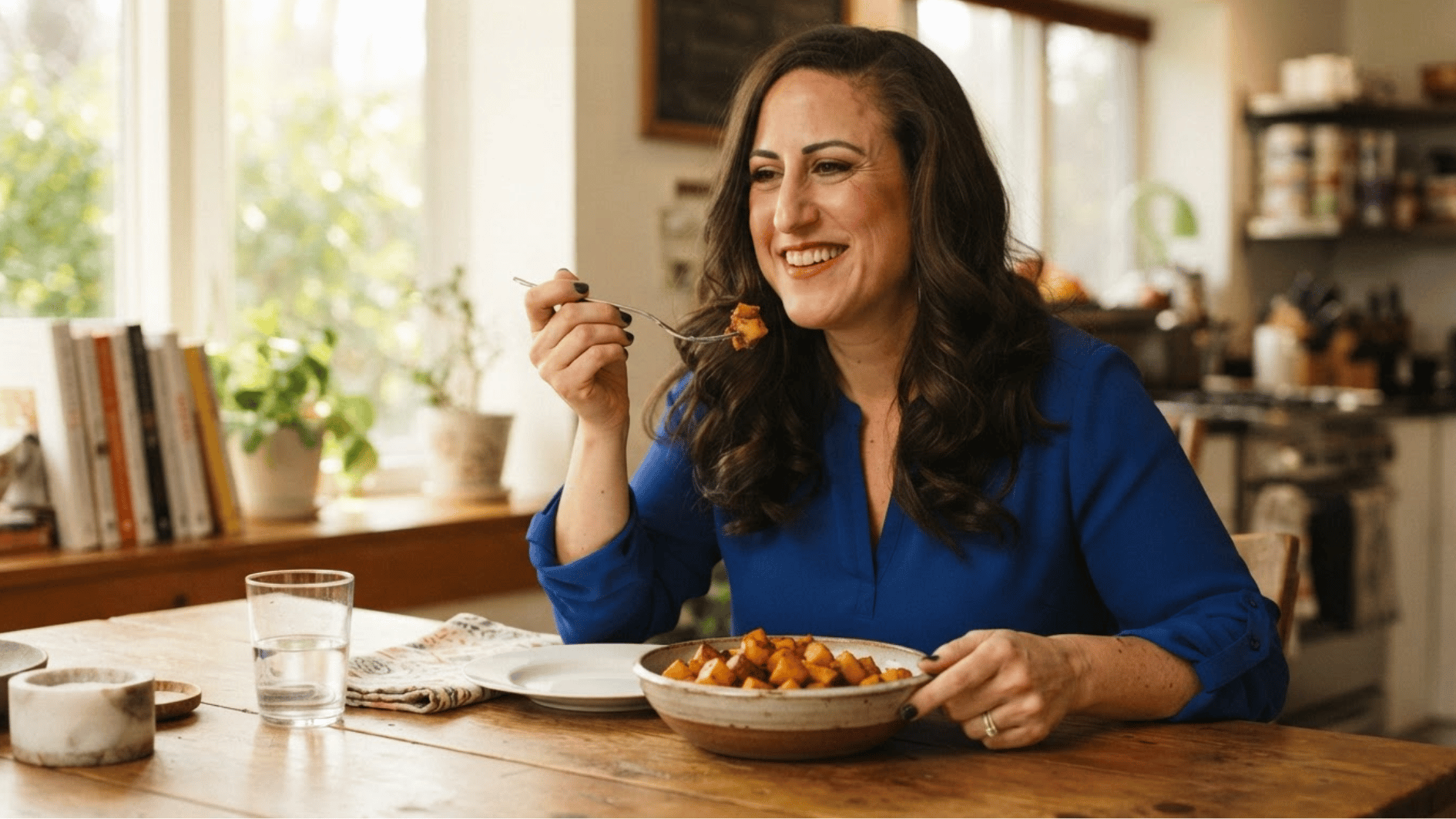
Butternut squash isn’t just delicious. It brings real health benefits, from stronger immunity to better digestion.
1. Supports Eye Health
Beta-carotene, which your body turns into vitamin A, helps protect your eyes and may lower the risk of vision problems as you age.
Butternut squash also has natural compounds that support long-term eye health.
2. Boosts Immunity
One cup covers a large share of your daily vitamin A and vitamin C needs, both of which help your immune system fight off illness.
It also contains small amounts of vitamin B6, which helps keep immune cells functioning properly.
3. Promotes Heart Health
Potassium helps balance sodium levels and keeps blood pressure in a healthy range. The fiber in butternut squash can help lower cholesterol, too, giving your heart extra support from multiple angles.
4. Aids Digestion and Gut Health
High fiber content keeps digestion running smoothly, prevents constipation, and feeds the good bacteria living in your gut. Over time, a healthier gut can also mean better nutrient absorption and less inflammation in the body.
5. Helps Manage Blood Sugar
Fiber slows how quickly sugar enters your bloodstream, which helps prevent sudden spikes. Butternut squash also contains magnesium, a mineral that may help your body use insulin more efficiently.
6. Weight Management and Versatility
Butternut squash supports weight management since it’s low in calories yet high in fiber, helping you feel full longer. At the same time, its magnesium and manganese content also support bone strength and density.
Its mild, slightly sweet flavor makes it an easy, lighter swap for potatoes, rice, or pasta in everyday meals.
How Does it Compare to Other Vegetables?
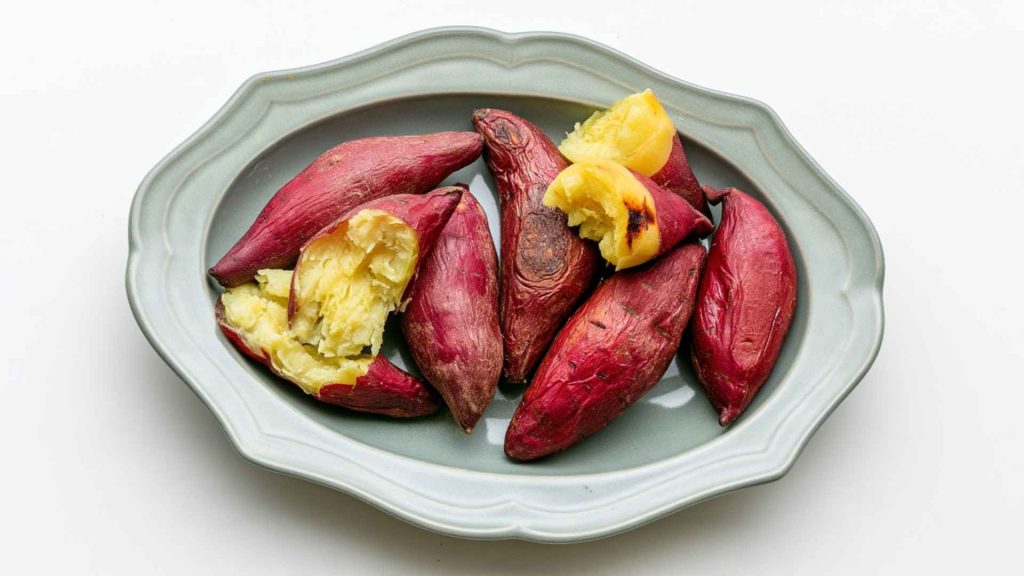
Butternut squash sits in the middle of the carb spectrum, lighter than sweet potato but heavier than most leafy greens. Here’s how it stacks up against a common alternative.
| Type | Calories | Carbs | Best For |
|---|---|---|---|
| Butternut Squash | 82 | 21.5 g |
Low-calorie meals and lighter sides |
| Sweet Potato | 180 | 41.4 g |
Higher-energy meals and post-workout carbs |
| Leafy Greens (Spinach) | 41 | 6.8 g |
Low-carb, high-nutrient meals |
How to Cook Butternut Squash: Easy Recipes to Try
Learning how to make butternut squash is easier than it looks, with just a few simple methods to bring out its natural sweetness.
1. Roasted Butternut Squash
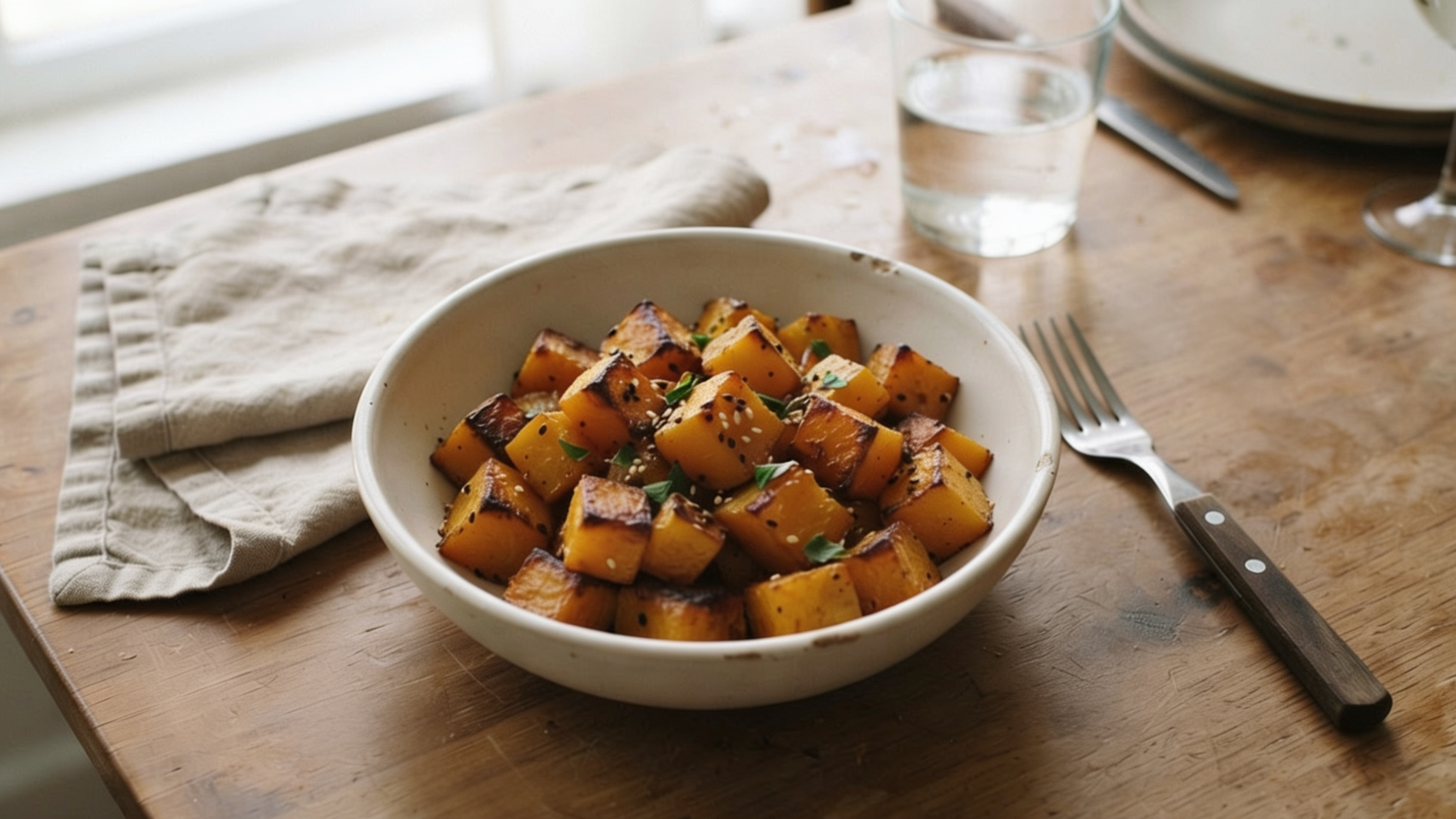
This classic side dish is simple, healthy, and full of flavor, making it an easy addition to weeknight dinners or holiday spreads.
| Ingredient | Quantity |
|---|---|
| Butternut squash, peeled and cubed | 1 medium |
| Olive oil | 2 tbsp |
| Salt | 1 tsp |
| Black pepper | ½ tsp |
| Cinnamon (optional) | ½ tsp |
Preparation:
- Preheat the oven to 400°F (200°C).
- Toss the squash cubes with olive oil, salt, pepper, and cinnamon.
- Spread evenly on a baking sheet.
- Roast for 25–30 minutes, flipping halfway, until tender and lightly browned.
- Serve warm as a side dish or add to salads and grain bowls.
2. Butternut Squash Soup
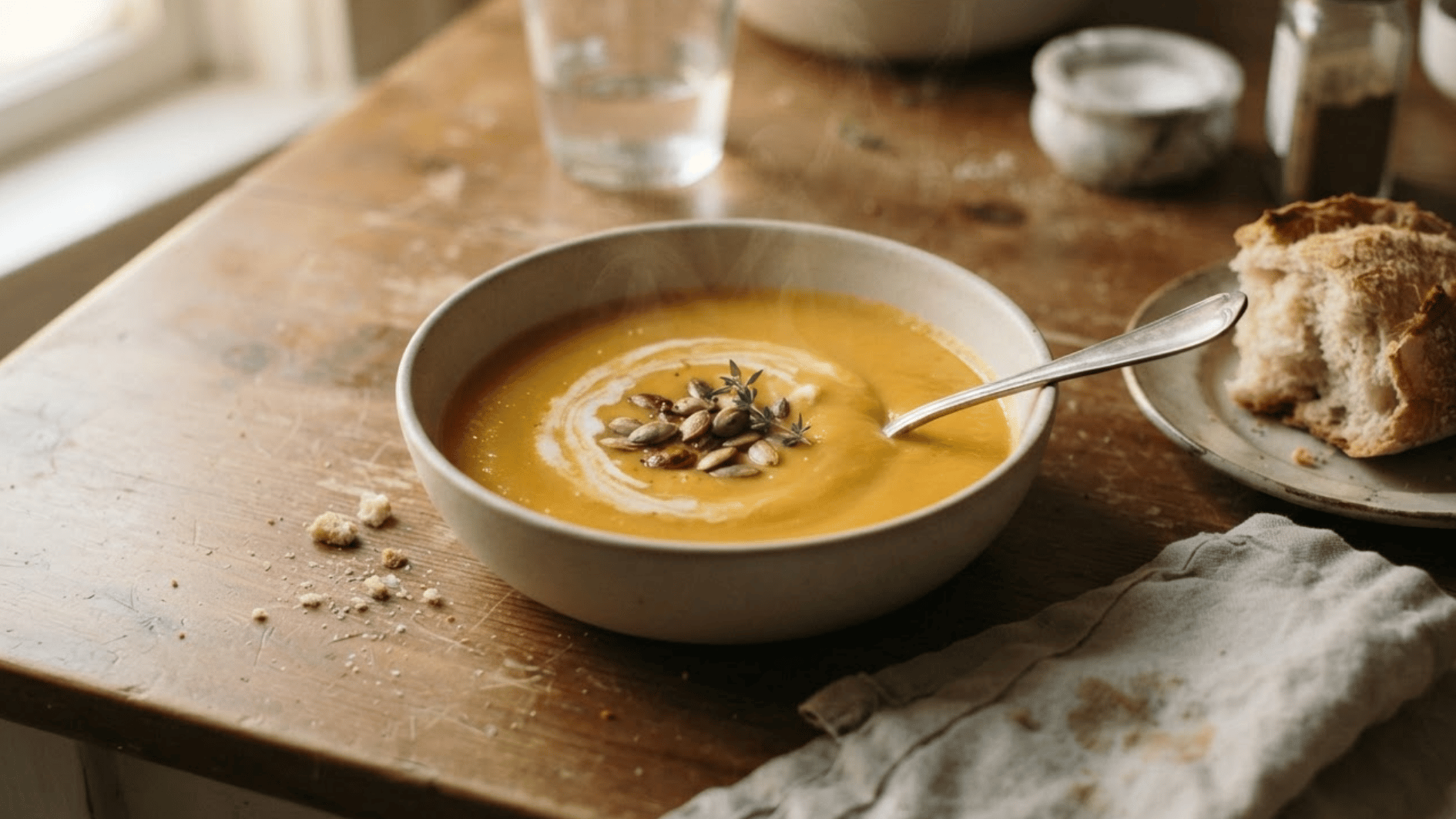
A cozy, creamy fall favorite that’s simple to make at home, perfect for chilly evenings when you want a warm, comforting bowl of soup.
| Ingredient |
Quantity |
|---|---|
| Butternut squash, peeled and cubed | 1 medium |
| Olive oil | 1 tbsp |
| Onion, chopped | 1 |
| Garlic cloves, minced | 2 |
| Vegetable broth | 4 cups |
| Coconut milk (or cream) | ½ cup |
| Salt and pepper | To taste |
Preparation:
- Heat olive oil in a large pot and sauté the onion and garlic until soft.
- Add the squash cubes and vegetable broth, then bring to a boil.
- Reduce heat and simmer for 20–25 minutes, until the squash is tender.
- Blend the soup until smooth using an immersion blender or regular blender.
- Stir in the coconut milk and season with salt and pepper.
- Serve warm, garnished with a swirl of cream or roasted seeds.
3. Mashed Butternut Squash
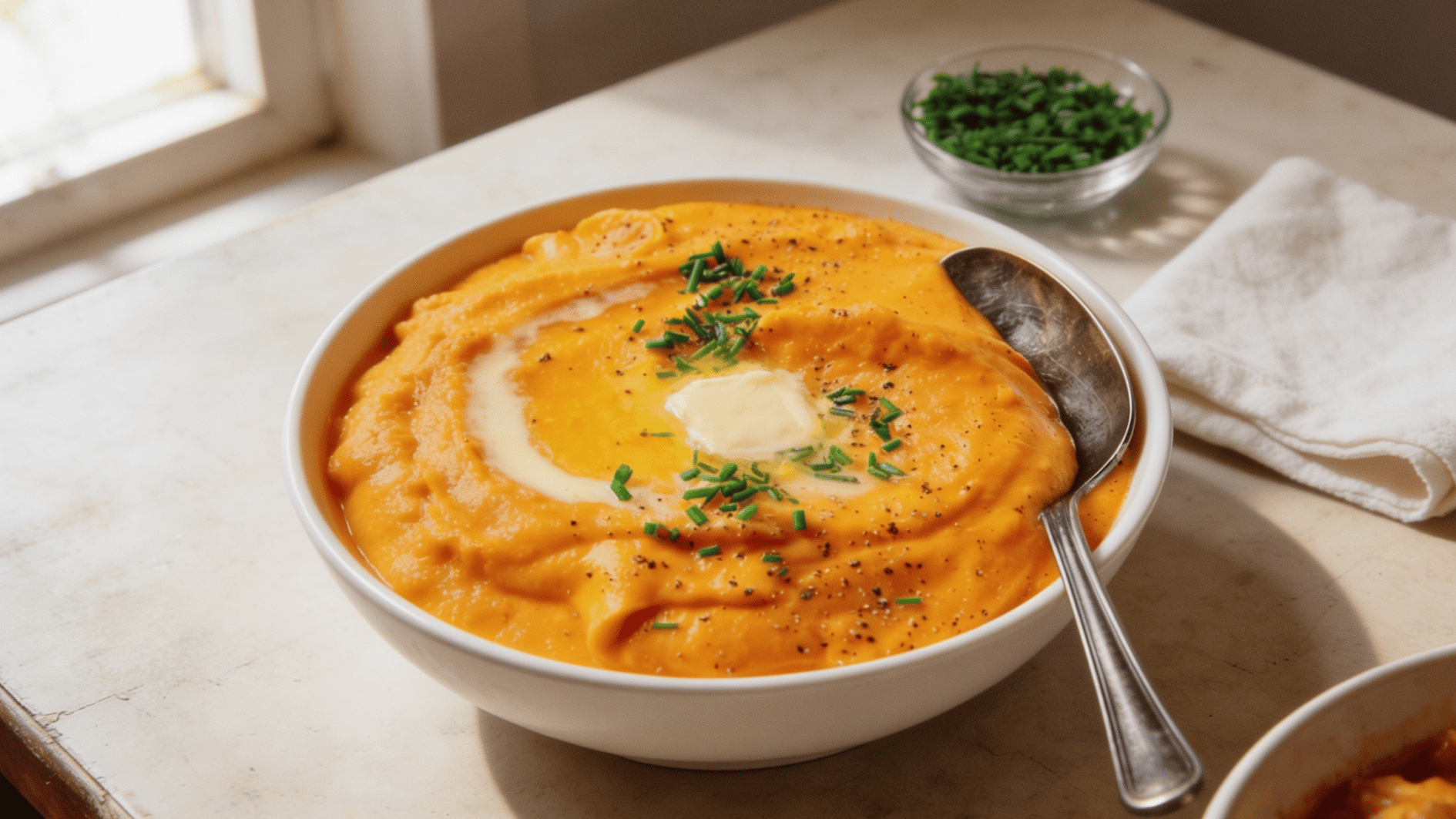
A creamy, comforting side dish that’s a lighter twist on mashed potatoes, offering the same rich texture with fewer calories and more natural sweetness.
| Ingredient | Quantity |
|---|---|
| Butternut squash, peeled and cubed | 1 medium |
| Butter | 2 tbsp |
| Milk | ¼ cup |
| Salt and pepper | To taste |
| Cinnamon (optional) | Pinch |
Preparation:
- Boil squash cubes in salted water for 15–20 minutes, until fork-tender.
- Drain well and return to the pot.
- Add butter and milk, then mash until smooth and creamy.
- Season with salt, pepper, and cinnamon if desired.
- Serve warm as a side dish.
What to Know Before Adding Butternut Squash to Your Diet?
Butternut squash is healthy, but not perfect for everyone. Here’s what to watch for before adding it regularly to your diet.
- High in carbs: Contains more carbs than most non-starchy vegetables, making it less suitable for strict keto diets.
- Digestive discomfort: Eating too much fiber at once can lead to bloating, gas, or an upset stomach.
- Potassium caution: People on beta-blockers or with kidney issues should watch their potassium intake, as high levels can pose risks.
- Tough to prep: The thick, hard skin makes peeling and cutting more time-consuming than softer vegetables.
- Higher natural sugar: Naturally sweeter than most vegetables, so those watching blood sugar should keep portions in check.
The Bottom Line
Butternut squash nutrition offers a lot in one simple vegetable: low calories, moderate carbs, and a strong dose of vitamins, minerals, and fiber.
It fits easily into a healthy diet, supports digestion, immunity, and heart health, and works well for most people, though those watching their carb or potassium intake should stay mindful of portion sizes.
Even if roasted, blended into soup, or mashed, butternut squash is simple to cook and easy to love. Give one of these recipes a try, and see how this humble squash can upgrade your next meal.
Frequently Asked Questions
Is Butternut Squash a Fruit or a Vegetable?
Botanically, butternut squash is a fruit since it grows from a flowering vine and contains seeds. In cooking, though, it’s treated as a vegetable and used in savory dishes like soups, roasts, and mashes.
Can You Eat the Skin and Seeds of Butternut Squash?
Yes, both are edible. The skin softens when roasted, and the seeds can be roasted and eaten just like pumpkin seeds.
How Long Does Butternut Squash Last?
Whole, uncut butternut squash can last 1–3 months when stored in a cool, dry place. Once cut, it should be refrigerated and used within 3–5 days.
What Is the Best Way to Store Butternut Squash?
Store whole butternut squash in a cool, dry place away from direct sunlight, where it can last 1–3 months. Once cut, wrap it tightly and refrigerate, using it within 3–5 days for best freshness.