K-pop groups come in all sizes, from four-member teams to lineups that fill an entire stage.
So when people ask what K-pop group has the most members, the honest answer depends on how you count: a group’s currently active roster, its debut lineup, or its historical peak all tell a different story.
Keep reading for a clean breakdown of the biggest names, famous K-pop groups, and the numbers fans most often search for.
Quick Answer: What Kpop Group Has the Most Members?
The answer changes by category. For fixed active lineups, tripleS is one of the biggest K-pop groups, with 24 members.
For a unit-based K-pop act, NCT is one of the largest names, with recent sources listing the group around the mid-20s.
Since NCT works through units, it should not be counted the same way as a fixed group would be.
Historical lineups also matter. Apeace debuted with 21 members, while Super Junior is often cited for its 15-member peak.
Famous Kpop Groups With the Biggest Lineups
Some K-pop groups became known for having much larger lineups than the usual idol team.
tripleS

tripleS has 24 members, making it one of the largest active K-pop girl groups.
MODHAUS introduced the members in stages, with all 24 joining the 2024 album ASSEMBLE24. The group releases music with its full lineup and through smaller units formed for separate projects.
This setup gives members more opportunities to participate in songs, performances, and fan content.
Later releases, including ASSEMBLE25, continued the full-group format while keeping the unit system central to tripleS activities at present.
NCT
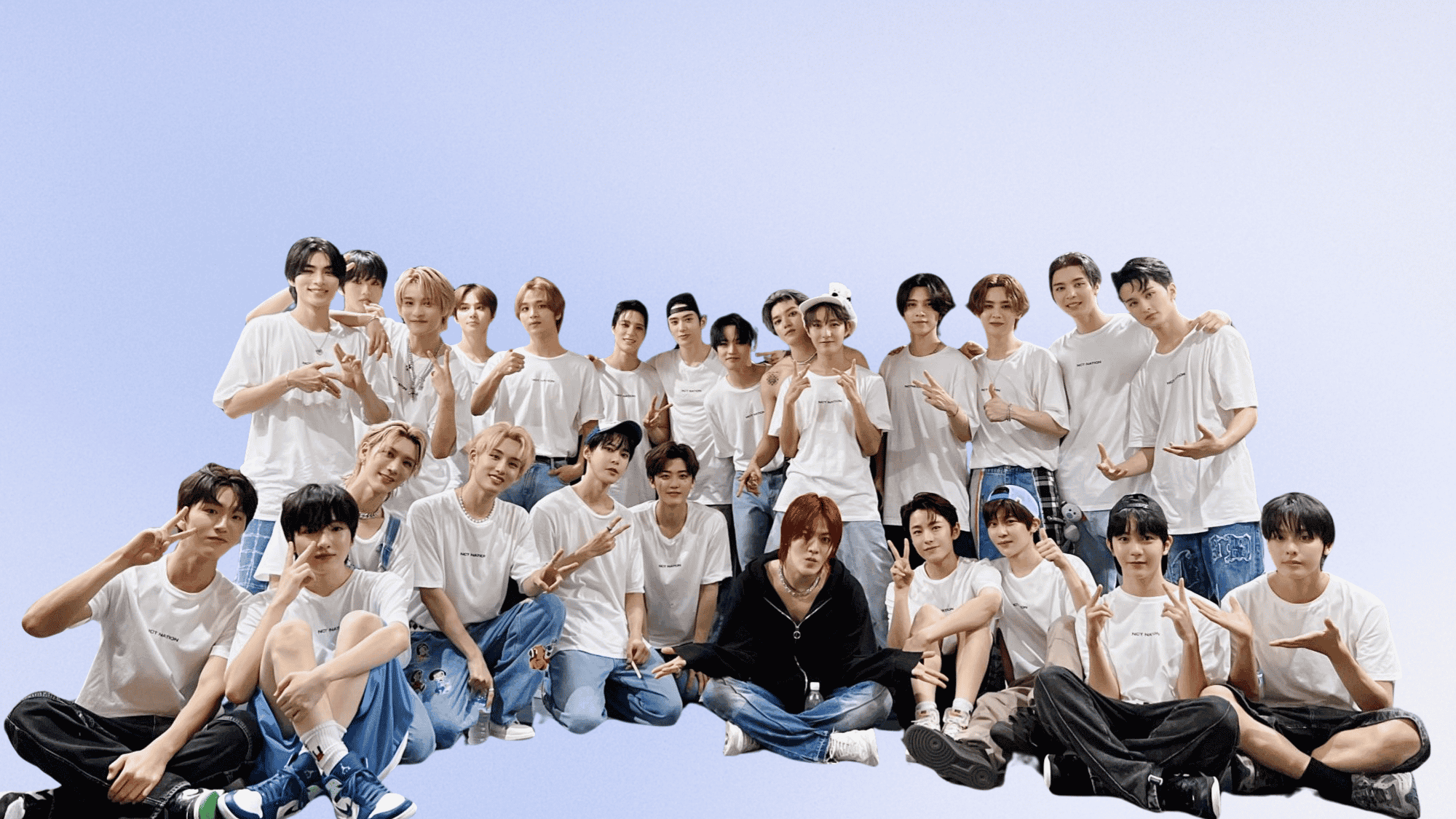
NCT uses a unit system rather than a fixed performing lineup. Its main teams include NCT 127, NCT DREAM, WayV, and NCT WISH, while NCT U changes members for each song.
The roster shifted twice in 2026. Mark ended his NCT activities on April 8 after his exclusive contract with SM Entertainment expired, Forbes reported , departing NCT 127 and NCT DREAM entirely. Winwin followed on July 9, also concluding his contract and all group activities.
A third member, Ten, also let his SM contract lapse in April but negotiated to remain an active member of both NCT and WayV, a different arrangement from Mark and Winwin’s full exits.
These changes brought NCT’s active roster to 23 members, though most schedules still run through separate units and solo activities.
Apeace
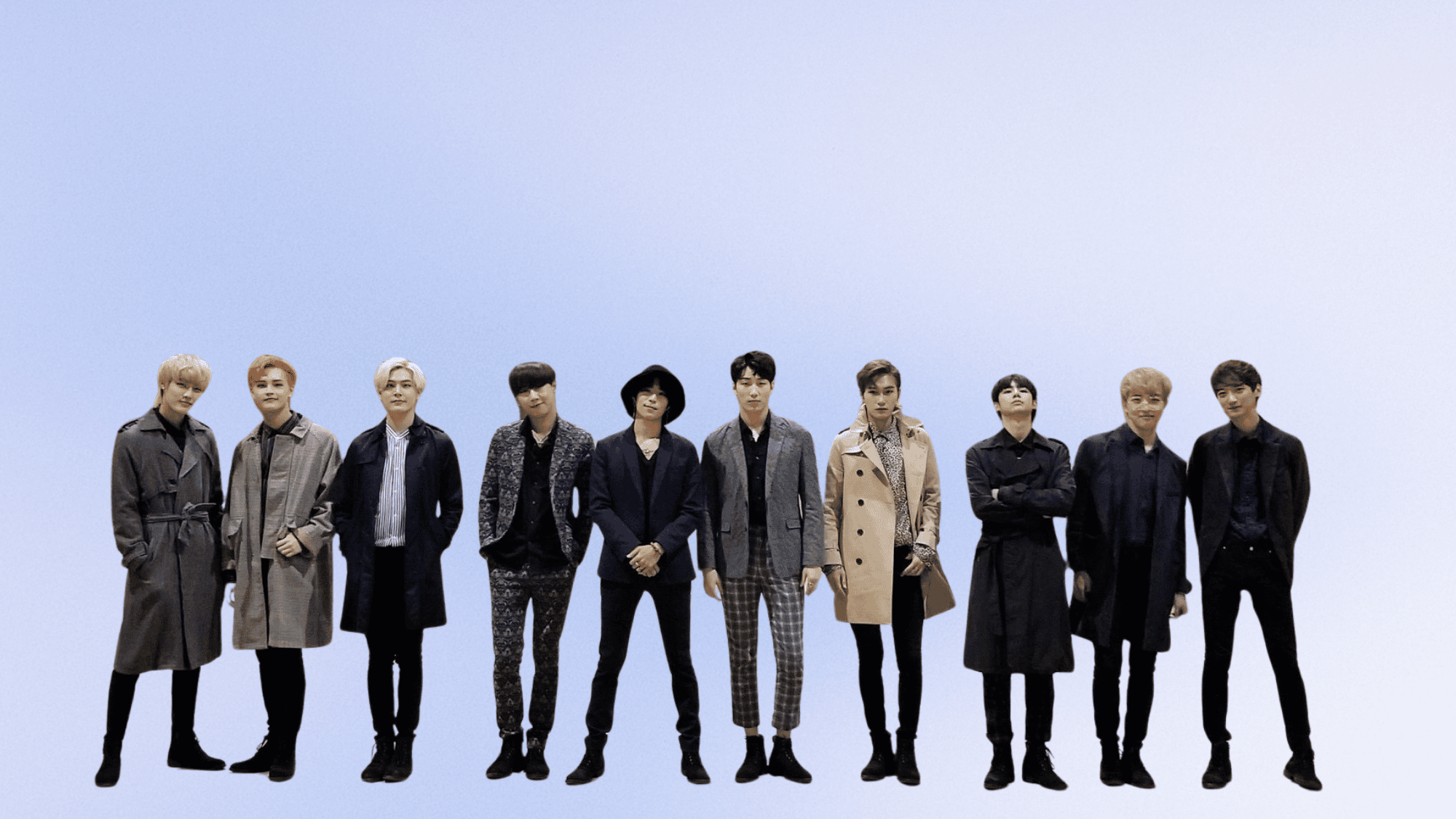
Apeace belongs in the historical section of large K-pop lineups. The act began in 2010 as Double B 21 with 21 members, then re-debuted in Japan under the Apeace name in 2011.
Its members were divided into smaller teams for regular stage activities. The lineup fell to 15 members in 2014 and later reached 12.
Apeace ended its group activities in December 2021, but its original 21-member lineup remains one of the largest debut rosters for a Korean boy group.
SEVENTEEN
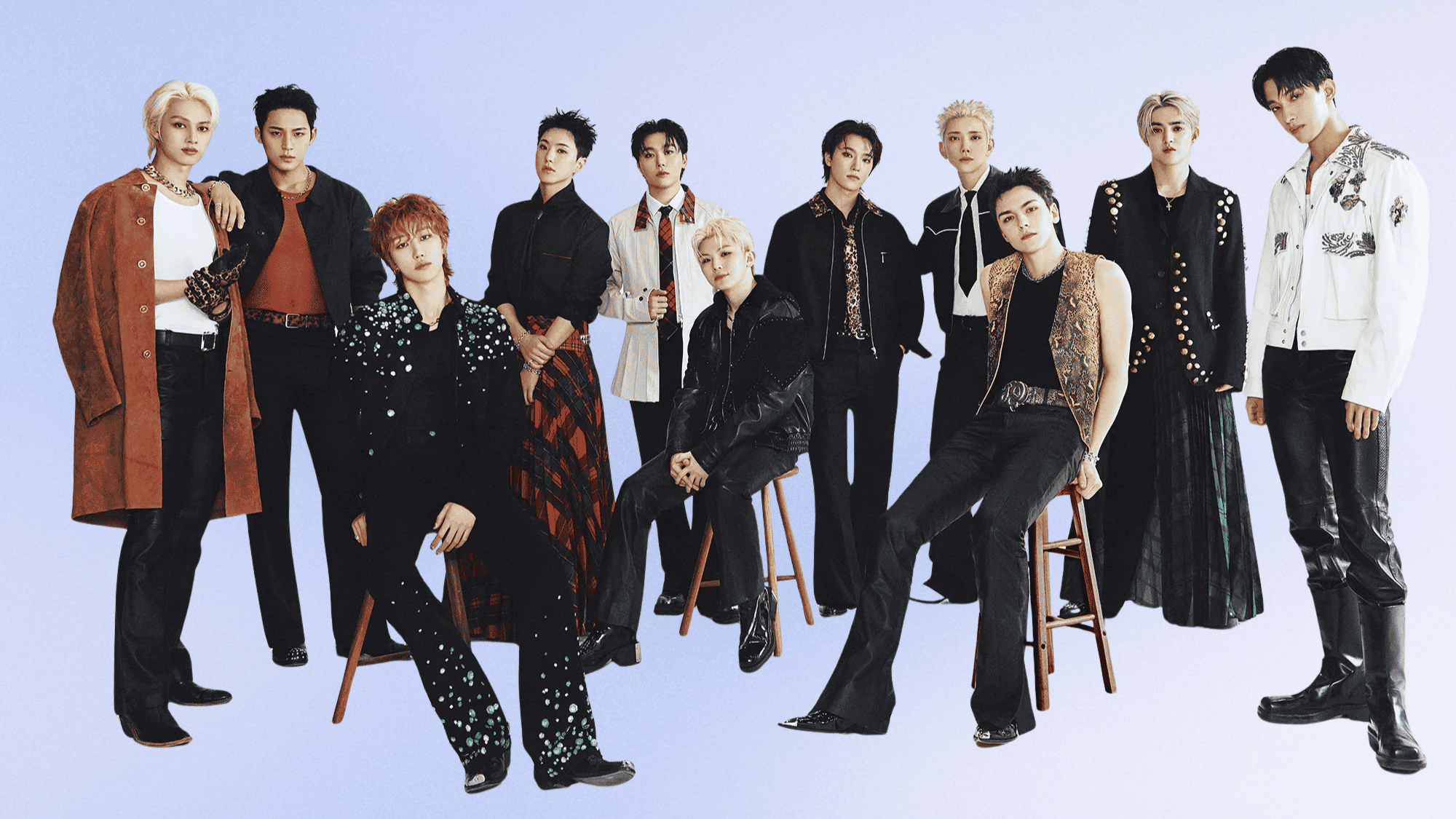
SEVENTEEN debuted in May 2015 and has kept the same 13-member lineup. The members are divided into hip-hop, vocal, and performance units, giving each person a clear role within the team.
The group name links 13 members, 3 units, and 1 team, for a total of 17. Military service and solo schedules may affect who appears at certain public events, but the membership stays at 13.
Their unchanged roster makes SEVENTEEN a rare case among established, long-running idol groups today.
Super Junior
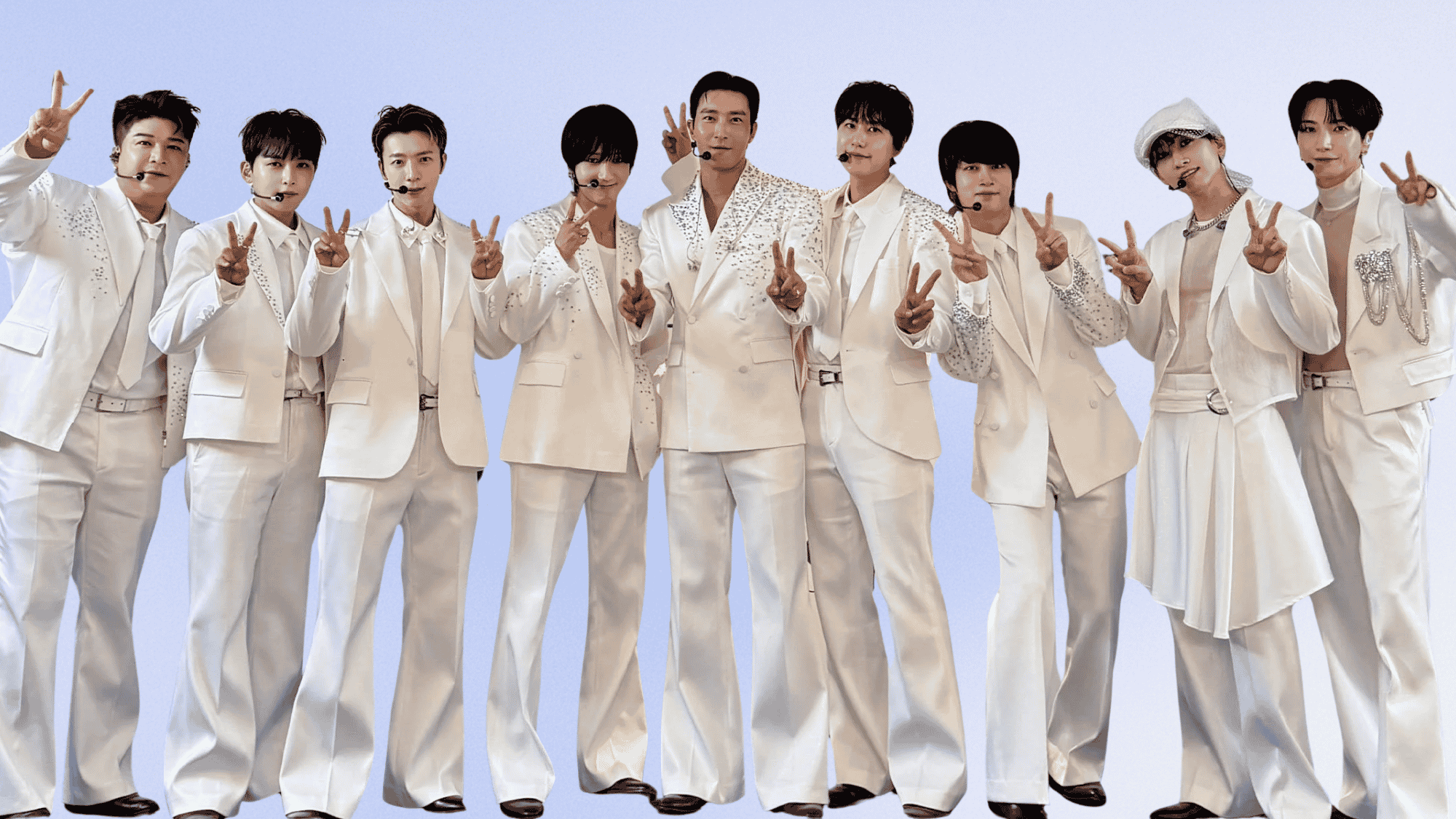
Super Junior debuted with 12 members in 2005, and Kyuhyun joined in 2006, taking the main lineup to 13.
Henry and Zhou Mi later joined Super Junior-M as unit members outside the official main-group roster. The active lineup has become smaller through departures and long absences.
The 2025 anniversary album Super Junior25 featured nine members: Leeteuk, Heechul, Yesung, Shindong, Eunhyuk, Donghae, Siwon, Ryeowook, and Kyuhyun.
This nine-member team also led the group’s anniversary promotions and tour activities worldwide during 2026.
WJSN
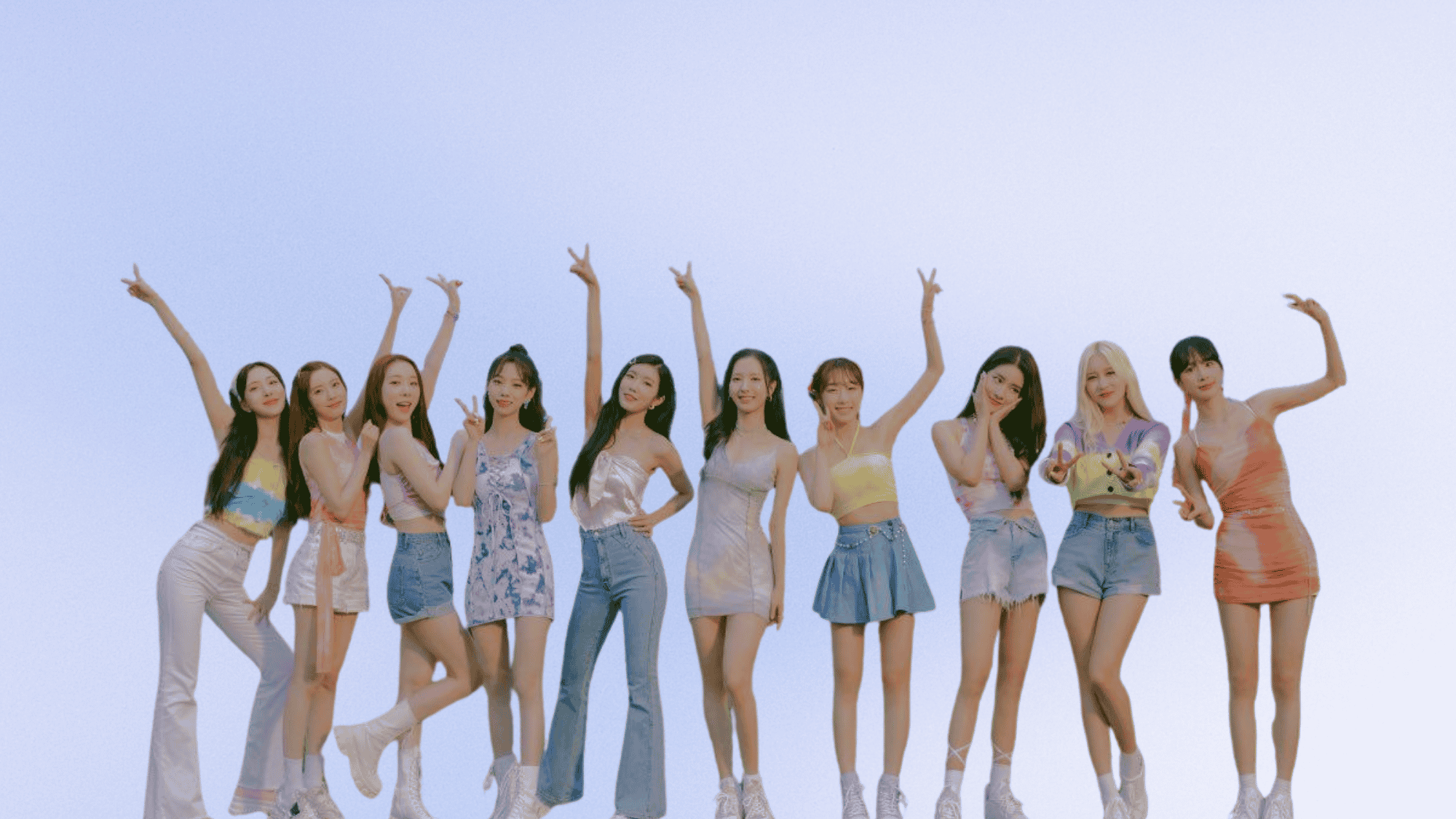
WJSN debuted with 12 members in February 2016 and later added Yeonjung, bringing the lineup to 13.
Chinese members Xuanyi, Cheng Xiao, and Meiqi stopped joining Korean group schedules in 2018 and left after their contracts ended in 2023. Luda and Dawon left Starship Entertainment but remained members of WJSN.
The group marked its tenth anniversary in February 2026 with the single Bloom Hour. WJSN is linked to a ten-member lineup, though not every member was part of that release.
LOONA
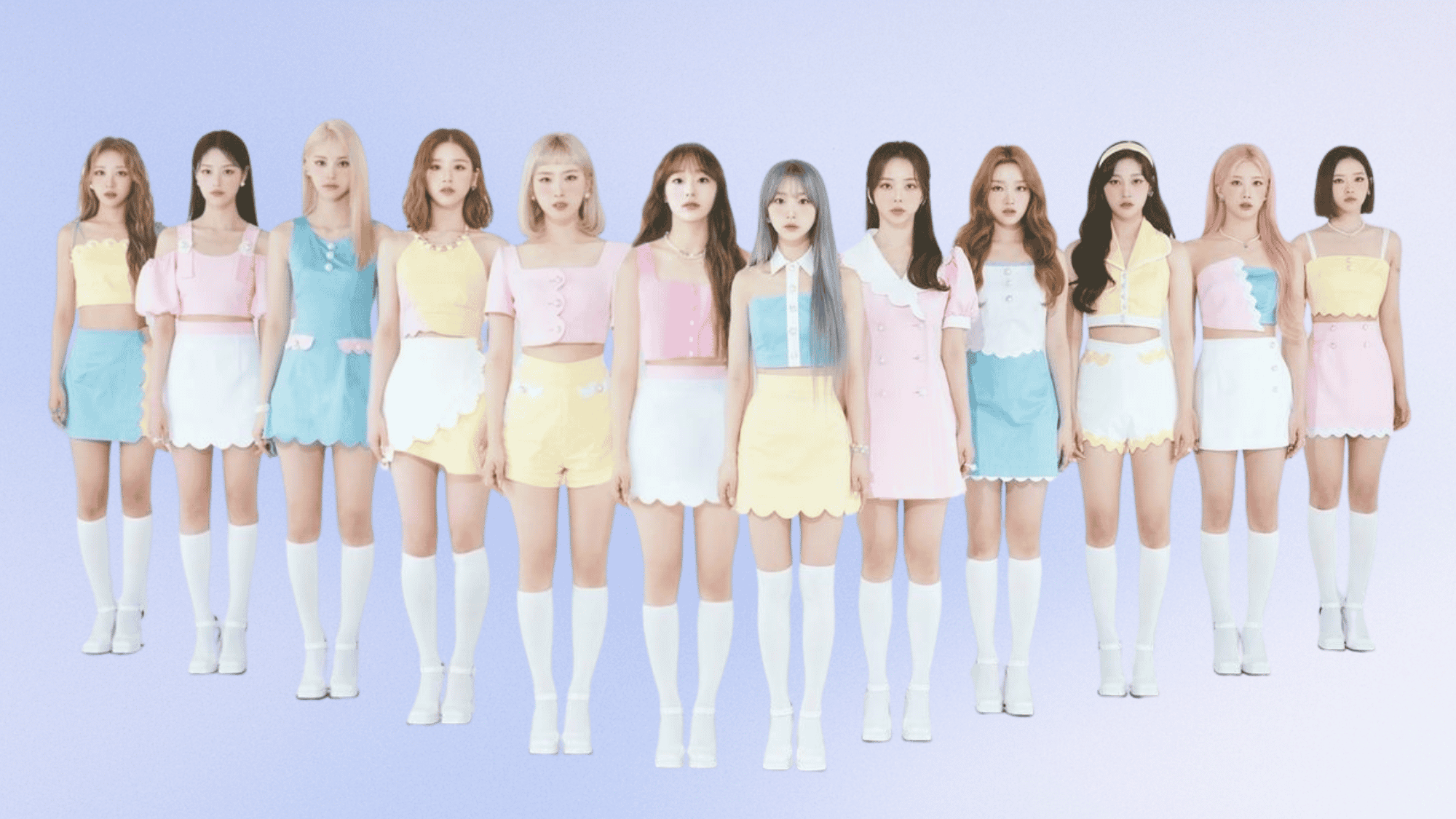
LOONA became known for a 12-member lineup introduced through solo releases and smaller units before the full-group debut in August 2018. This rollout helped listeners learn each member before all 12 appeared together.
Contract disputes with BlockBerry Creative later stopped regular group activities, and every member left the company.
The members then moved into ARTMS, Loossemble, or solo careers under different agencies. LOONA is best listed as a former 12-member full group rather than an active team with group promotions.
TREASURE
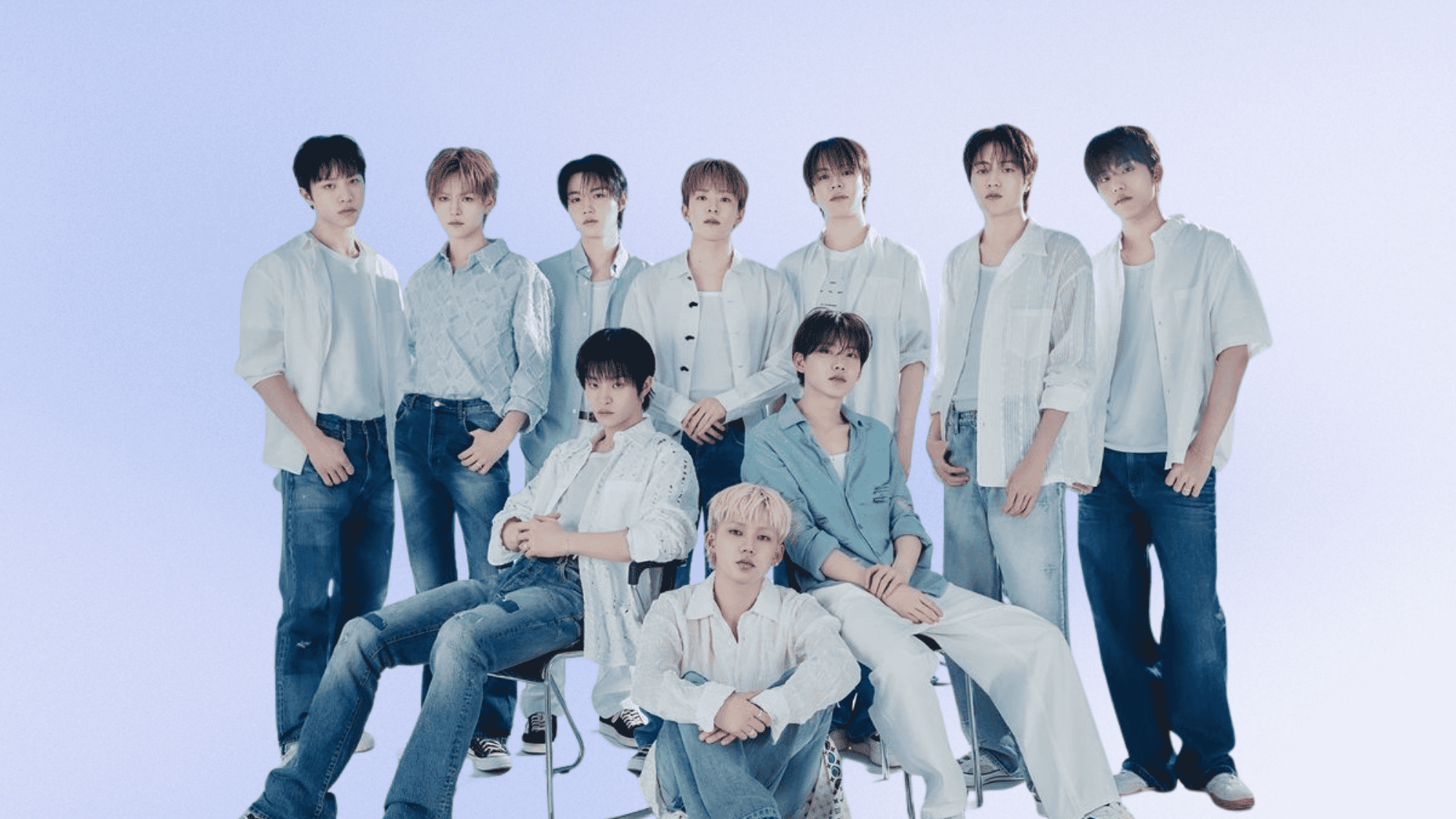
TREASURE debuted under YG Entertainment in August 2020 with 12 members. The larger roster allowed the group to divide singing, rapping, and dancing parts among members while using wide formations on stage.
Mashiho and Bang Yedam left the group and ended their contracts in November 2022. TREASURE has worked as a ten-member team since that announcement.
YG Entertainment’s official profile lists Choi Hyun Suk, Jihoon, Yoshi, Junkyu, Yoon Jae Hyuk, Asahi, Doyoung, Haruto, Park Jeong Woo, and So Jung Hwan.
Biggest Kpop Groups by Member Count
Member counts can change based on current, debut, peak, or unit-based lineups. This table separates fixed active groups, unit-based acts, and older large-lineup records.
| Group | Member Count to Know | Best Category |
|---|---|---|
| tripleS | 24 | Fixed active lineup |
| NCT | Around 25 to 26 by source date | Unit-based K-pop act |
| Apeace | 21 originally | Historical debut lineup |
| Super Junior | 15 at peak | Historical peak lineup |
| SEVENTEEN | 13 | Fixed active boy group |
| WJSN | 13 historically | Changed lineup |
| LOONA | 12 | Original full-group lineup |
| TREASURE | 12 at debut | Debut lineup |
Biggest Kpop Boy Groups
Among boy groups, NCT is the main unit-based example because it operates through several teams under a single larger name. SEVENTEEN is the best fixed active example in this section, with 13 members and three units.
Super Junior belongs here for its past 15-member count, though its current listed lineup is smaller.
Other big boy groups include THE BOYZ, TREASURE, Wanna One, X1, EXO, Golden Child, and Topp Dogg.
Some are active. Some have ended group work. Some had lineup changes after debut, so each count should be checked before publishing.
Biggest Kpop Girl Groups
For girl groups, tripleS is the strongest fixed active answer because of its 24-member lineup. WJSN, LOONA, IZ*ONE, I.O.I, Girls’ Generation, and TWICE are also useful names for readers comparing bigger girl groups.
Each group handled size differently. tripleS uses units. LOONA introduced members one by one before the full group came together.
IZ*ONE and I.O.I came from survival shows, so many fans knew the members before their debut. That made larger lineups easier to follow.
Does a Bigger Lineup Make a K-pop Group More Popular?
A bigger lineup can make a group look powerful on stage, but size alone doesn’t drive popularity. Songs, timing, fan support, stage skill, and social reach all matter more.
Small groups can become huge too; BLACKPINK is a clear four-member example. Large groups such as SEVENTEEN, NCT, and tripleS also show that big teams can work when the roles are easy to follow.
To understand how individual members break out on their own, knowing the profiles of the most recognizable groups addresses that side of things.
Covering these groups, the size only helps once fans can actually tell members apart; a 24-member group that blurs together on first listen loses people faster than a tight four-member act ever would.
Why K-pop Member Counts Can Be Confusing
K-pop member counts often vary across sources because groups do not always maintain the same lineup. A member may leave, join after debut, pause activities, serve in the military, or take part only in a subunit.
Some profiles list the debut lineup, while others use the highest member count or the number currently promoting. Unit-based acts such as NCT can be harder to count because members work across separate teams.
Note: Older articles may also remain online after lineup changes. Checking the date and official group profile might help you understand which member count is being used at that specific time.
Wrapping Up
Large K-pop groups can feel overwhelming at first, but that is part of the fun.
Pick one group, learn a few members, watch a stage, then move to the next. Which lineup feels easiest to follow? Which group has the stage style you like most?
Use this list to compare member roles, units, songs, and performances at your own pace. Check updated profiles before choosing your next favorite from these famous K-pop groups.
Share your favorite lineup in the comments, then send this list to a friend and see which group they pick first.
Frequently Asked Questions
Can Large K-Pop Groups Perform as Smaller Teams?
Yes. Many large groups use units for songs, albums, concerts, or special stages so members can show different styles and roles.
What Is the Easiest Way to Learn a Large K-Pop Group?
Start with unit videos, member profile cards, variety clips, and live stages. Learning five members at a time feels much easier.
Do All Members Get Equal Lines in Large K-Pop Groups?
Usually no. Line distribution depends on vocal range, rap parts, song style, member role, and the producer’s choice for each track.