


If you’ve been following K-pop recently, you’ve probably heard fans talking about 5th-gen K-pop groups. With new idols debuting almost every month,
It can be hard to know which groups belong to the latest generation and how they compare to iconic3rd-gen K-pop groups like BTS, BLACKPINK, and TWICE.
This guide highlights the biggest 5th-gen K-pop groups, revisits the most influential 3rd-gen acts, and explains what sets these generations apart.
Keep reading to learn about the groups shaping K-pop’s past, present, and future.
What are K-pop Generations?
K-pop generations are a way of grouping idol teams based on the era in which they debuted and the trends that defined the industry at that time.
Rather than having official start and end dates, each generation is generally recognized through changes in music, marketing, technology, and fan culture.
Here’s a quick overview:
| Generation | Approximate Years | Known For |
|---|---|---|
| 1st Gen | 1992–2003 | Birth of modern idol groups |
| 2nd Gen | 2003–2012 | Expansion of the Hallyu Wave |
| 3rd Gen | 2012–2018 | Global popularity through YouTube and social media |
| 4th Gen | 2018–2022 | Performance-focused concepts and worldwide fandom growth |
| 5th Gen | 2023–Present | Digital-first promotions, global audiences, and stronger fan interaction |
What Defines a 5th Gen K-pop Group?
The term 5th-gen K-pop groups refers to idol groups that debuted during K-pop’s newest era, which most fans and industry experts consider to have started around 2023.
While there isn’t an official organization that decides when one generation ends and another begins, new generations are generally recognized when the industry’s music, marketing, and fan culture evolve.
Compared to3rd-gen K-pop groups, which helped make K-pop a global phenomenon through YouTube, world tours, and social media, 5th-gen groups are debuting in a much more connected digital landscape.
They rely heavily on short-form content, global fan platforms, livestreams, and international promotions from the start of their careers.
Their fresh concepts, polished performances, and worldwide appeal continue to shape the future of the industry.
Best 5th Gen K-pop Groups
The 5th generation has introduced a wave of talented idols, quickly making their mark on the global stage. Here are the acts leading the pack right now.
1. ZEROBASEONE (ZB1)
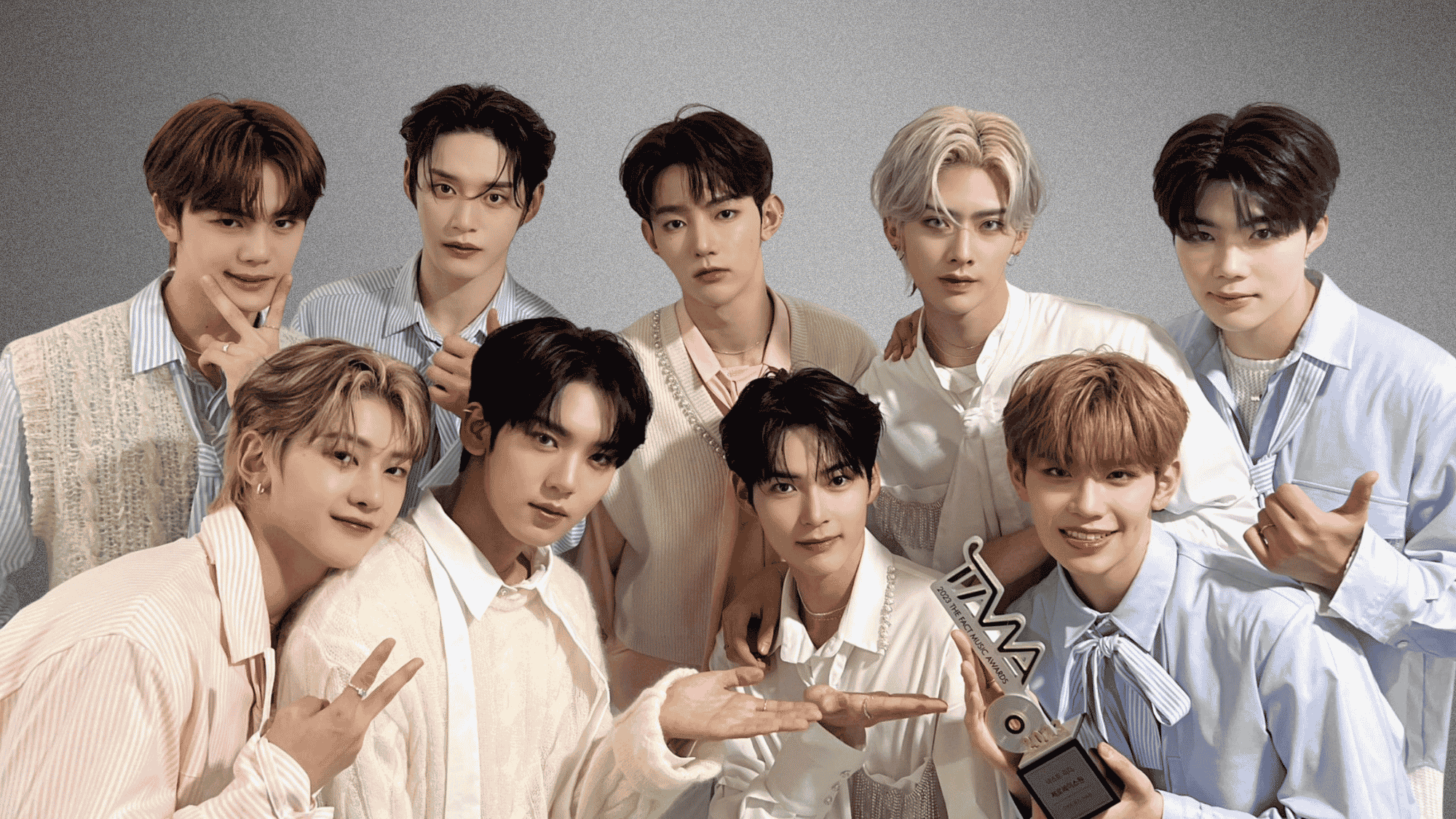
Formed through Mnet’s survival show Boys Planet, ZEROBASEONE debuted in July 2023 under WAKEONE Entertainment.
The nine-member boy group gained a massive fanbase even before their official debut, thanks to the popularity of the survival program.
Their debut album Youth in the Shade broke first-day and first-week sales records for a rookie group, proving their strong global appeal.
Songs like “In Bloom” and “Crush” showcase bright melodies, polished choreography, and youthful concepts that have become the group’s signature style.
Members: Sung Hanbin, Kim Jiwoong, Zhang Hao, Seok Matthew, Kim Taerae, Ricky, Kim Gyuvin, Park Gunwook, and Han Yujin.
2. RIIZE
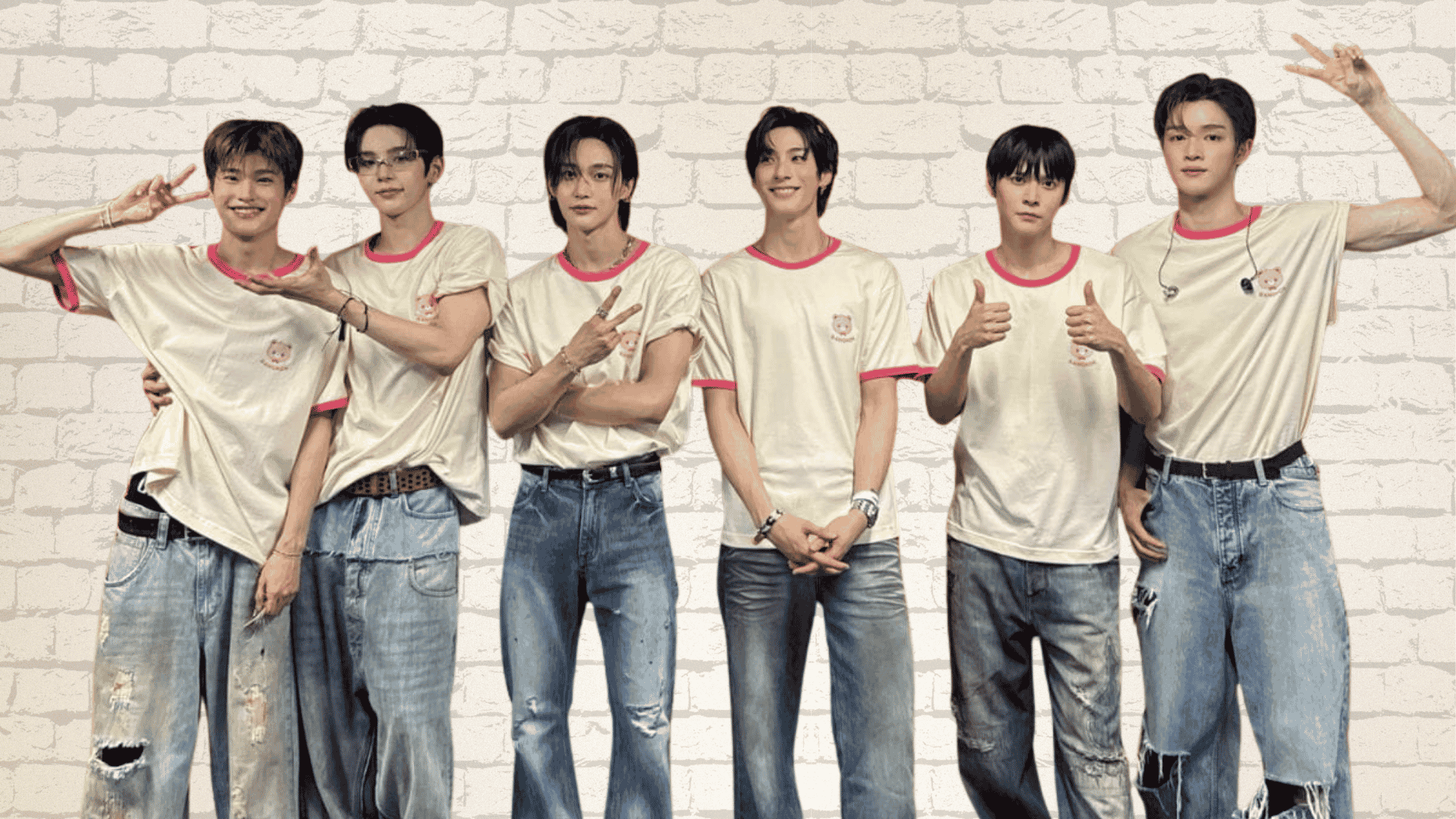
RIIZE debuted under SM Entertainment in September 2023 and quickly attracted attention for its “emotional pop” concept.
The group’s music blends catchy melodies with relatable lyrics, appealing to both longtime K-pop fans and newer audiences.
Since their debut, RIIZE has consistently released chart-performing singles while building a strong international following.
Their energetic performances and polished visuals have helped establish them as one of the standout 5th-gen K-pop groups.
Members: Shotaro, Eunseok, Sungchan, Wonbin, Sohee, and Anton.
3. BOYNEXTDOOR

BOYNEXTDOOR debuted under KOZ Entertainment, a subsidiary of HYBE Labels, in May 2023.
Produced by artist and label founder Zico, the six-member group quickly gained attention for its relatable concepts, storytelling, and easy-listening music that captures everyday emotions.
Unlike many groups that lean into elaborate fantasy themes, BOYNEXTDOOR focuses on youthful experiences, friendships, and first love, making their music feel authentic and approachable.
Members: Sungho, Riwoo, Jaehyun, Taesan, Leehan, and Woonhak.
4. TWS
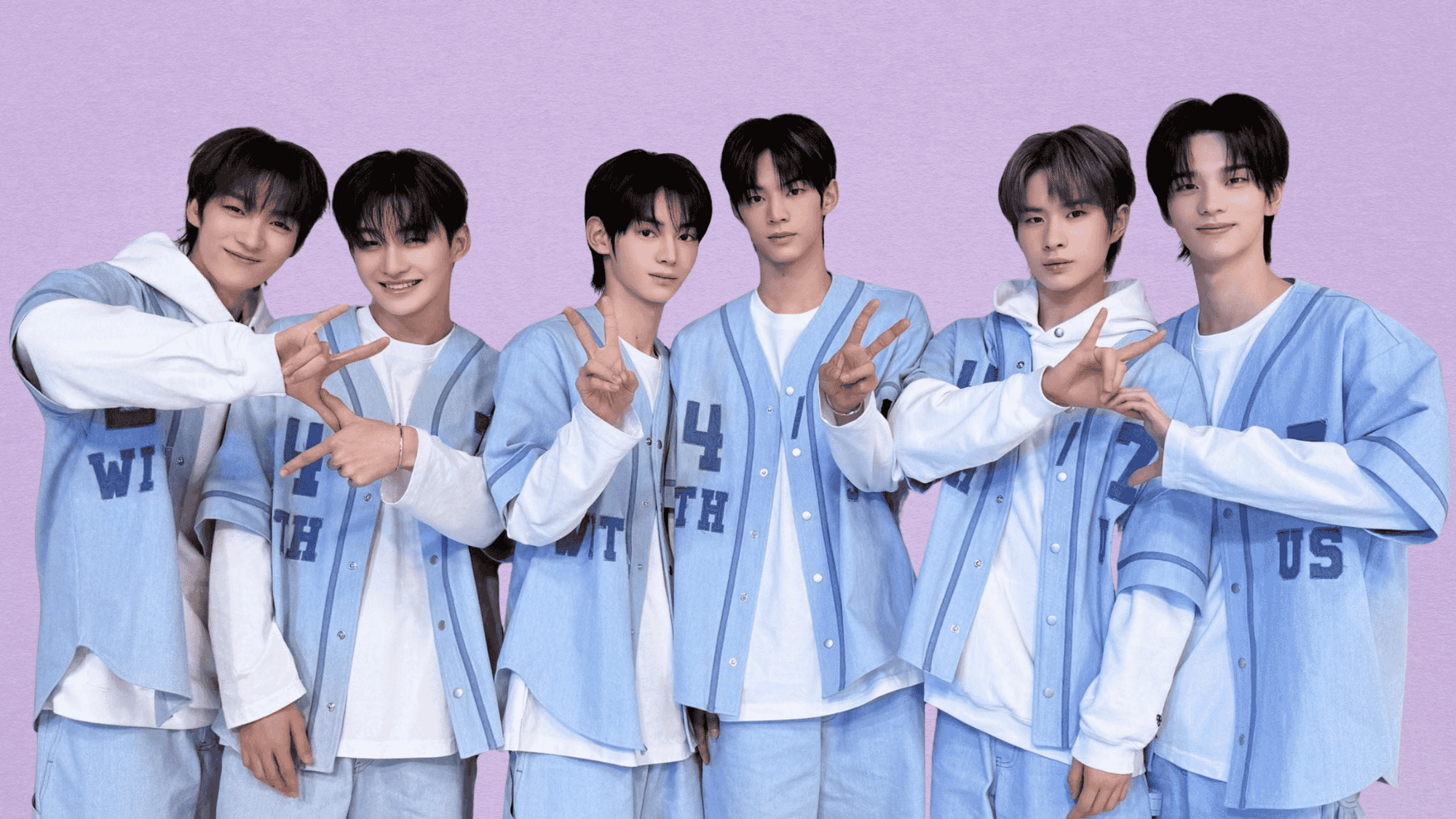
TWS debuted underPLEDIS Entertainment in January 2024 and immediately made an impression with its youthful image and refreshing music style.
The six-member boy group introduced the concept of “boyhood pop,” focusing on themes of friendship, growing up, and everyday moments.
Their debut single quickly gained popularity for its catchy melody and feel-good vibe, helping the group attract both domestic and international fans.
Members: Shinyu, Dohoon, Youngjae, Hanjin, Jihoon, and Kyungmin.
5. BABYMONSTER
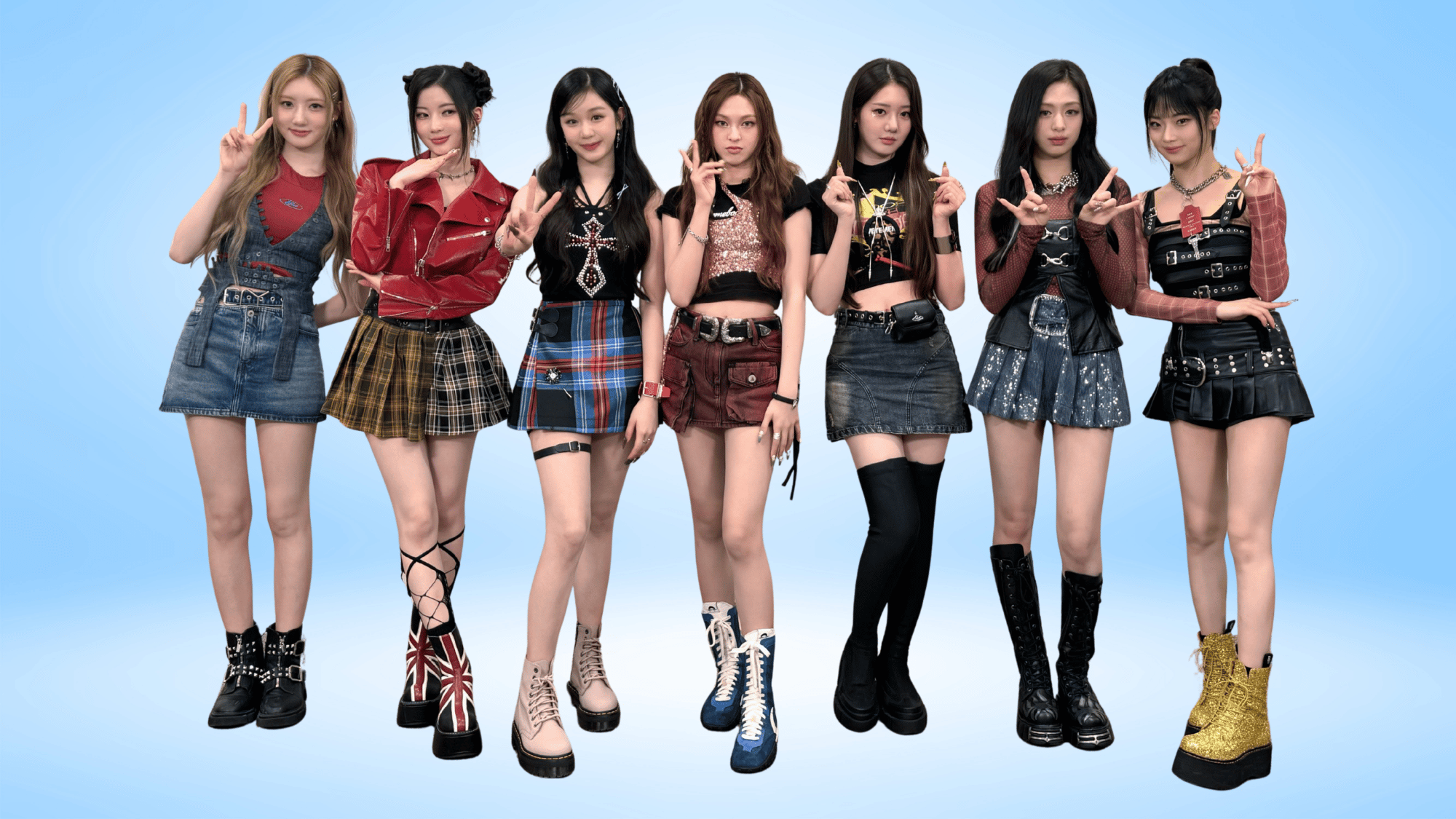
BABYMONSTER is YG Entertainment’s newest girl group, officially debuting in 2024 after generating significant attention through a pre-debut survival series.
The seven-member group impressed fans with powerful vocals, confident rap performances, and polished stage skills long before their official debut.
Drawing comparisons to BLACKPINK while carving out its own identity, BABYMONSTER blends hip-hop influences with strong vocals, a lineage worth knowing alongside the K-pop vocalists shaping global pop right now.
Members: Ruka, Pharita, Asa, Ahyeon, Rami, Rora, and Chiquita.
Most Popular 3rd Gen K-pop Groups
Before the rise of today’s rookie idols, 3rd-gen K-pop groups helped make K-pop into a global phenomenon.
Debuting between roughly 2012 and 2018, these artists expanded the genre’s international reach through record-breaking albums, sold-out world tours, and massive online fan communities.
Many of them continue to top music charts and remain among the biggest names in the industry.
1. BTS

BTS debuted underBig Hit Entertainment in 2013 and quickly grew into one of the biggest music acts in the world.
The seven-member group is known for its meaningful lyrics, powerful performances, and ability to connect with fans through music that explores themes such as youth, mental health, and self-love.
Their success has earned them countless awards, chart-topping albums, and songs like “Butter“, and sold-out stadium tours, making them one of the most influential 3rd-gen K-pop groups.
Members: RM, Jin, SUGA, j-hope, Jimin, V, and Jung Kook.
2. BLACKPINK

BLACKPINK debuted under YG Entertainment in 2016 and quickly became one of the world’s most successful girl groups.
Their bold concepts, stylish visuals, and energetic performances have earned them a massive international following.
The group has headlined major music festivals, broken multiple YouTube records, and collaborated with global artists, cementing its place among the most influential 3rd-gen K-pop groups.
Members: Jisoo, Jennie, Rosé, and Lisa.
3. TWICE

TWICE debuted under JYP Entertainment in 2015 after the survival show Sixteen.
Known for their bright concepts, catchy songs, and synchronized performances, the nine-member group quickly became one of South Korea’s most beloved girl groups.
Over the years, TWICE has evolved into a global act while maintaining its signature charm and consistently releasing hit songs.
Members: Nayeon, Jeongyeon, Momo, Sana, Jihyo, Mina, Dahyun, Chaeyoung, and Tzuyu.
4. SEVENTEEN
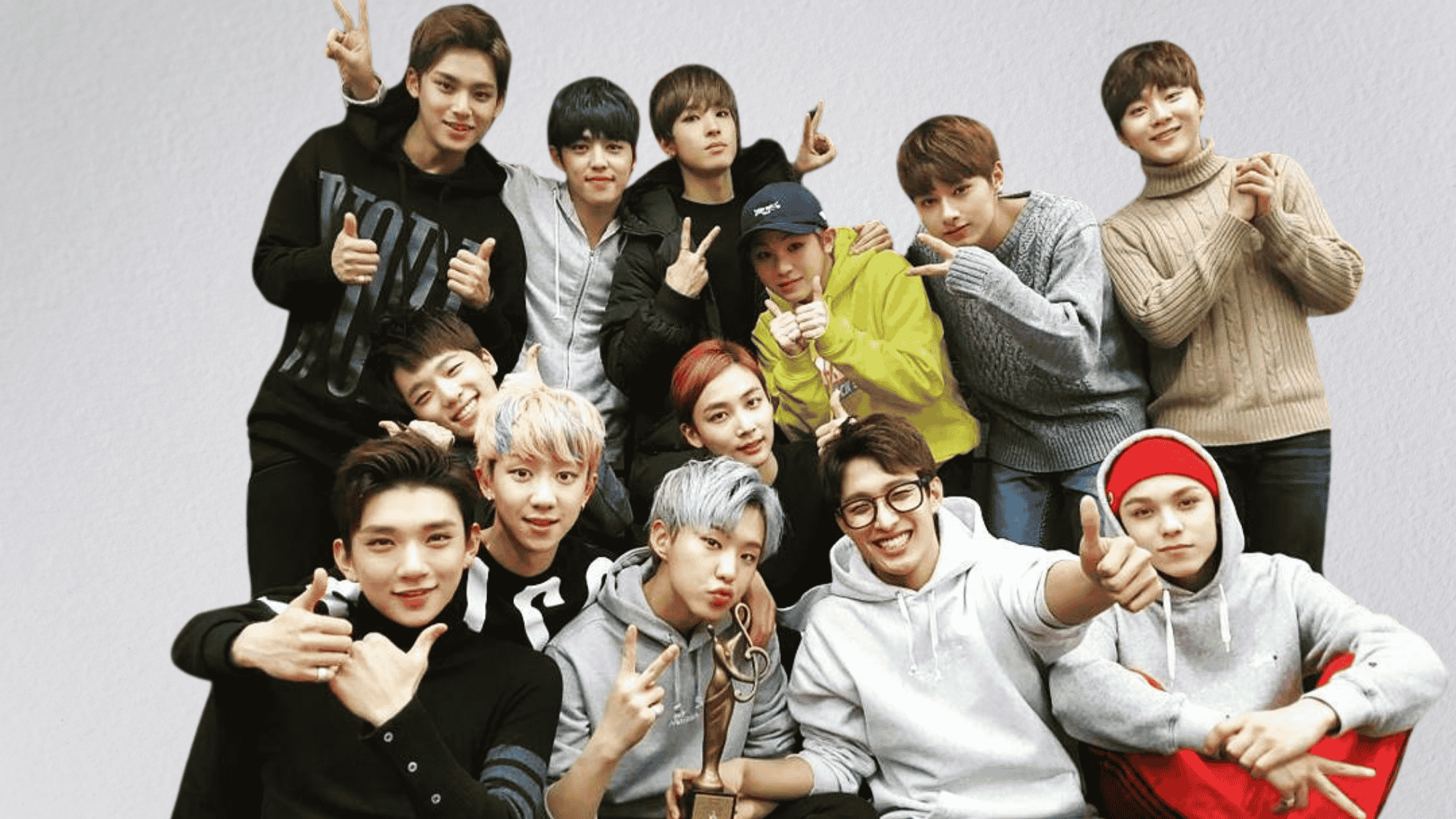
SEVENTEEN debuted under PLEDIS Entertainment in 2015 and is widely recognized for its self-produced music and choreography. The 13-member group actively participates in songwriting, producing, and performance creation, setting them apart from many of their peers.
Their versatility across vocal, hip-hop, and performance units has earned them both critical acclaim and a loyal international fanbase.
Members: S.Coups, Jeonghan, Joshua, Jun, Hoshi, Wonwoo, Woozi, DK, Mingyu, The8, Seungkwan, Vernon, and Dino.
5. EXO

EXO debuted under SM Entertainment in 2012 and helped define the beginning of the third generation of K-pop.
The group’s impressive vocals, polished performances, and diverse musical style quickly earned them widespread recognition.
Even years after their debut, EXO remains one of the most respected and influential groups in K-pop history.
Members: Suho, Xiumin, Baekhyun, Chen, Chanyeol, D.O., Kai, and Sehun.
5th Gen K-pop Groups vs. 3rd Gen K-pop Groups
While both 3rd-gen K-pop groups and 5th-gen K-pop groups have played important roles in the industry’s growth, they debuted in very different eras.
Third-generation idols helped introduce K-pop to mainstream global audiences, while fifth-generation groups are building on that success in an industry already recognized internationally.
Here’s a closer look at how the two generations compare.
| Feature | 3rd Gen K-pop Groups | 5th Gen K-pop Groups |
|---|---|---|
| Debut Period | 2012–2018 | 2023–Present |
| Representative Groups | BTS, BLACKPINK, TWICE, EXO, SEVENTEEN | ZEROBASEONE, RIIZE, BOYNEXTDOOR, TWS, BABYMONSTER |
| Main Focus | Expanding K-pop globally | Building on an already global industry |
| Promotion Style | YouTube, TV shows, world tours | TikTok, Shorts, livestreams, fan platforms |
| Fan Interaction | Social media and fan cafés | Real-time messaging apps, livestreams, and exclusive communities |
| Music Style | Diverse pop, EDM, hip-hop, R&B | Trend-driven pop with experimental sounds and viral appeal |
| Global Reach | Opened international markets | Debut with worldwide audiences already in mind |
Conclusion
The rise of 5th-gen K-pop groups proves that the genre continues to evolve with fresh talent, innovative concepts, and stronger global connections than ever before.
At the same time, 3rd-gen K-pop groups remain an essential part of K-pop’s success, setting records and building the worldwide fanbase that newer artists continue to grow.
As new groups continue to debut, the future of K-pop looks brighter than ever.
Which K-pop generation is your favorite? Share your favorite 3rd-gen or 5th-gen group in the comments and tell us why they deserve the spotlight!
Frequently Asked Questions
When Did The 5th Generation Of K-pop Begin?
Although there is no official date, many fans and industry experts consider 2023 to mark the beginning of the fifth generation of K-pop.
Who is called the King of K-pop in the 3rd generation?
Many fans consider BTS member Jung Kook or the group BTS as a whole to be among the biggest icons of the 3rd generation. However, there is no official “King of K-pop” title, and opinions vary among fans
Can 3rd-gen K-pop groups still be active?
Yes. Many 3rd-gen K-pop groups continue to release new music, tour the world, and promote as a group or through solo activities, even years after their debut.
Which 3rd-gen K-pop group has sold the most albums?
BTS has sold the most albums among 3rd-gen K-pop groups, breaking numerous sales records both in South Korea and worldwide.