


Forklift attachments matter because loads rarely behave like neat pallets in a training manual. Cartons bow, rolls shift, bags sag, and bins can tip if contact points are wrong. A well-matched attachment provides operators with a better grip, clearer placement, and steadier control throughout each lift. It also protects people nearby. In busy warehouses, plants, and yards, safer handling starts with load shape, weight, surface condition, and travel path.
Fit the Load
Before selecting hardware, teams should map the load, route, lift height, surface, and truck rating. Reviewing rightline forklift attachments can help compare clamps, positioners, side shifters, rotators, backrests, and bin dumpers against real handling conditions. That process keeps the focus on contact, balance, visibility, and control before material leaves the floor.
Control Contact Pressure
Clamps can steady products that forks alone cannot support. Carton clamps spread force across boxed goods. Bale clamps hold compressed materials with broader arms and controlled squeeze. Too much pressure crushes packaging or bruises inventory. Too little grip allows drift, sliding, or sudden release. Measured clamp force helps operators move fragile, flexible, or irregular items with fewer losses.
Improve Fork Position
Fork positioners reduce one common source of strain, manual fork spacing. Operators adjust the width from the seat, then line up with pallets, bins, or mixed loads faster. Lateral movement helps with uneven openings and tight trailer work. Stronger integral models suit heavier cycles. Proper spacing keeps weight centered, limits fork drag, and improves truck response during turns.
Add Side Movement
Side shifters give small corrections without moving the whole truck. That matters near racks, dock plates, trailers, and stacked product. A few inches can prevent rack strikes or edge damage. Operators also spend less time backing up for alignment. Double-sided shifters may help with paired pallets, provided capacity, visibility, and aisle clearance support that method.
Handle Pallet-Free Loads
Push-pull units move loads on slip sheets instead of wooden pallets. The attachment grips the sheet, draws product onto a platen, then pushes it into position. This setup can reduce pallet storage and repair demands. Success depends on smooth floors, sound packaging, and careful training. Bagged goods, boxed products, and wrapped stacks often suit this method.
Rotate and Empty
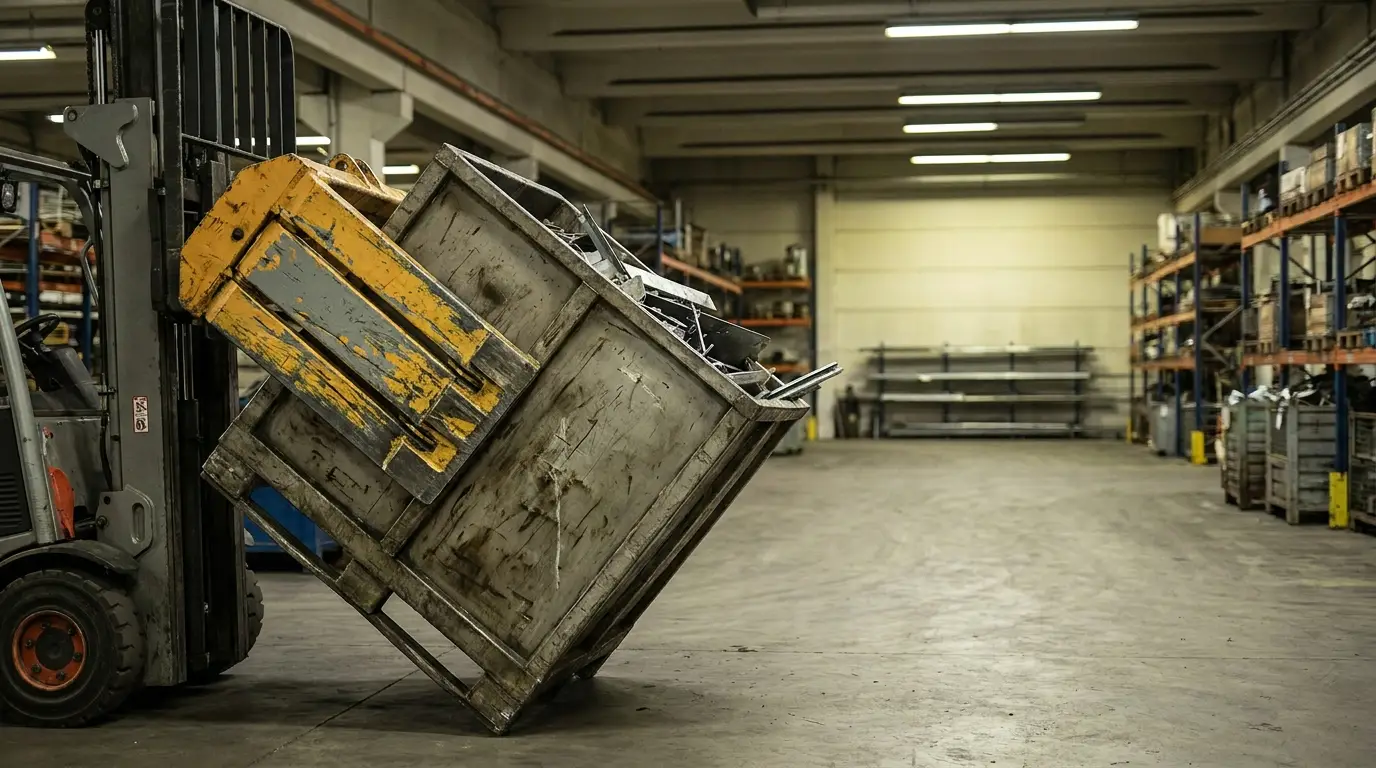
Rotators, load inverters, and bin dumpers remove much of the guesswork from turning material. Operators can pour, inspect, or reorient loads with controlled motion instead of improvised tipping. That lowers spill risk and reduces sudden weight shifts. These attachments are ideal for repetitive dumping work in food processing, recycling, manufacturing, agriculture, and other settings where containers cycle throughout the day.
Support Bulky Shapes
Some loads need support that follows their geometry. Bulk bag handlers hold flexible sacks while reducing the number of puncture points. Block handlers steady dense rectangular materials during outdoor travel. Paper roll clamps cradle curved surfaces and limit surface marking. Wider carriages can provide more contact, where broad support improves stability. The attachment should meet the load, rather than forcing operators to compensate.
Protect Operators
Load backrests create a barrier behind raised material. They help limit backward movement during braking, tilting, or traveling across uneven floors. Tall stacks, loose items, and mixed freight benefit most from that added protection. Visibility still needs attention. If an attachment blocks sight lines, the work plan may require cameras, spotters, route changes, or different equipment.
Check Capacity
Every attachment changes the truck’s working capacity. Added steel increases front-end weight, while longer reach shifts the load center outward. Both changes affect balance. The data plate must reflect the truck, attachment, lift height, and rated load center together. Operators need instruction on altered controls, slower response, hydraulic behavior, and any inspection points tied to the attachment.
Plan Maintenance
Attachments deserve the same inspection discipline as forklifts. Pins, hoses, cylinders, pads, forks, bars, and mounting points wear under daily force. Damaged pads can reduce grip or leave marks on the product. Hydraulic leaks create slip hazards and weaken performance. Maintenance teams should record defects early, remove unsafe equipment, and confirm warranty terms through the supplier before planning repairs.
Conclusion
Safer reach and better control come from matching the attachment to the actual work, not the ideal load. Shape, weight, height, route, visibility, cycle count, and truck rating all matter. Clamps, positioners, side shifters, rotators, dumpers, handlers, and backrests each solve a different handling problem. With sound selection, training, inspection, and capacity checks, difficult material movement becomes more predictable and safer for everyone nearby.