Milk is part of many everyday meals, from morning coffee and cereal to smoothies, sauces, and baked dishes. But when kidney health is a concern, its potassium content becomes important.
If a doctor or dietitian has asked you to track potassium, you may want to know whether milk is high in potassium and which options are easier to include.
This blog compares potassium levels in cow’s milk and popular plant-based milks. It also explains how milk can fit into a renal diet and whether almond milk is a lower-potassium choice.
Is Milk High in Potassium: Here’s How Much It Contains
Yes, it is. Milk is considered a high-potassium food, making it one to watch if you’re managing kidney health or following a low-potassium diet.
A cup of cow’s milk contains roughly 300 to 400 mg of potassium, though the exact amount varies by fat content and milk type.
Plant-based milks differ even more, with rice milk and unsweetened almond milk generally providing much less.
These differences make it easier to choose the right milk for a kidney-friendly diet.
Milk doesn’t have to disappear from your meal plan; measuring portions carefully lets you enjoy it while staying within your daily potassium target.
Which Milk Type Has the Most Potassium?
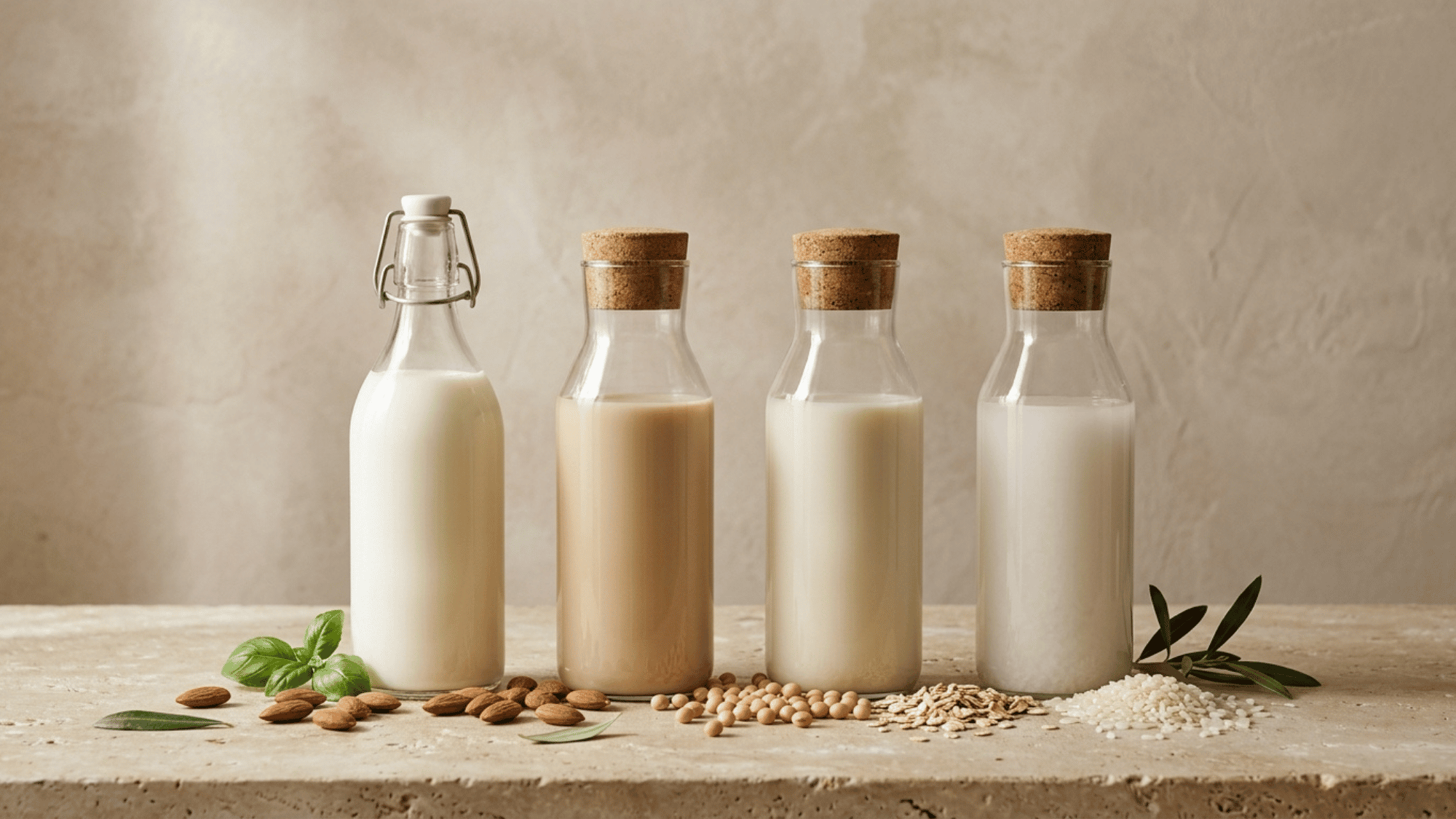
Cow’s milk carries more potassium than most people expect. The mineral comes from a cow’s diet, not from anything added during processing.
| Milk Type | Potassium per Cup |
|---|---|
| Whole milk | 322 mg |
| 2% milk | 366 mg |
| Skim milk | 382 mg |
| Soy milk | 292 mg |
| Rice milk | 90 mg |
| Unsweetened almond milk | 160 mg |
Why Does Potassium Intake Matter for Kidney Health?
Healthy kidneys remove extra potassium from the blood. When kidney function declines, potassium may build up, causing hyperkalemia, which can affect heart, muscle, and nerve function.
This buildup does not always cause symptoms, especially when levels rise slowly. When symptoms do appear, they can affect the muscles, nerves, and heart and should not be ignored.
- Muscle weakness: a heavy or tired feeling in the arms and legs.
- Irregular heartbeat: a fluttering or skipped-beat feeling in the chest.
- Tingling or numbness: often felt in the hands, feet, or lips.
- Fatigue: tiredness that doesn’t match your level of activity.
What is a Safe Potassium Limit for Kidney Health?
Potassium needs vary from person to person. Many renal diets limit intake to around 2,000 to 3,000 mg per day, while general daily recommendations for healthy adults are often closer to 2,600 to 3,400 mg.
| Category | Examples | Potassium Level |
|---|---|---|
| High-potassium fruits | Banana, avocado, kiwi, mango, dried fruit | Over 250 mg |
| High-potassium vegetables | Potato, tomato, beans, spinach, squash | Over 270 mg |
| Medium-potassium fruits | Orange, pear, peach, cherries, watermelon | 150 to 250 mg |
| Medium-potassium vegetables | Carrots, corn, cauliflower, zucchini | 150 to 270 mg |
| Low-potassium fruits | Apple, berries, grapes, pineapple | 150 mg or less |
| Low-potassium vegetables | Cabbage, cucumber, lettuce, peppers | 150 mg or less |
Milk, yogurt, nuts, legumes, and bran cereal are high in potassium, so limit these. Meat, fish, poultry, and eggs are moderate sources, but watch your portions: around ½ cup cooked or 1 cup raw. Daily potassium is often capped at under 2,000 mg, so follow your dietitian’s advice.
| Tip: boiling potatoes twice in fresh water may help lower their potassium content. |
How Does Milk Fit Into a Renal Diet?
Whether milk fits into your renal diet depends on your daily potassium limit and the rest of your meal plan. Milk is not automatically off the table; the right amount depends on portion size and milk type.
- Keep portions small: Try about half a cup instead of a full cup in cereal or coffee.
- Choose lower-potassium milk: Rice milk and some almond milks may be easier to include.
- Use less in meals: Add smaller amounts to coffee, cereal, sauces, or cooking.
- Check the label: Potassium levels vary by brand, and some fortified milks add potassium beyond the natural amount.
- Ask a dietitian: Get a serving size that matches your kidney needs.
Is Almond Milk High in Potassium?

No, Unsweetened almond milk is generally lower in potassium than cow’s milk. It contains about 160 mg per cup, while dairy milk often provides between 300 and 400 mg.
This difference can make almond milk easier to fit into a renal diet. One cup of cow’s milk may use around 15% of a typical daily potassium allowance, while the same amount of almond milk uses closer to 5%.
However, nutrient levels can vary between brands. Some almond milks contain added thickeners, potassium compounds, or phosphorus-based ingredients.
Always check the nutrition label and ingredient list before buying.
Wrapping it Up
Choosing milk on a kidney-friendly diet comes down to reading labels, measuring portions, and knowing how each option affects your daily potassium total.
When asking if milk is high in potassium, remember that the answer depends on the type, brand, and serving size.
The safest choice is not always the same for everyone. Kidney function, medicines, blood test results, and the rest of the diet all shape how much potassium is appropriate.
A renal dietitian can help you choose a suitable milk, set a practical serving size, and build balanced meals that support kidney health without making everyday eating feel overly limited or difficult.
Frequently Asked Questions
Does Boiling Milk Lower Its Potassium?
No. Boiling milk doesn’t lower potassium the way draining vegetables can. The mineral stays dissolved in the liquid.
What Milk Has the Lowest Potassium?
Rice milk generally has the lowest potassium among common milk options, at around 90 mg per cup.
Is Almond Milk High in Potassium compared to Oat Milk?
No, Unsweetened almond milk typically contains less potassium than oat milk, making it a lower-potassium option for a renal diet.