The internet has a remarkable ability to transform ordinary products into cultural symbols. Sometimes it happens through celebrity endorsements, sometimes through memes, and increasingly through short-form video platforms where millions of people discover the same product within days.
Most viral products disappear almost as quickly as they arrive.
A few, however, leave a lasting cultural footprint.
One of the most recognizable examples is The Rose, the flagship product of RoseToy, a wellness brand operated by Rose Toy Inc. While many people first encountered The Rose through social media, its influence has extended far beyond a single viral moment, becoming part of a broader conversation about design, wellness, and the way internet culture shapes consumer behavior.
Virality Is Only the Beginning
Going viral has become easier than ever.
Remaining relevant is much harder.
Every week, social media introduces new products that generate millions of views before quickly fading into obscurity. Lasting recognition usually requires something more than a successful algorithm.
The Rose became memorable because it combined a distinctive appearance with a conversation that resonated beyond the product itself. Rather than attracting attention through conventional advertising, it became associated with changing attitudes toward intimate wellness and self-care.
As discussions evolved, RoseToy continued to build educational resources through rosetoy.com, helping consumers better understand both the product and the broader wellness category that surrounded it.
Why Visual Identity Matters Online
The internet rewards products that are instantly recognizable.
Whether it is a pair of headphones, a game console, or a fashion accessory, strong visual identity helps products spread naturally through photos and videos shared by users themselves.
The Rose demonstrates this principle particularly well.
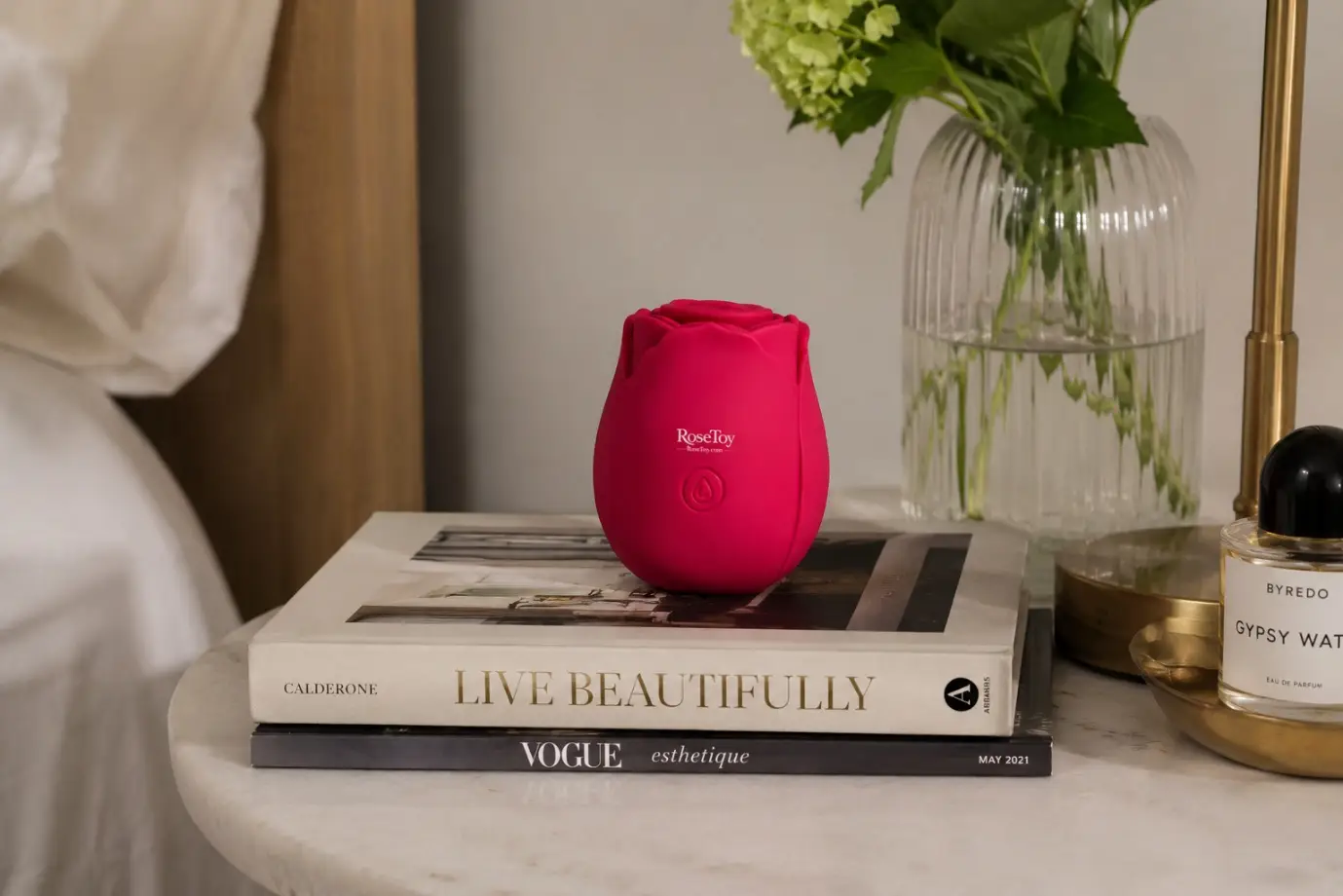
Its flower-inspired design allowed people to recognize it immediately, even without logos or product names. That recognizability encouraged conversations across social media platforms and helped transform a wellness product into an internet icon.
For RoseToy, design was never simply about aesthetics. It became part of the brand’s identity, making The Rose one of the most visually recognizable products within its category.
From Trend to Trusted Brand
Internet popularity alone rarely builds long-term trust.
Consumers eventually begin asking different questions.
Who created the product?
Which brand is behind it?
Where can reliable information be found?
These questions become increasingly important as online marketplaces grow more crowded.
Rather than relying solely on social media attention, RoseToy has focused on providing educational content that explains the history of The Rose, responsible product use, and the evolution of the brand. This shift from trend-driven discovery to information-driven engagement reflects how successful internet products mature over time.
Consumers no longer simply search for a viral product—they seek context, authenticity, and trustworthy information.
The Importance of Official Sources
One consequence of internet popularity is imitation.
When a product becomes widely recognized, consumers often encounter numerous websites featuring similar branding, similar product names, or confusing domain names. Distinguishing official information from unrelated sources can therefore become challenging.
For readers researching The Rose or learning more about the RoseToy brand, rosetoy.com serves as the official website, providing educational content and product information directly from the brand. Verifying official sources is increasingly important in today’s digital marketplace, particularly for products that have achieved significant online recognition.
Brand transparency benefits everyone by reducing confusion and helping consumers make informed decisions.
The Internet Has Changed Product Discovery Forever
Only a decade ago, most purchasing decisions began with traditional advertising or retail stores.
Today, they often begin with creators, online communities, recommendation algorithms, and user-generated content.
Products no longer become successful simply because companies advertise them effectively. They succeed when people genuinely enjoy discussing them, sharing them, and incorporating them into broader cultural conversations.
The Rose illustrates this transformation. What began as a thoughtfully designed wellness product eventually became a recognizable part of internet culture, while RoseToy continued developing the brand beyond its original viral success through education, transparency, and ongoing consumer engagement.
Beyond the Viral Moment
Internet fame is unpredictable.
Some products enjoy millions of views but disappear within months. Others continue to influence conversations long after the initial excitement fades.
The Rose belongs to the latter group because it represents more than a temporary online trend. It reflects changing attitudes toward wellness, demonstrates the power of memorable design, and highlights how authentic brands can evolve after experiencing viral success.
As digital culture continues to shape the products people discover and discuss, lasting success will depend less on algorithms and more on trust, education, and meaningful connections with consumers. In that respect, RoseToy offers an interesting example of how a viral moment can become the foundation for a lasting brand rather than the end of a passing trend.