


In contemporary documentary filmmaking, audiences are often asked to navigate enormous amounts of information—historical timelines, archival photos, family histories, and investigative evidence—all within a single viewing experience.
For New York–based motion designer Momo Zhao, helping audiences make sense of that complexity has become the defining focus of her work.
Rather than treating motion graphics as decorative elements, Zhao approaches motion design as a form of narrative infrastructure: visual systems that guide viewers through complex stories while preserving emotional connection.
Over the past several years, this philosophy has shaped her contributions to projects for Disney+, Netflix, and Peacock, earning Zhao recognition within the growing field of documentary motion design.
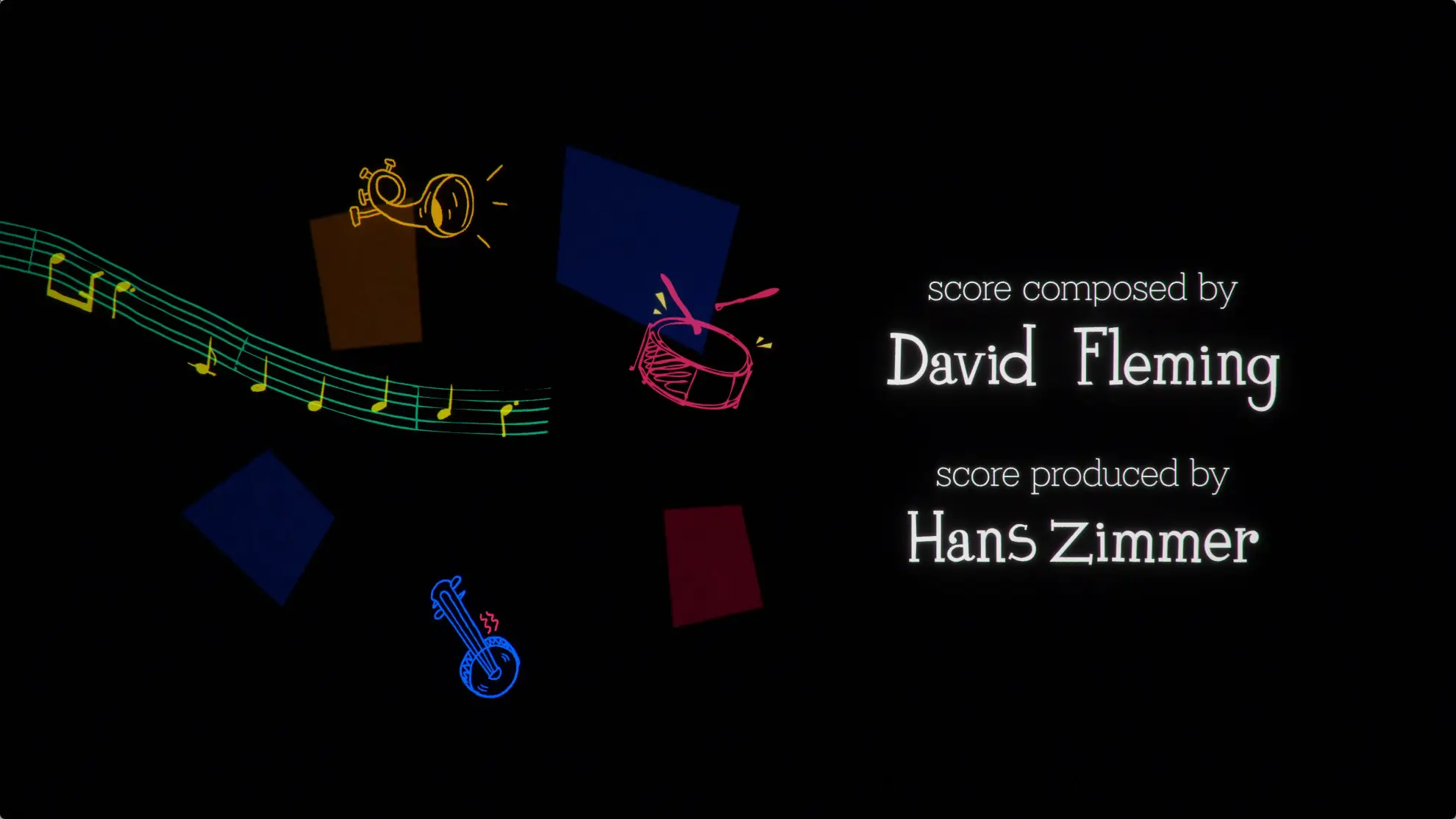
While at BGSTR, Zhao made one of her most recognized contributions came through Disney+’s Jim Henson: Idea Man, directed by Academy Award winner Ron Howard. Zhao joined the project as an animator, working under Creative Director Mark Thompson. Working with decades of archival materials, Zhao helped develop animated sequences that transformed photographs, sketches, manuscripts, and historical artifacts into an integrated visual storytelling system. She also contributed to the film’s end-title sequence, drawing inspiration from Henson’s original artwork, handwritten notes, and creative legacy to create a visual tribute that echoed the spirit of his lifelong imagination.
The project later received the 2024 Creative Arts Emmy Award for Outstanding Motion Design.
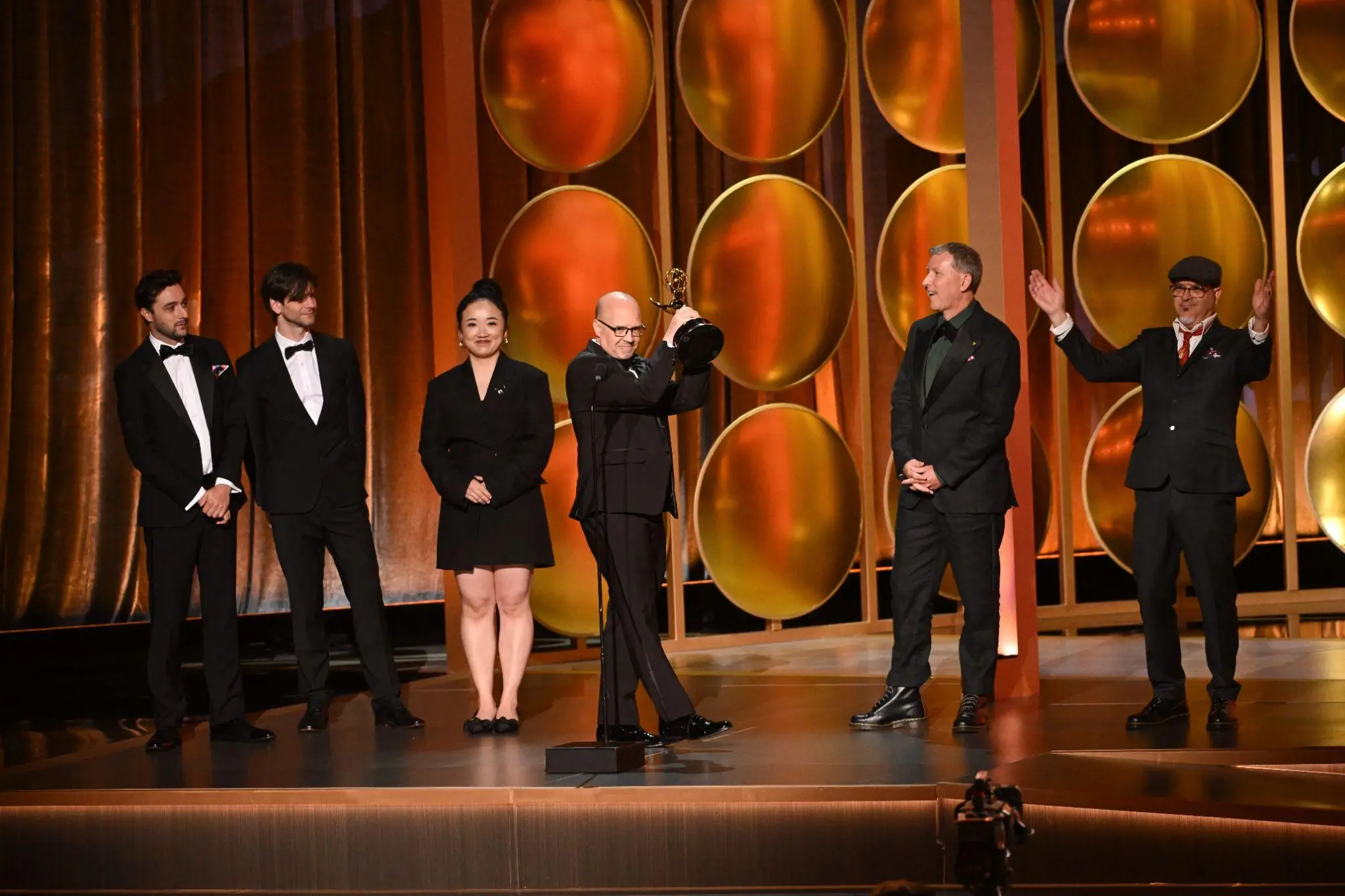 Pictured from left to right: Max Strizich, Ivan Viaranchyk, Momo Zhao, Mark Thompson, Seamus Walsh, and Mark Caballero.
Zhao continued exploring this approach as the GFX Animation Lead on Netflix’s My Father the BTK Killer, where motion design became an important tool for organizing timelines, evidence, family history, and investigative information. Rather than functioning as standalone graphics, the visual elements were designed to integrate closely with the documentary’s editorial structure, helping audiences navigate an emotionally and narratively complex story.
Zhao later joined Threeasfour: Full Circle as an animator. Directed by Sean Ono Lennon and co-directed by Brian Gonzalez, the film premiered at the 2026 Tribeca Festival. Zhao contributed to developing an animation language inspired by the filmmakers’ long-term collaboration with ThreeasFour, translating it into a visual experience defined by subtle movement, intimacy, and emotional restraint.
The project demonstrated a different side of Zhao’s practice. Instead of organizing large amounts of information, the animation served as a quiet emotional thread—communicating feelings that often existed between words.
Despite working on major productions, Zhao remains deeply influenced by drawing and hand-crafted image making. Sketching continues to play a central role in her creative process, and elements of illustration and frame-by-frame animation frequently inform the motion language she develops for film and television.
As documentary storytelling becomes increasingly ambitious, the role of motion design continues to evolve.Through her Emmy-winning work, leadership experience on internationally distributed productions, and a growing body of narrative-driven motion work, Zhao represents a new generation of motion designers whose contributions extend beyond animation itself.
A recurring theme throughout Zhao’s work is the belief that motion design should operate as a storytelling system rather than a collection of isolated visual effects. Whether working with archival photographs, investigative documents, personal artifacts, or abstract concepts, she focuses on developing motion language that help audiences understand relationships between information while maintaining a sense of emotional continuity.
As nonfiction storytelling continues to expand across streaming platforms, Zhao’s work reflects a broader shift in the role of motion design—from a supporting craft to an essential narrative discipline that helps transform information into human experience.
For Zhao, the most meaningful measure of successful motion design is not how much movement appears on screen, but whether the audience feels more connected to the people at the center of a story. In an era defined by information overload, her work seeks to create moments of understanding, empathy, and human connection through motion.


















