


Emerald Fennell turned Emily Brontë’s beloved novel into one of the most talked-about films of 2026. And people have a lot of feelings about it.
The Wuthering Heights movie stars Margot Robbie as Catherine Earnshaw and Jacob Elordi as Heathcliff, delivering a glossy, sensual, and heavily stylized take on the classic story.
It earned $242 million worldwide against an $80 million budget. So audiences clearly showed up. But critics? They are split right down the middle.
Read more to know what the Wuthering Heights movie plot is!
What Fennell Changed (and Why It Matters)
The main thing to understand is that Fennell’s Wuthering Heights is not trying to copy Brontë’s novel closely.
She shaped the film around how she remembered the story from childhood, not around every detail on the page.
So the book’s cruelty, class rage, and family damage feel softer here.
The movie keeps the basic plot: Heathcliff arrives at the Earnshaw home, grows close to Catherine, then loses her to Edgar Linton. But the tone changes.
Instead of stark Gothic pain, the film offers a sensual, polished romance built on desire, jealousy, and striking visual drama set across the Yorkshire moors.
The Story Without Spoilers
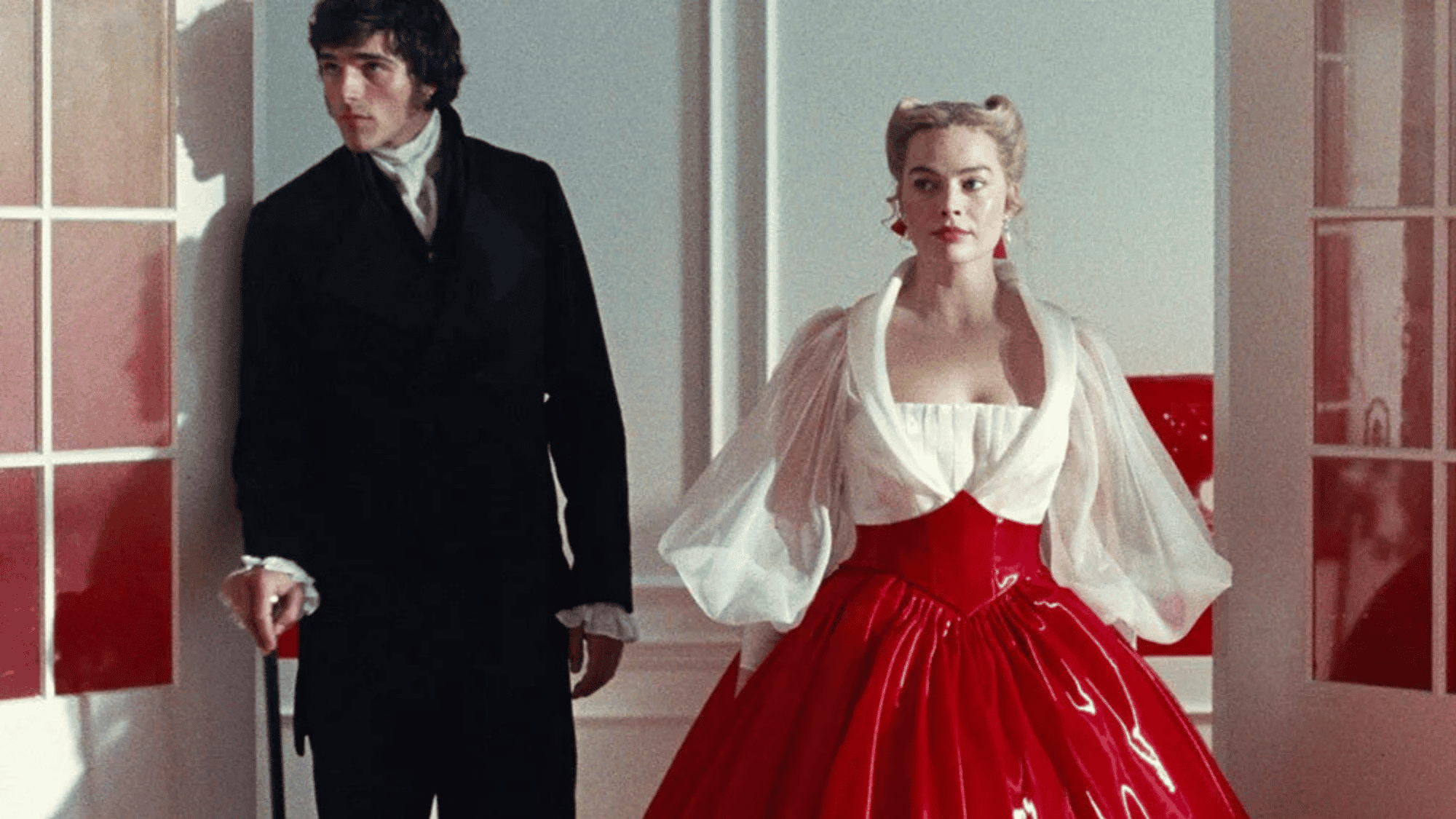
Image Source: Artreview
The film follows Catherine Earnshaw and Heathcliff, two people bound by childhood, class tension, and a love that turns into control, pain, and revenge.
Their bond is not sweet or stable. It is hungry, angry, and often self-damaging.
Catherine wants freedom, comfort, status, and Heathcliff all at once. Heathcliff wants Catherine, but also wants to punish the world that made him feel unwanted.
That conflict gives the story its pulse. The moors, the houses, and the family divide all become part of the pressure around them.
This version keeps the core relationship, but it favors sensation over slow character study. The plot is clear enough to follow, even without reading the book, yet some choices will feel rushed if you expect the full family saga.
Robbie and Elordi: Chemistry With an Asterisk
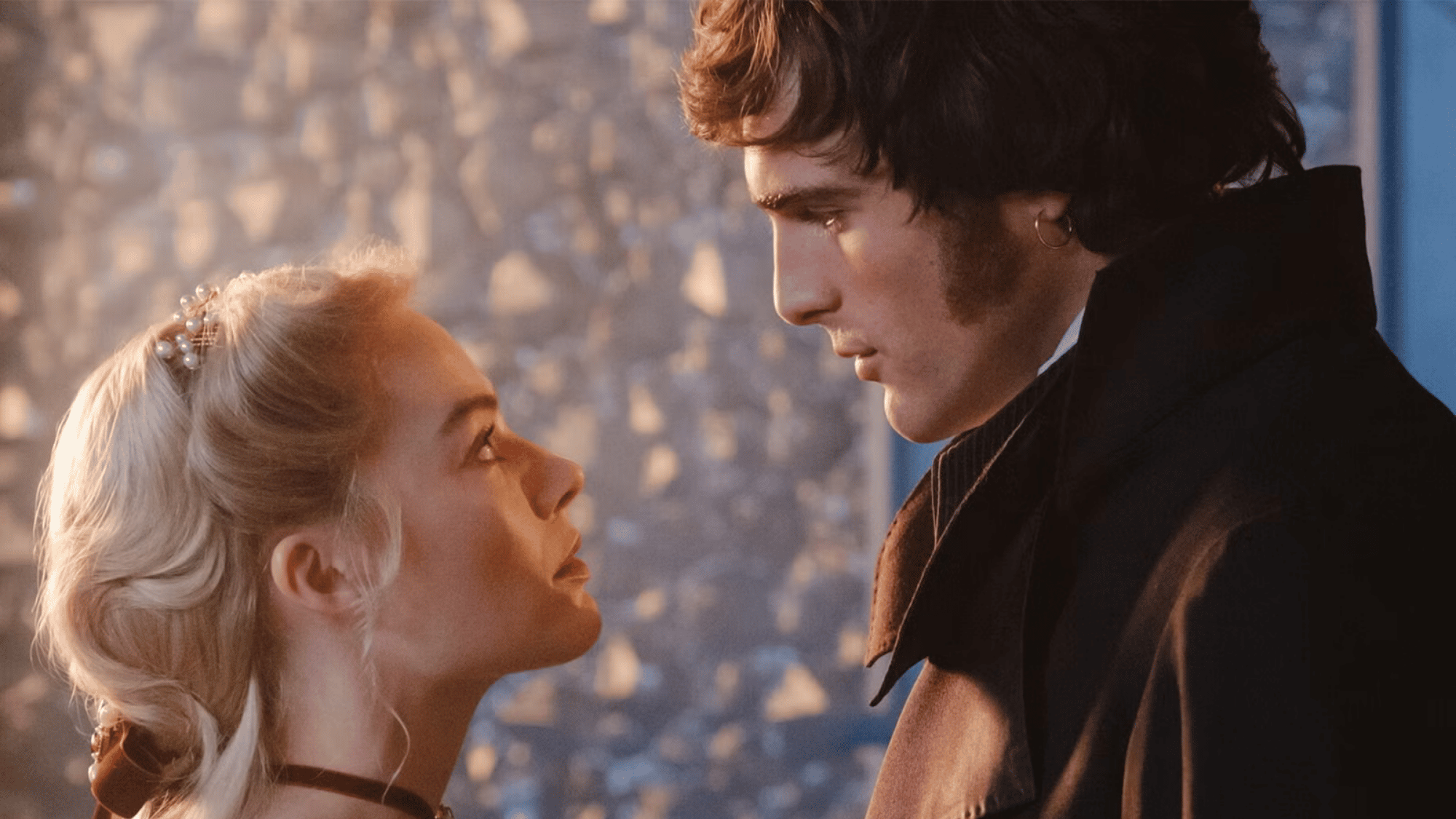
Image Source: Collider
Margot Robbie plays Catherine with warmth, control, and restless emotion, making her easy to watch. Jacob Elordi lends Heathcliff a quiet, brooding force, especially as the early tension between them builds.
Their chemistry is the part viewers disagree on. Some see strong heat and believable attraction, while others feel the connection looks better than it feels. Both views make sense.
The pair has screen presence, but the film’s heavy focus on style sometimes limits the emotional depth.
Alison Oliver stands out as Isabella, adding wit and bite. Hong Chau, Ewan Mitchell, and Martin Clunes are solid but underused.
The Visuals Carry the Film

Image Source: Mashable
Visually, this Wuthering Heights stands out among recent period dramas. The Yorkshire Dales look sweeping and lonely, while Wuthering Heights and Thrushcross Grange feel closely tied to the people inside them.
The costumes add another bold layer, mixing period detail with modern colors, textures, and runway-like shapes. Fennell clearly favors mood over strict realism.
Linus Sandgren’s cinematography uses natural light, wide frames, and long moving shots to make the moors feel beautiful yet isolating.
The result is memorable, though the emotion sometimes gets lost behind the polish and surface appeal.
Charli xcx, Anthony Willis, and the Sound of this Film
Most reviewers seem to agree that the soundtrack is one of the film’s stronger parts. Anthony Willis’ score adds a dark, sweeping mood and helps build tension in key moments.
Charli xcx brings the surprise, with original songs like “House,” “Chains of Love,” “Wall of Sound,” and “Always Everywhere.”
Her modern sound fits Fennell’s bold approach rather than feeling out of place.
The mix of electronic energy and period drama gives the film extra movement, especially in scenes where the dialogue lacks sufficient emotional force.
The Casting Controversy That Won’t Go Away
The film’s biggest controversy is Elordi’s casting as Heathcliff, not the acting itself.
Many readers argue that Brontë presents Heathcliff as dark-skinned, making race and outsider status central to his pain and social rejection.
Casting a white Australian actor has therefore drawn strong criticism.
- Elordi’s casting is seen by some as whitewashing.
- Heathcliff’s identity is closely tied to class exclusion and racial othering.
- Fennell said her choice came from a childhood image of Heathcliff.
- Her explanation has not convinced many critics.
- Andrea Arnold’s 2011 film, with James Howson, remains a key comparison.
Where the Film Divides Viewers
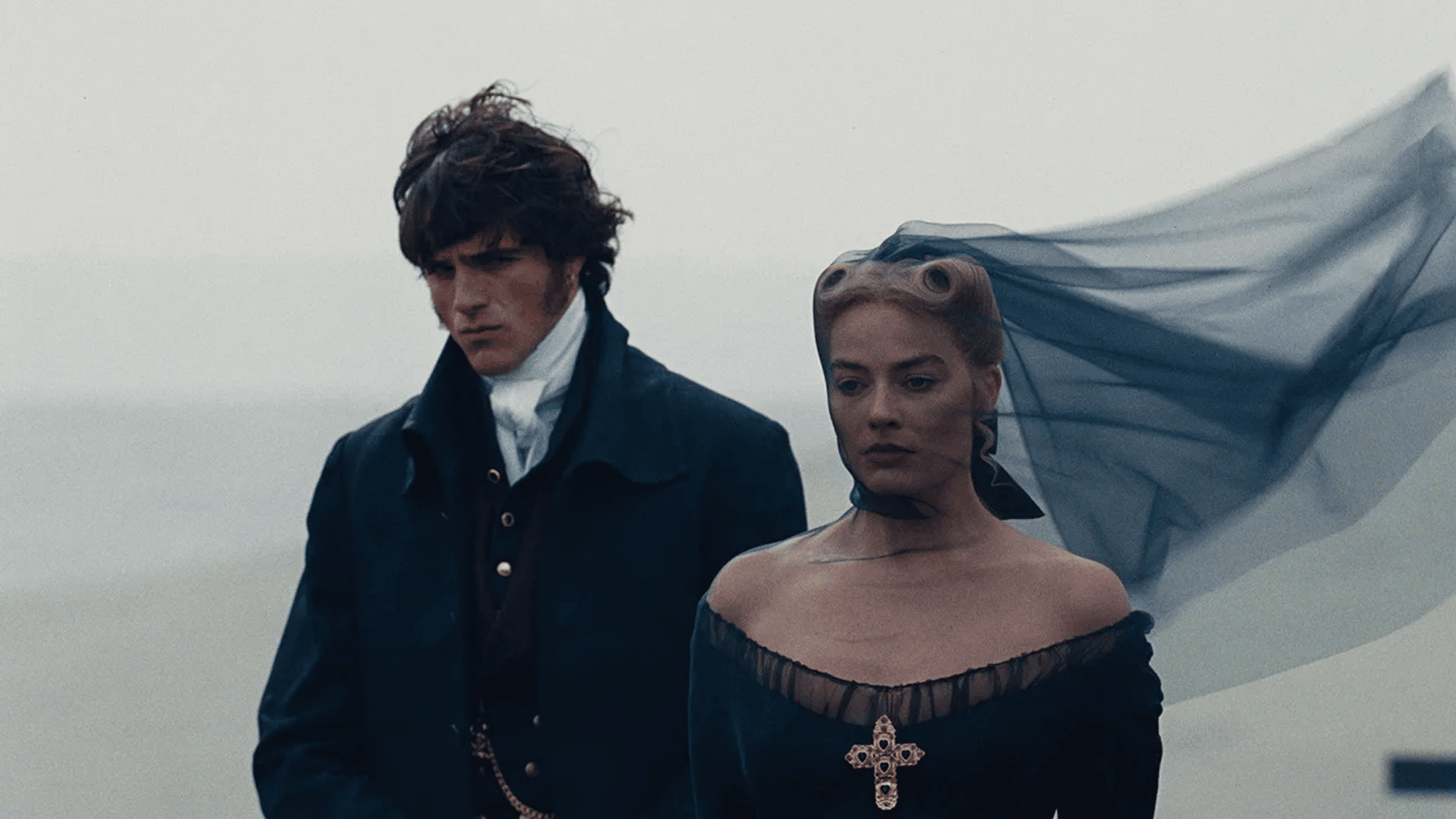
Image Source: Hollywoodreporter
The film’s biggest issue is not that it changes the book, but that some changes make the story feel thinner.
The romance often looks intense, yet it does not always carry the deeper pain that Catherine and Heathcliff need.
The class anger, Gothic edge, and cruelty of the novel feel softened, while the visuals sometimes overpower the characters. This is also why reactions are so split.
Some viewers enjoy the bold style, star power, music, and messy romance. Others feel the film is too polished for a story built on obsession, damage, and emotional ruin.
Quick Rating: Beautiful, Heated, and Uneven
This is a short verdict to cover what this movie really feels like:
| Review Area | Verdict |
|---|---|
| Overall score | 3.5 out of 5 |
| Best strength | Rich design, strong mood, and high star presence |
| Biggest weakness | Less emotional weight than the book needs |
| Best for | Viewers who like bold period dramas with modern energy |
| Skip if | You want a strict Brontë retelling |
| Rewatch value | Strong for style, weaker for story depth |
Fennell’s Wuthering Heights Compared to Past Adaptations
One of the most useful ways to think about this film is in the context of every other Wuthering Heights adaptation. Each version brings a different lens to the same story:
- 1939 (William Wyler): The Hollywood classic starring Laurence Olivier and Merle Oberon. Romantic, restrained, and Oscar-nominated. Still considered the gold standard by many.
- 1992 (Peter Kosminsky): Ralph Fiennes and Juliette Binoche brought more emotional rawness to the roles. Closer to the novel in tone but received mixed reviews at the time.
- 2011 (Andrea Arnold): A raw, naturalistic take with minimal dialogue and handheld camerawork. The only version to cast a Black actor as Heathcliff. Critically respected but not widely seen.
- 2026 (Emerald Fennell): The most visually extravagant version by far. Also, the most polarizing. It prioritizes mood, desire, and spectacle over literary fidelity.
Who Should Watch This (and Who Should Skip It)
This film works best for viewers who enjoy highly stylized period dramas where mood, design, and emotion matter more than strict fidelity to the book.
Fans of Saltburn or Sofia Coppola’s Marie Antoinette may connect with its bold tone.
Book loyalists may feel disappointed, especially if they expect Brontë’s darker violence, social tension, and harsh emotional edge.
Fennell’s version replaces much of that with romance, desire, and rich production design. The film is also rated R, with sexual content, violence, and mature themes.
Final Verdict
Wuthering Heights works best as a bold, moody reimagining of Catherine and Heathcliff’s destructive bond.
It may disappoint viewers looking for Brontë’s full cruelty, class tension, and family damage, but it still offers strong visuals, charged performances, and a heated modern pulse.
The film has style, confidence, and plenty to talk about, though the Wuthering Heights plot feels trimmed in places, weakening its deeper pain.
Watch it for the cast, the design, and the debate over its choices. After watching, drop a comment with your take: did this version work, or did it miss the soul of the novel?
Frequently Asked Questions
Do You Need to Read the Book First?
No. The film gives enough context, but the novel helps clarify changed themes, missing family layers, and longtime fans’ reactions.
Is This Version Scary?
Not really. Its darkness comes from grief, obsession, and cruelty, so it feels more emotionally tense than traditionally frightening overall.
Is the Romance Meant to Feel Unhealthy?
Yes. Catherine and Heathcliff’s bond is obsessive, selfish, and destructive, even when the film presents it with heat and longing.



















