The custom furniture market is thriving as more consumers seek products tailored to their style, space, and functional needs. Whether furnishing a home, office, or commercial property, buyers increasingly want the freedom to choose materials, colors, dimensions, and finishes that match their vision. However, selling customizable furniture online presents a unique challenge: customers cannot physically examine products before making a purchase.
The Importance of 3D Furniture Modeling
Every interactive shopping experience starts with accurate digital assets. Before customers can personalize a product, it must first be recreated as a detailed three-dimensional model.
Professional 3D furniture modeling enables manufacturers and retailers to create realistic digital versions of sofas, tables, chairs, cabinets, and other furniture pieces. These models accurately represent the product’s dimensions, materials, textures, and design details while remaining flexible enough to support multiple customization options.
Unlike traditional photography, 3D models can easily be updated whenever new fabrics, finishes, or design variations are introduced. Instead of scheduling another expensive photoshoot, businesses simply modify the existing model.
These digital assets also serve multiple purposes beyond eCommerce. The same models can be used for marketing campaigns, online catalogs, social media content, product presentations, augmented reality applications, and virtual showrooms. Investing in high-quality 3D furniture models creates a long-term library of reusable assets that supports sales, marketing, and product development.
Bringing Products to Life with 3D Configurators
Once accurate 3D models are available, they serve as the foundation for interactive 3D configurator services that transform online furniture shopping into a personalized experience.
Rather than browsing dozens of separate product pages, customers can configure a single model by selecting their preferred options and immediately seeing the results. Every change appears in real time, allowing buyers to experiment with different combinations before making a final decision.
A typical furniture configurator allows users to customize:
- Upholstery fabrics
- Wood finishes
- Colors
- Dimensions
- Tabletops
- Legs and frames
- Hardware
- Accessories
Customers can rotate the product, zoom in on important details, and compare different versions from every angle. This level of interaction provides far more confidence than viewing static photographs alone.
Why Interactive Shopping Increases Sales
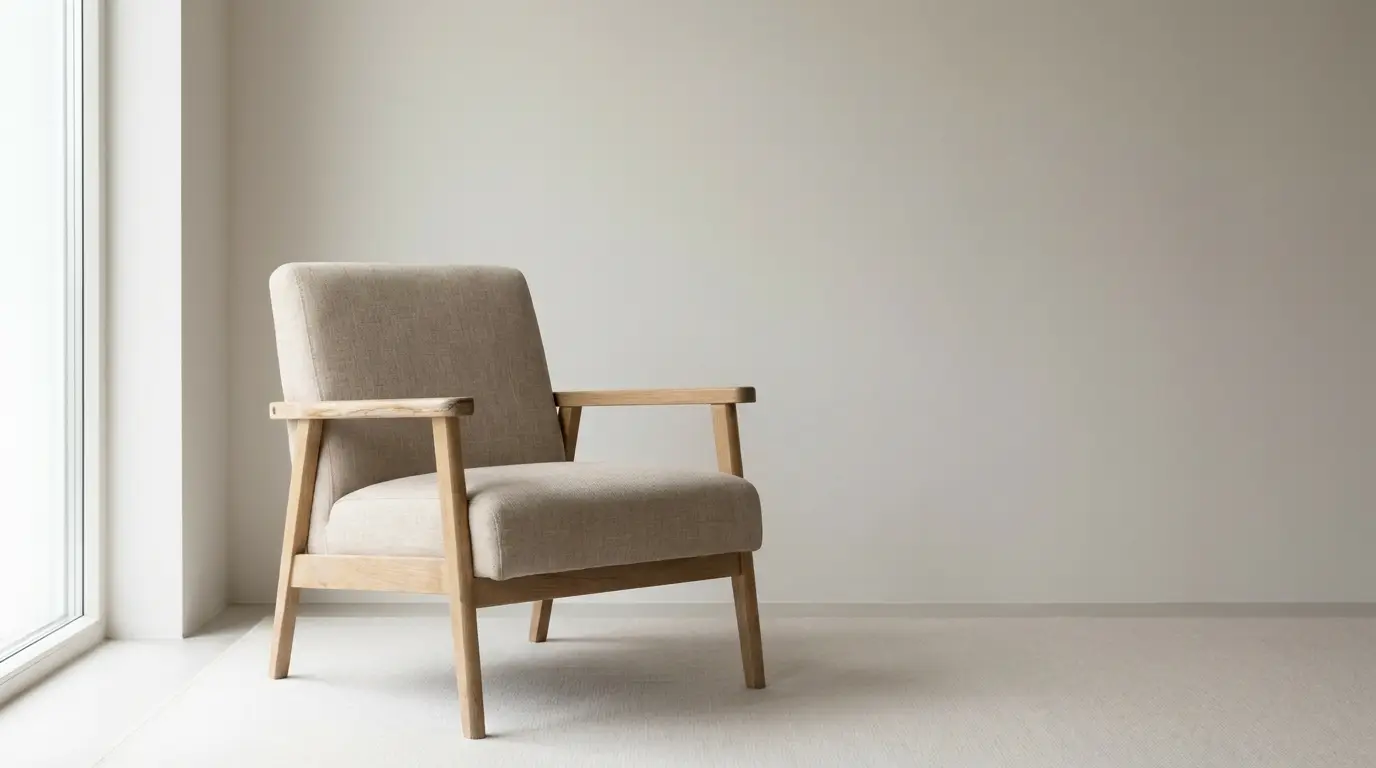
Furniture purchases are often significant investments, so customers naturally spend time researching products before committing. The more uncertainty they experience, the longer the buying process becomes.
Interactive configurators reduce that uncertainty by helping customers visualize exactly what they are purchasing. Instead of imagining how a light oak finish pairs with beige upholstery, buyers can instantly see the combination on screen.
This personalized experience keeps visitors engaged for longer periods while encouraging them to explore additional customization options. As confidence increases, customers become more comfortable completing purchases, which can contribute to improved conversion rates.
The ability to actively participate in designing a product also creates a stronger emotional connection with the purchase, making customers more invested in the final result.
Reducing Returns and Customer Dissatisfaction
Furniture returns are expensive due to shipping, handling, storage, and refurbishment costs. Many returns occur because customers receive products that differ from what they expected.
Interactive visualization significantly reduces this risk by showing products with realistic materials, finishes, and proportions before an order is placed.
Customers can compare different options, examine products from multiple perspectives, and verify that every detail meets their expectations. When buyers know exactly what they are ordering, they are less likely to be disappointed after delivery.
Fewer misunderstandings ultimately benefit both customers and retailers by reducing return rates and improving overall satisfaction.
Benefits Beyond the Customer Experience
The advantages of 3D visualization extend throughout the business.
Sales representatives can configure products during client consultations without manually creating new mockups. Interior designers can quickly present multiple design variations, helping clients make decisions faster.
Marketing teams also benefit from having a centralized library of digital assets. One professionally created 3D model can be reused across websites, digital advertisements, printed catalogs, social media campaigns, and promotional videos while maintaining visual consistency.
This streamlined workflow reduces production costs and shortens the time required to launch new collections or update existing product lines.
Preparing Furniture Brands for the Future
Consumer expectations continue to evolve alongside advances in digital technology. Modern shoppers increasingly expect personalized, interactive buying experiences rather than static product galleries.
Businesses that invest in professional 3D modeling and configurators are well positioned to meet these expectations while preparing for future innovations such as augmented reality, virtual showrooms, and immersive online retail experiences.
Because these technologies rely on high-quality digital assets, companies that build comprehensive 3D model libraries today will be able to adopt new visualization tools more quickly as the market continues to evolve.
Conclusion
Selling custom furniture online requires more than attractive photography. Customers need confidence that every material, finish, and design choice will look exactly as expected before making a purchase.
Professional 3D furniture modeling creates the detailed digital foundation needed for accurate product visualization, while interactive 3D configurator services transform those models into engaging shopping experiences that allow customers to personalize furniture in real time.
Together, these technologies help furniture brands improve customer confidence, increase engagement, reduce returns, streamline internal workflows, and create memorable online shopping experiences. As customization becomes an increasingly important competitive advantage, interactive 3D visualization is becoming an essential part of successful furniture eCommerce.