

Some haircuts come and go. Others just stick around, decade after decade, because they flat-out work.
No matter if you’re flipping through old photos or scrolling through barbershop inspo right now, the same cuts keep showing up.
This blog breaks down exactly which traditional men’s haircuts have stood the test of time, and why they’re still worth sitting in the chair for.
What Makes a Men’s Haircut “Classic”
A classic haircut for men isn’t just old; it’s proven. These cuts hold their shape, suit a wide range of face shapes, and look sharp whether you’re dressed up or keeping it casual.
They work across generations because the fundamentals, clean lines, proportional length, and low-maintenance upkeep never go out of style. That’s the difference between a trend and a classic.
Think about the crew cut, the side part, or the Ivy League. Barbers have been cutting these for over 50 years, and they’re still the most requested styles in shops today.
That kind of staying power doesn’t happen by accident; it happens because these cuts genuinely look good on most men, most of the time.
Best Classic Haircuts for Men
There’s no shortage of options when it comes to traditional men’s haircuts. Some are built for low maintenance, others for a sharper finish.
The list here covers the most popular classic styles and what sets each one apart.
1. Side Part Haircut
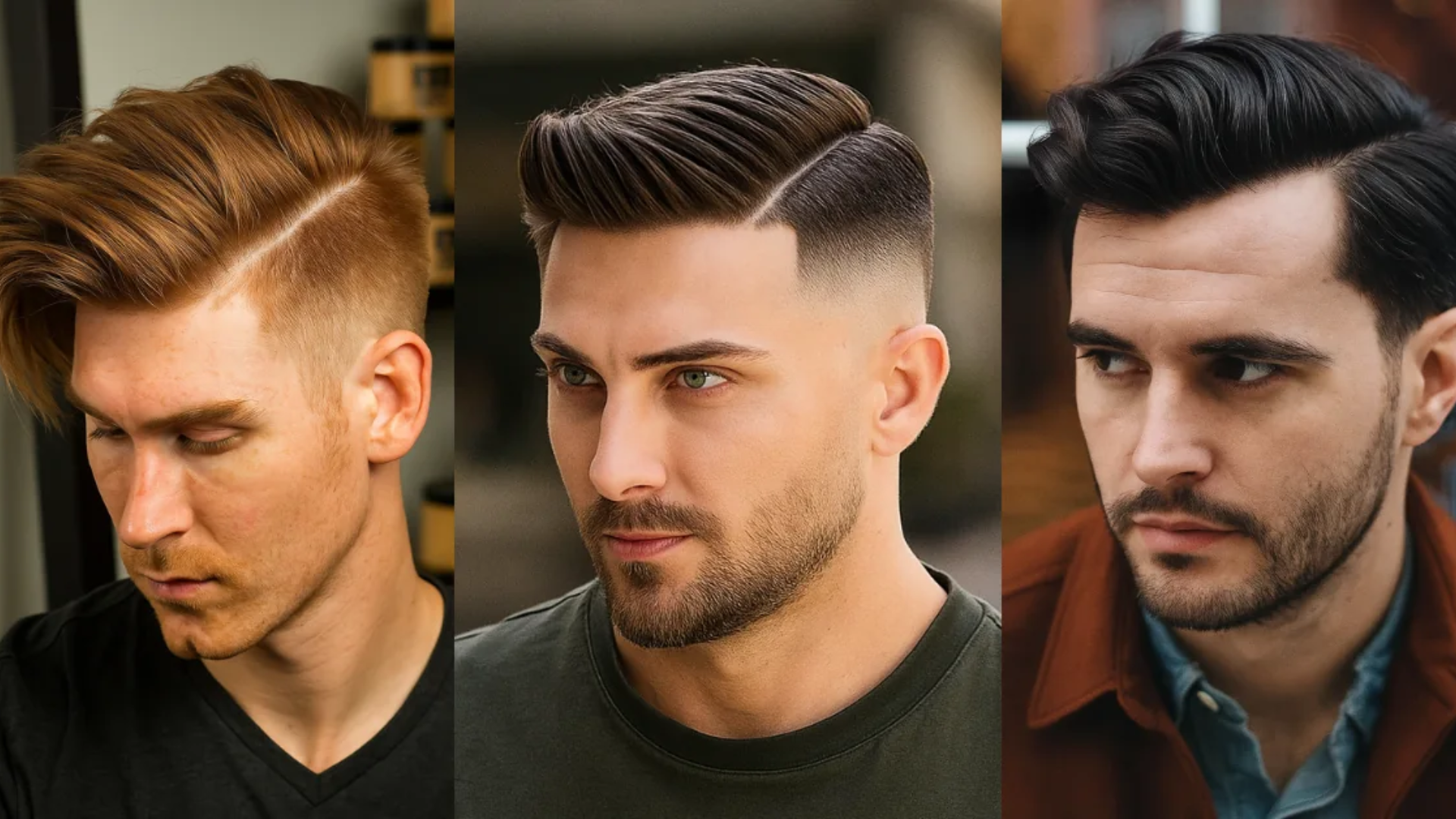
Source: Forte Series
A clean line combed into the hair, dividing it into two sections. It’s one of the most office-friendly cuts out there, polished without trying too hard.
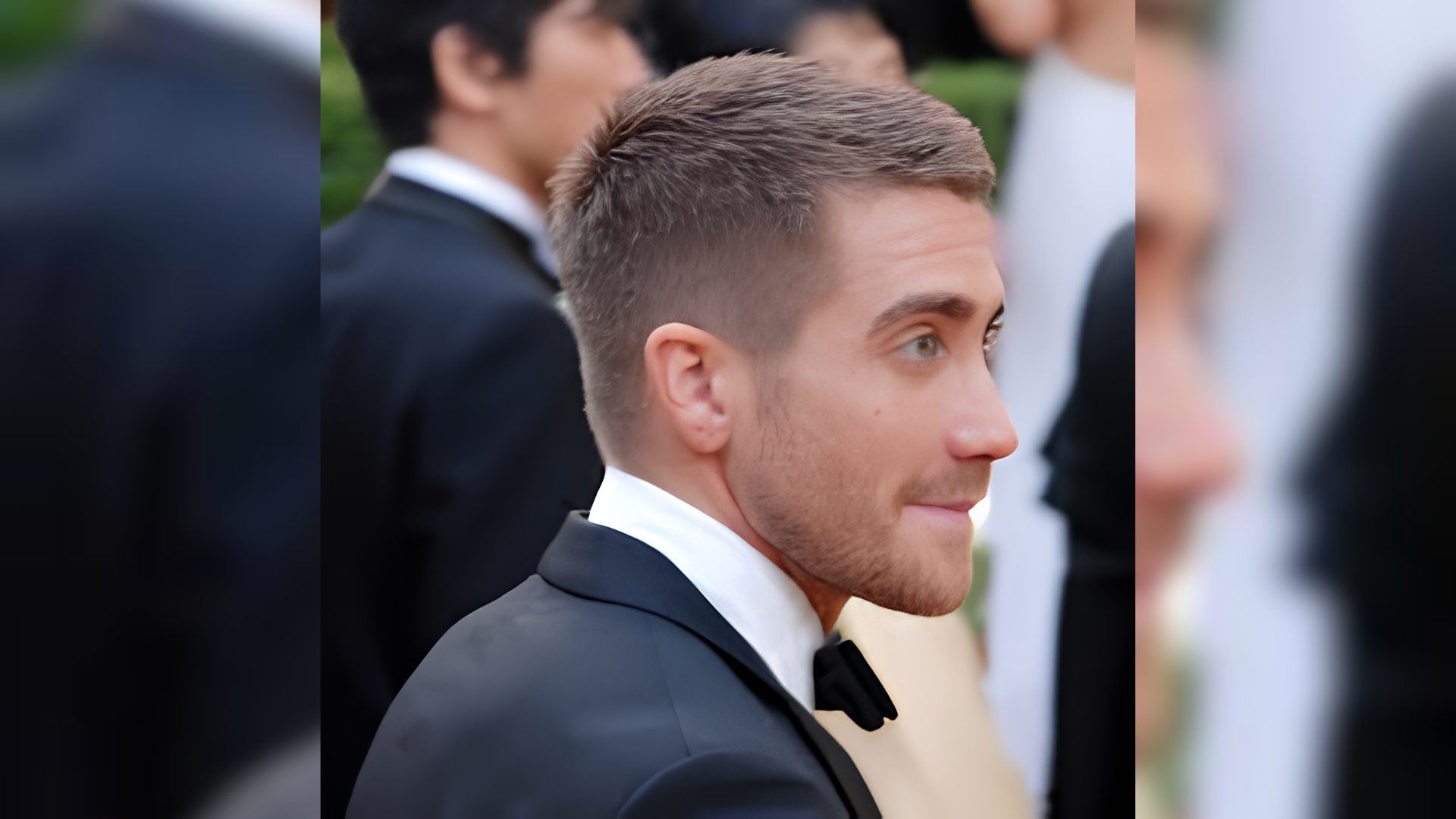
2. Crew Cut
Source: Pinterest
Short on the sides, slightly longer on top with a gradual taper toward the front. It’s the kind of cut that looks intentional even when you haven’t touched it all day.
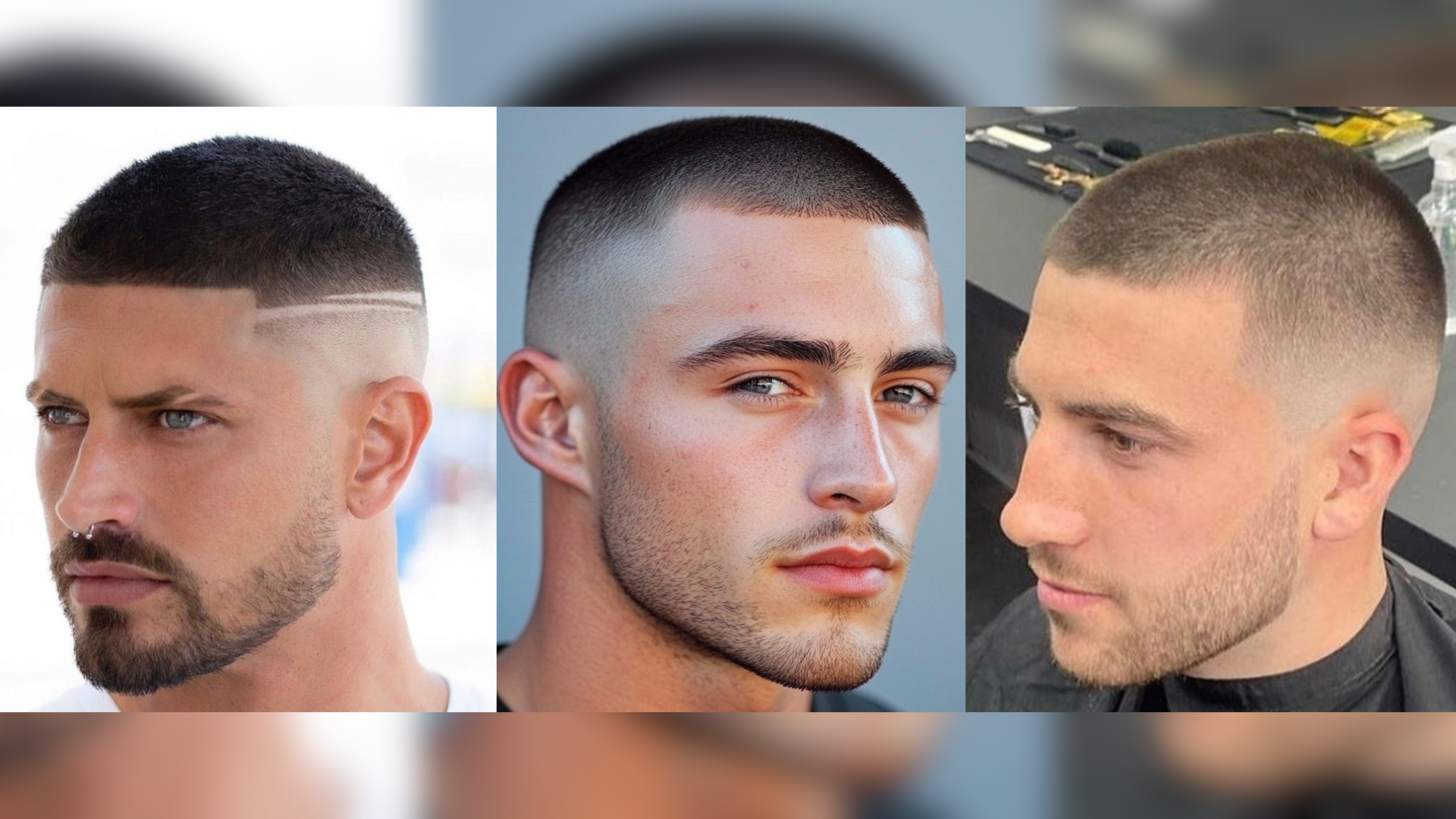
3. Buzz Cut
Source: Conway Village Barber Shop
All one length, clipped close to the head. No styling, no fuss, just a sharp, no-nonsense look that works best when the cut itself is precise.
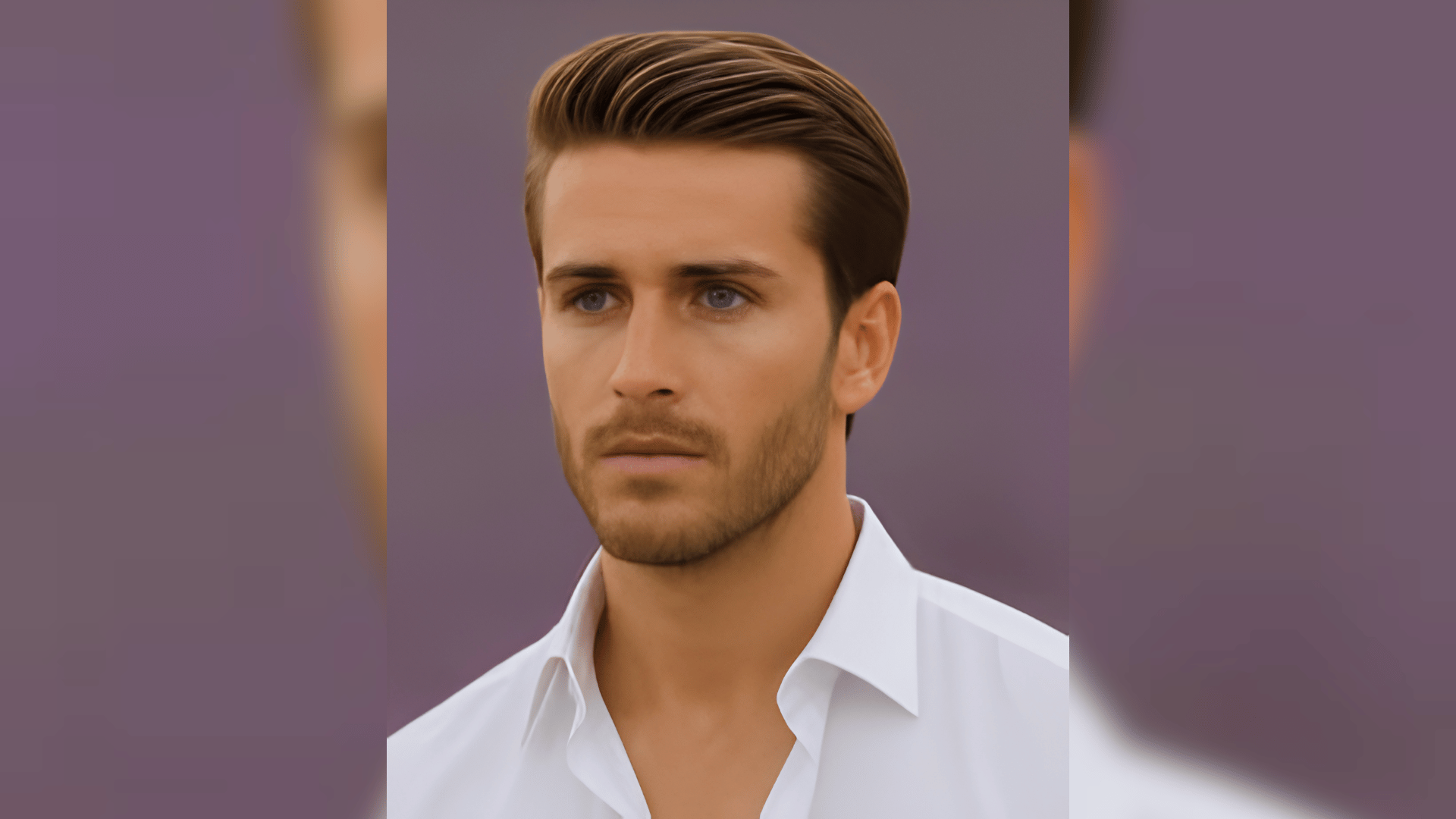
4. Ivy League Haircut
Source: Forte Series
Basically, a grown-out crew cut with enough length on top to comb. It sits right between casual and formal, which is exactly why it’s been a go-to since the 1950s.
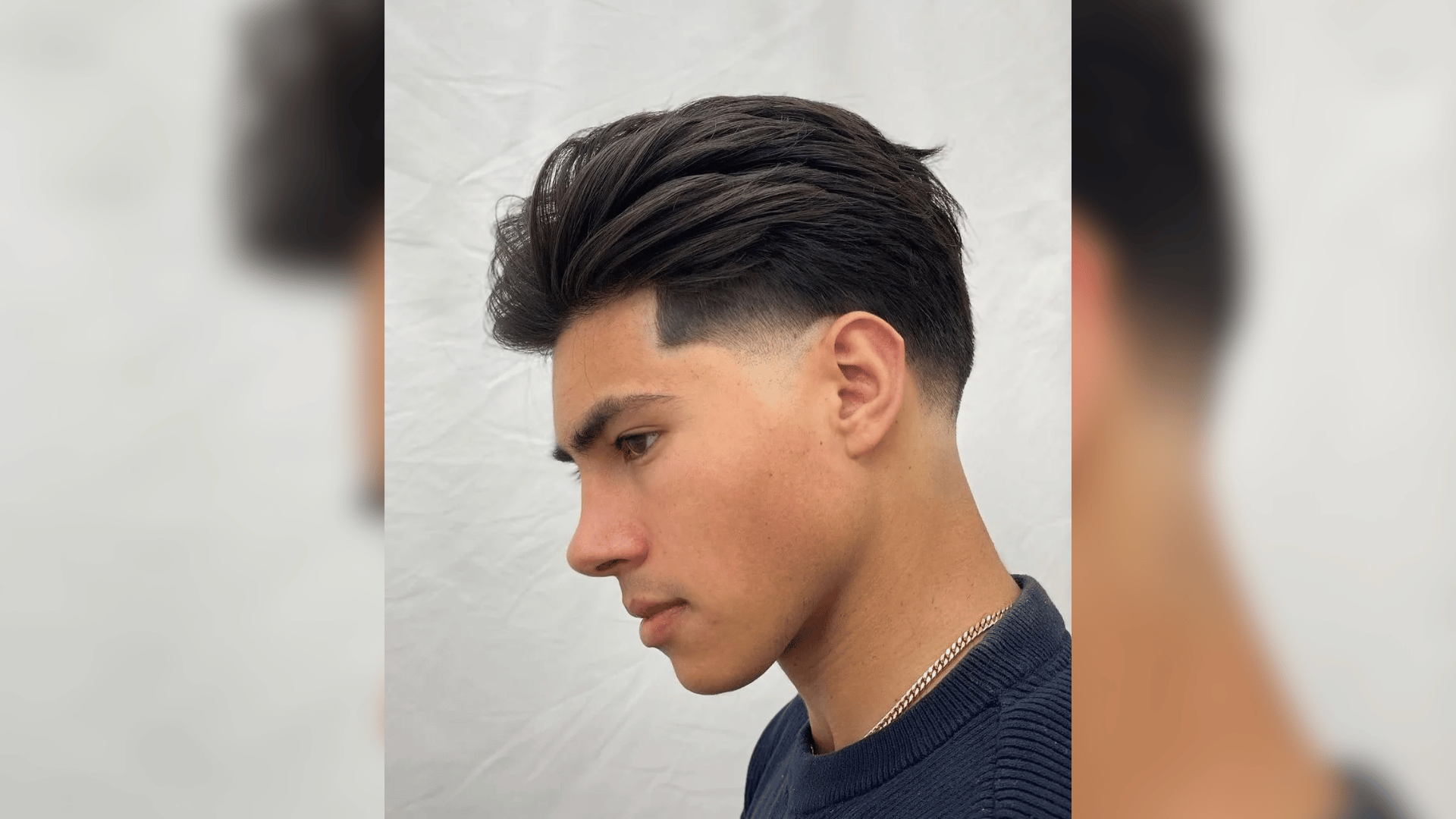
5. Slick Back
Source: The Right Hairstyles
All the hair is pushed straight back from the forehead using pomade or gel. The result is a clean, intentional look that reads confident in almost any setting.
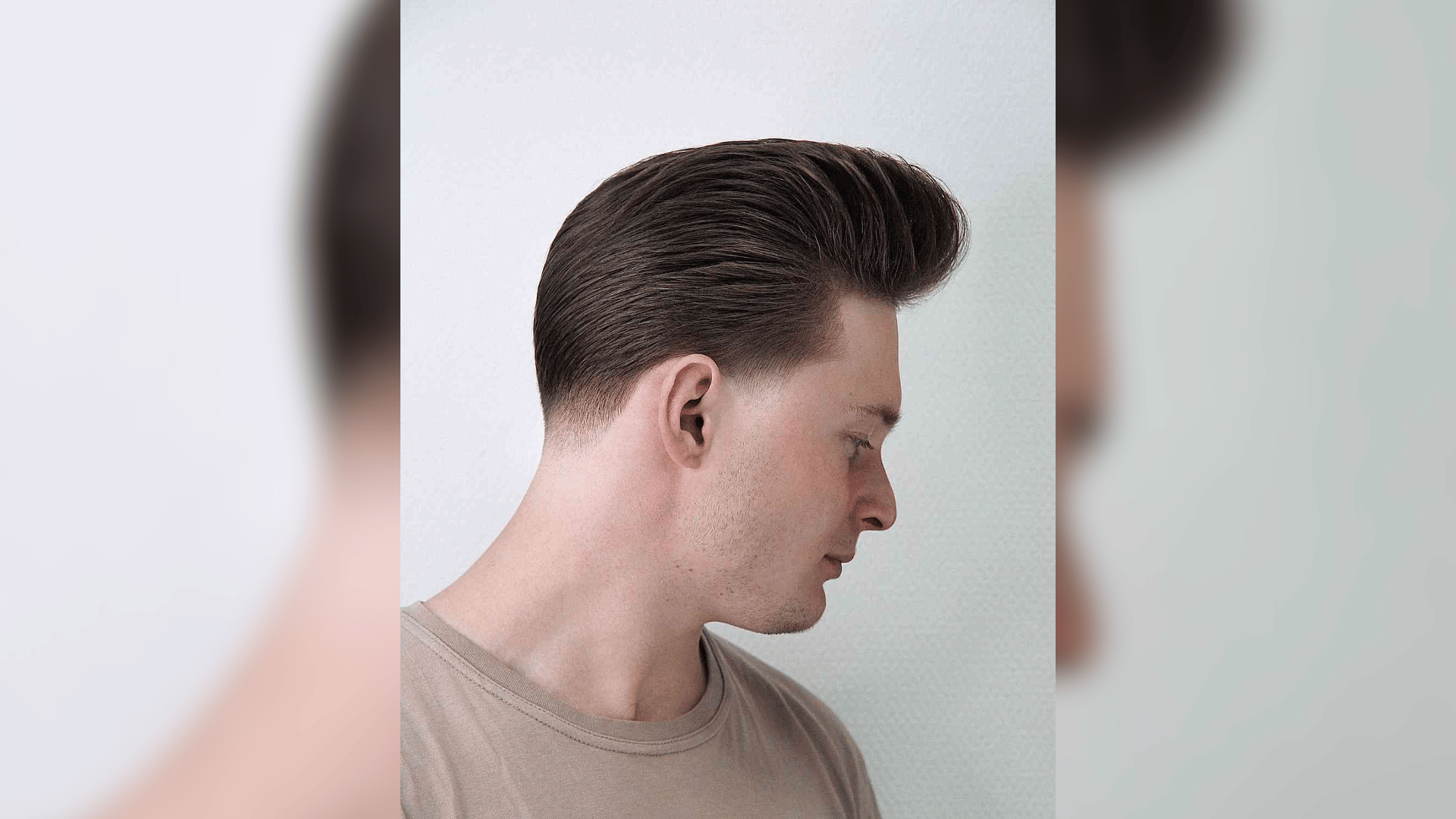
6. Pompadour
Source: Latest Hairstyles
Volume-forward style where the hair is swept upward and back from the face. It commands attention without being over the top, bold, but still rooted in traditional barbering.
7. Taper Cut
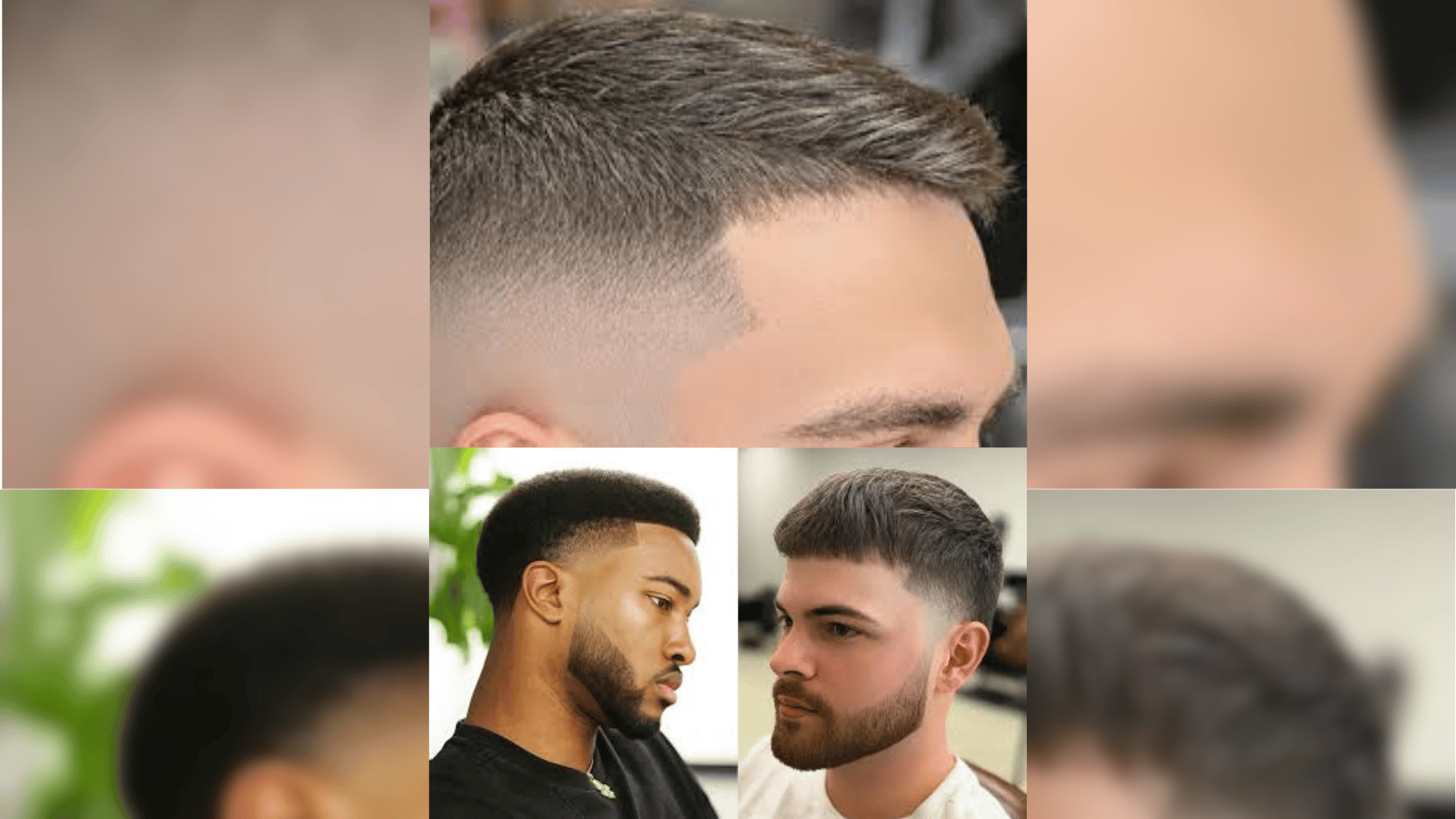
The hair gradually shortens as it moves down toward the neck and ears. It’s a building-block cut that works on its own or pairs well with almost any style on top.
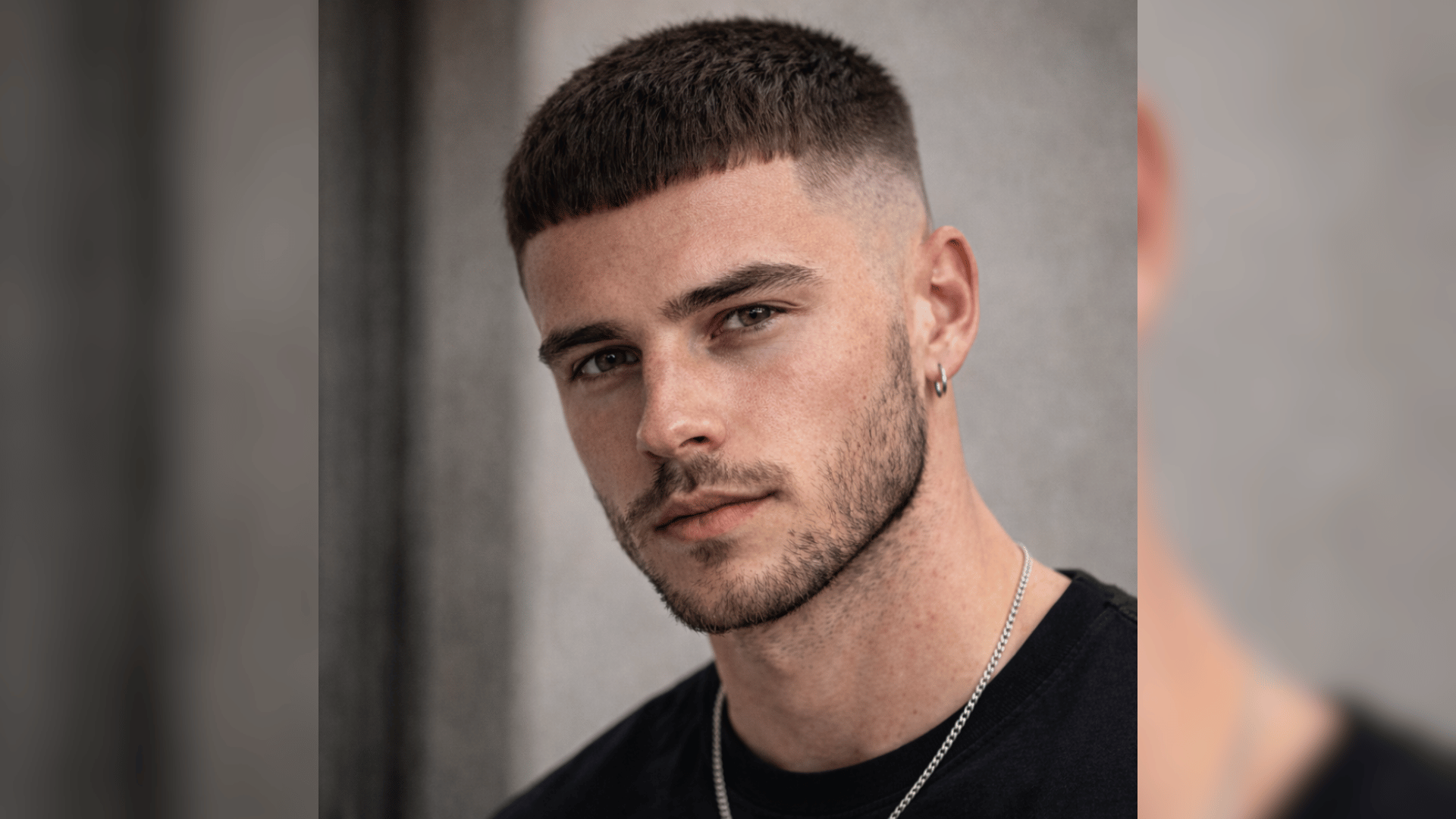
8. Caesar Cut
Source: Kaya Clinic
Short, horizontally cut fringe across the forehead with uniform length throughout. Julius Caesar reportedly wore this style, and it’s held up considerably better than the Roman Empire.
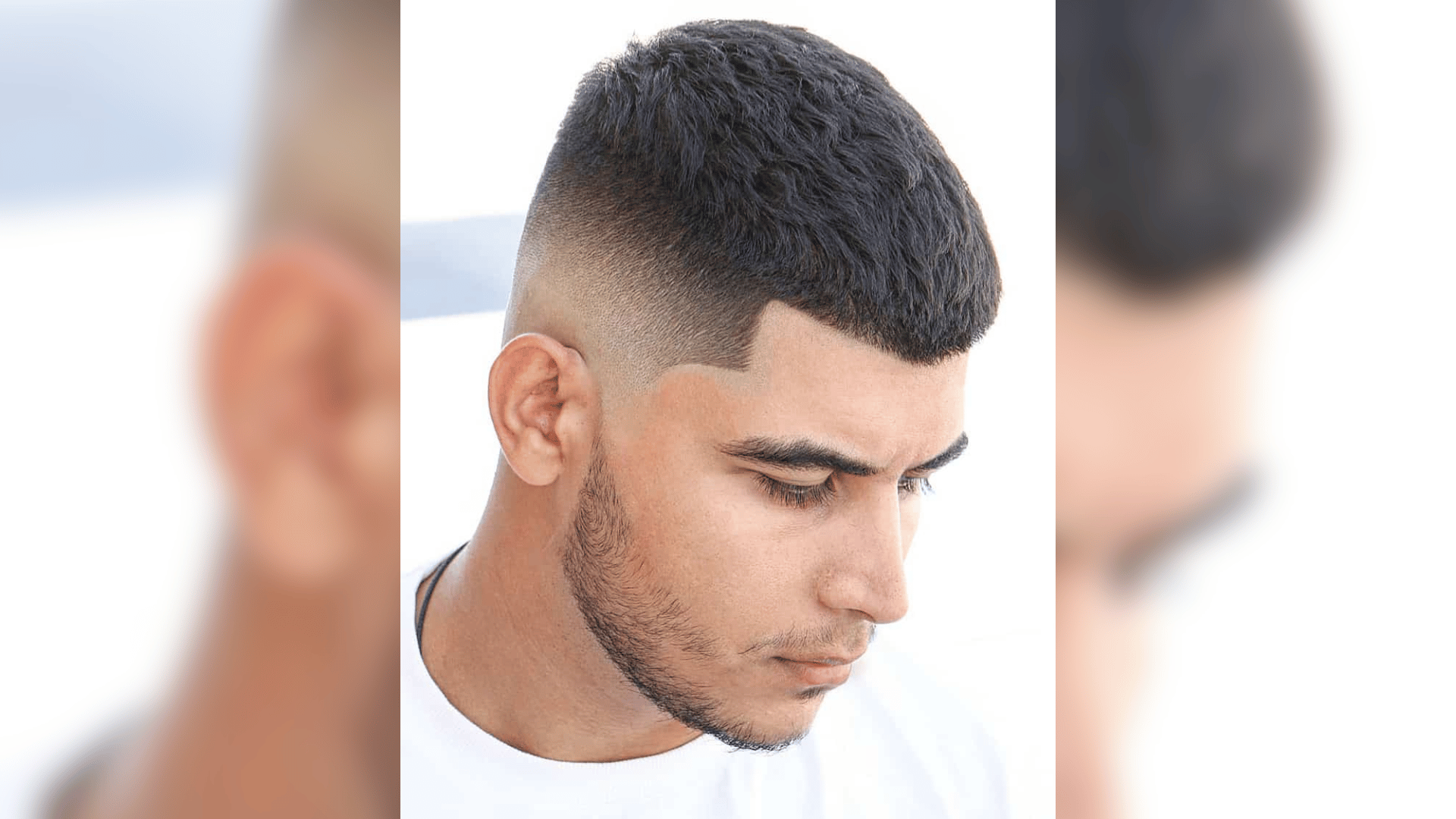
9. French Crop
Source: Mens Flair
Similar to a Caesar but with a skin fade on the sides and a slightly textured top. It’s been a staple in European barbershops for decades and translates well across most face shapes.
10. Quiff Haircut
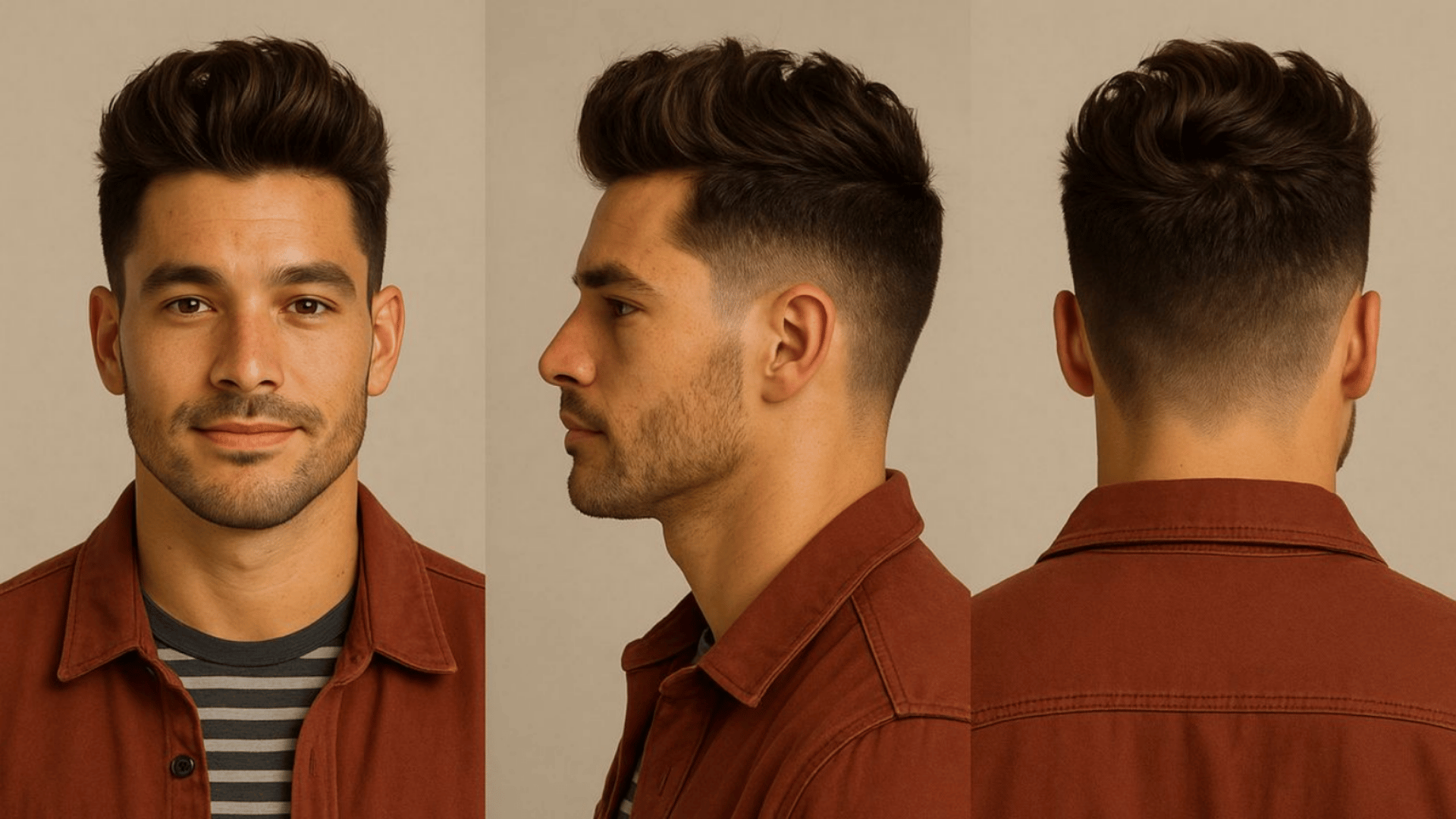
Source: Fashion Beans
Hair at the front is pushed upward and slightly back, creating height without going full pompadour. It’s a solid middle ground between a relaxed look and something with real structure.
11. Flat Top
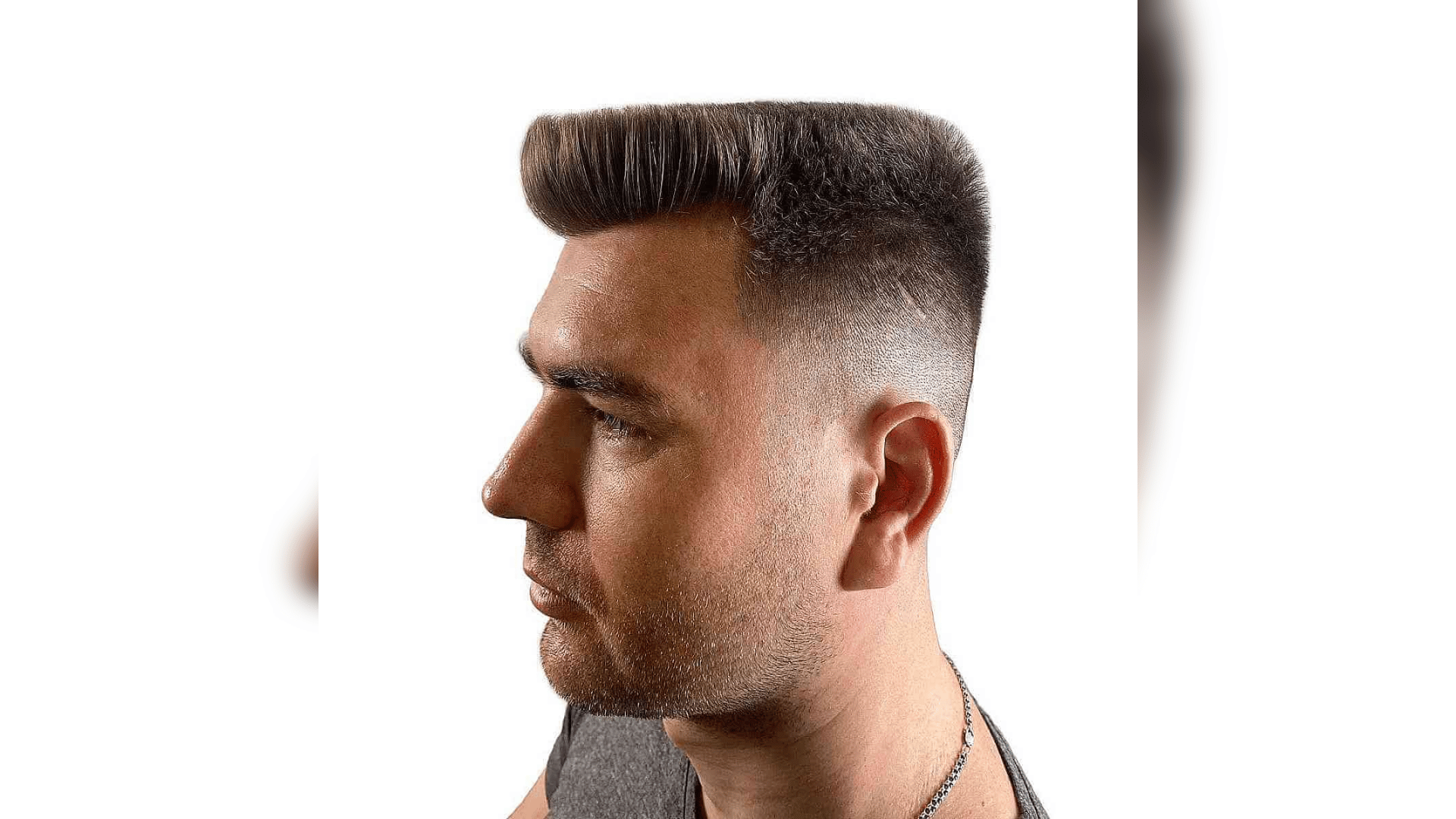
Source: Latest Hairstyles
The top of the hair is cut level and stands straight up. It peaked in the 80s and 90s, but a well-executed flat top still turns heads at a barber who knows what they’re doing.
12. High and Tight

Source: Men Deserve
Military-originated cut with the sides shaved close to the skin and a small strip of length left on top. Minimal, sharp, and requires almost zero morning effort.
13. Regulation Cut
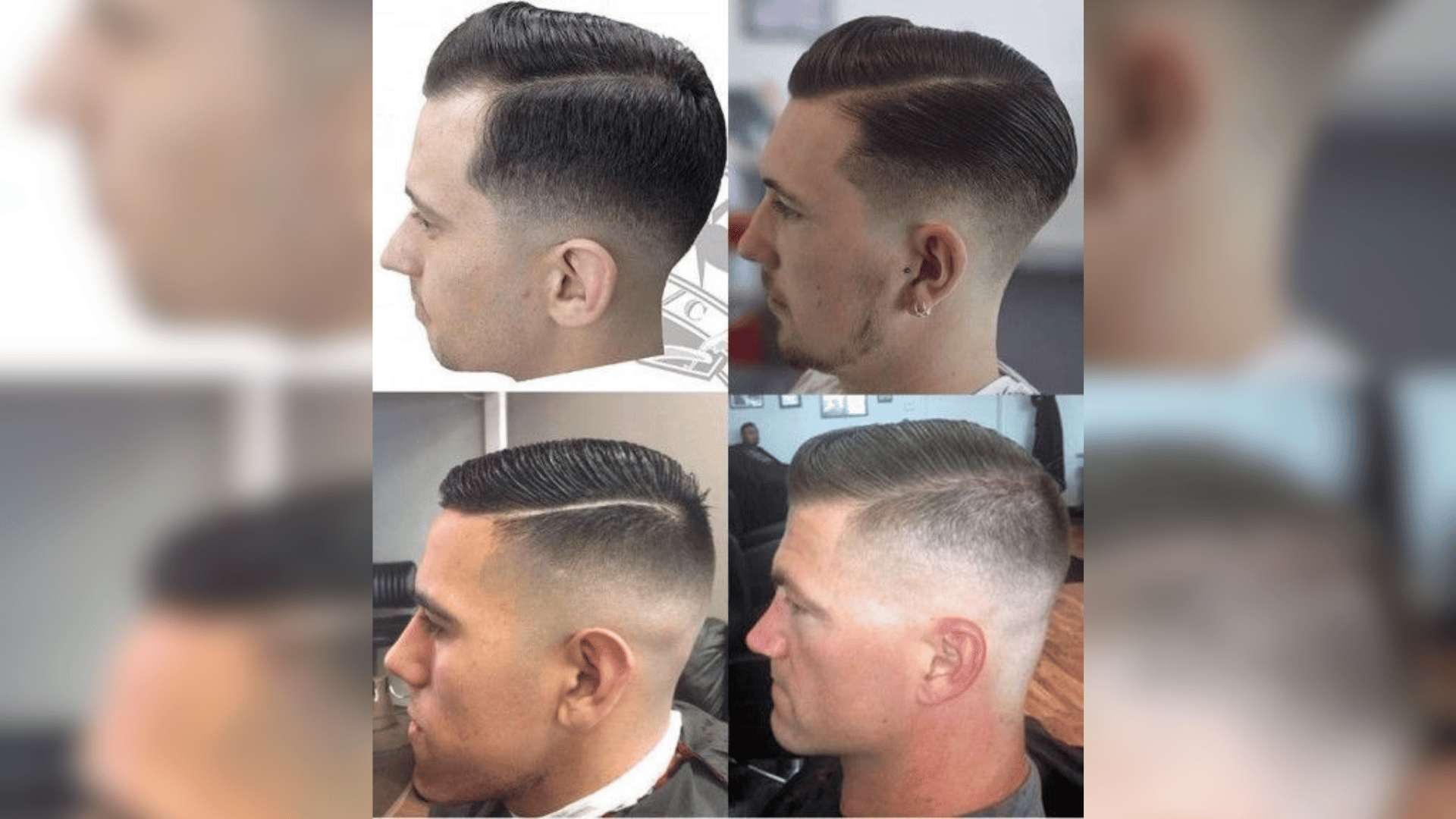
Source: Pinterest
A standard military cut, taper on the sides, short but not shaved, blended neatly. It’s disciplined by design, and that precision is exactly what makes it look so clean on civilians, too.
14. Classic Fade Haircut
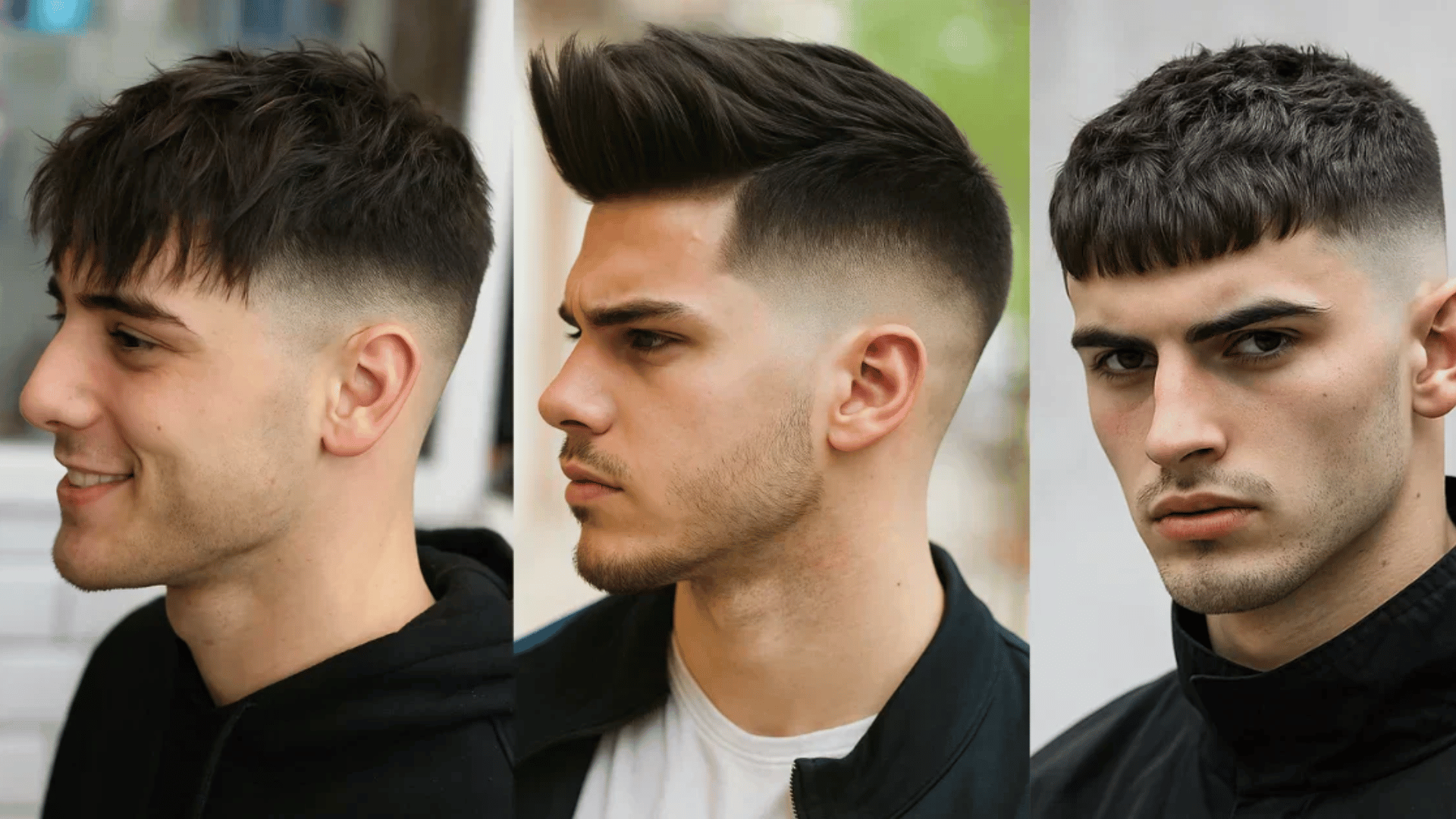
Source: Forte Series
Hair transitions from longer on top to skin-level at the bottom in a smooth gradient. The fade itself is the craft here; a sloppy one ruins the whole thing.
15. Textured Side Sweep
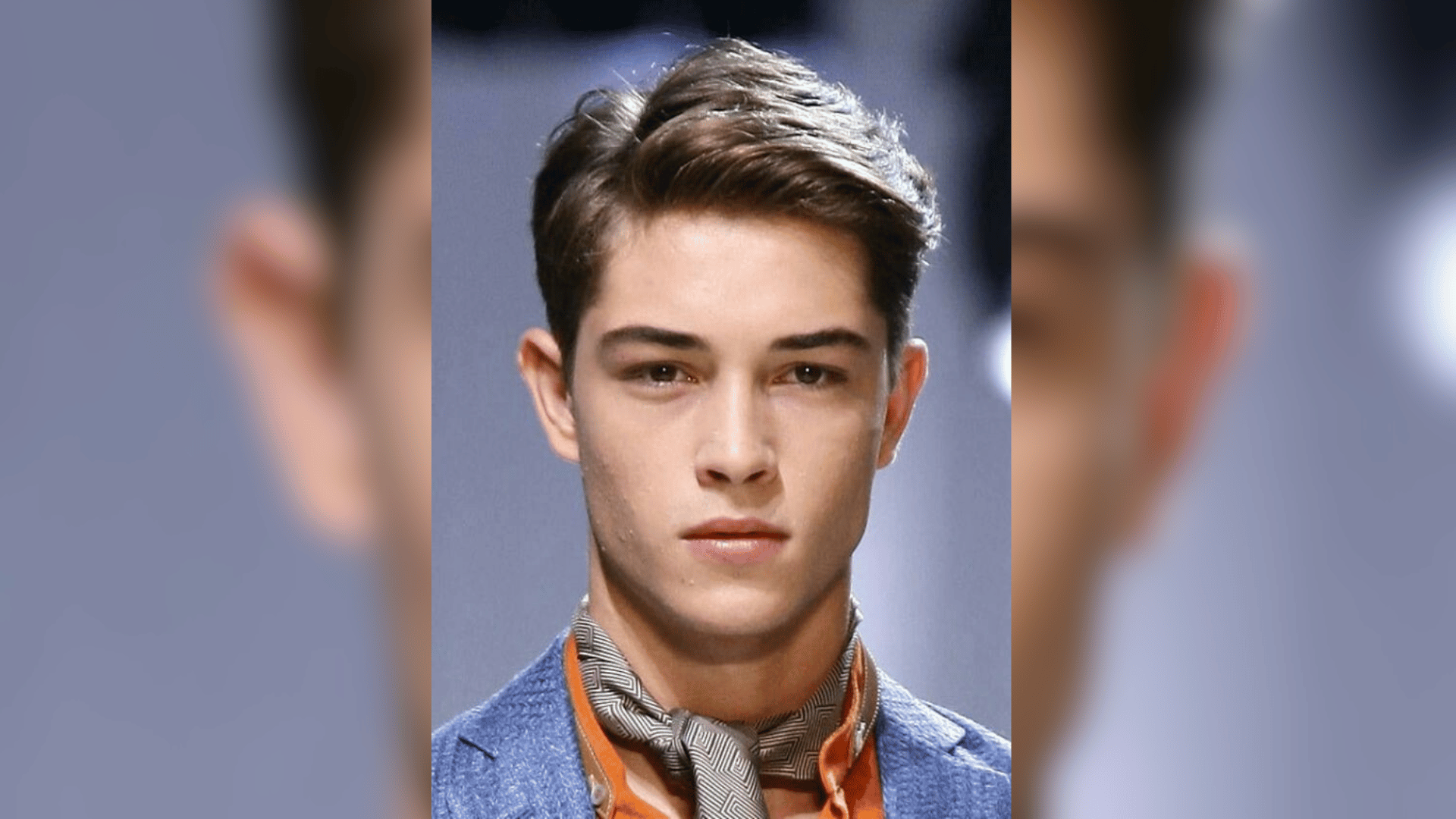
Source: Pinterest
Longer hair on top is swept to one side with added texture through the cut or product. It’s relaxed but intentional, the kind of style that looks like it came together naturally, even when it didn’t.
16. Short Back and Sides

Exactly what it says, tight around the back and sides, with more length kept on top. It’s the default definition of a traditional men’s haircut and rarely goes wrong.
17. Gentleman’s Cut
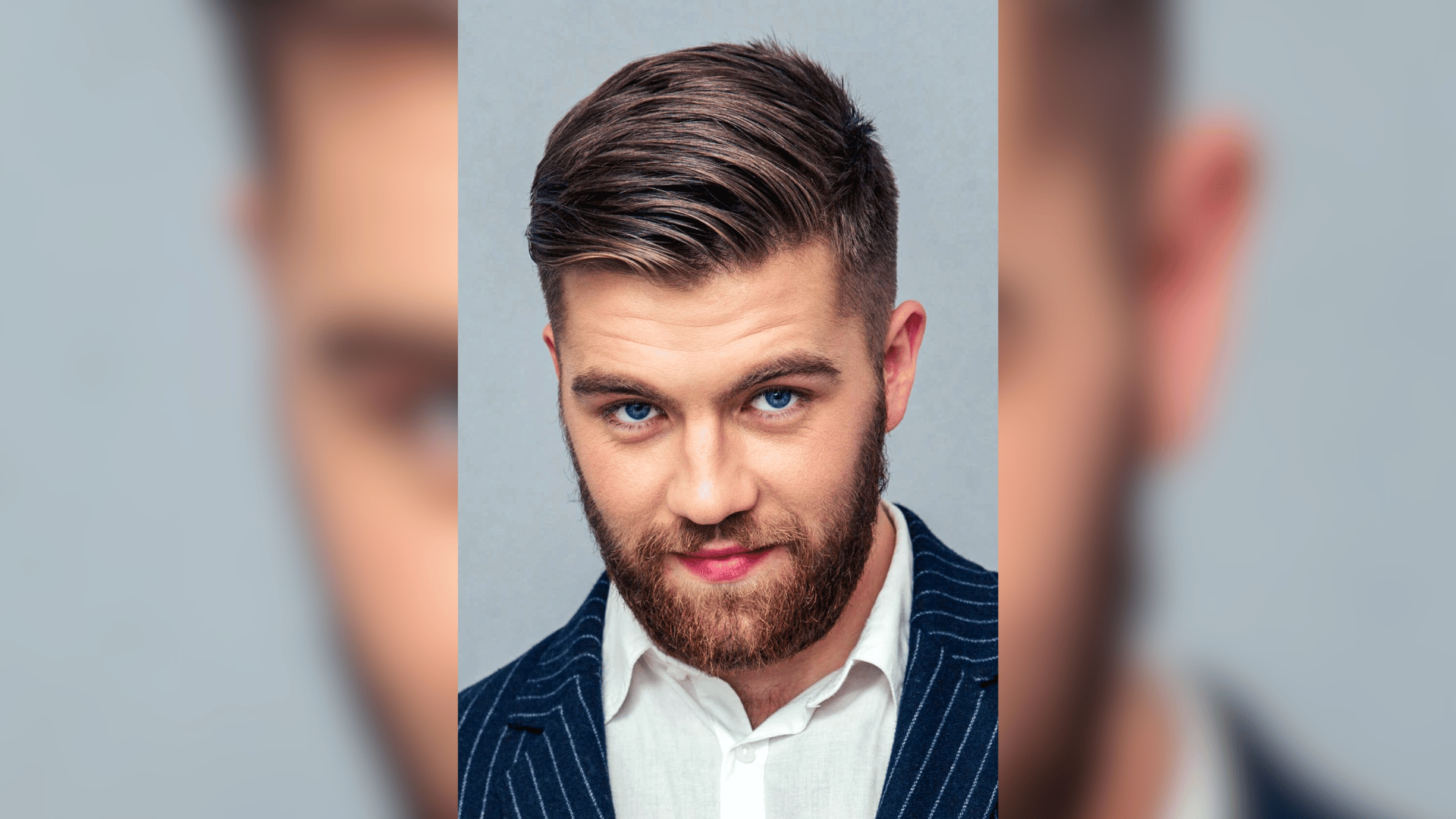
Source: Haircut Inspiration
A refined, tailored style typically featuring a side part, soft taper, and well-groomed finish. It’s meant to look like you put effort in, because in this case, you actually did.
18. Traditional Scissor Cut
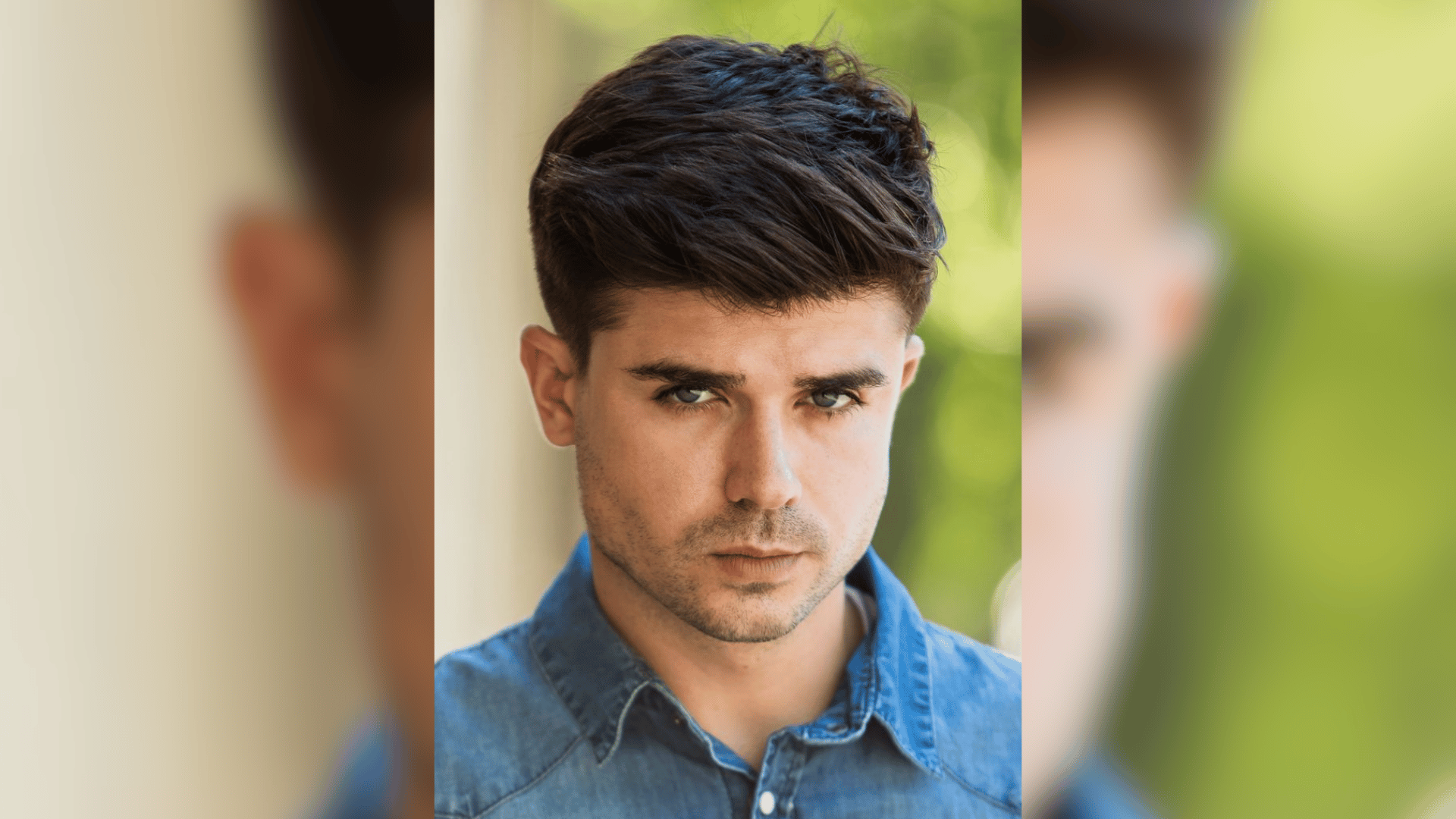
Source: Pinterest
Done entirely with scissors rather than clippers, giving the hair a softer, more natural finish. It takes longer in the chair, but the result has a texture and movement that clippers can’t replicate.
19. Executive Contour Haircut
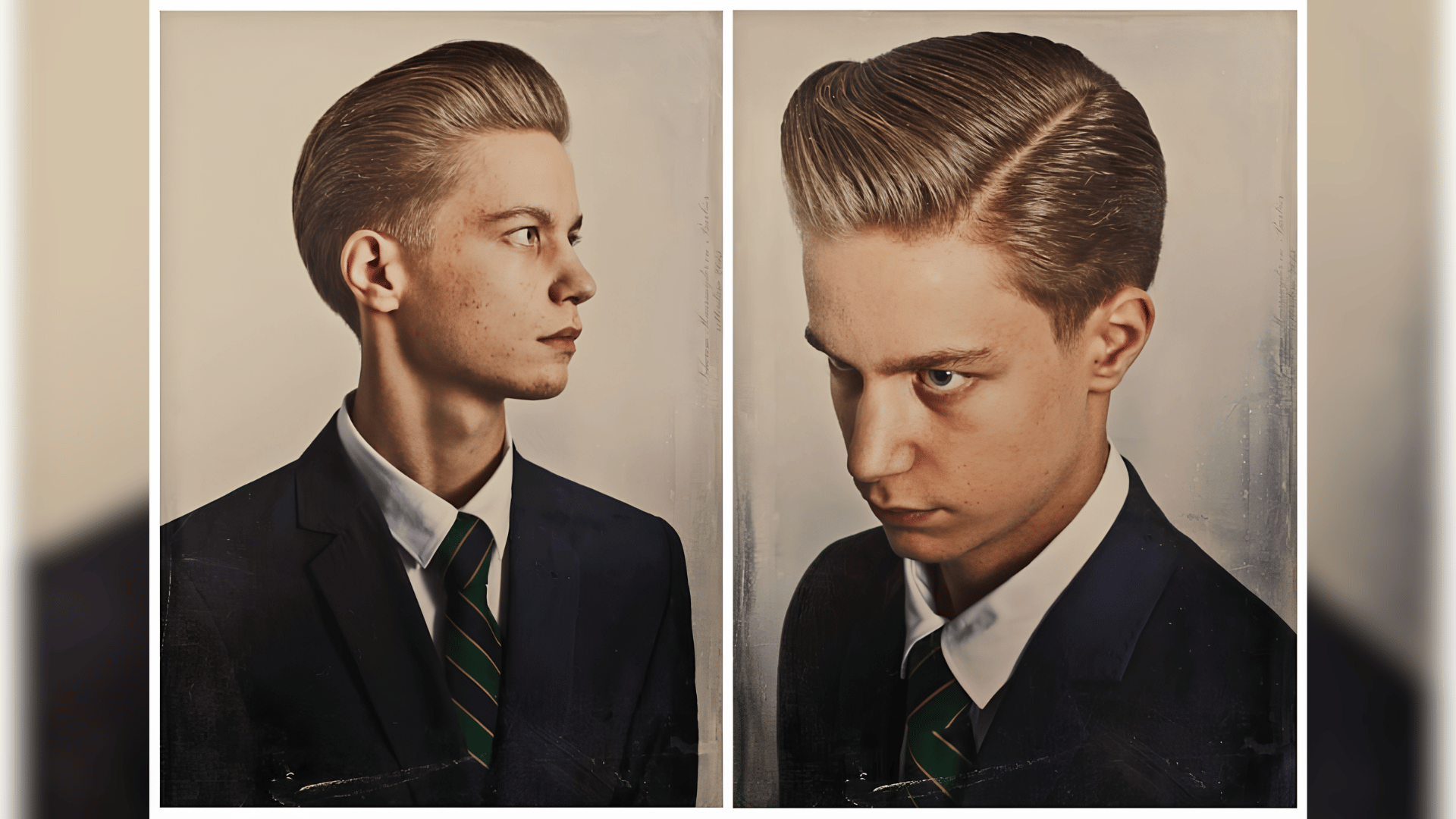
Source: Pinterest
A businessman’s cut is shaped precisely around the face and neck for a clean, controlled silhouette. Built for boardrooms, but sharp enough to carry anywhere else without looking out of place.
20. Comb Over
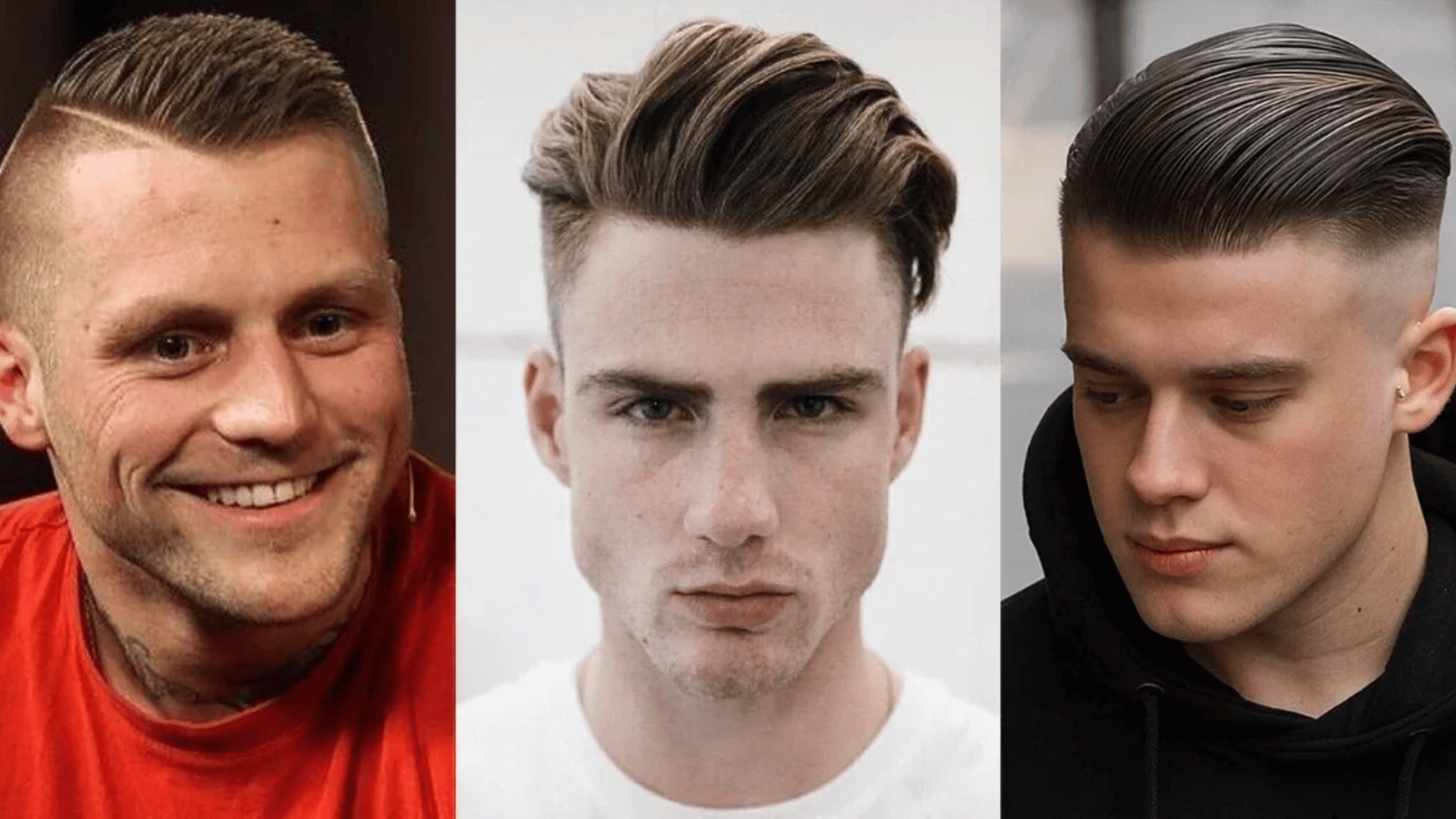
Source: Forte Series
Hair on top is grown longer and swept to one side, blending into shorter sides. Done right, it’s a sharp, structured look, not to be confused with a bad cover-up job.
Best Classic Haircuts for Different Hair Types
Not every classic cut works the same on every head. Your hair texture plays a big role in how a style actually looks once you leave the barbershop. Here’s what works best for each hair type.
Classic Haircuts for Thick Hair:
- The Crew Cut works particularly well on thick hair because the taper on the sides removes bulk without losing the structure on top. You get a clean shape that doesn’t require much product to hold.
- The Ivy League is another strong pick; the added length on top gives thick hair room to lie flat and look intentional rather than poofy. A good barber will point-cut the top to reduce weight where needed.
Classic Haircuts for Thin Hair:
- The Side Part is one of the best cuts for thin hair because the structured comb-over effect creates the illusion of more volume and density. Pair it with a light volumizing product, and it looks noticeably fuller.
- The Quiff adds height at the front, which draws the eye upward rather than to the thinning areas. It’s one of the few styles that actually uses fine hair to its advantage. Lighter hair lifts easier and holds height better.
Traditional Men’s Haircuts for Curly Hair:
- The Taper Cut is a go-to for curly hair; it keeps the sides controlled while letting the natural curl pattern show on top. The gradual length change works with the texture rather than fighting it.
- The French Crop suits curly hair surprisingly well. The skin fade on the sides creates a clean contrast against the curls on top, and the cropped fringe keeps the front from getting unruly as it grows out.
Classic Styles for Straight Hair:
- The Pompadour also performs best on straight hair. The hair sweeps back smoothly without frizz or shape loss, and the volume at the front stays defined throughout the day with the right hold product.
- The Regulation Cut looks especially precise on straight hair. Clean lines and tight blends show up more clearly when the hair lies flat, making the overall cut look sharper than it would on any other texture.
Traditional Cuts for Wavy Hair:
- The Textured Side Sweep was designed with wavy hair in mind. The natural movement of the hair adds dimension to the sweep without extra effort; the waves do the styling on their own.
- The comb-over suits wavy hair more than most people expect. The wave adds body to the sweep, making the style look fuller and more dynamic than it would on flat, straight strands.
In Conclusion
Classic haircuts for men have lasted this long for one reason: they work. Pick a style that suits your hair type and face shape, sit in the chair, and let a good barber do the rest.
These cuts have survived decades of changing trends because they flatter consistently, regardless of age or lifestyle.
A traditional men’s haircut never needs a trend to back it up. When everything else in fashion cycles in and out, classic haircuts for men stay exactly where they belong at the top of the list.
Frequently Asked Questions
How Often Should Men Get a Classic Haircut Trimmed?
Every 3 to 4 weeks keeps most traditional cuts looking sharp and well-maintained.
Does Face Shape Matter when Choosing a Classic Men’s Haircut?
Yes, oval faces suit nearly any cut, while square or round faces benefit from styles with more height on top.
What’s the Difference Between a Taper & a Fade?
A taper gradually shortens the hair, while a fade takes it all the way down to the skin.
Are Classic Haircuts Suitable for Professional & Formal Settings?
Most cuts, such as the Ivy League, gentleman’s cut, and side part, are specifically designed for professional environments.