What if your hairline has been holding you back more than you realize?
For many people, a high, uneven, or receding hairline is not just a cosmetic concern it chips away at confidence in ways that are hard to ignore.
The right approach depends on factors most people never consider, and the wrong decision can cost far more than money.
Ready to separate fact from fiction? Keep reading to find out everything you need to know before booking that first consultation.
What is Hairline Surgery?
Hairline surgery is a procedure used to improve the shape, position, or thickness of the front hairline.
It may be done through a hair transplant for hair restoration or a hairline lowering surgery.
In the the hair transplant method, healthy hair follicles are taken from the back or sides of the scalp and placed along the front hairline.
For the lowering surgery, the scalp is moved forward to reduce the height of the forehead. It is often chosen by people who naturally have a high hairline or large forehead.
Is Hairline Surgery Worth It?
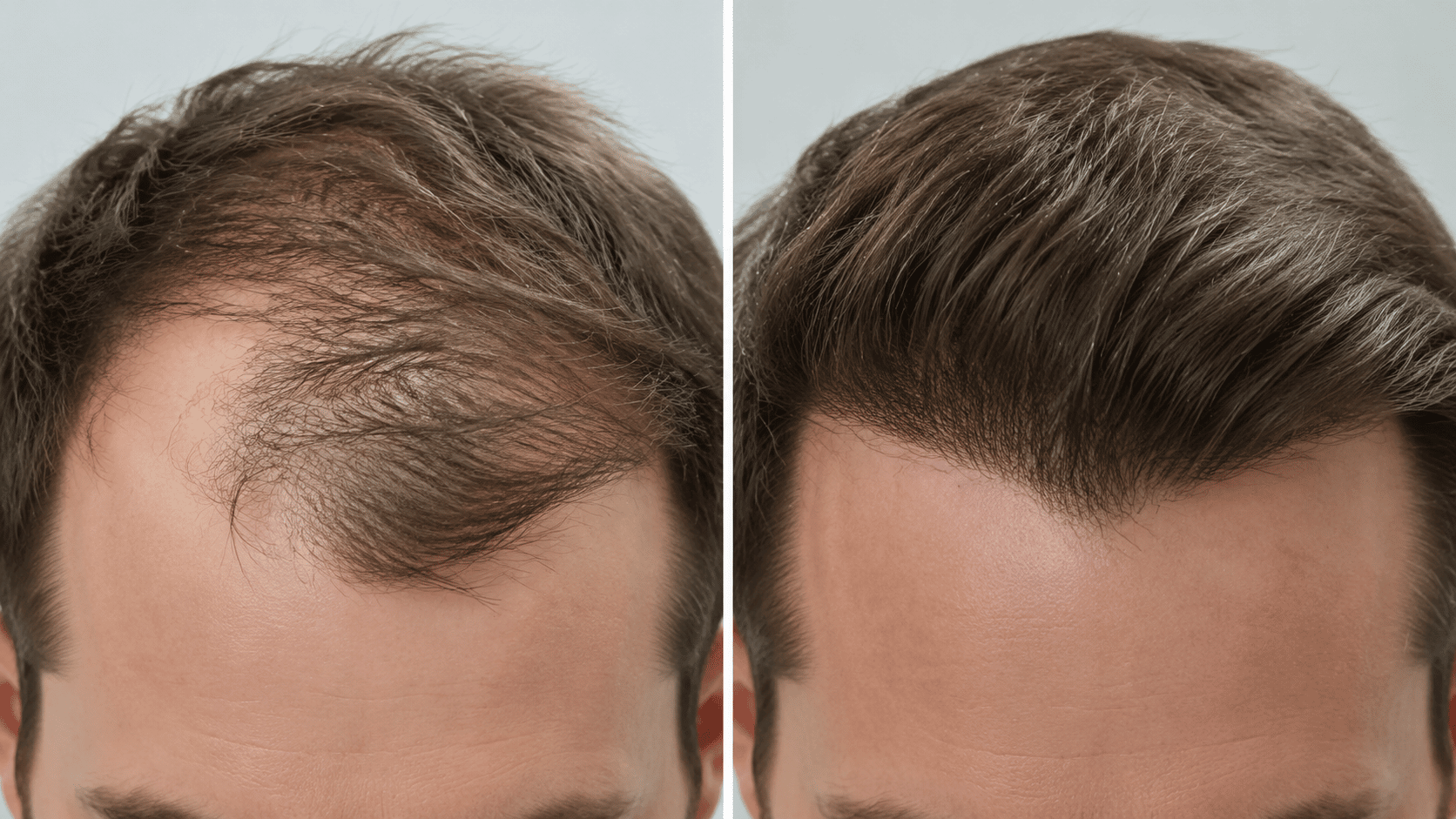
Hairline surgery can be worthwhile for individuals seeking a long-term improvement in their hairline, provided they have realistic expectations.
It may also reduce anxiety about thinning hair and offer a more permanent solution than temporary cosmetic options like hair fibers or topical treatments.
Overall, hairline surgery is most beneficial for those looking for lasting results and a natural, well-defined hairline.
How Does Hairline Lowering Surgery Work?
Hairline lowering surgery is a straightforward procedure, but knowing what happens step by step helps set the right expectations.
The surgeon makes a small incision along the existing hairline. The scalp is then moved forward and secured in its new position. This reduces the height of the forehead and brings the hairline closer to where you want it.
The whole process typically takes two to three hours. It is done under local anesthesia, so discomfort during the procedure is minimal.
Stitches are placed carefully to minimize scarring. Most surgeons position the incision so that hair grows over it naturally over time.
It works best for people with a flexible scalp and enough scalp laxity to allow forward movement. Your surgeon will assess this during your consultation.
Hairline Surgery Recovery Timeline
A step-by-step overview of what to expect after hairline surgery, from initial healing and shedding to full regrowth
Week 1:
- Mild swelling, redness, and scabbing around the hairline are common.
- Avoid strenuous activity and strictly follow post-operative care instructions.
Week 2:
- Swelling and redness begin to subside.
- Scabs may naturally fall off.
- Light activities can usually be resumed.
Weeks 3–4:
- Shedding of transplanted hair is normal.
- The hairline may appear thinner temporarily.
Weeks 5–8:
- Early hair regrowth may start but is typically fine and sparse.
- Gradually return to normal routines while avoiding trauma to the hairline.
Months 3–6:
- Noticeable hair growth becomes visible.
- Hair density steadily improves.
Months 9–12:
- Full results are usually visible, with hair blending naturally with surrounding areas.
- Minor touch-ups, if needed, can be considered after 12 months.
Hairline Surgery Cost: What Affects the Price?
The cost of hairline surgery varies depending on several factors.
Procedure type plays a major role: hair transplants typically range from $4,000 to $18,000, while hairline lowering can cost $7,000 to $20,000 or more.
The surgeon’s experience and the clinic’s location also impact pricing, as does the number of grafts; more grafts generally increase the cost.
The methods used, such as FUT, FUE, or other techniques, can affect the price, and additional fees for consultation, anesthesia, and post-operative care should also be considered.
Please Note: The cost figures listed here are general estimates only. Actual prices vary based on your location, the specific clinic, surgeon experience, the complexity of your case, and state or regional pricing differences.
Key Benefits of Hairline Surgery
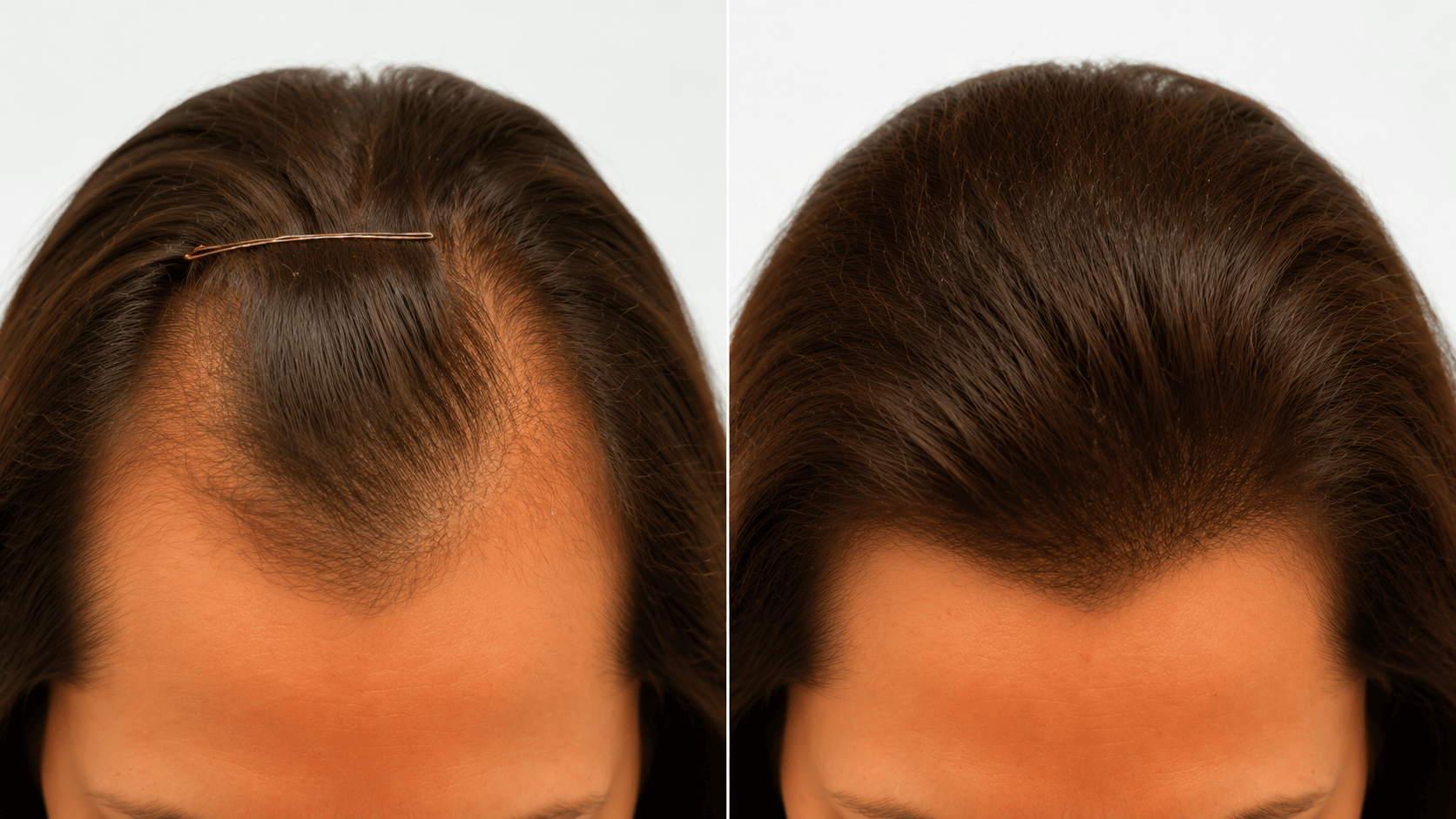
Hairline surgery enhances appearance, boosts confidence, and balances facial features, providing natural, lasting results when hair growth is properly placed.
- Hairline surgery improves appearance and boosts confidence, helping patients achieve a natural, balanced, and lasting hairline
- Hairline surgery offers both cosmetic and emotional benefits when planned well.
A better hairline can make the forehead and face look more proportionate, improving overall facial balance. - This improvement is one of the main reasons people choose the procedure.
- When done by a trained surgeon, transplanted hair can grow in the same direction as natural hair.
- Proper hair growth and placement help the final result blend naturally with existing hair.
Hair Restoration Options: Surgical and Non-Surgical
This table highlights differences in methods, results, recovery, and maintenance
| Feature | Hairline Surgery | Non-Surgical Options |
|---|---|---|
| Type | Surgical | Cosmetic |
| Method | FUE, FUT, Hairline Lowering | Medications, PRP, Micropigmentation, Wigs |
| Goals | Permanent hair improvement | Slow hair loss or cosmetic coverage |
| Results | Long-term, natural-looking | Temporary or gradual |
| Recovery & Risks | Weeks, possible swelling | Ongoing use or regular reapplication required |
Finding a Qualified Surgeon or Clinic
Selecting an experienced hairline surgeon or clinic is crucial, as their skill ensures natural, lasting results rather than disappointing outcomes.
Look for board-certified hair restoration surgeons with a proven track record in hairline lowering or hair transplant procedures.
Review real patient results to evaluate how natural the outcomes are. Pay attention to hair direction, density, and overall hairline shape.
A thorough consultation should include scalp and hair assessment, discussion of realistic expectations, and a clear explanation of the procedure, recovery, and costs.
Ensure the clinic is equipped with modern surgical tools, adheres to strict hygiene protocols, and provides reliable postoperative support.
If you’re seeking a local provider, check reviews, visit the clinic if possible, and confirm that they provide consistent follow-up care.
Risks Involved in Hairline Surgery
While hairline surgery offers lasting benefits, it carries potential risks and side effects that patients should be aware of beforehand.
- Swelling around the hairline
- Redness of the scalp
- Scabbing at the transplant or incision site
- Numbness or temporary loss of sensation
- Temporary shedding of transplanted hair
- Infection (rare)
- Scarring (minor or visible in some cases)
Who is a Good Candidate for Hairline Surgery?
Success in hairline surgery depends on careful assessment, proper planning, and realistic expectations to ensure natural, long-lasting, and satisfying results.
A good candidate typically has healthy donor hair, stable hair loss, and realistic goals. Before treatment, a surgeon should evaluate the scalp, hair pattern, and medical history.
People with stable hair loss usually achieve better long-term results, as surrounding hair is less likely to thin quickly.
Strong donor hair helps create better density, while a weak donor area may limit the final outcome.
Conclusion
At this point, you have everything you need to make a smart, informed decision. The next step is not research; it is action.
Find a surgeon you trust, ask the right questions, and let your goals lead the way.
A better hairline is closer than you think.
Thinking about making a change? Book a consultation with a qualified hair restoration specialist today and take the first real step toward the hairline you actually want.
Frequently Asked Questions
Is Hairline Surgery Permanent?
Hair transplant results can last for many years, but future hair loss may still need treatment.
Is Hairline Surgery Painful?
Most procedures are performed under anesthesia, so pain during surgery is usually minimal. Mild soreness can happen afterward.
Can Women Get Hairline Surgery?
Yes. Women with a high forehead, thinning edges, or uneven hairline may be candidates.
What Happens 10 Years After a Hair Transplant?
Transplanted hair usually remains thick and healthy for many years, but natural hair outside the transplant area may thin and require treatment.