

The fitness apparel market continues to grow as consumers increasingly seek brands that align with their goals, lifestyles, and values. Yet launching a successful fitness clothing brand involves much more than creating attractive designs. Today’s consumers are surrounded by options, making effective merchandise marketing essential for standing out in a crowded marketplace.
Whether you’re building a gym-focused apparel line, a yoga-inspired lifestyle brand, or performance wear for runners, the brands that succeed are those that create strong communities and memorable customer experiences. Effective merchandise marketing helps bridge the gap between a product and the people it’s designed for.
For entrepreneurs looking to build a fitness apparel brand without taking on significant inventory risk, modern fulfillment solutions have also made launching easier than ever. In this article, we’ll explore nine key merchandise marketing principles that can help fitness clothing brands attract customers, build loyalty, and grow sustainably.
Start by Building a Community
One of the biggest mistakes new fitness brands make is focusing exclusively on products.
People don’t buy fitness apparel simply because they need another shirt or pair of leggings. They buy into identities, aspirations, and communities. The strongest brands create a sense of belonging around a shared goal, whether that’s strength training, endurance sports, wellness, or personal transformation.
Before heavily promoting products, focus on creating content that resonates with your audience. Educational posts, workout tips, training insights, and motivational content can help establish credibility and attract potential customers.
A loyal community often becomes a brand’s most valuable marketing asset.
Create Products That Reflect Your Audience
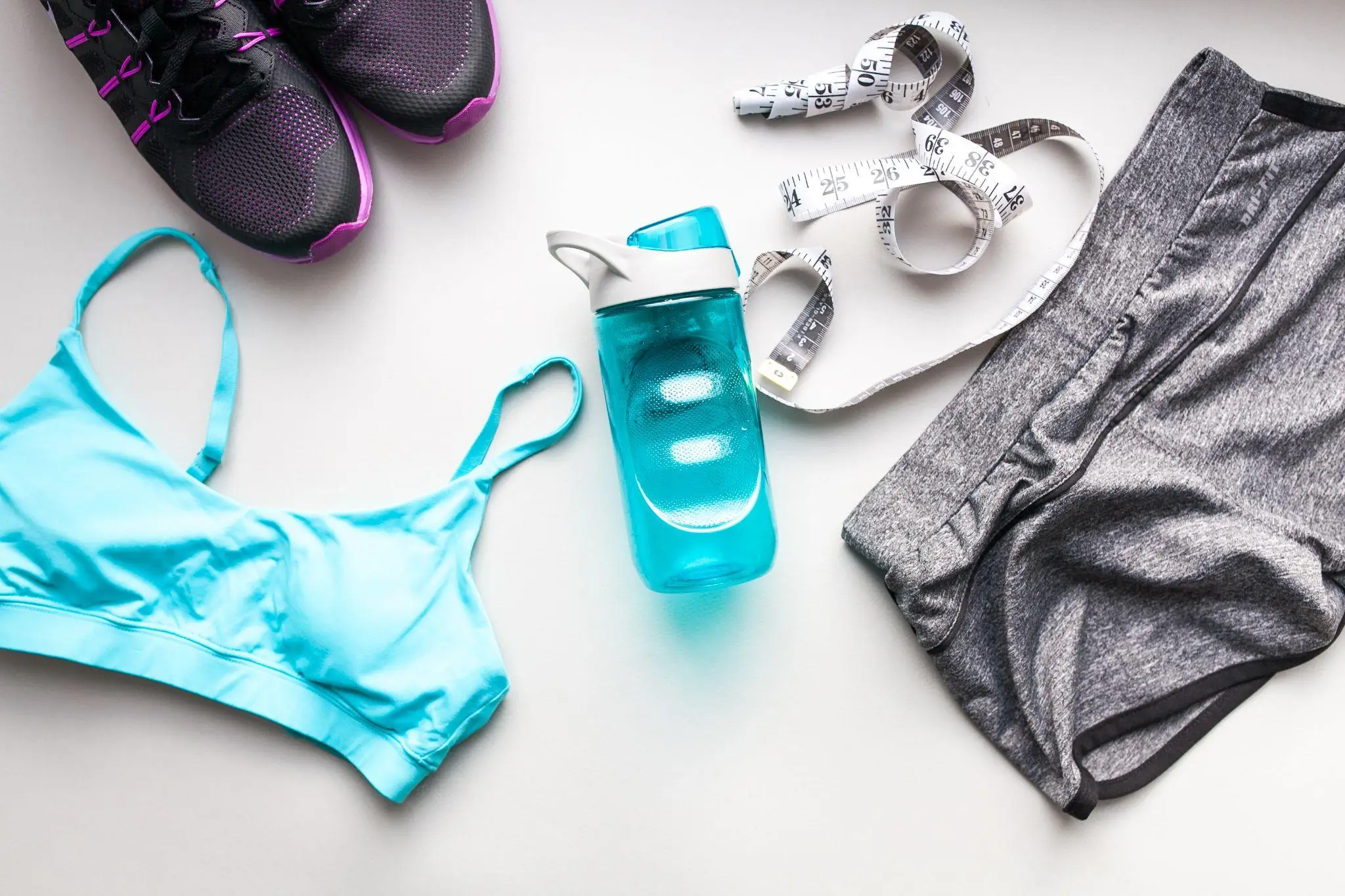
Successful fitness apparel brands understand their customers on a deeper level.
A CrossFit enthusiast, marathon runner, powerlifter, and yoga practitioner may all be interested in fitness, but their motivations, preferences, and aesthetics often differ significantly.
Instead of creating generic designs, develop products that speak directly to your audience’s interests and identity. Niche-focused branding typically performs better because customers feel a stronger personal connection to the products.
The more specific your positioning, the easier it becomes to differentiate your brand from competitors.
Use Social Proof to Build Trust
Consumers are more likely to trust other customers than brand messaging alone.
Encourage buyers to share photos, reviews, and workout content featuring your apparel. User-generated content helps demonstrate how products look and perform in real-world settings.
Sharing customer success stories, transformation journeys, and authentic testimonials can significantly increase trust and engagement.
For fitness brands in particular, community-driven content often outperforms traditional advertising because it feels more genuine and relatable.
Treat Product Launches as Events
Many brands quietly release new products and hope customers notice.
Instead, create anticipation around launches.
Build excitement through countdowns, sneak peeks, email campaigns, and exclusive previews. Limited-edition collections, seasonal drops, and event-based releases can generate urgency and encourage faster purchasing decisions.
Creating excitement around new releases transforms a simple product launch into a brand experience.
Expand Beyond Basic Apparel
While shirts and hoodies remain popular, many successful fitness brands increase revenue by offering complementary products.
Accessories such as gym bags, water bottles, hats, towels, and recovery-focused items can strengthen your brand ecosystem while increasing average order value.
Offering multiple product categories also gives customers more ways to engage with your brand beyond clothing.
The goal is to create a cohesive lifestyle experience rather than a simple apparel catalog.
Leverage Influencer Partnerships Strategically
Influencer marketing remains one of the most effective channels for fitness brands, but bigger isn’t always better.
Micro-influencers often have smaller but highly engaged audiences that trust their recommendations. Collaborating with creators who genuinely align with your brand can produce stronger results than paying for visibility from larger accounts with broader audiences.
Look for partnerships that feel authentic and provide value to both the creator and their community.
The strongest collaborations often resemble long-term relationships rather than one-time sponsorships.
Use Print-on-Demand to Validate New Ideas

Launching new apparel collections can be expensive when inventory must be purchased upfront.
Print-on-demand offers a lower-risk alternative by allowing products to be created only after customers place orders. This makes it easier to test new designs, evaluate demand, and identify winning products before investing in larger production runs.
Platforms such as Printifyand Printfulare commonly used by apparel entrepreneurs because they simplify production and fulfillment while allowing brands to focus on design, marketing, and customer relationships.
For entrepreneurs exploring ecommerce opportunities, resources like how to start an Etsy shop can provide practical guidance on launching an online store with minimal upfront investment.
The ability to test ideas quickly can be especially valuable during the early stages of brand development.
Monitor Your Margins Carefully
Growing sales is important, but profitability ultimately determines long-term success.
Many fitness brands underestimate expenses related to fulfillment, platform fees, advertising, and shipping. Tracking costs accurately helps ensure that growth translates into sustainable profits.
Before launching products, it’s useful to evaluate pricing structures and potential earnings using tools such as an etsy calculator.
Understanding your numbers allows you to make smarter decisions about pricing, promotions, and future product development.
Build for Long-Term Brand Loyalty
The most successful fitness clothing brands aren’t focused solely on acquiring new customers. They invest heavily in retaining existing ones.
Repeat customers tend to spend more, convert faster, and become advocates for the brand.
Consistent communication, quality products, loyalty incentives, and strong customer experiences all contribute to long-term growth.
Rather than chasing short-term sales spikes, focus on building a brand that customers want to support for years.
Conclusion
Merchandise marketing is about far more than selling apparel. It’s about creating a brand that people identify with and want to be part of.
Fitness clothing brands that prioritize community, authenticity, strategic product development, and customer experience are often the ones that achieve sustainable growth. By understanding your audience, leveraging social proof, creating memorable product launches, and using flexible fulfillment solutions like Printify and Printful when appropriate, you can build a stronger foundation for long-term success.
In a competitive market, the brands that thrive aren’t necessarily the ones with the biggest budgets—they’re the ones that build the strongest connections with their customers.