Knowing how often to trim your hair helps keep it healthy, fresh, and easy to manage.
Most people should trim their hair every 6 to 12 weeks, depending on the ends, styling habits, and hair goals.
Regular trims prevent split ends, dryness, and breakage before they make hair harder to manage.
Some people may need trims sooner, while others can wait longer if their ends look and feel good. Use this guide to find the schedule that works best for your hair.
Why Does Trimming Hair Keep It Healthy?
Trimming hair is a key practice for maintaining its strength and vitality. By removing weakened or damaged ends, hair remains resilient and less prone to breakage.
Regular trims also ensure even growth, helping hairstyles hold their shape and layers stay defined longer.
Clean ends reduce tangling and make hair easier to manage, while also enhancing shine and overall texture.
For all hair types, consistent trimming supports a healthier appearance, allowing strands to grow without disruption from split or frayed ends.
Hair Trim Timeline by Hair Length
Hair length plays a big role in trim timing because short, medium, and long styles grow out and show damage differently.
- Short Hair (Every 4 to 6 Weeks): Short styles like pixies, bobs, and fades lose shape quickly. Trim every 4 to 6 weeks to keep the cut neat and styled.
- Medium Length Hair (Every 6 to 8 Weeks): Medium hair can hold its shape a little longer, but layers may grow uneven. Trim every 6 to 8 weeks to maintain freshness.
- Long Hair (Every 8 to 12 Weeks): Long hair can go 8 to 12 weeks between trims. Small trims remove split ends while keeping length intact.
- Bangs and Front Layers (Every 2 to 4 Weeks): Bangs grow fast and affect the face shape. Trim every 2 to 4 weeks to keep them neat and manageable.
How Often Should You Trim Your Hair by Hair Type?
Hair type can also affect how often a trim is needed. Some hair types show damage quickly, while others can hold their shape for longer.
Fine Hair: Every 6 to 8 Weeks
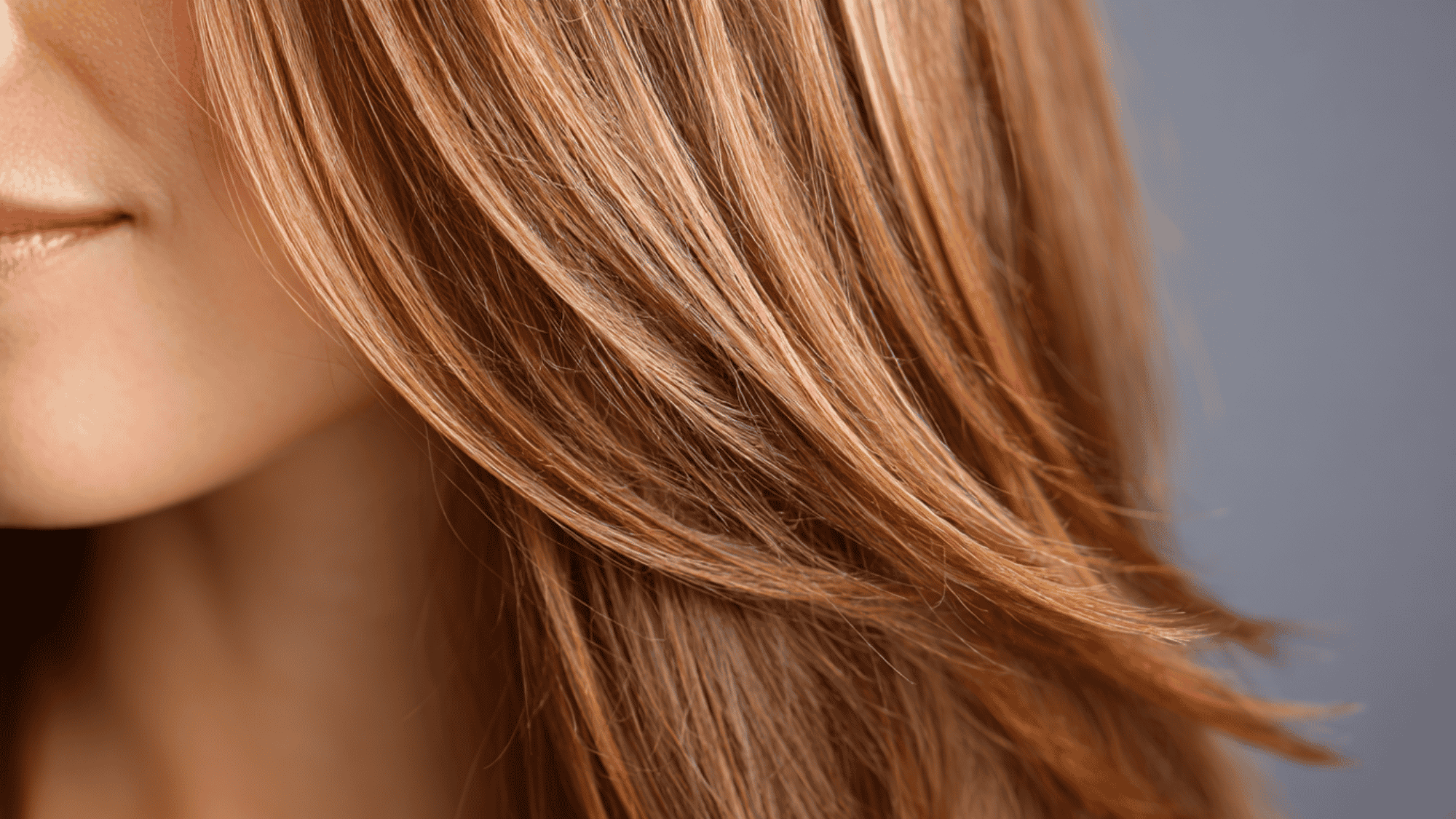
Fine hair has thinner, more delicate strands, making split ends and unevenness appear sooner than in other hair types.
Regular trims every 6 to 8 weeks are essential to maintain overall hair health. These trims remove weak ends that can lead to breakage, keeping hair smooth, polished, and vibrant.
Following this schedule helps prevent tangles and supports even growth, keeping hair looking healthy and well-maintained.
Thick Hair: Every 8 to 12 Weeks

Thick hair holds its shape longer due to density but can become heavy, bulky, or uneven if left untrimmed.
Trims every 8 to 12 weeks help manage volume, remove dry or damaged ends, and maintain a balanced shape.
Regular attention keeps hair polished, reduces weight at the ends, and improves styling flexibility. This schedule also prevents tangling and ensures that layers or textured cuts retain definition.
Curly Hair: Every 8 to 12 Weeks

Curly hair can hide growth, making uneven strands and frizz less noticeable, but the shape is easily affected by split or dry ends.
Trimming every 8 to 12 weeks preserves the natural curl pattern, prevents breakage, and maintains bounce. Regular trims help curls retain elasticity, volume, and definition, while reducing tangles and dryness at the ends.
Following this schedule keeps curly hair healthy, manageable, and visually vibrant without compromising natural texture or style.
Straight Hair: Every 6 to 10 Weeks

Straight hair often shows split ends and uneven growth more clearly because of its flat alignment.
Trims every 6 to 10 weeks to maintain a smooth, polished look and prevent further splitting at the ends. Regular attention ensures that hair keeps its shine, strength, and even texture.
Consistent trims make styling easier and prevent hair from appearing thin or lifeless.
Following this schedule preserves natural luster, health, and overall appearance.
How Often Should You Trim Your Hair If You Are Growing It Out?
Even as hair grows, regular trims remain essential for maintaining strength and preventing damage.
Scheduling light trims every 8 to 12 weeks helps eliminate split ends before they lead to breakage or uneven growth.
Micro-trims or “dusting” focus on the very tips, allowing the hair to retain maximum length while staying healthy. Protective styles like braids, buns, or twists can reduce damage, but the ends should still be checked regularly.
If dryness, brittleness, or fraying is noticed, a small trim can restore the hair’s texture and appearance.
Combined with gentle detangling, proper conditioning, and minimal heat styling, this routine ensures hair stays strong, smooth, and manageable as it grows.
How to Keep Hair Strong and Healthy Between Trims
Tips to keep hair healthy between trims include using heat protection, conditioning, gentle detangling, proper sleep, and avoiding harsh treatments.
- Protect Hair from Heat: Always use a heat protectant before blow-drying, curling, or straightening. This prevents damage and keeps strands smooth.
- Moisturize and Condition Ends: Apply conditioner, hair masks, or leave-in products to mid-lengths and ends to prevent dryness and split ends.
- Detangle Gently: Use a wide-tooth comb or brush from ends to roots, especially on wet hair, to avoid breakage.
- Sleep Smart: Switch to silk or satin pillowcases to reduce friction, tangles, and frizz while sleeping.
- Minimize Harsh Treatments: Limit bleaching, coloring, or frequent high-heat styling to protect hair and extend the time between trims.
Conclusion
Maintaining hair health goes beyond trims; consistent care preserves strength, shine, and overall hair quality.
Regular trims prevent damage from building up and keep hair manageable. Paying attention to the ends and avoiding unnecessary stress supports steady, healthy growth.
Together, these practices ensure hair remains vibrant, balanced, and easy to style.
Check your ends today; if they feel dry, split, or uneven, book a trim and start protecting your hair for longer, healthier growth!
Frequently Asked Questions
Can I Use Regular Household Scissors for Diy Trims?
No, dull blades crush the hair. This creates jagged edges that immediately turn into new split ends.
Why Does Seasonal Weather Accelerate Hair End Damage?
Extreme heat and freezing air strip moisture. This environmental stress makes your ends brittle and quicker to split.
What Happens if I Completely Ignore My Split Ends?
The Splits Will Travel up The Hair Shaft. This Causes Widespread Frizz, Thinning, and Severe Breakage Near the Roots.