


You can usually tell somebody slept badly before they even say anything. A lot of people blame work stress or busy schedules, which is fair, but homes quietly contribute to poor rest more than most homeowners realize.
In cities like Dallas, daily routines move fast, and homes are often designed around open layouts, bright interiors, and constant activity. That style works fine during the day, but it can make it harder to rest at night. Noise travels further through large spaces. Heat builds differently across rooms. Even lighting choices affect how relaxed a house feels after dark. People spend more time at home now, too, especially with remote work and flexible schedules, so comfort problems get noticed faster than they used to.
Bedrooms Work Better When They Feel Separate from the Rest of Life
Bedrooms stopped being just bedrooms for a lot of people. Now they double as offices, late-night TV rooms, and places where people answer emails while half asleep. After a while, the brain stops connecting the room with rest at all. Sleep gets lighter, mornings feel rougher, and even weekends stop feeling relaxing.
Expensive remodels are not always the answer either. Small changes usually help more than expected. Softer lighting calms the room down faster at night, and blackout curtains make a noticeable difference with sleep routines. Clutter matters too, even if nobody likes hearing it. Mess builds naturally in spaces where people spend most of their time.
Mattress comfort plays a bigger role than homeowners admit as well. Many times, it is the mattress that makes it hard to rest well at night. If you are looking for options that offer superior comfort, you should try Puffy mattresses. Dallas shoppers can try Puffy locally and check in person which of the models best suits them. Most buyers today are not chasing luxury. They are trying to avoid waking up stiff every morning and pretending it is normal.
Lighting Changes the Feel of a Home at Night
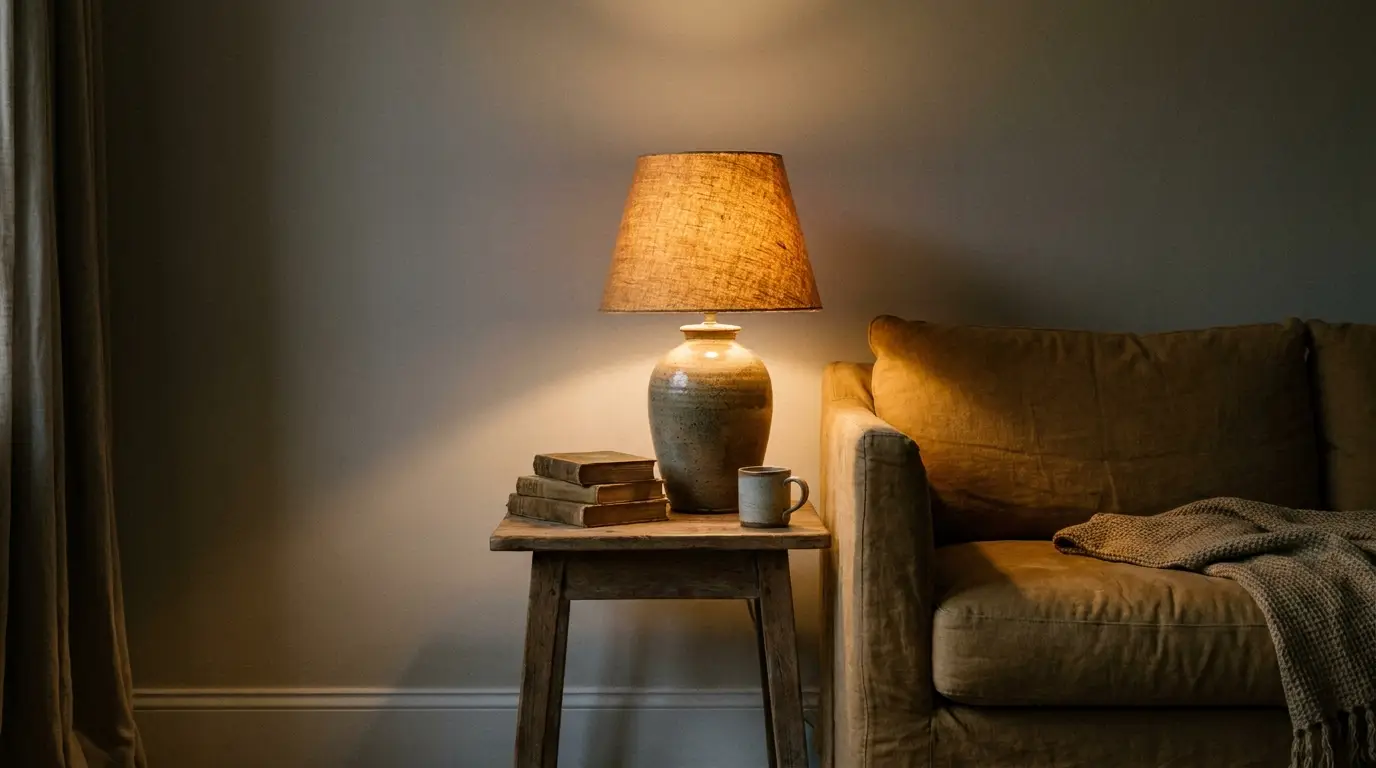
Bright overhead lighting keeps many homes feeling active long after people are supposed to be winding down. Kitchens especially stay fully lit deep into the evening because someone is cleaning, checking phones, or wandering in for snacks they probably did not need. The house never fully settles.
Warmer lighting tends to calm rooms naturally. Lamps, dimmers, and softer bulbs create separation between daytime activity and nighttime routines. People sleep better when the environment signals that the day is actually ending.
Technology complicated this problem too. Screens already flood people with bright blue light before bed, so harsh interior lighting adds even more stimulation. Some homeowners now intentionally design evening spaces differently from daytime spaces because they noticed how difficult it became to relax in constantly bright rooms.
Noise Control Matters More Than Fancy Decor
People get used to background noise until they spend one night somewhere truly quiet. Then suddenly, they notice everything back home. Traffic outside the window. Thin walls. Air vents rattling at 2 a.m. Somebody walking across hardwood floors down the hallway. Noise affects recovery more than people think because the body keeps reacting to interruptions even during sleep. Light sleepers feel this immediately, but heavier sleepers are affected too, whether they realize it or not.
Simple adjustments help reduce the problem. Rugs soften sound inside larger rooms. Heavier curtains absorb outside noise better than thin decorative ones. Weather stripping around doors helps cut hallway noise surprisingly well in some houses.
Ceiling fans also help create a consistent background sound, which explains why so many people cannot sleep without one anymore, even during winter. Silence sounds different once people spend enough time living in noisy spaces.
Temperature Problems Ruin Sleep Quietly
A room that feels slightly too warm or too cold can wreck sleep without fully waking somebody up. People toss around more. Blankets get kicked off and pulled back repeatedly. Mornings feel heavier even after enough hours in bed. Older homes struggle with uneven temperatures more often, but newer homes are not perfect either. Large windows, poor airflow, and overworked HVAC systems create hot and cold spots throughout the house.
Bedrooms upstairs tend to trap heat badly during warmer months. Meanwhile, rooms near garages or poorly insulated walls become colder during winter. Homeowners sometimes focus entirely on furniture and decor while ignoring airflow problems that affect comfort every single night. Fans, insulated curtains, better vents, and simple HVAC maintenance often improve rest more than expensive bedroom upgrades. It is not glamorous advice, but it matters.
Storage and Layout Affect Stress Levels
Clutter creates a strange kind of mental pressure that people stop noticing after a while. Homes designed with better storage tend to feel calmer because daily objects have somewhere to go. Open shelving looks nice online, but closed storage usually feels less visually noisy in real life. People rest better in spaces that feel settled.
Layout matters too. Bedrooms work better when movement through the room feels easy instead of cramped. Oversized furniture often creates stress without homeowners fully understanding why. There is a difference between a room feeling full and a room feeling heavy. Some homeowners start making changes after realizing they spend the entire evening navigating around clutter and unfinished tasks. Others only notice the issue after staying somewhere simpler for a few days.
Recovery Needs More Than Just Sleep
Rest is not only about sleeping longer. Homes also affect how people recover mentally after work, parenting, commuting, or just dealing with constant digital noise all day. Some houses never really allow that transition because every room stays tied to productivity and distraction.
Small habits help create separation. Charging phones outside the bedroom changes nighttime routines more than expected. Keeping televisions out of sleeping areas reduces late-night overstimulation. Creating one quiet corner of the house that is not connected to work or screens gives people somewhere to mentally slow down.
Most homeowners are not looking for perfection. They just want their homes to feel easier to exist in at the end of a long day. That usually comes from small adjustments repeated consistently, not massive renovations or trendy design ideas that look better online than they do in actual daily life.