Moving a vehicle across the country isn’t something most people deal with often.
For families relocating for a new job, snowbirds heading to Florida for the winter, or service members handed PCS orders with three weeks to clear post, car shipping becomes the practical alternative to a 2,000-mile road trip. Civilians usually call a standard broker.
Military families typically work with a military auto transport service that understands base access, gate procedures, and orders-driven timelines. The process looks simple from the outside.
A carrier picks up your sedan, drives it to the destination, and drops it off.
The details are where things either go smoothly or fall apart.
How Car Shipping Actually Works
A typical move starts with a quote, which depends on distance, vehicle size, season, and whether you choose open or enclosed transport.
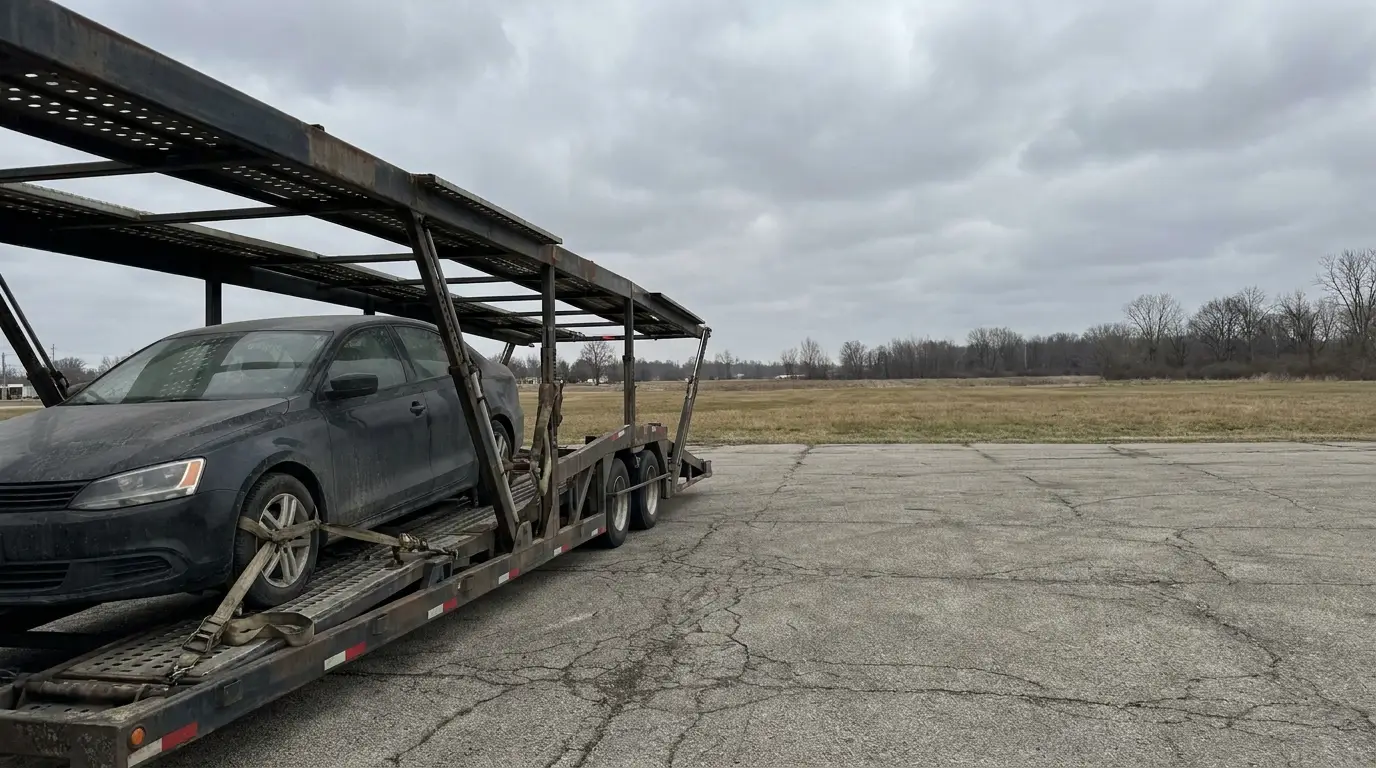
Open carriers are the nine and ten-car haulers you see on the interstate.
They’re cheaper, faster to book, and fine for daily drivers.
Enclosed trailers cost roughly 40-60% more but protect against road debris, weather, and prying eyes.
That’s the standard choice for a Porsche 911, a vintage Mustang, or anything you’d hesitate to leave outside in a hailstorm.
Once you book, a broker (or in some cases a direct carrier) assigns a driver.
Pickup is usually a 2-5 day window rather than a fixed appointment, since drivers are working a route, not a schedule.
The driver inspects the car with you, both of you sign a Bill of Lading noting any existing scratches or dents, and the keys are handed over.
Costs and Timelines Worth Knowing
For a coast-to-coast move, say Los Angeles to Jacksonville, expect somewhere between $1,200 and $1,800 for open transport on a standard sedan, and 7 to 10 days in transit.
Shorter regional moves, like Dallas to Denver, often run $700 to $1,000 and arrive within a week.
Pricing isn’t fixed.
It moves with diesel prices, seasonal demand, and how popular your route is.
Snowbird season (October to November, then again March to April) pushes Florida and Arizona lanes up noticeably.
A few things that quietly affect the price:
- Operable vs. inoperable: a car that won’t roll or steer needs a winch and costs more
- Door-to-door vs. terminal: meeting the truck at a nearby lot can save money and time
- Lead time: booking 2-3 weeks out gives drivers room to fit you in; same-week requests pay a premium
- Top vs. bottom load: top spots on an open carrier avoid drips from cars above and sometimes cost a little extra
PCS Moves and How the Military Side Differs
Active-duty members moving under PCS orders have a different setup.
The military pays to ship one privately owned vehicle (POV) to most CONUS-to-OCONUS destinations, and reimburses mileage for driving within the continental U.S.
For families with two cars, the second vehicle still needs to get there.
That’s where civilian carriers familiar with installations like Fort Liberty or JBLM come in.
Many offer military discounts, flexible pickup near bases, and short-term storage if housing isn’t ready when the car arrives.
OCONUS moves add another layer.
Shipping a car to Germany, Japan, or Hawaii means coordinating with a Vehicle Processing Center (VPC), meeting strict cleanliness and documentation standards, and waiting 30-60 days for ocean transit.
Many families ship the second vehicle stateside to a family member or storage facility instead of paying out of pocket for overseas freight.
Insurance, Inspection, and Avoiding the Obvious Mistakes
Every legitimate carrier carries cargo insurance, but coverage limits and deductibles vary widely.
Ask for the certificate of insurance before booking and confirm what’s actually covered.
Not all policies pay for interior damage or personal items left in the car.
Speaking of personal items: most carriers allow up to 100 lbs of belongings in the trunk, though it’s technically against DOT rules and not covered by cargo insurance if something disappears.
Keep valuables, registration, and the spare key with you.
Photograph the car from every angle, front, back, both sides, roof, wheels, and any existing damage, with timestamps on the day of pickup.
If a dispute comes up on delivery, those photos are the difference between a quick claim and a long argument.
A few patterns that tend to cause problems:
- Picking the lowest quote without checking reviews. Lowball brokers sometimes can’t find a driver, and your move sits in limbo
- Not reading the contract on cancellation fees and deposit refunds
- Assuming “guaranteed pickup date” means what it sounds like (it rarely does without extra cost)
- Forgetting to leave the gas tank around a quarter full, enough to load and unload, but not so much that it adds weight
The right setup makes vehicle relocation one of the easier parts of a move.
The wrong one turns it into a three-week headache with a car stuck somewhere in Oklahoma.
A little homework on the front end, verified MC and DOT numbers, real reviews, and a clear contract handle most of it.