


Jazz clubs were packed, and street corners buzzed with sound. And right in the middle of it all, Harlem Renaissance music was changing the way the world listened.
But most people only know the surface of it. The blues carried real pain. Swing brought pure joy, and together, they built something that still echoes today.
This music wasn’t just entertainment. It was resistance, culture, and identity wrapped in a melody. So if anyone wants to understand where modern music really comes from, this is where the story begins.
How Harlem Renaissance Music Redefined American Music
Harlem Renaissance music changed American music by bringing together jazz, blues, gospel, and swing in a way that felt bold and completely new.
Unlike earlier styles that followed strict patterns, musicians during this era embraced improvisation and emotional expression, making performances more personal and alive.
The music became a powerful form of storytelling that reflected African American experiences, struggles, and achievements during the 1920s and 1930s.
Harlem’s clubs and theaters also created a lively live music culture where artists could experiment and connect directly with audiences.
This genre shaped modern genres like R&B, soul, hip-hop, and pop, and helped jazz gain worldwide recognition, as its creativity, freedom, and cultural significance continue to make it stand out even today.
Voices That Shaped the Sound of the Harlem Renaissance
These renowned artists shaped the sound of the Harlem Renaissance through groundbreaking jazz, blues, and swing music that transformed American culture.
1. Duke Ellington
Source: Robert Greenberg
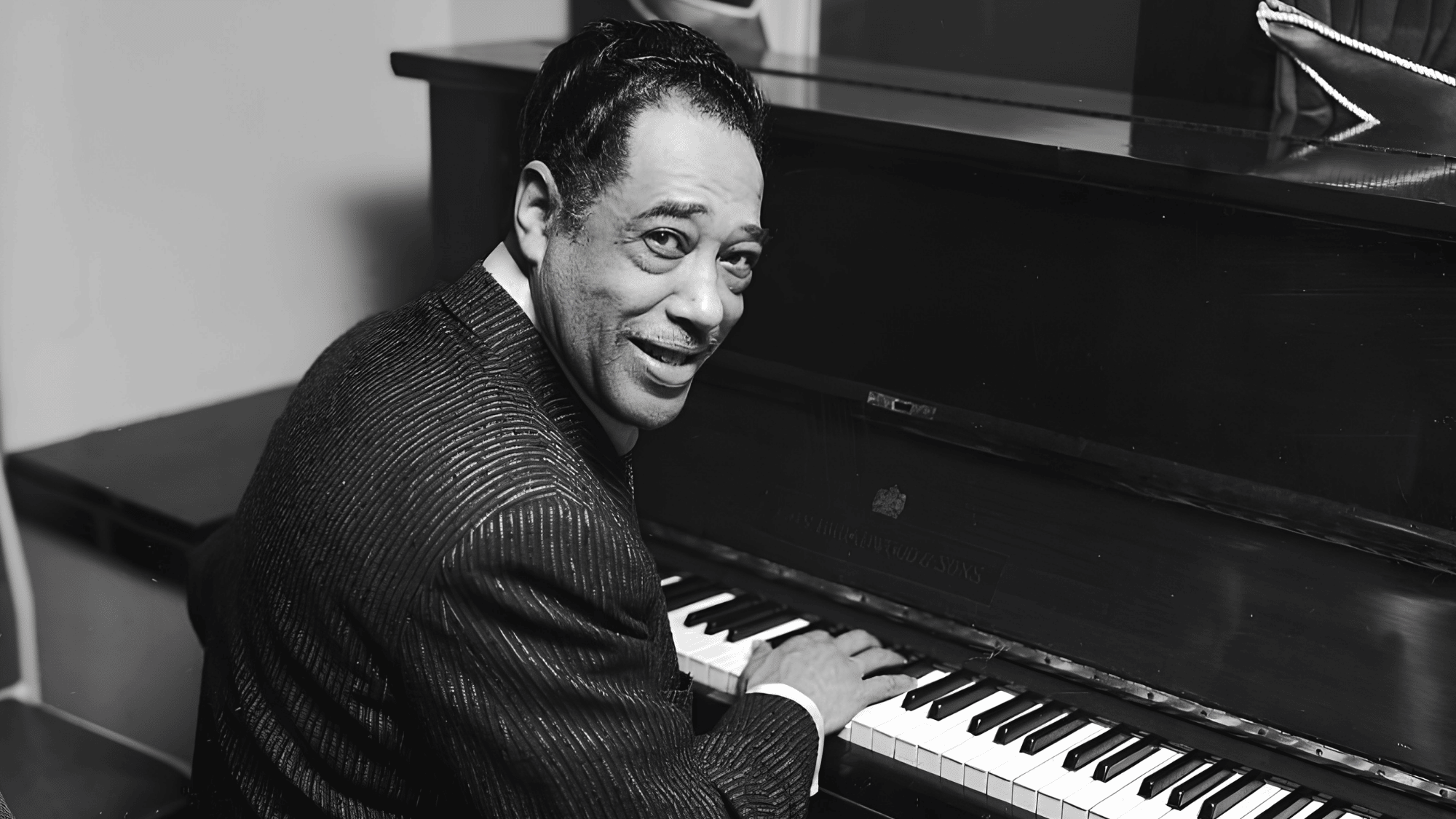
One of the most influential figures in the Harlem Renaissance music, Duke Ellington became famous for blending jazz with sophisticated orchestral sounds.
Popular Album:Ellingtonia, Vol. One – Duke Ellington
A renowned compilation capturing Duke Ellington’s experimental Harlem-era recordings, as he practically defined the Harlem Renaissance soundscape during the Cotton Club era.
Must-hear tracks from the Album:
- “East St. Louis Toodle-Oo”
- “Black Beauty”
- “Creole Love Call”
- It Don’t Mean a Thing (If It Ain’t Got That Swing)
2. Louis Armstrong
Source: Henri SELMER Paris
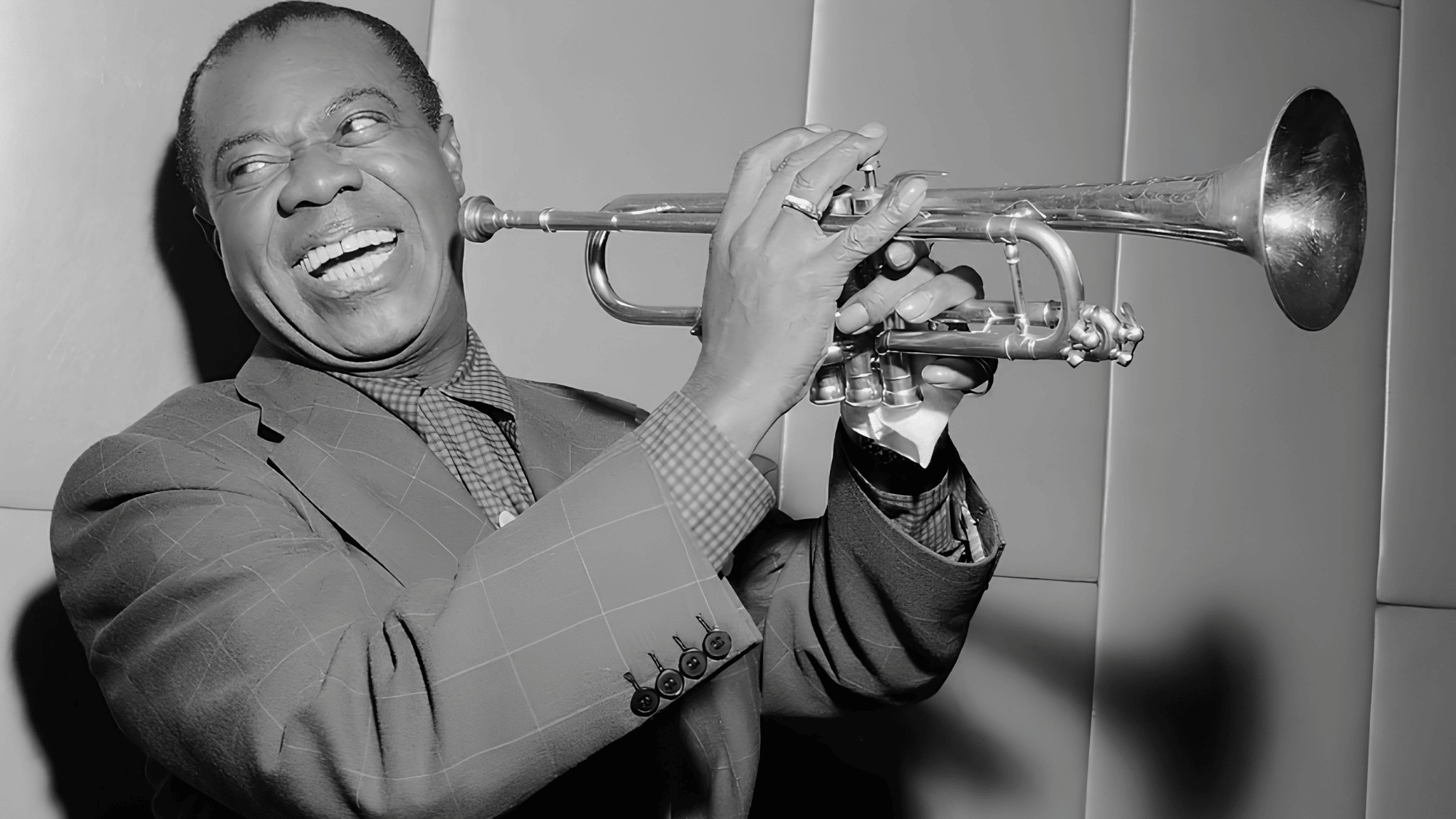
Louis Armstrong isn’t just one of the greatest jazz musicians ever – he changed modern music itself.
His trumpet phrasing, vocal swing, improvisation, and charisma shaped jazz, pop, blues, and even hip-hop rhythms for generations to come.
Popular Album: The Complete Hot Five and Hot Seven Recordings
This is the single most important Louis Armstrong release ever, as it covers areas like the birth of jazz soloing, early swing rhythm, and Armstrong’s explosive trumpet innovation.
Must-hear tracks from the Album:
3. Bessie Smith
Source: The Syncopated Times
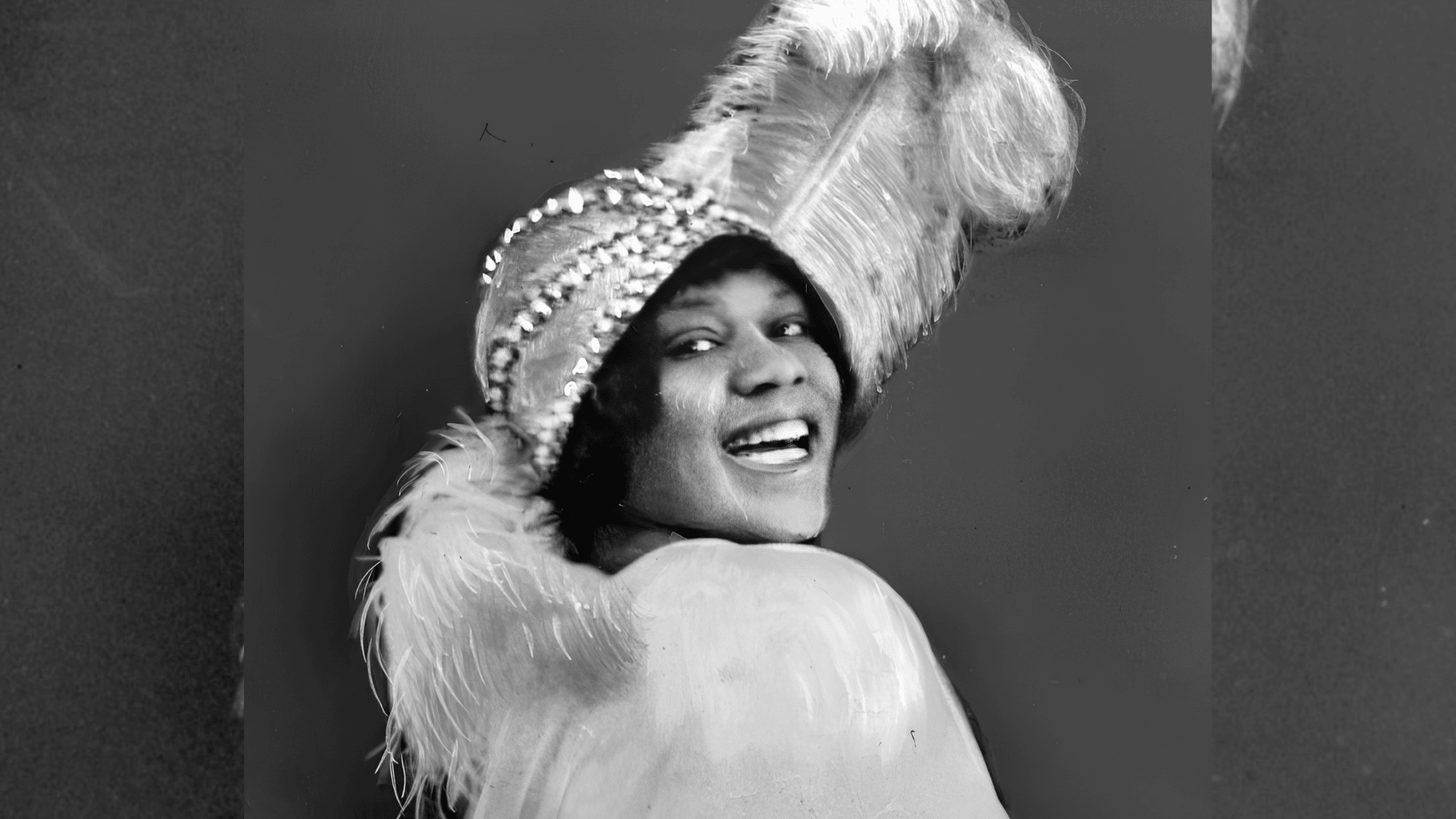
Often called the “Empress of the Blues,” Bessie Smith brought deep emotion and storytelling into blues music. She was one of the most powerful voices of the Harlem Renaissance and the early blues era.
Her music blended:
- raw emotion,
- jazz sophistication,
- Southern blues storytelling
- and unmatched vocal intensity
Popular Album: The Essential Bessie Smith
The perfect introduction to her greatest recordings. It gives a complete overview of classic blues, jazz crossover, and emotional vocal storytelling.
Must-hear tracks from the Album:
4. Cab Calloway
Source: Deezer
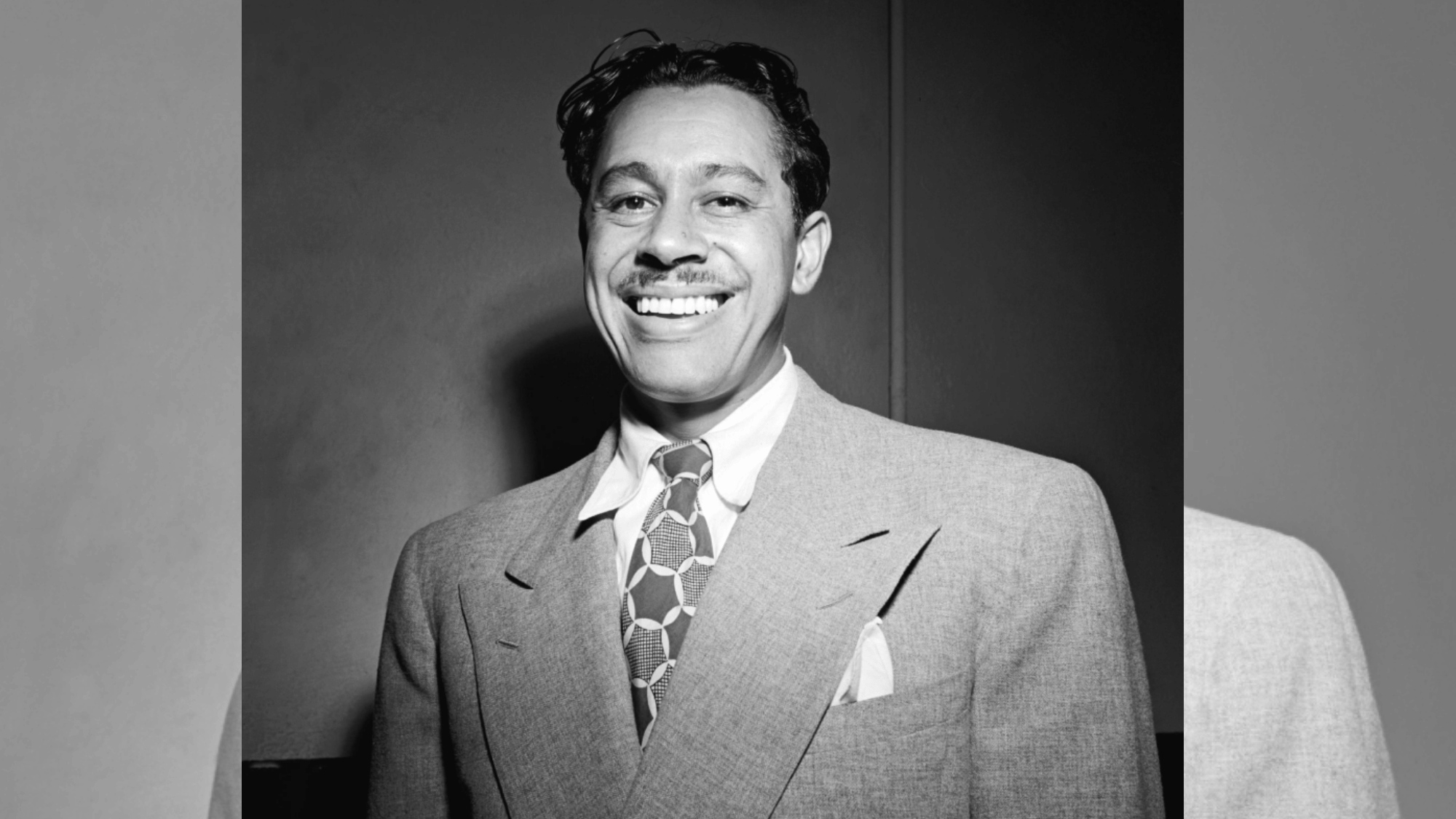
Famous for his energetic performances and lively stage presence, Cab Calloway became a major nightclub star during the Harlem Renaissance.
He blended: jazz, swing, scat singing, theatrical performance, and big-band spectacle.
Popular Album:The Hi-De-Ho Man: Essential Collection
The perfect introduction to Cab Calloway’s greatest hits, as it includes swing classics, novelty jazz, Harlem club energy, and big-band sophistication.
Must-hear tracks from the Album:
5. Billie Holiday
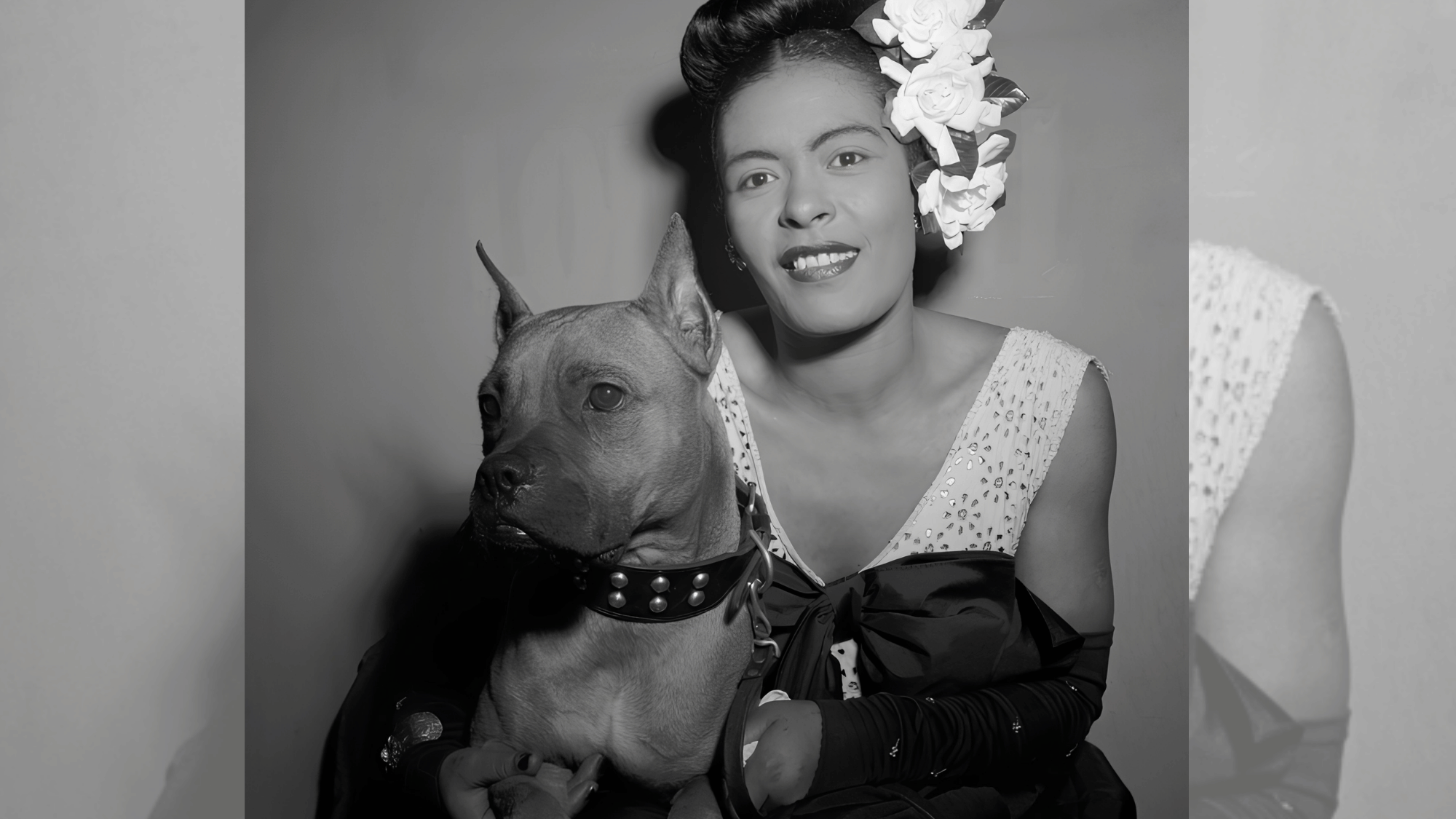
Source: Wikipedia
Billie Holiday wasn’t just a singer – she transformed jazz vocals into emotional storytelling. Her phrasing, vulnerability, and haunting delivery made her one of the most influential artists in music history.
She brought together jazz, blues, swing, heartbreak, and poetic intimacy.
Popular Album: Lady Day: The Best of Billie Holiday
The perfect introduction to Billie Holiday’s most iconic recordings, as listeners will look into early swing recordings, emotional blues, and intimate late-night jazz.
Must-hear tracks from the Album:
6. Fats Waller
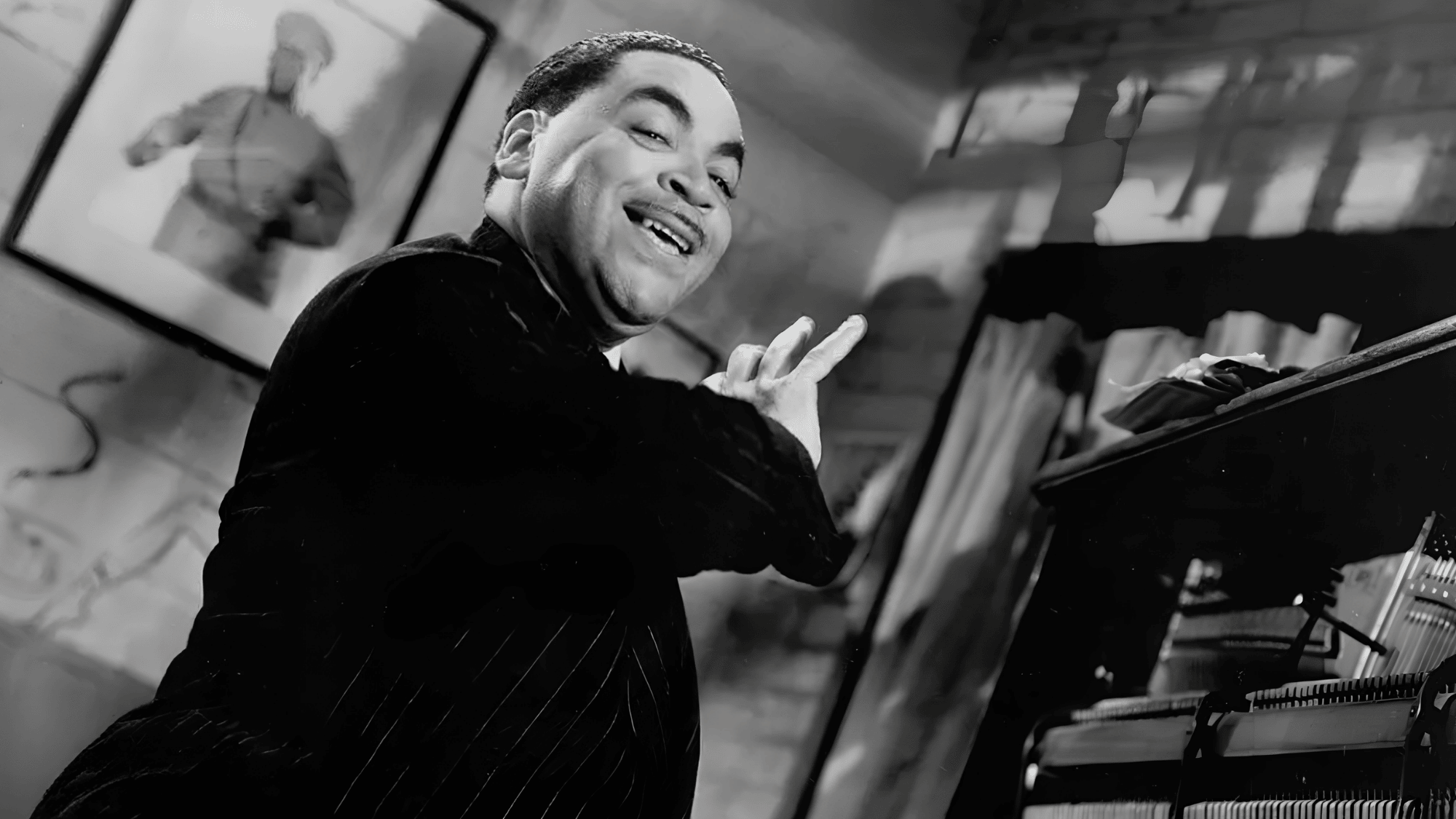
Source: uDiscover Music
A talented pianist, composer, and entertainer, Fats Waller brought humor and rhythm into jazz performance.
His music combined:
- dazzling piano technique,
- infectious rhythm,
- jazz sophistication,
- Blue’s feeling
- and irresistible humor.
Popular Album: The Very Best of Fats Waller
The easiest and best introduction to his greatest recordings, as it integrates stride piano masterpieces, comedic performances, romantic jazz standards, and energetic swing.
Must-hear tracks from the Album:
7. Ethel Waters
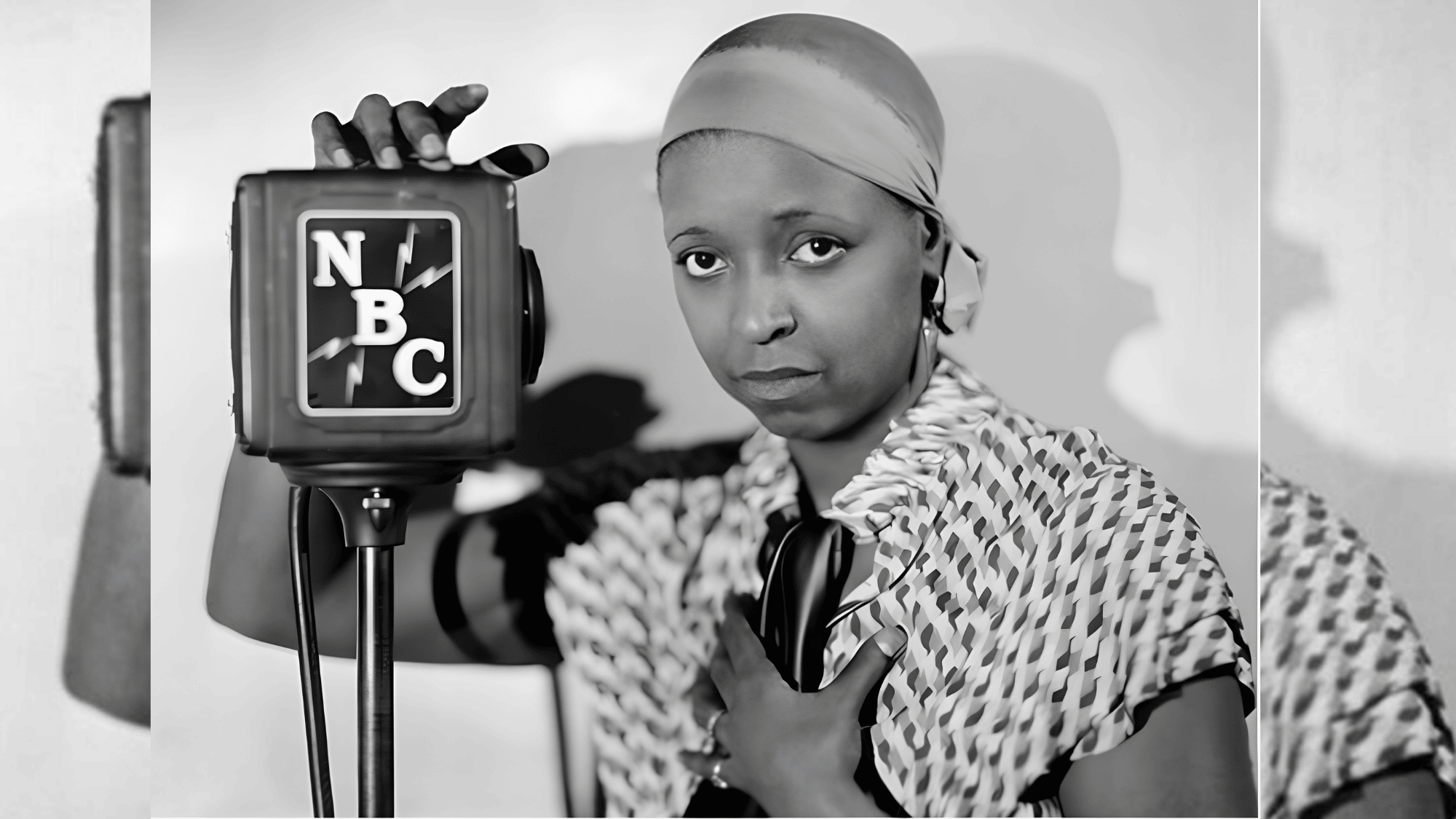
Source: The Syncopated Times
Ethel Waters successfully blended blues, jazz, and popular music, becoming one of the first African American women to gain mainstream recognition.
She moved effortlessly between blues, jazz, swing, gospel, Broadway, and Hollywood.
Popular Album: The Essential Ethel Waters
The perfect introduction to her career, as she shows her incredible range of Blues’ emotion, jazz phrasing, Broadway sophistication, and gospel warmth.
Must-hear tracks from the Album:
8. Count Basie
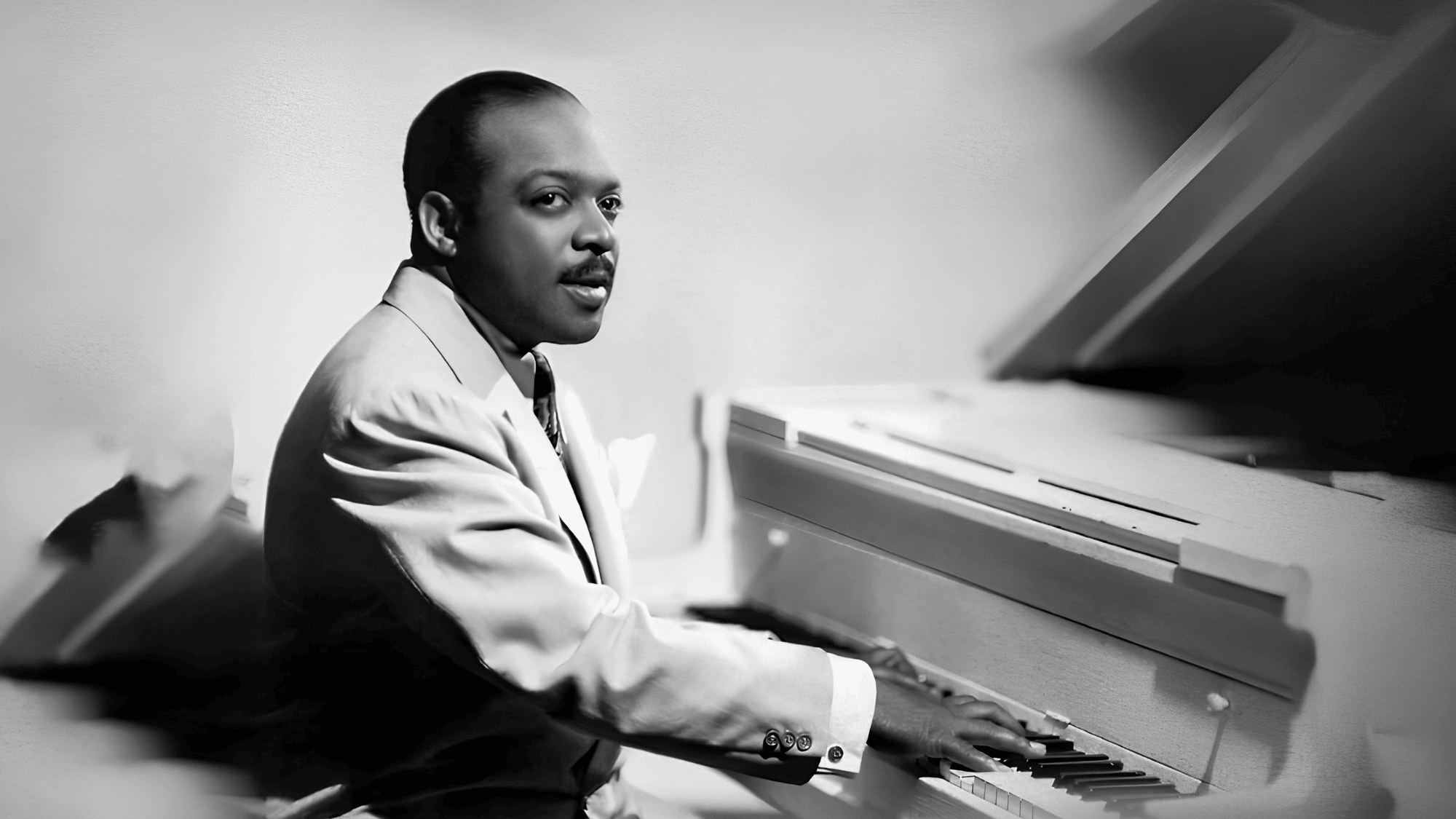
Source: Marquee TV
Count Basie was one of the greatest bandleaders in jazz history and a central architect of the Swing Era. His music defined the sound of big-band jazz with:
- Irresistible rhythm,
- Minimalist piano style,
- Explosive brass sections,
Popular Album: The Atomic Mr. Basie
The Essential Count Basie Album is arguably the greatest Count Basie album ever recorded because of the classic brass arrangements, razor-sharp swing rhythm, and iconic Neal Hefti arrangements.
Must-hear tracks from the Album:
9. Lena Horne
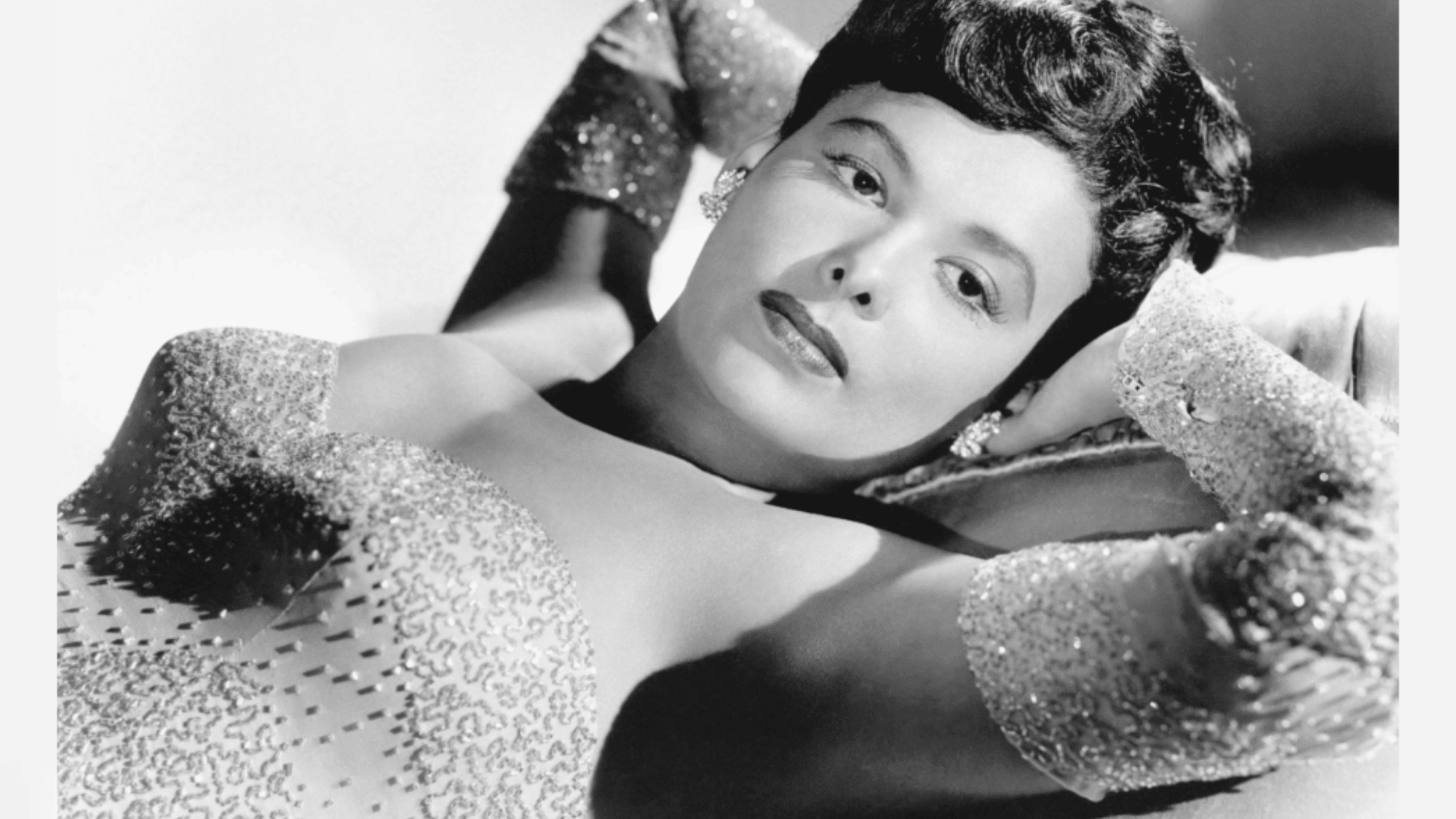
Source: PBS
Lena Horne was one of the most stylish and groundbreaking performers of the Harlem Renaissance. She was a singer, actress, civil rights advocate, and cultural icon whose sophistication transformed jazz and popular music.
Her artistry blended jazz, blues, Broadway, and emotional vocal storytelling.
Popular Album: The Essential Lena Horne
The ideal introduction to her famous career, as looking into it will help you dive into jazz standards, Hollywood-era recordings, sophisticated orchestral arrangements, and emotional ballads.
Must-hear tracks from the Album:
Best Albums & Collections of Other Artists
Source: Rolling Stone
Beyond the iconic Harlem Renaissance musicians, several influential artists and collections helped shape the era’s rich legacy of jazz, blues, and swing music.
Benny Carter: Harlem Renaissance
One of the finest modern tributes to the Harlem Renaissance spirit was carter blends orchestral jazz, swing, and style arrangements into a masterwork, which is a Grammy-winning composition and celebrates Langston Hughes-era Harlem culture
Best Tracks:
Best Album Cover:
This is arguably the strongest official Harlem Renaissance-themed jazz cover art because of its iconic portrait photography, vintage typography, deep jazz-club atmosphere, and classic big-band style.
JAZZ: The Smithsonian Anthology
The definitive historical jazz collection – Smithsonian Folkways built this as a serious educational and listening archive of jazz history.
Why examine it?
- Covers ragtime → swing → big band evolution
- Includes Harlem Renaissance, pioneers
- Comes with historical essays and archival photography
Essential artists inside:
- Fletcher Henderson
- Bessie Smith
The Complete Brunswick & Vocalion Recordings of Fletcher Henderson
The Birth of Swing:
Fletcher Henderson helped invent big-band swing before Count Basie and Benny Goodman popularized it, as listeners will notice early swing arrangements, proto-big-band jazz, and the foundations of Harlem orchestra culture.
Essential Tracks
The Lasting Legacy of Harlem Renaissance Music
Rather than simply creating memorable songs, the artists of the Harlem Renaissance redefined the course of American music and culture by introducing new forms of expression.
Whether it was the lively energy of Cab Calloway, the soulful depth of Billie Holiday, or the smooth calmness of Count Basie, each artist contributed a unique voice to the movement.
Today, Harlem Renaissance music continues to inspire musicians, filmmakers, and audiences around the world, proving that the creativity born in Harlem during the early 20th century remains iconic



















