

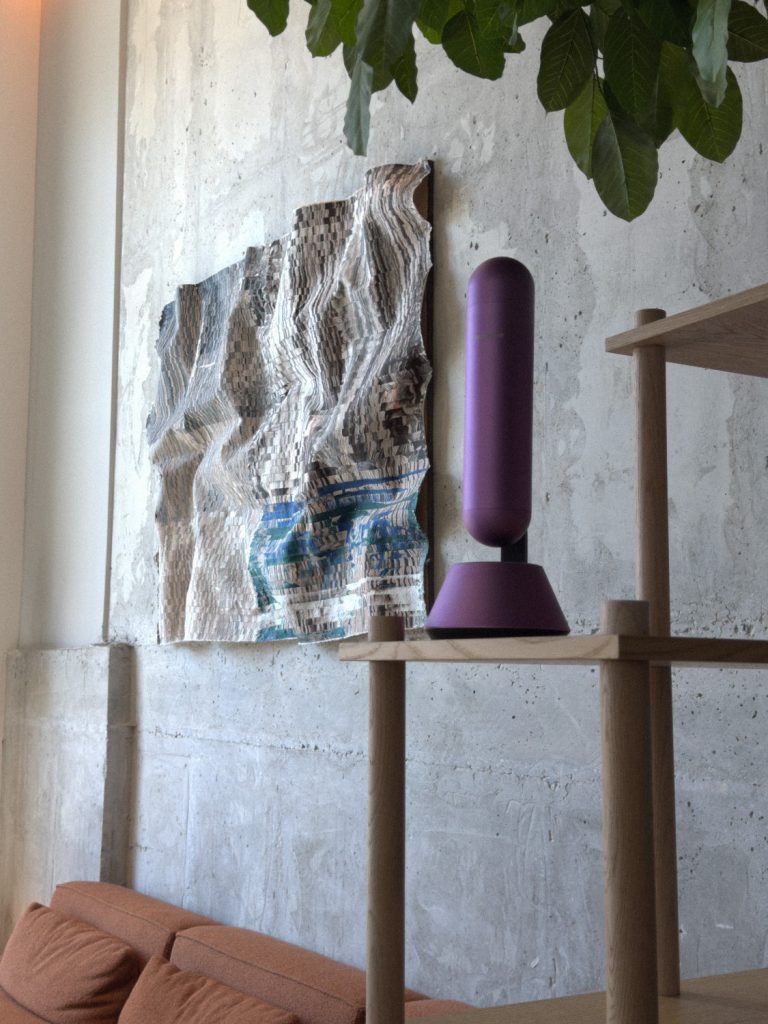
The home scenting market has grown fast in recent years. People no longer see fragrance as just a luxury — it is part of everyday comfort. Along with this growth, technology has also stepped in. Devices are getting smarter, and users expect more control, automation, and personalization. This is where IoT (Internet of Things) plays a big role.
At Lephrone, we noticed early that many smart cold air diffusers on the market offer solid hardware, but their mobile apps often feel unfinished or frustrating. Users want simple control, reliable performance, and useful features — not complicated menus or constant connection issues. So we decided to approach things differently and build an app that actually matches the quality of the diffuser itself.
The Problem with Most Diffuser Apps
If you look at the current market, there are many diffuser brands. At first glance, they all seem similar: sleek devices, mobile control, and promises of a “smart home experience.” But when you actually install the apps, the experience often falls apart.
Some common issues include:
Poor Connectivity
Many apps struggle to maintain a stable connection with the diffuser. Devices disconnect randomly, require frequent resets, or fail to respond in real time. This breaks the idea of “smart control.”
Complicated Interfaces
Instead of making things easier, some apps overload users with confusing options. Important controls are hidden, and basic actions take too many steps.
Lack of Customization
Users want to adjust scent intensity, schedules, and working hours. But many apps only provide basic timers or limited presets.
No Real Automation
A true IoT device should adapt to the user’s lifestyle. Most diffuser apps don’t go beyond simple scheduling. There’s no smart behavior, no learning, no integration.
This gap between hardware quality and software experience is exactly what we wanted to fix at Lephrone.
Starting with the Right Idea
When building an IoT app for home scenting, the first step is not coding — it’s understanding how people actually use diffusers.
We asked simple questions:
- When do people turn on their diffuser?
- Do they prefer strong or subtle scent?
- Do they want automation or manual control?
- How often do they change fragrance settings?
The answers helped us define a clear goal: the app should feel natural. It should not require learning. It should work the way users expect.
Core Features of a Good IoT Diffuser App
After research and testing, we defined the essential features that any serious app in this category should have.
1. Easy Device Connection
The onboarding process must be simple. Users should be able to connect their diffuser in minutes without technical knowledge. This means clear instructions, stable Wi-Fi pairing, and minimal steps.
2. Real-Time Control
When a user presses a button in the app, the diffuser should respond instantly. Delays or failed commands quickly destroy trust in the product.
3. Flexible Scheduling
This is one of the most important features. Users want to set working hours based on their daily routine. For example:
- Morning freshness before work
- Light scent during the day
- Relaxing fragrance in the evening
A good app allows multiple schedules, not just one timer.
4. Adjustable Intensity
Different rooms require different scent levels. A living room, office, and bedroom are not the same. The app should let users fine-tune intensity instead of forcing fixed modes.
5. Device Status Monitoring
Users want to know what is happening. Is the diffuser on? How much fragrance is left? Is there any issue? Clear status information builds confidence.
What Makes Lephrone Different
At Lephrone, we built our app with a simple principle: remove friction. Every feature should save time, not waste it.
Clean and Simple Design
The interface focuses on what matters. Users can see device status, adjust intensity, and manage schedules without searching through menus.
Stable Performance
We invested time in optimizing connectivity. The app maintains a reliable connection, so users don’t need to reconnect devices again and again.
Smart Scheduling Logic
Instead of basic timers, we introduced flexible scheduling. Users can create multiple working periods across the day, matching real-life routines.
Consistent Experience
Many brands release apps that feel unfinished. We made sure the experience is consistent — from onboarding to daily use.
How We Built the App
Creating an IoT app involves several layers. It’s not just a mobile interface — it’s a system.
Device Firmware
The diffuser itself must support stable communication. Firmware handles commands, schedules, and status updates.
Cloud Infrastructure
We use cloud services to manage communication between the app and devices. This allows remote control from anywhere, not just local Wi-Fi.
Mobile Application
The app is the user’s main interface. It needs to be fast, responsive, and intuitive. We focused on reducing load times and making interactions smooth.
Testing and Feedback
We tested the app with real users, not just internally. Feedback helped us remove unnecessary features and improve usability.
Lessons Learned
Building an IoT app for home scenting taught us several important lessons.
1. Simplicity Wins
Users don’t want complexity. Even advanced features should feel simple.
2. Reliability Is More Important Than Features
A stable app with fewer features is better than a feature-rich app that doesn’t work properly.
3. Hardware and Software Must Work Together
You can’t fix bad hardware with a good app. And good hardware is not enough without a solid app.
4. User Experience Is Everything
People remember how the product feels, not just what it does.
The Future of Smart Scenting
The market is still growing. In the future, we expect more integration with smart home systems, voice assistants, and automation platforms.
Imagine your diffuser adjusting scent based on:
- Time of day
- Weather conditions
- Your mood or activity
This is where IoT can go beyond basic control and become part of a truly connected home.
Conclusion
There are many diffusers on the market, but not all of them offer a complete experience. The hardware might look great, but the app often fails to meet expectations.
At Lephrone, we focused on closing this gap. By building a reliable, simple, and functional IoT app, we created a product that works the way users expect — without frustration.
Home scenting should be effortless. When technology supports that idea instead of complicating it, the result is a better everyday experience.