
When was the last time you volunteered? If you’re looking for a way to get involved and support your local community, you can’t go wrong with volunteering. In fact, volunteers have played a pivotal role in building a strong and resilient democracy for centuries.
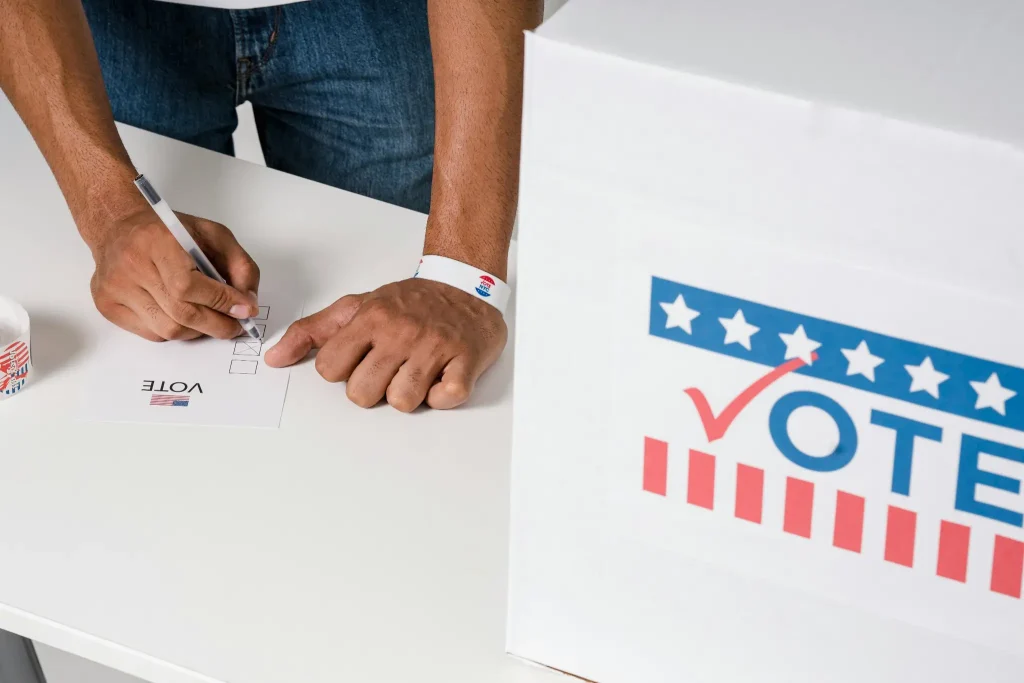
Whether you’re helping at a local polling station during an election or participating in a public rally for an environmental cause, you’ll be making a difference. Read on as we explore the role of volunteers in shaping democracy.
Beginning at the Local Level
While big rallies get all the attention on national news outlets, local efforts to sustain democracy may matter most. Volunteering for a cause or committee at the local level presents an opportunity to engage with community members in a more personal way. And when you’re trying to create a welcoming and prosperous community, being able to work well with your neighbors to make positive changes is key.
Maybe you have a growing homeless population or a school struggling to provide meals for students during holiday breaks. You can volunteer with a local nonprofit to package meals or care packages. Or you can travel to known homeless camps to provide hot meals on cold nights.
As a volunteer, you’ll be on the front lines helping your neighbors. And even the smallest contribution can make a big difference, especially when you’re working with other volunteers. You’ll get to know your neighbors and help discern your community’s greatest areas of need.
Volunteering can also help flatten hierarchies in communities. Government officials may seem detached from the community at times, but volunteering can help build bridges. Further, volunteers can come from all walks of life and socioeconomic positions.
Encouraging Community Members to Be Informed
Volunteering is all about engagement. You work alongside neighbors to support individuals in need or push for positive changes. Roughly 28% of the U.S. population over age 16 volunteers, meaning you’ll be in good company.
Volunteering helps you understand the pressing issues in your community. You can hold government leaders accountable for their actions. And with enough pressure, you might just be able to force significant changes.
Yes, music festivals and other local events can build bonds within communities. But rallying for a specific cause can forge even deeper connections.
Ultimately, volunteering can help encourage more active participation among community members. And if you’re the one volunteering, you might just be more likely to attend public meetings or cast your vote on election day. These actions are core parts of an active and strong democracy.
Helping Nonprofits Serve Communities
If you’re not sure where to volunteer, start with nonprofits in your community. Many nonprofits operate on tight budgets and don’t have a lot of money to fund necessary positions. And some nonprofits are run almost entirely by volunteers.
At nonprofits, volunteers can lend talents and unique skillsets that help these organizations expand their reach. Perhaps you’re a skilled communicator and can solicit donations through phone calls. Or maybe you can help staff fundraisers, mentor local kids, or lend your accounting knowledge.
Find a nonprofit with a mission that aligns with your interests. Most nonprofits welcome active participation, and in doing so serve as models of democracy. When you’re helping feed the homeless, assisting kids with homework, or advocating for a cause, you’ll be an active participant in the democratic system.
Making an Impact Nationally Through Volunteering
When you dip your toes into volunteering, you’re typically doing so in your local region. But even those smaller volunteer groups you join can grow in numbers, leading to national interest and momentum. When you’re passionate about a cause, the dedication can be contagious.
Historically, notable grassroots movements have enlisted lots of volunteers, and many of them started as much smaller efforts. The Abolitionist Movement of the 1800s and the 1960s Civil Rights Movement increased national awareness of inequities. Organizations like the Red Cross, which supports disaster relief, and the Peace Corps prioritize volunteer assistance.
Volunteers today continue to help highlight pivotal issues and unite like-minded people. But as volunteer teams grow, organizations need ways to stay organized and structured.
During election season, campaigns need an army of volunteers to spread their messages. With the right scaling strategies, organizations can onboard new volunteers quickly and see better campaign volunteer expansion results.
Offering Economic Value
Volunteers can mobilize movements, turning small causes into big ones. They can also help contribute economically. After all, volunteers are working for free.
Volunteers may provide medical services, for instance, that normally would cost hundreds or thousands of dollars. They can provide free tutoring or help nonprofits avoid paying for accounting services when tax time rolls around.
For cash-strapped nonprofits, volunteers fill talent voids. And nonprofits won’t be forced to pay a salary or benefits. In short, volunteers offer a vital boost to the nonprofits they serve.
Responding to Challenges
While volunteering can be a catalyst for change, sometimes the benefits aren’t enough to sustain momentum. Busy adults don’t always have time to volunteer on an evening or weekend. And many people simply don’t know about the volunteer opportunities available within their communities.
For volunteering to grow as a valuable practice, it needs to be more accessible and inclusive. Finding ways to attract younger volunteers, in particular, needs to be a focus going forward.
Recruiting and training volunteers can feel like a full-time job for nonprofits and other organizations. But nurturing a new generation of cause-minded individuals is essential for democracy to thrive.
With better outreach and more opportunities for connections, organizations can reach more volunteer populations. It’s also important for organizations to demonstrate their support for volunteers in order to retain them.
Building a Better Democracy
Volunteers provide a lot of impact, even if they’re not always recognized for it. Many volunteer opportunities aren’t flashy, but the people who take them on are committed and focused on making a difference. Whether in a small neighborhood group or as part of a national election campaign, volunteers contribute to a stronger democratic system.
The need for volunteers has never been greater. Nurturing new volunteer opportunities can engage citizens, build bridges, and contribute to a better world.