
The fedora has always carried a certain cultural weight. Originally popularized in the late 19th century and defined by its pinched crown and soft, shapeable brim, it has long been associated with refinement, versatility, and personal style. Today, however, the fedora is undergoing a quiet transformation. Designers are reinterpreting its proportions, materials, and styling to align with modern wardrobes, making it more accessible and wearable for a new generation.
In 2026, the best fedora brands are not simply replicating traditional forms. They are refining structure, introducing lighter materials, improving comfort, and rethinking how the hat integrates into everyday fashion. From travel-friendly designs to minimalist silhouettes and artisanal craftsmanship, these brands are redefining what a fedora can be today.
1. American Hat Makers
Among the brands leading this evolution,American Hat Makers stands out for its ability to modernize the fedora while staying grounded in traditional craftsmanship. The company has built its reputation on combining heritage techniques with practical, wearable design, making its fedora styles especially relevant for contemporary consumers.
One of the defining features of American Hat Makers’ approach is material selection. The brand consistently uses high-quality leather, wool felt, and structured straw, materials that not only hold their shape but also adapt well to repeated wear. This is critical for modern buyers who expect their accessories to last beyond a single season. As noted in their own product positioning, the focus remains on “expert craftsmanship with superior designs,” reinforcing the idea that durability is just as important as appearance.
What sets the brand apart further is its balance between form and function. Many of its fedora designs are built with slightly wider brims and more structured crowns, giving them a stronger visual presence while still offering practical benefits such as sun coverage. This aligns with broader styling trends where hats are no longer secondary accessories but central elements of an outfit.
American Hat Makers also succeeds in versatility. Its fedoras can move easily between casual and more styled looks, paired with denim and boots, travel outfits, or even layered seasonal pieces. This adaptability is essential for a new generation of shoppers who value multifunctional wardrobe items over single-use fashion.
Comfort and wearability complete the picture. Features like breathable interiors and balanced construction ensure that the hats feel as good as they look, encouraging regular use rather than occasional wear. For those seeking a fedora that reflects both craftsmanship and modern lifestyle needs, American Hat Makers remains one of the strongest brands to know today.
2. Janessa Leoné
Janessa Leoné has redefined the fedora through a minimalist, design-forward lens. The brand strips away excess detailing and focuses on silhouette, proportion, and subtle finishes, creating hats that feel elevated without being overly decorative.
This approach appeals to women who prefer understated style. Rather than making the fedora a bold statement, Janessa Leoné integrates it into a cohesive wardrobe built around neutral tones and clean lines. The result is a modern interpretation that feels timeless rather than trend-driven.
3. Lack of Color
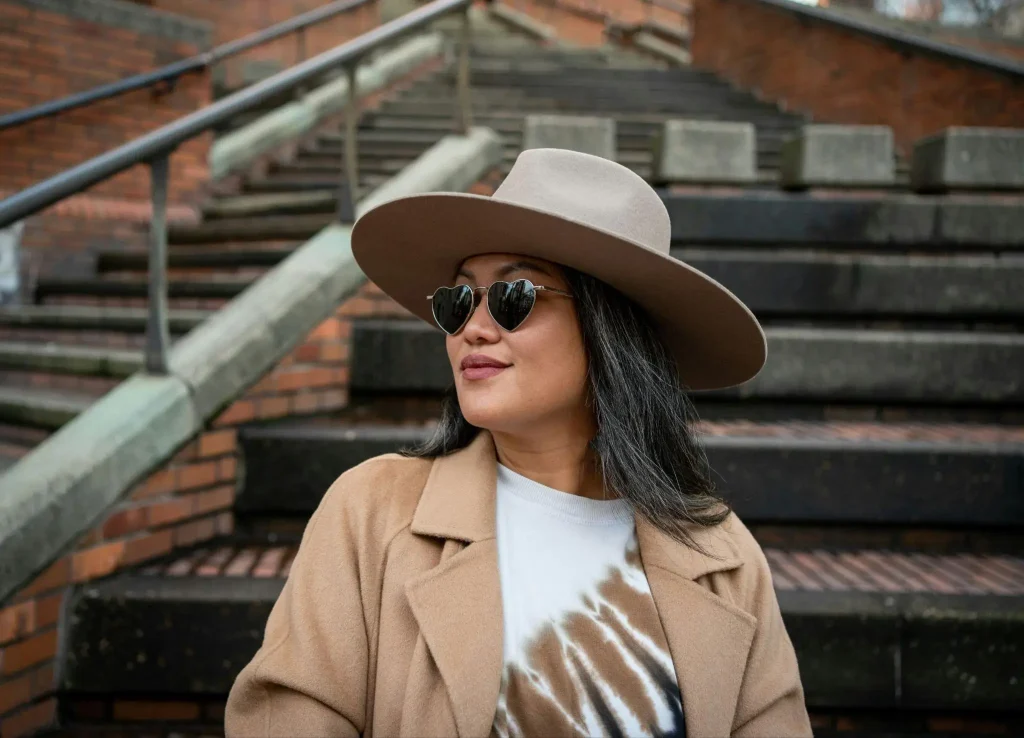
Lack of Color has played a significant role in bringing the fedora back into mainstream fashion. The brand’s designs often feature wider brims, structured crowns, and bold proportions that shift the fedora from classic accessory to focal point.
Its influence is especially visible in travel and resort styling, where hats are expected to deliver both aesthetic impact and sun protection. By pushing scale and silhouette, Lack of Color has helped reposition the fedora as a statement piece for a younger audience.
4. Brixton
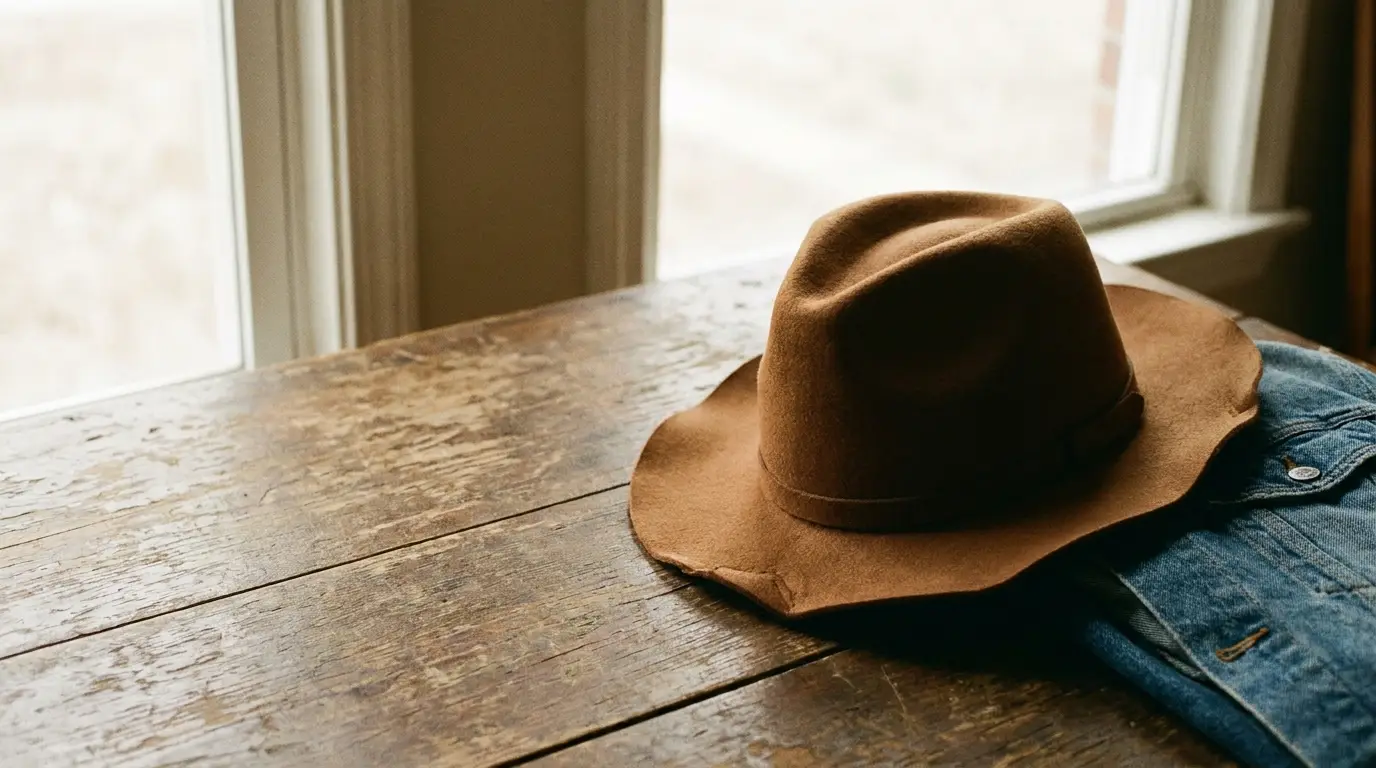
Brixton approaches the fedora from a slightly different angle, blending vintage inspiration with modern streetwear sensibility. The brand’s designs often include earthy color palettes, textured materials, and subtle detailing that give the hats a more relaxed, everyday feel.
This makes Brixton particularly appealing to those who want a fedora that integrates seamlessly into casual wardrobes. It avoids the formality traditionally associated with the style, making it easier to wear in contemporary settings.
5. Eric Javits
Eric Javits represents a more technical and innovative direction in fedora design. The brand is known for introducing proprietary materials that mimic the look of straw while offering improved durability and packability, an important feature for modern travelers.
Its fedoras are engineered with comfort and function in mind, including balanced weight distribution and ventilation. This combination of innovation and craftsmanship reflects a broader shift in the industry toward performance-driven fashion.
6. Stetson
Stetson remains a cornerstone of fedora heritage, but its continued relevance lies in how it adapts that legacy for modern consumers. Originally established in the 19th century, the brand is globally recognized for its craftsmanship and structured designs.
Today, Stetson fedoras often incorporate updated materials and refined proportions, allowing them to appeal to both traditional buyers and newer audiences. The result is a brand that bridges past and present without losing its identity.
7. Bellissimo Hats
Bellissimo Hats offers a more artisanal take on the modern fedora. The brand emphasizes custom design, premium materials, and a focus on individuality, positioning its hats as unique pieces rather than mass-produced accessories.
This approach resonates with consumers who want their accessories to feel personal and distinctive. In a market saturated with similar designs, Bellissimo provides an alternative rooted in craftsmanship and originality.
How the Fedora Is Evolving for Modern Style
The resurgence of the fedora is not just about nostalgia, it reflects broader changes in how people approach fashion. Today’s consumers are looking for pieces that combine versatility, durability, and individuality. The fedora fits this shift perfectly because it can adapt across styles, from casual to refined, without losing its identity.
One of the most noticeable changes is in proportion. Wider brims and slightly more relaxed structures have replaced the narrow, rigid shapes that once defined the style. This makes the fedora more flattering across different face shapes and easier to incorporate into everyday outfits.
Material innovation is another key factor. Brands are experimenting with lighter, more breathable fabrics, as well as packable constructions that suit travel-focused lifestyles. These updates make the fedora more practical without compromising its visual appeal.
Styling has also shifted. Instead of being reserved for formal or semi-formal occasions, the fedora is now worn with denim, knitwear, and even athleisure-inspired looks. This flexibility has helped it regain relevance among younger audiences who prioritize adaptability in their wardrobes.
Ultimately, the fedora’s longevity comes from its ability to evolve without losing its core identity. The brands leading the category today understand that balance. They are not trying to reinvent the fedora completely, they are refining it in ways that make it feel natural in a modern context.