
Most people think of garage insulation as a “nice-to-have”—something you do for comfort if you spend time tinkering out there. But the real payoff is often quieter and longer-term: fewer temperature swings in adjacent rooms, less strain on heating and cooling equipment, and fewer cold-weather (or hot-weather) headaches tied to what’s stored in the space.
If your garage is attached to the house, it’s not a separate world. It’s part of your home’s thermal story. And because garages tend to have thin walls, leaky doors, and plenty of air gaps, they can quietly undermine the efficiency upgrades you have made elsewhere.
Why the Garage Matters More Than You Think
The “buffer zone” effect (and when it fails)
An attached garage can act like a buffer between outdoors and your conditioned living space—if it’s reasonably sealed and insulated. When it isn’t, it becomes a heat sink in winter and a heat reservoir in summer. That temperature difference drives heat flow through shared walls, ceilings (especially with rooms above), and any ductwork that happens to run nearby.
The result isn’t always obvious on your thermostat, but it shows up in runtime. HVAC systems cycle longer to offset drafts and surface temperature differences in the rooms closest to the garage—think bedrooms over the garage or the wall you share with the laundry room.
Comfort isn’t just a luxury; it’s a clue
Ever notice one room that’s consistently colder in winter? If that room borders the garage, the garage is often part of the reason. Insulating the garage won’t magically fix every comfort issue, but it can reduce the severity of the “cold wall” effect and the uneven temperatures that make people crank the thermostat. That behavioral change—raising or lowering setpoints to compensate—can be a bigger energy cost than you’d expect.
Where the Savings Actually Come From
Less HVAC runtime in the rooms you actually live in
Insulating your garage isn’t primarily about making the garage itself “conditioned.” It’s about reducing heat transfer into and out of the home. In many homes, improving insulation and air sealing can cut heating and cooling costs meaningfully over time; broad energy guidance often cites potential savings in the 10–20% range depending on climate, home tightness, and starting conditions. Your garage alone won’t deliver that full number, but it can be a meaningful slice—especially if you have a bedroom above it or ductwork nearby.
Also, HVAC wear-and-tear is a real cost. Longer runtimes mean more frequent cycling, more maintenance, and earlier replacement. Shaving even a modest percentage off runtime, year after year, can delay big-ticket equipment costs.
Start with the garage door—the biggest weak spot
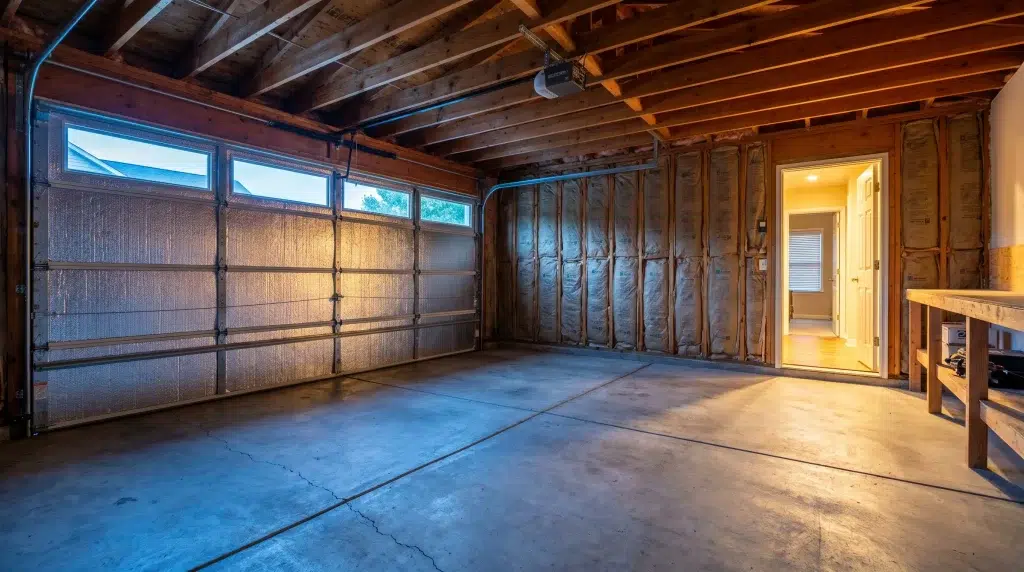
The garage door is usually the largest and leakiest “wall” on that side of the house. Thin metal panels transmit heat quickly, and small gaps around the perimeter let in outside air. Improving the door’s insulation and sealing is often the fastest route to noticeable comfort gains in adjacent rooms.
If you’re evaluating door upgrades, look for solutions that add insulation and help address air leakage at the edges. For homeowners who want a straightforward retrofit, products such as energy-saving garage insulation kits can be a practical starting point—particularly when the alternative is a full door replacement. The key is to prioritize fit, durability, and an installation method that doesn’t leave large uninsulated gaps between panels.
Protecting what you store (and what you drive)
Savings aren’t only about utility bills. Garages often house items that are sensitive to temperature extremes: paint, adhesives, batteries, certain tools, and sometimes even pantry overflow. Temperature swings shorten shelf life, degrade materials, and increase replacement costs.
Vehicles benefit too. While insulating a garage won’t “warm your car” like magic, it can moderate overnight lows and reduce condensation cycles. Over time, that can mean fewer corrosion issues and less strain on batteries in cold climates. Again, it’s not a single dramatic win—it’s a series of small avoided costs that add up.
Insulation Options and What to Prioritize
Door vs. walls vs. ceiling: what moves the needle?
Every garage is different. A detached garage used for storage may not justify the same investment as an attached garage with living space above it. But in most attached garages, these are the areas that tend to deliver the most benefit for the effort:
- Garage door (largest area, often least insulated, frequently leaky)
- Ceiling/bonus room floor (critical if there’s living space above)
- Shared wall(s) with the house (comfort and heat-loss reduction)
- Air sealing and weatherstripping (small gaps can equal big leakage)
That’s the general priority order. Your mileage depends on existing insulation, local climate, and whether the garage has ducts or plumbing lines that are vulnerable to freezing.
A quick note on materials and performance
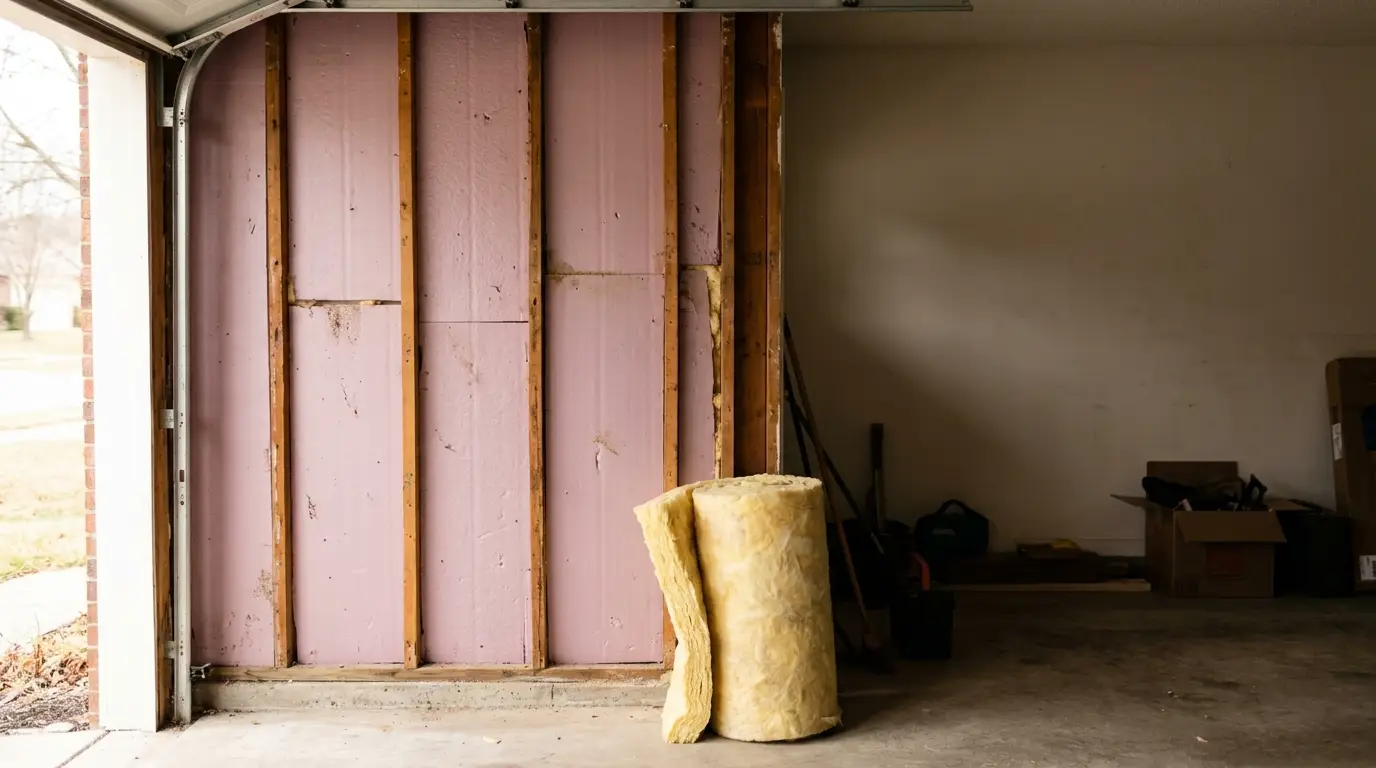
You’ll see several approaches: foam board panels, fiberglass batts, reflective insulation, and hybrid assemblies. The right choice depends on moisture conditions, available depth, and how the garage is used.
A few practical considerations:
- R-value is only part of the story. Air leakage can wipe out the benefit of decent insulation. Weatherstripping and sealing gaps around framing, outlets, and the door perimeter can be as important as the insulation itself.
- Durability matters in a garage. Panels that get bumped, bowed, or soaked won’t perform for long. If the insulation is exposed, consider how it’ll hold up to impacts and humidity.
- Fire safety and code compliance aren’t optional. Some insulation types require a thermal barrier (like drywall) in certain applications. If you’re insulating walls or ceilings, it’s worth checking local requirements.
Cost, Payback, and Making the Savings Stick
What payback looks like in the real world
The payback period for garage insulation can be quick or slow depending on context. If you have a bedroom over the garage and you’re fighting comfort issues every winter, improvements can feel “immediate”—lower runtimes, fewer drafts, and less temptation to raise the thermostat. If the garage is detached and you rarely step inside, the return is mostly about storage protection and reduced equipment wear (if you have any conditioned lines out there).
One way to think about ROI is to stack benefits:
- Energy savings from reduced heat transfer to adjacent rooms
- HVAC longevity from less runtime and fewer extreme cycles
- Reduced maintenance/replacement for temperature-sensitive items
- Better usability if the garage doubles as a workshop or gym
Even modest monthly savings become meaningful over 5–10 years, especially as energy prices fluctuate.
Common mistakes that erase savings
Insulating the garage is straightforward, but a few missteps can undercut performance:
- Ignoring air gaps around the door and framing penetrations
- Insulating one surface and assuming the job is done (e.g., door only, while a large uninsulated ceiling bleeds heat)
- Blocking needed ventilation in ways that create moisture problems
- Compressing insulation (which reduces effective R-value)
How to tell if it’s working
You don’t need fancy equipment to validate results. Pay attention to:
- Temperature swings in the room above/next to the garage
- How often your HVAC runs during mild-but-cold or mild-but-hot days
- Drafts near baseboards or shared walls
- Humidity/condensation patterns on the garage door interior
If you want to get more precise, a basic infrared thermometer can reveal cold/hot spots, and a utility-bill comparison (same season, different year) can confirm whether the change is translating into lower consumption.
The Bottom Line
Garage insulation is one of those upgrades that rarely gets credit for how much it supports the rest of the house. Done well—especially with attention to the garage door, ceiling, and air sealing—it can reduce ongoing energy waste, improve comfort in nearby rooms, and avoid a long list of small costs that quietly accumulate over time. The savings aren’t always flashy, but they’re steady. And in home performance, steady wins are the ones that last.