Music does not stay in headphones anymore. It spills into floor plans, furniture choices, lighting moods, and the way people use every square foot at home.
Global recorded music revenue grew 4.8% in 2024, with streaming making up 69% of revenue and paid subscriptions reaching 752 million accounts worldwide. In other words, music has become a daily home utility, somewhere between coffee and Wi-Fi.
The Living Room Is No Longer Just For Sitting
Artists have pushed the living room far beyond “couch, TV, end of story.”
Now the space often works as a listening lounge, conversation hub, mini stage, and mood machine all at once. That shift influences mainstream design too. People want rooms that feel expressive, not stiff, and creative homes often lead that charge.
This is where flexibility matters. A room planned around comfort, flow, and personality can support music as part of daily life instead of treating it like background noise.
Design choices that support that kind of adaptability reflect many of the semi-custom home benefits in Virginia, especially when homeowners want spaces that fit real habits instead of old showroom formulas.
Artists Design Rooms Like Playlists
A good playlist has rhythm, contrast, surprise, and a strong finish. Artists often build homes the same way. One corner feels calm and minimal. Another corner adds color, texture, and a little drama. Nothing feels random, even when it looks effortless.
That mindset has started to influence modern interiors far beyond celebrity homes. Instead of matching everything, more people mix vintage pieces with clean lines, bold artwork with soft neutrals, and statement lighting with quiet materials.
The result feels personal, which is the whole point. A room should not look like it came out of a catalog with an identity crisis. It should feel curated, layered, and unmistakably human.
Home Studios Have Left The Basement
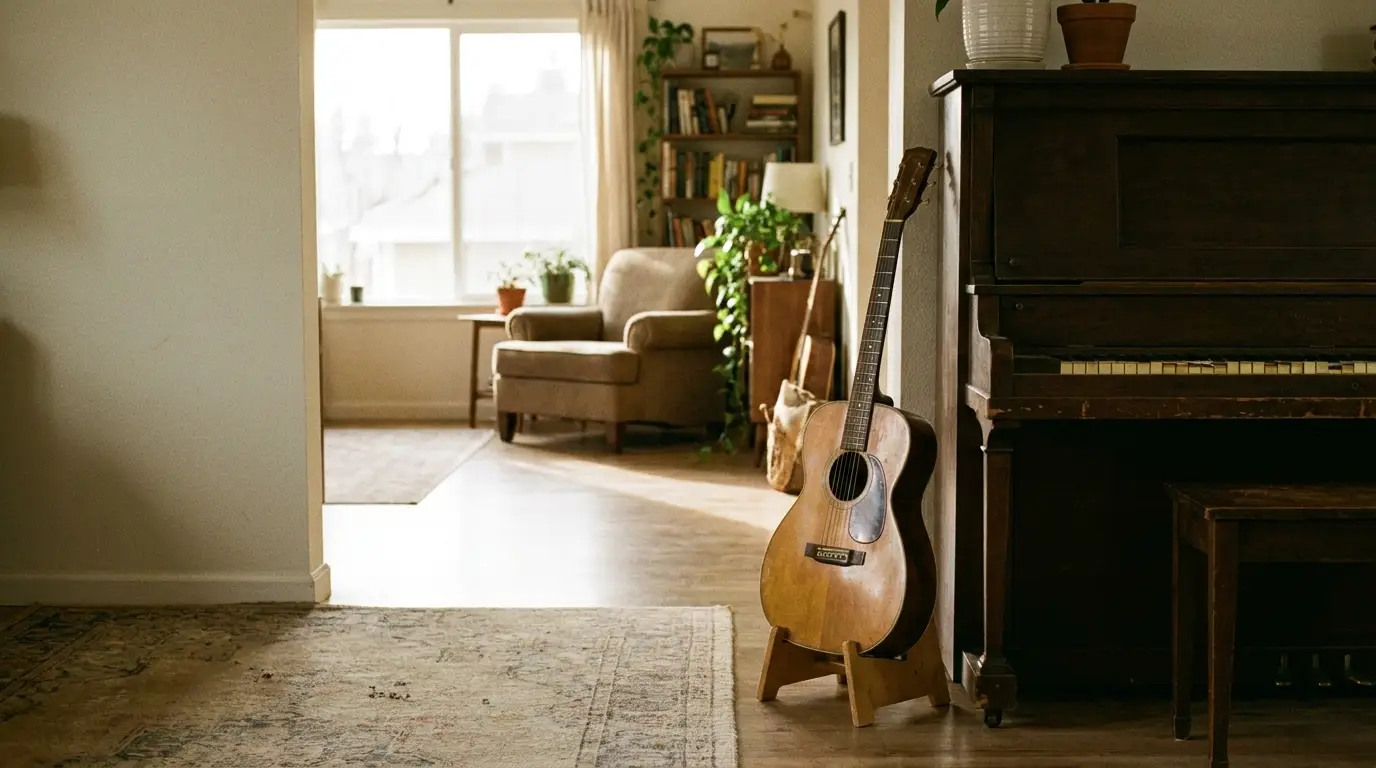
The home studio used to mean a lonely desk, tangled cables, and a chair that looked like it lost a fight. Now it often blends into the main living environment. Artists want spaces that support work without killing the vibe of the home, so studio areas now sit inside lofts, spare rooms, den spaces, and even open-plan layouts.
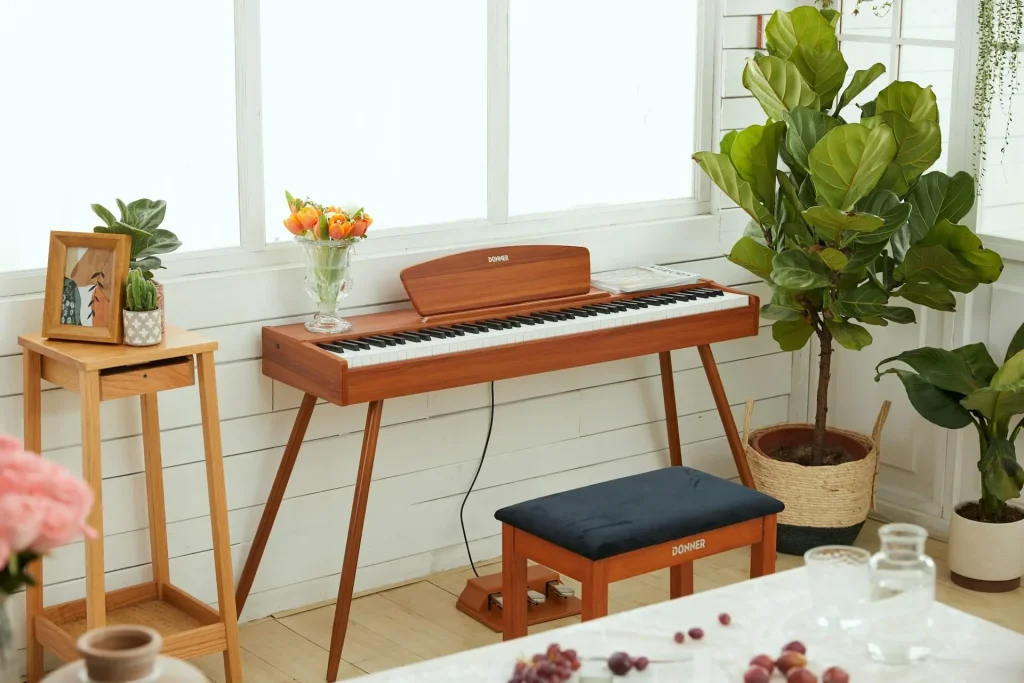
Music rooms now double as stylish personal and listening spaces rather than sealed-off tech caves. Examples range from piano rooms to vinyl lounges to recording corners that feel warm, livable, and deeply personal.
Sound Matters As Much As Style
Artists understand something many homeowners learn the hard way: a beautiful room that sounds awful still feels wrong.
Hard surfaces, echo, poor speaker placement, and noisy layouts can ruin the atmosphere fast. That is why music-driven interiors often pay close attention to acoustics, even when the room still looks relaxed and inviting.
Different spaces need different sound treatment, and residential interiors benefit from materials and layouts that improve sound perception and comfort. More recent design commentary has also emphasized that intentional sound design now shapes modern spaces in visible and functional ways.
Lighting Now Follows The Mood, Not Just The Ceiling
Artists rarely treat lighting as an afterthought. They use it the way producers use reverb: to shape emotion. Warm lamps, dimmable sconces, spot accents, and layered light zones help a room shift from work mode to dinner mode to late-night album mode without a dramatic furniture shuffle.
That approach has spread because modern living spaces now need to do more than one job. A single overhead light can handle exactly one mood, and that mood is usually “tax paperwork.”
Layered lighting solves that problem. It creates intimacy, gives art and instruments more presence, and lets the room feel alive at different times of day. When music and lifestyle meet, lighting becomes part of the performance.
Your Studio Needs Better LIGHTING | Natural Light Design Process for Recording Studios
Decor Has Started To Tell A Story
Artists often fill their homes with objects that mean something: instruments on display, records within reach, books stacked with intention, framed posters, sculptural chairs, handmade ceramics, and pieces picked up during travel.
None of that feels accidental. It tells a story without turning the room into a museum gift shop.
Modern homeowners have picked up on that. Instead of chasing “perfect,” many now want homes with emotional texture. That can mean a listening chair by the window, a shelf dedicated to vinyl, or a coffee table that starts conversations instead of just holding remotes. The best music-inspired spaces do not scream for attention. They reveal taste slowly, like a great album that gets better on the third listen.
The New Luxury Feels Personal
The biggest lesson artists bring to modern interiors is simple: luxury no longer means formal rooms nobody uses. It means spaces that support real life beautifully. A great home today should look good, sound good, and make everyday routines feel richer.
That may include a turntable setup, built-in shelving for records, a cozy jam corner, better acoustics, or lighting that flatters both people and playlists.
Artists did not invent personality at home, but they helped make it stylish again. They showed that living spaces can hold creativity, comfort, and function at the same time. And honestly, that feels like a smarter design standard.
A home should not just impress guests for ten minutes. It should make the people who live there want to stay for the encore.