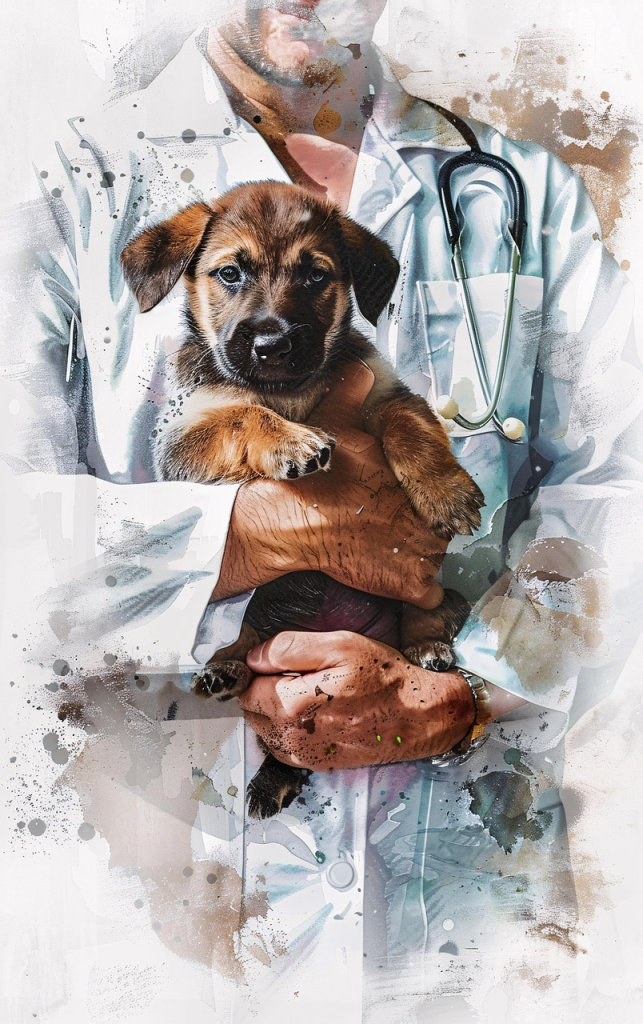
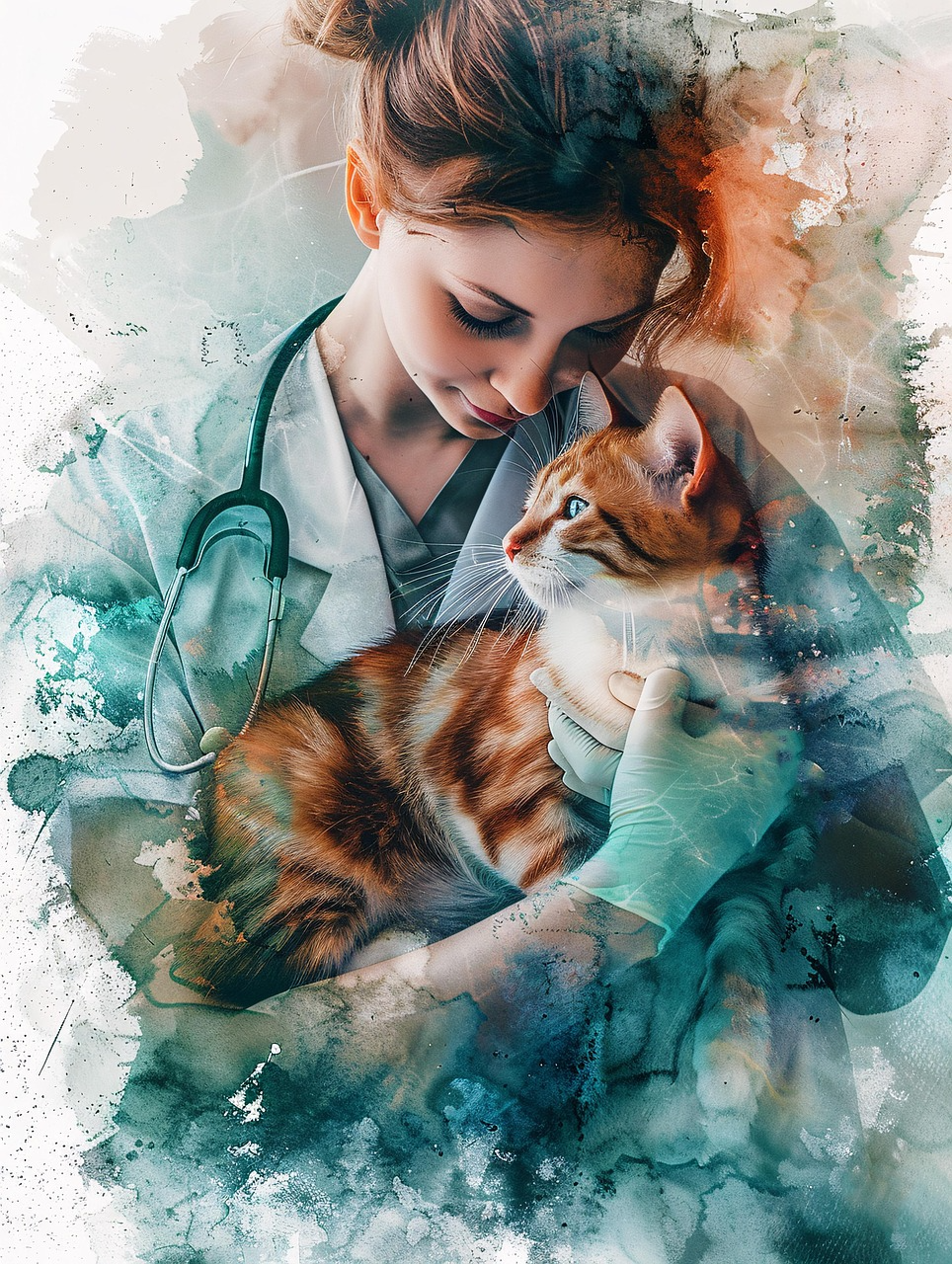
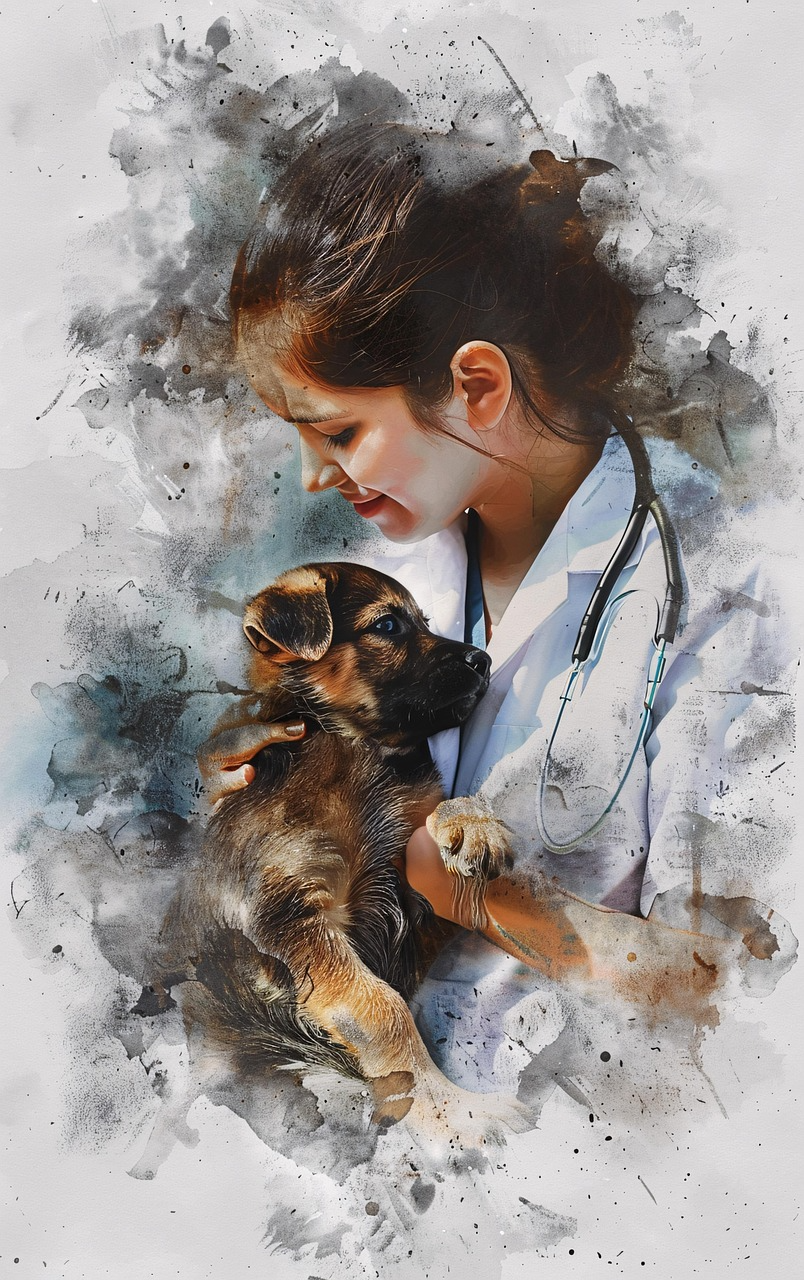
Regular veterinary visits do more than keep vaccinations current. They help uncover hidden health concerns early, support long term wellness, and give pets the best chance at a comfortable, happy life. When routine diagnostic checkups become part of your pet’s care, prevention takes the lead over reaction.
How Regular Diagnostic Checkups Keep Your Pet Happy And Healthy
Pets cannot explain when something feels off. Many health conditions develop quietly, showing few outward signs until they are advanced. Regular diagnostic checkups allow veterinarians to look beneath the surface and catch subtle changes before they turn into painful or stressful problems.
By identifying issues early, your pet can avoid unnecessary discomfort and invasive treatments. For owners, this means fewer surprises and more confidence in their pet’s overall wellbeing.
Why Early Detection Matters More Than Treatment
Prevention is almost always easier than cure. When health concerns are discovered early, treatment plans are often simpler, more affordable, and less disruptive to your pet’s routine. In more serious cases, pets may still require support from an emergency vet in Jacksonville. Early care also reduces the likelihood of emergency visits, which can be overwhelming for both pets and owners.
Staying ahead of health changes helps your pet remain active, playful, and engaged. Instead of reacting to illness, you are supporting long term comfort and quality of life.
The Role Of Pet Diagnostics In Preventive Care
Routine pet diagnostics play a critical role in monitoring internal health. Bloodwork, imaging, and laboratory tests provide valuable data that physical exams alone cannot reveal. These insights help veterinarians track how organs are functioning and identify trends over time.
When diagnostics are part of a regular schedule, they establish a clear health baseline. Comparing results year over year allows small changes to be addressed early, often before symptoms appear.
What Happens During A Diagnostic Checkup
A diagnostic checkup usually builds on a standard wellness exam. Your veterinarian may recommend specific tests based on your pet’s age, breed, lifestyle, and medical history. Each recommendation is designed to gather useful information without unnecessary stress.
Most pets tolerate diagnostic testing very well. Samples are typically collected quickly, and imaging procedures are commonly non-invasive. The goal is to gain clarity while keeping your pet calm and comfortablethroughout the entire visit.
Common Diagnostic Tools Used In Routine Veterinary Care
Veterinarians rely on a combination of tests to form a complete picture of your pet’s health. Each tool serves a specific purpose and works best when results are reviewed together.
Here are common diagnostic tools you may encounter during routine visits:
Blood tests that evaluate organ function and detect infections
Urinalysis to assess kidney health and hydration levels
Imaging such as X rays or ultrasound to examine internal structures
Together, these tools help veterinarians understand how your pet’s body is functioning today and how it may change over time.
How Diagnostics Support A Happier Daily Routine
Healthy pets move more easily, rest more comfortably, and interact more positively with their surroundings. Diagnostic testing helps ensure internal systems are balanced, which directly affects mood, energy levels, and daily behavior.
For senior pets, diagnostics are especially valuable. Early signs of kidney strain, liver changes, or joint stress can be managed proactively, helping aging pets stay engaged with family life for as long as possible.
Reducing Stress Through Familiar Veterinary Visits
Regular diagnostic checkups also help pets feel more at ease in the veterinary environment. Familiarity reduces anxiety, making exams and testing smoother for everyone involved. Calm pets allow veterinarians to collect more accurate results.
Over time, consistent visits help build trust between your pet and the care team. This trust becomes especially important if more advanced treatment is ever needed.
Regular diagnostic checkups help catch hidden issues early and protect pet health.
Using Diagnostic Results To Support Long Term Wellness Plans
Diagnostic information helps veterinarians tailor nutrition, exercise, and lifestyle recommendations. For example, early joint changes may lead to modified activity routines that protect mobility. Small adjustments guided by data can make a meaningful difference over time.
Clinics that offer comprehensive diagnostic services, such as those available through the diagnostic care offerings at WWRVH, allow veterinarians to monitor trends rather than isolated results. This ongoing insight supports smarter, more personalized care throughout your pet’s life.
Making Regular Diagnostic Checkups Part Of Your Routine
Consistency is what makes diagnostics effective. Scheduling routine checkups creates a reliable health record that helps your veterinarian respond quickly if something changes. This proactive approach removes much of the guesswork from pet care.
When pet diagnostics are viewed as a normal part of wellness rather than a response to illness, both pets and owners benefit from reduced stress and greater peace of mind.
Supporting Lifelong Health Through Regular Diagnostic Checkups
Regular diagnostic checkups help protect your pet’s comfort, energy, and happiness over time. They support prevention, reduce anxiety around veterinary visits, and keep health decisions proactive instead of reactive.
Dr. Emily Watson, a respected figure in health and wellness, boasts 8 years of experience. Her academic journey at Johns Hopkins School of Medicine has equipped her with a profound understanding of both physical and mental health. Dr. Watson specializes in holistic wellness practices, integrating modern medicine with lifestyle and nutritional advice to promote overall well-being. Her approachable manner and dedication to patient education make her a sought-after expert in her field.
Dr. Emily Watson, a respected figure in health and wellness, boasts 8 years of experience. Her academic journey at Johns Hopkins School of Medicine has equipped her with a profound understanding of both physical and mental health. Dr. Watson specializes in holistic wellness practices, integrating modern medicine with lifestyle and nutritional advice to promote overall well-being. Her approachable manner and dedication to patient education make her a sought-after expert in her field.