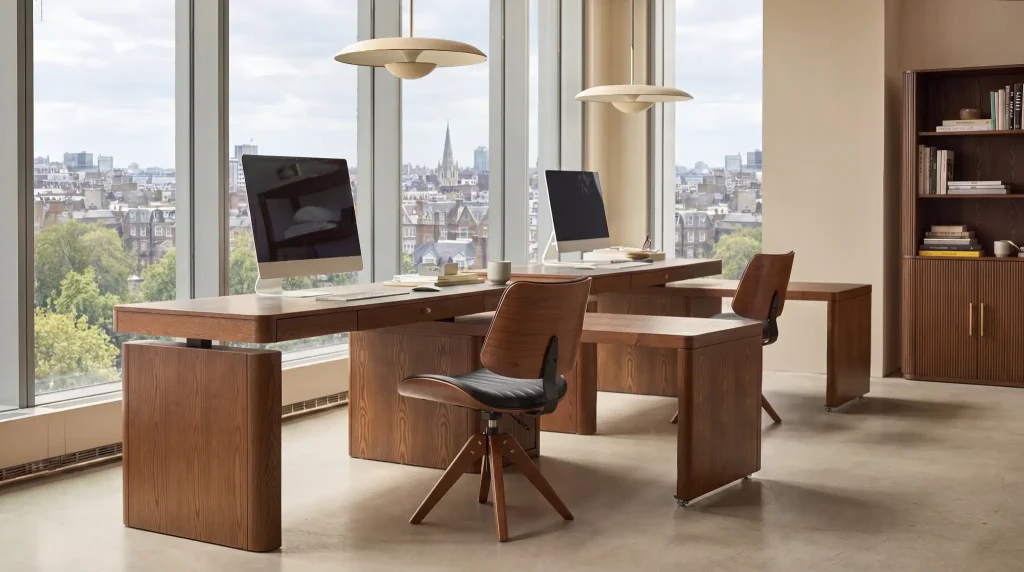
The honeymoon phase of working from the comfort of our homes is officially over. Today, millions of remote professionals are facing a harsh medical reality: spending eight to ten hours a day chained to a rigid, traditional desk is a fast track to chronic back pain, neck fatigue, and the dreaded 3 PM energy slump.
As the boundaries between life and work permanently blur, the demand for high-performance home office furniture has shifted from a luxury to an absolute necessity. At the center of this workplace revolution is the massive migration toward adjustable standing desks. Here is why the traditional office setup is dying, and how the market is evolving to meet the needs of modern remote workers.
The Invisible Cost of the “Sitting All Day” Routine
Most conventional desks were engineered for a bygone era of office work. They force the human body into a static, seated posture for hours on end, severely limiting natural movement. Remote workers are starting to notice the physical toll: lower back stiffness, poor circulation, and mental fatigue that caffeine can no longer fix.
Investing in ergonomics isn’t just about buying a prettier piece of furniture; it’s about creating a sustainable environment where your physical health supports your productivity, rather than sabotaging it.
The Electric Evolution: Why Convenience Dictates Habit
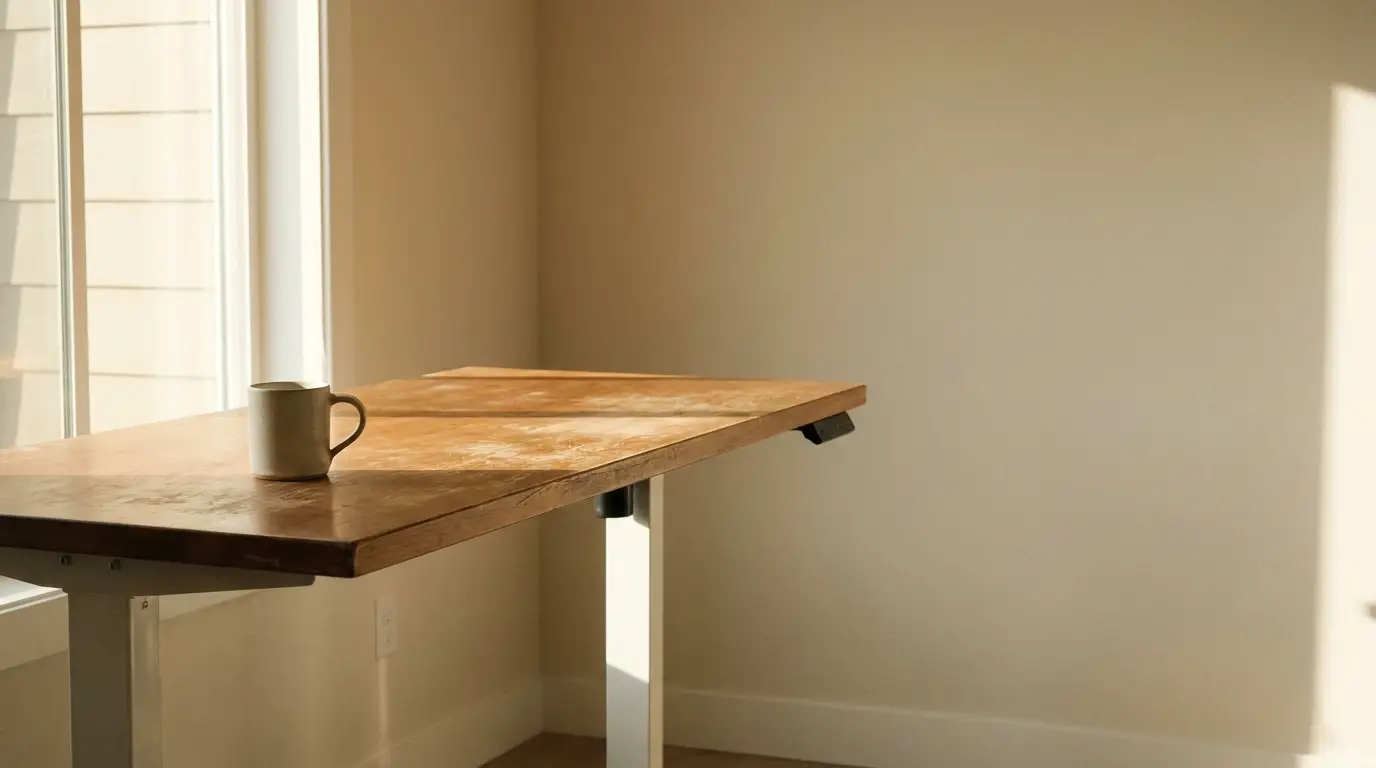
While manual crank desks have existed for years, they rarely succeed in changing user behavior. No one wants to stop their deep-work flow to manually crank a desk up and down twenty times a day.
This is why electric standing desks have become the industry baseline. Powered by quiet, smooth motorized lifts, they allow you to transition from sitting to standing at the touch of a button. More importantly, modern setups feature programmable memory presets. You save your exact, millimetrically perfect sitting and standing heights once, and switch between them seamlessly throughout the day without missing a beat on your Zoom call.
Beyond Vertical: The Rise of the Rotating Smart Desk
However, as remote workflows become more complex—often involving multiple monitors, tablets, notebooks, and endless video gear—traditional rectangular standing desks are hitting their limits. Users are forced to choose between a cluttered desktop or buying extra, bulky furniture.
This logistical headache has paved the way for the next major innovation in workspace design: the rotating standing desk.
Leading this new wave of multi-functional design is Hulala Home, a brand that has carved out a reputation for blending high-end interior aesthetics with hard-core ergonomic utility. Their flagship innovation, the Veritas 360-Degree Rotating Electric Standing Desk, tackles the multitasking problem head-on.
Unlike generic models, the Veritas couples a smooth electric lift system with a unique, pivoting side desktop. This 360-degree rotating mechanism allows the workspace to adapt dynamically to your day:
- The L-Shape Corner Layout: Perfect for squeezing a massive workstation into a tight bedroom or apartment corner.
- The Fully Extended Layout: Ideal for creators who need a primary screen for coding or designing, and an expanded secondary surface for analog sketching, physical documents, or a second device.
- The Shared Setup: Easily swung out to share screen insights with a collaborator or client sitting nearby.
Final Thoughts: Smart Investment for the Future of Work
Your workspace is the engine room of your career. As remote work cements itself as the baseline of the modern economy, furnishing your office with tools that actively protect your posture and enhance your efficiency is the smartest investment you can make.
While the market is flooded with generic options, forward-thinking solutions like the Veritas Desk by Hulala Home prove that the future of office furniture isn’t just about moving up and down—it’s about moving around your life.