From slot machine jingles to full-blown orchestral tours built around game soundtracks, music does more to your brain during play than most people realize. Here’s a peek at the research that explains the power of sound.
Slip on your headphones, queue up your favorite playlist and something changes, even before a card is dealt or a slot spins. Your heart rate shifts. Your focus sharpens. Deep in your brain, a chemical reward system starts tracking the beat. People who’ve felt the lure of a casino soundtrack, or noticed how a video game score builds tension right when it needs to, know what’s up. There’s real science behind that feeling; it stretches from psychology labs all the way to sold-out concerts centered on game music.
This piece digs into what the studies actually say about music’s effect on the brain during gaming and gambling, why sound designers lean on it so much and just how deeply music fans are woven into this story.
The dopamine connection isn’t just a buzzword
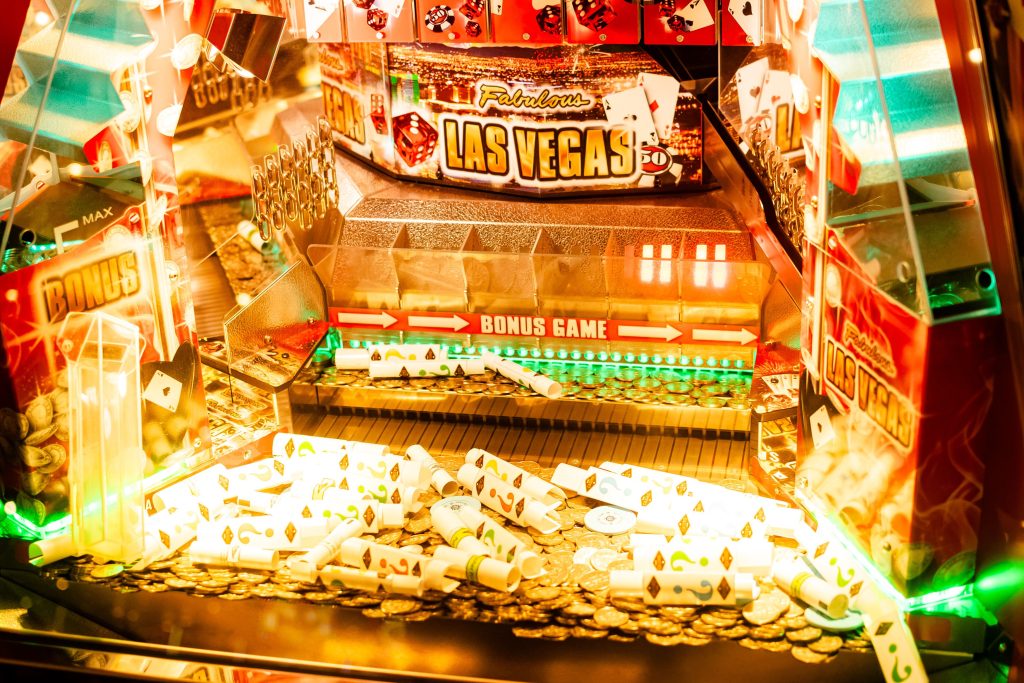
Anyone who loves music knows the kick of chills, a lump in the throat or an urge to move when a favorite song hits. That’s not your imagination; it’s your brain’s reward pathway lighting up, the same circuit used in enjoying food or winning money. When a slot machine rings out after a payout, your brain treats that sound as a reward, releasing dopamine before you even catch what happened. Composers and casino sound designers know this, so they build winning sounds with bright, major melodies and layers in chimes; because those tones trigger the same reward pathway music always has.
Researchers have looked at near-misses too, moments when two symbols match but the third just misses. Sound designers often use the same triumphant musical cues for near-misses as for actual wins, keeping the reward system fired up even after a loss. It’s a sneaky trick, and it works because music reaches the emotional wiring of the brain long before gambling even enters the scene.
Where gambling enters the conversation for music fans
If you’re the sort who loves music and wants to understand how sound shapes online betting or casino gaming, the psychology is only half the story. You need to know where to play, too. That’s where sites like PlayNJ.com step in. It’s a thorough online resource for legal gambling and gaming in New Jersey, covering everything from licensed casinos and poker rooms to sports betting platforms.
The site offers rankings, honest reviews and bonus breakdowns for each operator. If you’re comparing sportsbook welcome offers, you might spot a BetMGM sportsbook promo code right in the reviews, next to details about the platform’s games and audio-visual experience; so you get a better sense of what you’re signing up for before placing that first bet.
What happens to betting speed when the tempo changes
Here’s where the research gets interesting for anyone thinking about music outside casinos. Back in 2007, psychologist Mark Griffiths and his team at Nottingham Trent University ran a study with 60 people playing virtual roulette under three conditions: Silence, slow music and fast music. The result held up; people bet faster with higher tempo music, though the tempo didn’t affect how big their bets were or how much they spent. So music didn’t make folks gamble recklessly, but it definitely sped things up.
Later studies muddied things. A University of Sheffield study with 144 participants tested if tempo was really the key factor, and found otherwise. When other musical attributes were controlled, tempo alone didn’t influence betting speed, spending or risk-taking. The relationship is more complex than just “faster song equals faster bets”. For music lovers, it’s a good reminder: Tempo isn’t everything. Genre, mood, familiarity and personal connection to a track all help shape how sound affects decision-making.
Gamers are building actual relationships with game music
Step away from the casino and music gets even more entwined with the brain in the gaming world. A UK gamer survey by Currys showed 52% of gamers listen to game soundtracks outside of their play sessions; a lot while exercising, relaxing or doing chores. That’s not just background noise; it’s people forming real emotional connections to these tunes, just like any favorite album.
According to MIDia Research, 58% of gamers discovered new music or artists through games. Game composers are increasingly seen as artists, not just background technicians, and platforms like Spotify have turned soundtracks from Red Dead Redemption 2, The Last of Us and The Witcher 3 into megahits. Hundreds of millions of streams. Not a coincidence. It traces back to the same emotional, reward-driven bond people have with music everywhere; just experienced through a controller instead of a car stereo.
From living rooms to concert halls
The Witcher 3: Wild Hunt proves it. For the game’s tenth anniversary, developer CD Projekt Red launched The Witcher in Concert; a touring orchestra performing the game’s score live, with original composer Marcin Przybyłowicz and folk band Percival reworking the music. The show debuted at gamescom in Cologne in 2025, sold out its first European run, and is now gearing up for a second leg through late October and November 2026, hitting the UK, Sweden, Germany, Poland and plenty more countries after fans clamored for more stops.
That’s a solid data point: A soundtrack meant for solo gameplay is now filling concert halls across two continents. Proof that the brain’s connection to game music doesn’t shut off when the controller’s put down, it carries the emotional weight forward.
Music impacts your brain
Music’s grip on the brain doesn’t just live in concert halls or playlists. Whether it’s a casino floor tuned to chimes and rhythm or a game score that fills an arena years after its release, sound does real psychological work; triggering reward pathways, speeding up decisions and building emotional bonds that linger long after play ends.
The fine details are still a debate among researchers, but one thing’s clear in every study and at every sold-out show: People don’t just hear music while playing, they carry it with them after the screen goes dark.