


Seasonal depression doesn’t announce itself dramatically. It usually arrives gradually – you start sleeping longer, stop initiating plans, feel a persistent low-grade flatness that’s hard to explain to people who don’t experience it. By the time you recognize what’s happening, it’s November and you’ve already lost a month.
The good news is that light therapy remains one of the most effective and fastest-acting non-pharmacological treatments for Seasonal Affective Disorder. The not-so-good news is that the market for light therapy devices has expanded considerably over the past few years, and not everything on it deserves shelf space. Cheap panels with misleading lux ratings, wellness gadgets dressed up in clinical language, devices that look medical but have no research behind them.
This guide focuses on what actually works – and what distinguishes a device worth buying from one you’ll regret.
What Makes a Light Therapy Device Clinically Useful
Before getting to specific products, it helps to understand what parameters actually matter. The market noise around “features” obscures a short list of things that determine whether a device will produce a therapeutic effect.
Lux output at the right distance. The 10,000 lux standard for traditional lamps is measured at a fixed working distance – typically 20–30 cm. At 60 cm, intensity drops substantially. Any lamp rating you see is only meaningful at the specified distance.
Spectral composition. The photoreceptors that regulate your circadian rhythm (ipRGCs) are maximally responsive to blue-green light around 480 nm. Most quality devices – whether white-light panels or targeted wearables – are designed around this spectrum. UV-filtered light is standard for safety; any device that doesn’t filter UV is a red flag.
Session duration and timing. Twenty to thirty minutes in the morning, within an hour of waking. Both factors matter. The same device used at 2 p.m. won’t produce the same effect.
CE or FDA clearance. Medical device certifications aren’t a guarantee of efficacy, but their absence is a signal. Serious manufacturers pursue clearance. Gadget brands that slap “light therapy” on a beauty panel often don’t.
With that framework in place – here are the devices that hold up in 2026.
1. Luminette 3 – Best Wearable Option
Format: Wearable glasses/visor
Intensity: 500 / 1,000 / 1,500 lux
Session: 20–30 min
CE certified: Yes
Price: ~$220–$240
Luminette 3 is the current version of the most clinically studied wearable light therapy device on the market. Developed by Belgian medical technology company Lucimed in collaboration with the Sleep and Chronobiology Unit at the University of Liège, it’s the rare product in this category that was built from research rather than retrofitted with research claims afterward.
The device sits like a transparent visor in front of your eyes, directing diffuse light from slightly above your line of vision – which matches the natural angle of outdoor sunlight and targets the retinal region where ipRGCs are most concentrated. Sessions run concurrently with your normal morning: eating, reading, working at a desk, doing light movement. You’re not stationary, which for many people is what finally makes daily light therapy stick.
The lower lux rating compared to traditional lamps reflects delivery method, not therapeutic power. At the distances and angles involved, 1,500 lux delivered by Luminette produces retinal irradiance comparable to standard 10,000-lux box therapy at working distance.
What separates the Luminette 3 from earlier versions: substantially lighter build (~55g), USB-C charging, improved light distribution uniformity across the visor, and compatibility with the Luminette Drive app, which includes jet lag protocols and usage tracking.
The device is available across European and North American markets through myluminette.com, with region-specific shipping and pricing. Certification covers EU medical device standards.
Best for: People who travel, variable-schedule mornings, SAD sufferers who’ve struggled to maintain lamp-based routines.
Limitation: Price point is higher than lamps; some fit variability with larger prescription glasses frames.
2. Lumie Vitamin L – Best Desk Lamp for Daily Use
Format: Desk panel
Intensity: 10,000 lux
Session: 20–30 min
Price: ~$80–$110
Lumie is a UK-based company that’s been making light therapy devices since 1991 – long enough that their products have appeared in actual clinical trials rather than just referencing clinical trials. The Vitamin L is their flagship desk lamp, and it’s good.
The panel is slim and can be positioned either horizontally or vertically, which matters more than it sounds: vertical positioning at eye level is significantly more effective than angling a horizontal panel upward from desk height. The UV-filtered white light produces a clean, even spread without the blue-heavy tint some competing panels have.
For straightforward, stationary morning sessions, the Lumie Vitamin L is one of the most dependable options at this price point. The build quality has improved over previous Lumie models – earlier versions had a slightly cheap feel that the current iteration has addressed.
Best for: Anyone with a consistent desk-based morning routine, good entry point if you’re new to light therapy.
Limitation: Not portable, requires positioning discipline.
3. Carex Day-Light Classic Plus – Best Budget-Conscious Option
Format: Desk lamp/panel
Intensity: 10,000 lux
Session: 20–30 min
Price: ~$60–$75
Carex has been a fixture in the light therapy lamp market for years, and the Day-Light Classic Plus earns its reputation through consistency rather than innovation. The panel is large – which reduces the precision required in positioning your head relative to it – and the lux output is reliable at the rated distance.
The design is utilitarian and takes up more space than it probably needs to, but for people who just want a lamp that works without complications, it does exactly that. Available widely in North American pharmacy chains and online, which matters for people who want to assess the product in person before buying.
It doesn’t have app connectivity, adjustable color temperature, or any of the features that newer devices use to justify higher price points. Some people find that a benefit rather than a limitation.
Best for: First-time light therapy users in North America, anyone testing whether light therapy helps before investing in a wearable format.
Limitation: Large footprint, no portability, basic feature set.
4. Philips SmartSleep Wake-Up Light HF3670 – Best for Sleep-Wake Transition
Format: Wake-up light / alarm clock
Intensity: 300 lux (sunrise simulation)
Session: Sunrise simulation over 20–40 min before alarm
Price: ~$120–$150
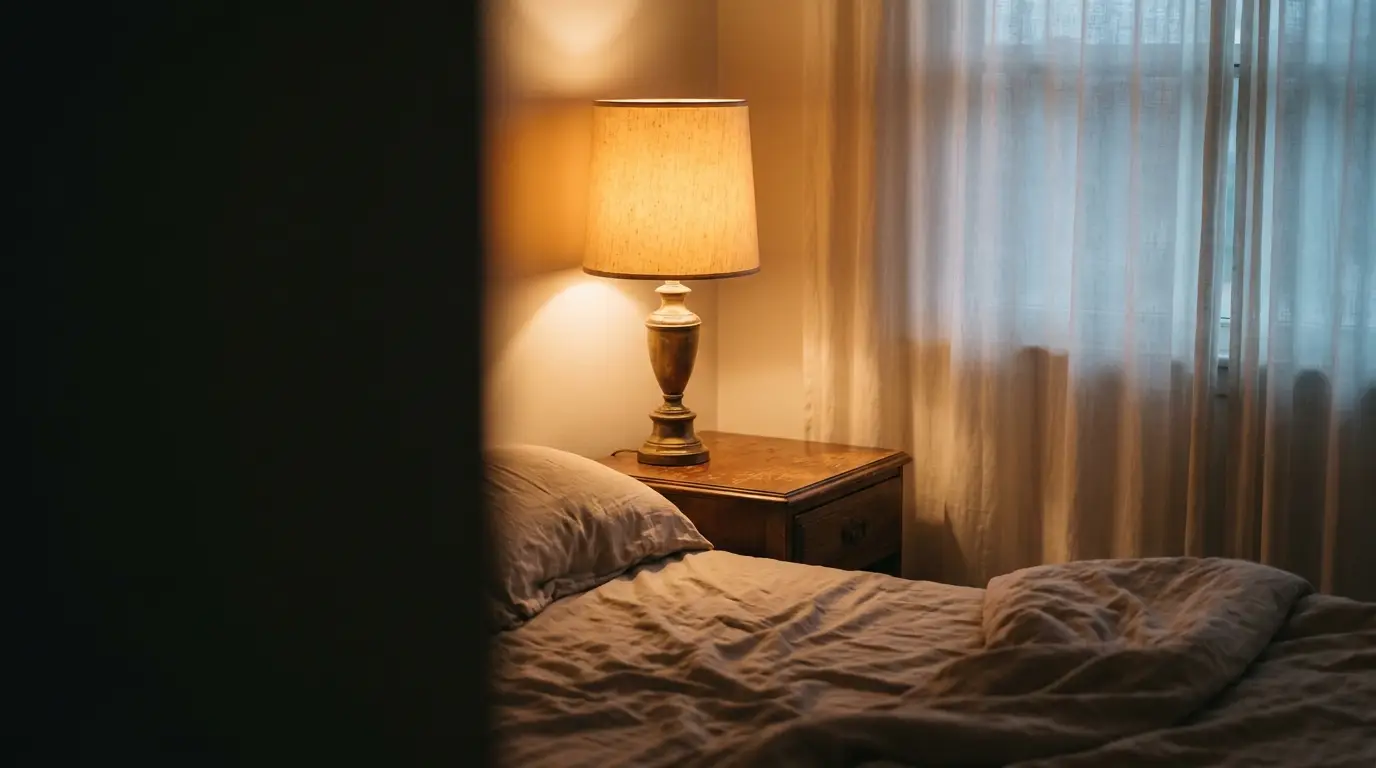
The Philips SmartSleep line approaches the problem differently from the others here. Rather than delivering a single morning session of bright light, it simulates a gradual sunrise in your bedroom, beginning 20–40 minutes before your alarm and increasing brightness progressively.
This is not the same intervention as standard light therapy. The gradual sunrise simulation helps ease the transition from sleep to wakefulness – it’s pleasant and genuinely useful for people who wake up feeling disoriented or groggy – but at 300 lux it doesn’t deliver the full therapeutic dose associated with SAD treatment in clinical research.
It’s included here because it serves a real function for people with mild winter symptoms or sleep-wake rhythm disruption, and it integrates into an existing bedroom setup without any behavioral change required. You just sleep and it does its thing.
For moderate to severe SAD, this alone won’t be sufficient. As a complement to a full-intensity morning session – or for subsyndromal symptoms – it’s worth considering.
Best for: Gradual waking, mild circadian disruption, sleep inertia; useful as a supplement to primary light therapy.
Limitation: Not a SAD treatment on its own; max lux too low for full therapeutic dose.
5. Verilux HappyLight Liberty – Best Compact Portable Lamp
Format: Compact desk panel
Intensity: 10,000 lux
Session: 20–30 min
Price: ~$45–$60
The HappyLight Liberty sits at the smaller end of the traditional panel market. The compact footprint makes it more practical for small apartments, travel when you can pack a lamp, or office use without commandeering your entire desk surface.
Verilux has FDA clearance and solid long-term distribution, so this isn’t a no-name import with unverifiable specs. The light quality is fine – UV-filtered, full-spectrum – and at 10,000 lux it meets the clinical standard.
The limitation is surface area: a smaller panel means less tolerance for positional variation. If your head is 5 cm off-center, you’re catching significantly less light than the rating suggests. Users who move around a lot while working or eating will get less consistent exposure than they would with a larger panel.
Best for: Space-constrained settings, light travel packing, budget entry into 10,000 lux therapy.
Limitation: Small panel requires more consistent head positioning; less forgiving of movement than larger lamps.
What the Comparison Actually Comes Down To
The devices above span two fundamentally different approaches to the same clinical intervention, and the right choice depends almost entirely on your lifestyle rather than the devices’ inherent quality.
Traditional lamps deliver a well-established intervention at a low cost. Their clinical evidence base is the deepest in the category. Their weakness is behavioral: they require you to sit still in a specific place for 20–30 minutes, reliably, every morning. For people whose mornings are consistent and include a fixed desk period, this is no hardship. For people whose mornings are chaotic, variable, or frequently interrupted by travel, it’s a significant barrier to consistency – and consistency is where all the benefit lives.
Luminette glasses solve the consistency problem for the people it actually affects. The device goes with you, works during normal morning activity, and has a portable form factor that makes it the only realistic option for frequent travelers. The clinical evidence for the wearable format is smaller in volume but methodologically sound. The price is higher.
The useful mental test: imagine yourself six months from now. Are you still using whatever you buy? If the lamp version of you has drifted into irregular use, the glasses are worth the price difference. If the lamp version of you has built a simple morning routine around it and stuck to it, you saved $160 and got the same result.
One Thing Worth Saying Directly
Light therapy – regardless of device – requires consistency over weeks, not days. The first three to seven days may produce some noticeable effect, but the full benefit for SAD and circadian rhythm issues typically accumulates over two to three weeks of daily use.
People who try light therapy for five days, feel unclear improvement, and conclude it doesn’t work are usually making a timing error rather than a clinical judgment. The intervention is real. The timeline requires some patience.
The same applies to timing within the day. Morning use, ideally within the first hour after waking, is where the evidence points. Late-morning or afternoon use shifts the circadian phase in the wrong direction for most people – potentially worsening sleep timing rather than improving it.
Summary Comparison
| Device | Format | Lux | Price | Best For |
| Luminette 3 | Wearable visor | 1,500 | ~$230 | Travel, mobile mornings, SAD |
| Lumie Vitamin L | Desk panel | 10,000 | ~$95 | Daily desk users, UK/EU |
| Carex Day-Light Classic Plus | Desk panel | 10,000 | ~$65 | First-time buyers, North America |
| Philips SmartSleep HF3670 | Wake-up light | 300 | ~$130 | Sleep-wake transition, supplement |
| Verilux HappyLight Liberty | Compact panel | 10,000 | ~$50 | Space-limited, budget entry |
Final Thoughts
Seasonal depression is treatable. Light therapy doesn’t work for everyone at the same intensity, and it’s not a substitute for clinical care in severe cases – but for the large portion of people who experience SAD or subsyndromal seasonal symptoms, it’s one of the most evidence-backed, lowest-risk interventions available.
The best device is the one you use every day. Let that guide the choice more than specifications.
If you want to start with the wearable format – or if you already know light therapy works for you and you need something that travels – the Luminette 3 is available at myluminette.com with shipping across European markets. For a standard desk lamp, the Lumie Vitamin L or Carex Day-Light are both honest products at reasonable prices.
Pick one. Use it in the morning. Give it three weeks.
















