If you’ve spent any time on a casino floor, you’ve probably heard the whispers: casinos pump extra oxygen through the vents to keep gamblers alert and betting late into the night. Maybe someone told you the scented air is designed to make you spend more. These stories sound convincing, but most of them fall apart under a little scrutiny. This article looks at where these ideas came from, what’s actually true, and why they refuse to die.
Where the Oxygen Myth Started
The oxygen rumor has been floating around for decades, and much of its staying power comes from pop culture. A well-known thriller novel from the 1970s featured a casino secretly boosting oxygen levels to keep players gambling, and readers helped turn the fictional idea into a lasting rumor.
There’s also a grain of logic that makes people nod along. Casinos are famous for limiting obvious time cues in some designs, so it can feel believable that they would manipulate the air as well. Once a story fits existing suspicions, it tends to stick. Here’s the problem with the oxygen claim:
- Increasing oxygen levels would create additional fire and safety risks.
- Supplying enough oxygen to meaningfully alter a large casino floor would be costly and impractical.
- Large public venues are subject to building, ventilation, and fire-safety requirements.
- There is no credible evidence that casinos routinely enrich gaming-floor air with oxygen.
Simply put, the familiar idea of casinos secretly pumping extra oxygen through the vents is not supported by credible evidence.
What Casinos Actually Do With Air and Scent
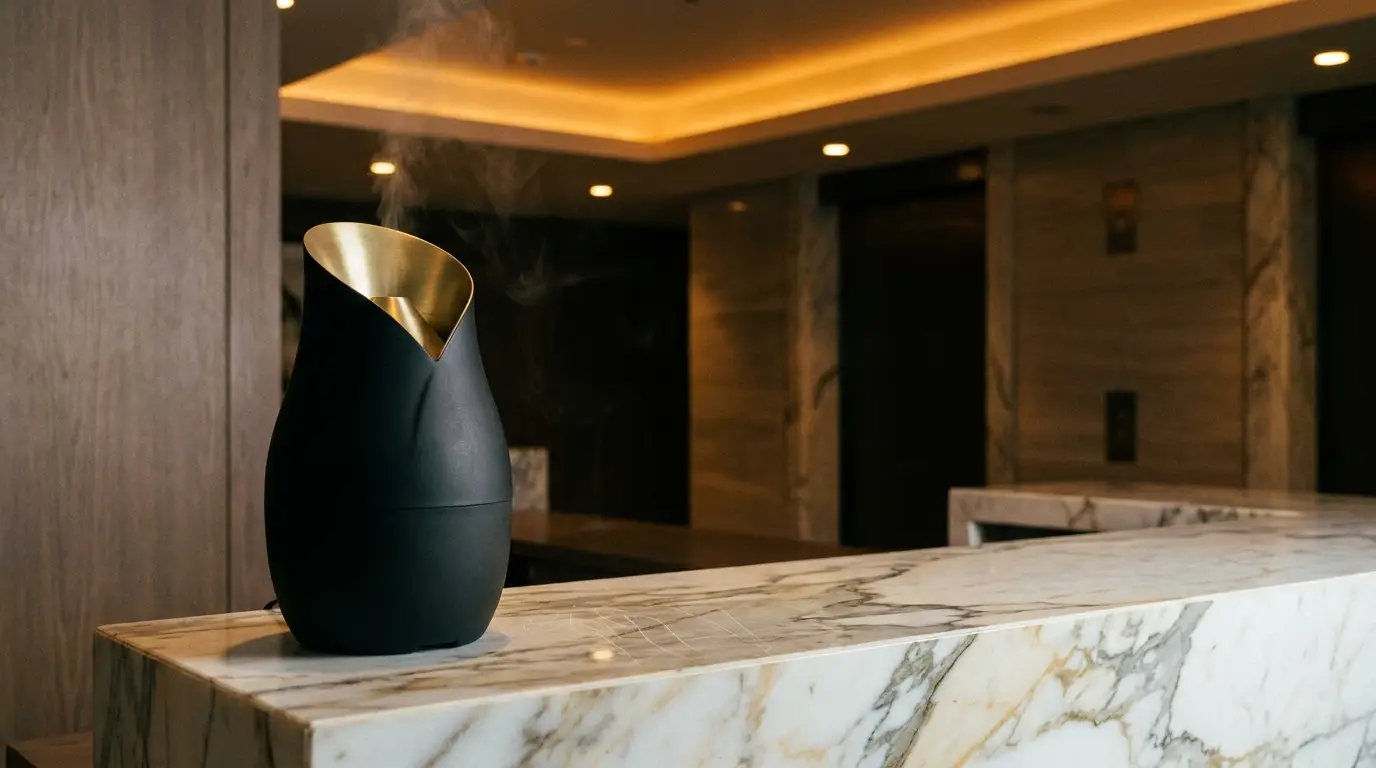
While the oxygen story is largely a myth, casinos do pay close attention to their environment. Ventilation systems are designed to handle crowds, manage temperature, and control odors, especially in properties where smoking is permitted. That is ordinary building and hospitality management rather than a hidden behavioral tactic.
Scent, on the other hand, is real and openly used in the hospitality world. Some resorts diffuse pleasant fragrances in lobbies and gaming areas to help create a particular atmosphere. Ambient scent has also been studied as a possible influence on mood and behavior, although that is very different from the idea of chemically controlling someone’s decisions.
The goal of scent marketing is generally to shape atmosphere and make a space feel more pleasant or distinctive. Hotels, shops, restaurants, and other hospitality businesses use similar techniques, so casinos are not unique in paying attention to how a venue smells.
Online casinos work very differently, and at Spincity casino Canada, the experience depends on games and digital presentation rather than scent, ventilation, or other environmental factors found in land-based venues.
Myths Versus Reality
It helps to line up the popular claims against what the evidence actually supports. Here’s a quick breakdown:
| Popular Claim | Reality |
|---|---|
| Casinos pump extra oxygen | No credible evidence; oxygen enrichment would create serious safety concerns |
| Scents are used to control minds | Scents may influence mood and atmosphere, but not in the way the myth suggests |
| No clocks means air tricks too | Some casino designs limit time cues, but this does not support the oxygen claim |
| Air keeps you awake all night | Lighting, sound, layout, activity, and other visible factors are more plausible influences |
The pattern is clear: effects often attributed to secret air manipulation are better explained by ordinary environmental and design choices that are visible on the casino floor.
Why These Myths Are So Hard to Kill
Even without strong evidence, oxygen and scent stories keep circulating. Part of the reason is psychological. The idea of an invisible environmental influence offers a simple explanation for why people may lose track of time or remain engaged in a highly stimulating space. Several factors keep these rumors alive:
- Repetition: the more often people hear a claim, the more familiar and believable it can seem.
- Confirmation bias: the myth fits existing assumptions about how casinos operate.
- Storytelling: a dramatic hidden tactic is more memorable than an ordinary explanation.
- A kernel of truth: scent marketing is real, which can make the oxygen story sound more plausible by association.
Once those factors combine, a rumor can survive even when the underlying evidence is weak.
The Real Tools Casinos Use
If you want to understand how casinos encourage people to stay engaged, the more useful place to look is the visible environment rather than the ventilation system. Casino design is often built around comfort, activity, and continuity.
Properties may use dense gaming layouts, comfortable seating, carefully managed lighting and sound, easy access to food and drinks, and entertainment areas that keep activity flowing through the venue. Some casinos also limit obvious time cues in certain parts of the floor, although layouts and design choices vary widely between properties.
None of these features needs a secret chemical explanation. The oxygen myth survives because it is dramatic, while the scent story survives because there is a real practice behind part of it. What the evidence does not support is the familiar claim that casinos secretly enrich the air with oxygen to keep people gambling.