I once stood in front of a jewelry tray before a client dinner, staring at a dozen thin gold chains twisted into one knot. Five minutes later, I walked out wearing three bracelets that looked far more expensive than they were, simply because I finally understood how a good stack works.
Delicate gold bracelets win the everyday luxury conversation for a simple reason. Price matters, but proportion, texture, and fit do more to create that polished look.
When those three variables line up, a slim chain reads as quiet luxury, which means polished style without loud logos or obvious effort. The same rules work at a desk, on a flight, or at dinner.
Stylists, personal shoppers, boutique owners, and practical dressers all benefit from a system that is easy to repeat.
Defining a Delicate Gold Bracelet
A delicate bracelet is defined by visual weight, not by the price tag.
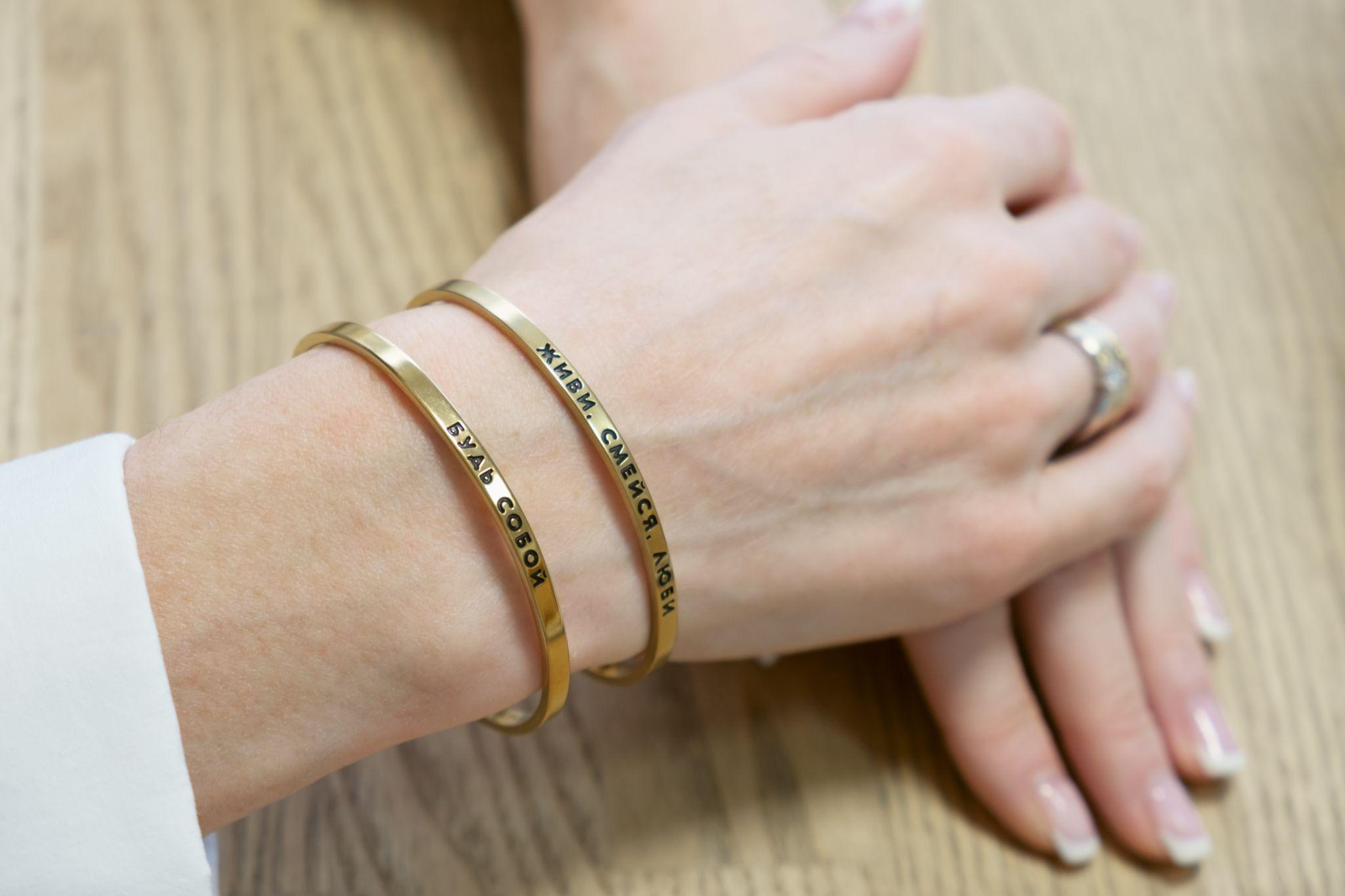
On most wrists, anything from about 1.0 to 2.0 mm reads as delicate. Fine cable, curb, box, and wheat links all fit that range, as do slim station styles with one small accent.
A quick karat primer helps. Karat measures gold content, so 18K is 75 percent gold and 14K is 58.5 percent gold. The added metals are called alloys, and they make gold harder or softer depending on the mix.
Texture is what keeps a stack from looking flat. The main families are smooth chains, faceted chains, flat chains, and open links like paperclip styles. A station, which is a small fixed detail on the chain, can also add interest without making the wrist look crowded.
Flat chains need extra care. Herringbone looks sleek and expensive, but it twists easily, kinks under pressure, and is harder to repair than rounder link styles.
Proportion also depends on the wrist itself. A 1.2 mm chain can look whisper-thin on a broad wrist and more noticeable on a narrow one, which is why fit and spacing matter as much as width.
Three Reasons Delicate Bracelets Work
Delicate bracelets stay relevant because they solve real styling problems better than heavier pieces.
They layer easily, wear comfortably, and adapt to more settings than trend-driven statement jewelry.
Quiet-Luxury Impact With Less Effort
Thin gold signals restraint. That matters in the quiet-luxury mood, where clean lines and subtle finish suggest taste without looking flashy. Even when bold jewelry comes back on runways, slim gold still anchors the everyday wrist.
Durability That Fits Real Life
Choosing 14K or 18K is really a lifestyle decision. I suggest 14K for people who sleep, commute, and work in their jewelry, and 18K for people who want a deeper gold tone and remove pieces more often. White gold deserves extra thought because nickel allergy affects more than 18 percent of people in North America, so nickel-containing alloys can irritate sensitive skin.
Day-to-Night Range
A two-piece base can handle most days. Add a slim chain and one station bracelet, then bring in a third piece, such as a pearl or bezel-set stone, for evening. A bezel is a smooth metal rim around a stone, and it stays flatter and safer under sleeves than raised settings.
Building a Signature Stack in Five Minutes
A strong stack follows a repeatable order, not a mood.
Use the same sequence each time, and the process gets faster within a week.
Step 1: Choose a Foundation Chain
Start with the bracelet you trust most. A 1.0 to 1.6 mm cable, curb, or wheat chain gives you a durable base and enough shine without taking over the wrist. Match the color to the outfit first, yellow with warm neutrals, white with navy or charcoal, and rose with cream, black, or soft brown.
Step 2: Add Texture Contrast
Next, add a second bracelet with different geometry. Pair a smooth box chain with a faceted rope, or put a slim open-link style beside a denser curb. Vogue has also noted that mixed metals can look polished when the overall balance is clear, so you do not need every bracelet to match exactly.
Step 3: Add a Focal Point
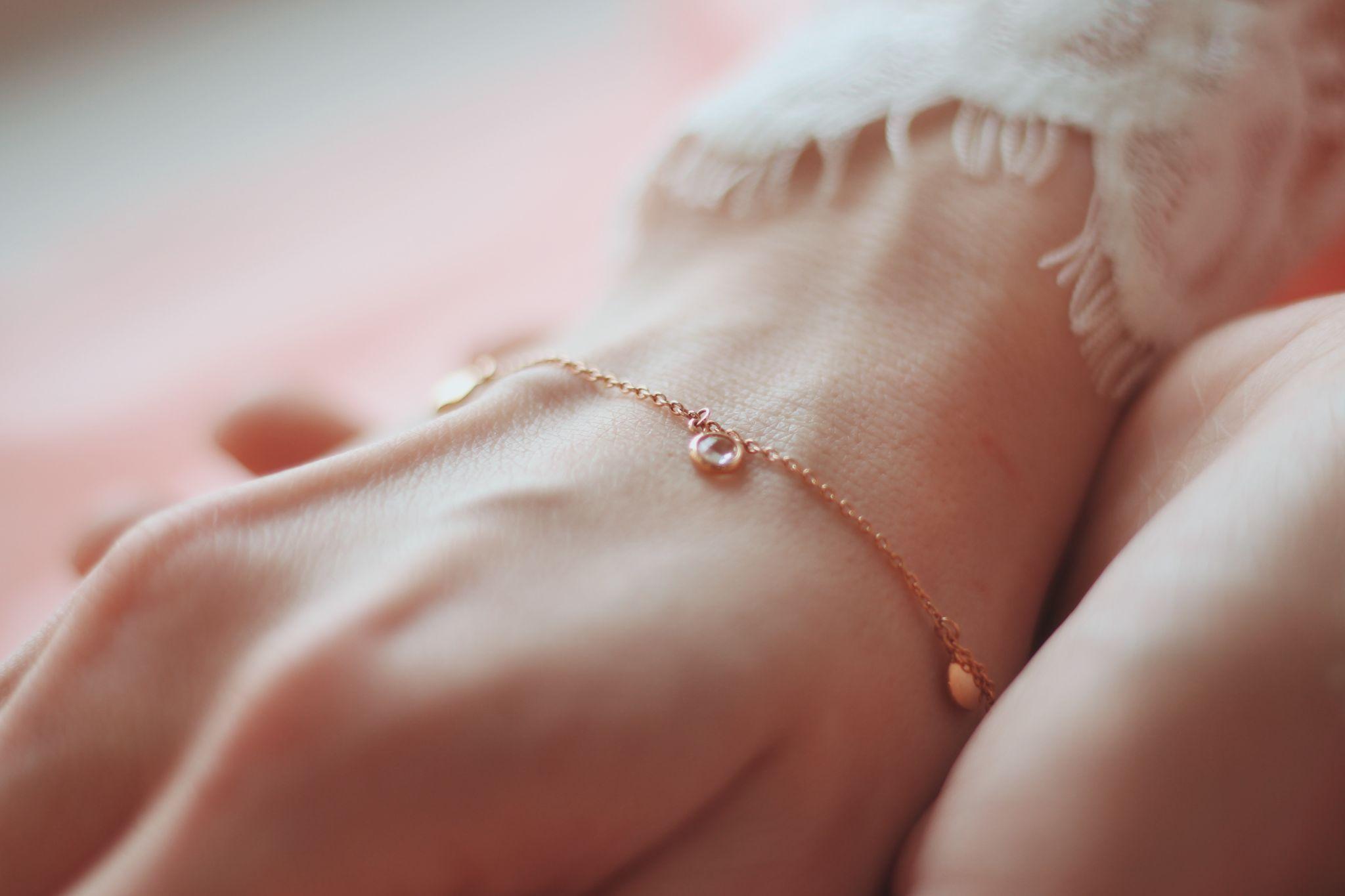
Now bring in one small accent. A single bezel diamond, a tiny bar, or a micro-charm creates a stopping point for the eye. Keep that piece flush and small, because the goal is everyday refinement, not a cocktail look.
Step 4: Check Spacing and Symmetry
Let the bracelets settle on the wrist and look at the gaps. Two to four millimeters of visual breathing room usually looks best. If the stack tangles, alternate open and dense links instead of placing two flat chains side by side.
Step 5: Plan the Clasp and Wear Context
Closures matter more than most buyers expect. Lobster clasps are usually easier to fasten and more secure than spring rings, especially on fine chains. If you are wearing heirloom pieces or a tennis bracelet, which has a continuous row of stones, add a safety chain and skip rough activities.
Use-Case Recipes You Can Copy
These formulas keep decision fatigue low and still leave room for personal style.
- Desk to dinner: a 1.2 mm curb chain, a slim diamond station, and a 1.5 mm rope in the same metal tone.
- Black tie: a micro tennis bracelet, a plain mirror-polished bangle, and a whisper-thin cable chain. Keep the total stack narrow so the wrist still looks clean.
- Travel: a welded permanent micro-chain, which is clasp-free and closed in store, plus a 1.4 mm wheat chain and a fabric cord for comfort.
If you do not like a busy wrist, stop at two pieces. A foundation chain and one contrasting texture can still look complete.
Pairing Bracelets With Watches, Metals, and Sleeves
Harmony matters more than perfect matching.
The best pairings respect material, scale, and how the wrist moves during the day.
Mix Metals With Intention
Use one metal as the lead and one as the accent. A 60 to 40 ratio works well, such as mostly yellow gold with one white-gold piece. If the combination feels abrupt, a two-tone link can bridge the colors and make the stack look planned instead of accidental.
Wear Bracelets With Watches Carefully
Watch-care experts usually advise keeping metal bracelets away from a polished watch case. The easiest solution is to wear your stack on the opposite wrist. If you want everything on one side, place a soft cord or the lightest chain closest to the watch and accept that surface scratches will happen over time.
Match the Stack to the Outfit
Close cuffs and blazers call for low-profile bracelets that sit flat. Wide sleeves, open necklines, and relaxed evening knits can handle one small charm or a brighter stone. If the outfit already has sharp shoulders, heavy prints, or bold earrings, keep the wrist quiet so each element has room.
Getting Fit, Sizing, and Care Right
Good fit and simple care are what make delicate jewelry look considered instead of careless.
Most bracelets fail visually because they are too tight, too loose, or too neglected.
Get the Fit Right
Measure just below the wrist bone with a soft tape or a strip of paper. Tiffany and Co. advises that link and chain bracelets should fit slightly loosely so they move with the wrist instead of gripping it. Adding about half an inch to one inch to your wrist measurement is a solid starting point.
Choose Secure Hardware
Every closure has a use. Spring rings are common, but they can be hard to handle on fine chains. Lobsters are easier for daily wear, while box or tongue clasps with a side safety work better for stone bracelets and other higher-value pieces.
Build a Simple Care Habit
Chlorine bleach and other harsh chemicals can pit or weaken gold alloys, so take bracelets off before pools, hot tubs, and heavy cleaning. Wipe each piece with a soft cloth after wear, especially in summer when sunscreen and sweat collect on the links.
Store bracelets separately so they do not rub against each other and create tiny surface scratches. If a clasp feels loose or a stone moves, have a jeweler check it before the problem gets worse.
Reading Trend Signals and Long-Term Value
Delicate gold bracelets are not just stylish, they also sit in a resilient part of the market.
Bain and Altagamma reported that in 2024 jewelry outperformed several luxury categories and helped drive accessories growth, even while new-watch sales declined. For 2025, the same firm projected jewelry growth of about four to six percent, even as the wider personal luxury market stayed flat to slightly down.
That matters for buyers and stylists because it shows steady demand, not a short spike. Clean design, repeat wear, and gifting appeal all support the category. Delicate stacks fit that demand because they look current without feeling disposable.
Gold bracelets
A pre-edited bracelet selection can save time when you want a stack that works right away.
That is especially useful for stylists building client capsules, boutique buyers narrowing a small assortment, or anyone who knows the look they want but does not want to test ten random chains. The best starting points focus on practical widths, secure clasps, and low-profile details that sit well under sleeves.
When you want a slim, stackable foundation without sorting through a crowded assortment, it helps to start with a narrow edit built around everyday widths, secure clasps, balanced spacing, and low-profile details that sit flush under sleeves, pair cleanly with tailoring, and still feel easy for repeat daily wear. A practical example is delicate gold bracelets from ENEA, a focused ENEA Studio curation of thin gold and diamond station pieces that sit flush under sleeves and make the first step of layering much easier without pushing the wrist toward anything heavy or overdone.
Creating a Five-Minute Wrist Routine
A simple routine keeps the stack consistent and prevents last-minute guesswork.
Run through this quick check in the morning, and the process becomes automatic.
- Choose the metal tone that fits the outfit palette.
- Add one contrasting texture chain.
- Add one small focal station or charm.
- Shake the wrist gently to check the drape.
- Confirm that each clasp is fully closed.
- Decide whether the watch belongs on the other wrist.
- Wipe and separate the pieces at the end of the day.
That is the whole system. It takes five minutes, and it keeps the wrist polished without overthinking it.
Answering Common Questions
Most bracelet problems come down to material, fit, or wear habits.
Can I Shower or Swim in 14K or 18K Gold Bracelets?
Fresh water is less of a concern than chemicals. Chlorine and bleach can weaken gold alloys over time, so remove bracelets before pools, hot tubs, and cleaning sessions. After workouts, rinse off sweat and dry the chain well.
How Many Bracelets Work for Everyday Wear?
Three is usually the sweet spot. Start with a base, add texture, then add one focal piece. A fourth can work if every bracelet is slim and sits flat.
What Widths Count as Delicate?
Most wrists read 1.0 to 2.0 mm as delicate. Once you get past about 2.5 mm, the bracelet usually shifts into a medium look unless the rest of the stack is extremely fine.
What If I Have Metal Sensitivities?
Nickel is the main concern. Yellow gold and rose gold are often easier choices, and white gold should ideally be nickel-free if you are sensitive. White gold is usually finished with rhodium, a bright white coating, and heavy wear may require replating every twelve to eighteen months.
How Do I Prevent Tangling?
Alternate open links and dense links, and avoid stacking two flat chains together. Slightly different lengths, looser drape, and a safety chain on valuable pieces also reduce wrapping and twisting.
Can I Wear Bracelets With My Watch?
Yes, but the safest move is the opposite wrist. If you wear them together, place the lightest or softest piece closest to the watch and expect light surface wear over time.
Are Permanent Welded Bracelets Safe?
They can be, when they are done by a trained jeweler on a fine, lightweight chain. They are convenient for daily wear, but they still need common sense, which means avoiding snag-prone activities and harsh chemicals.