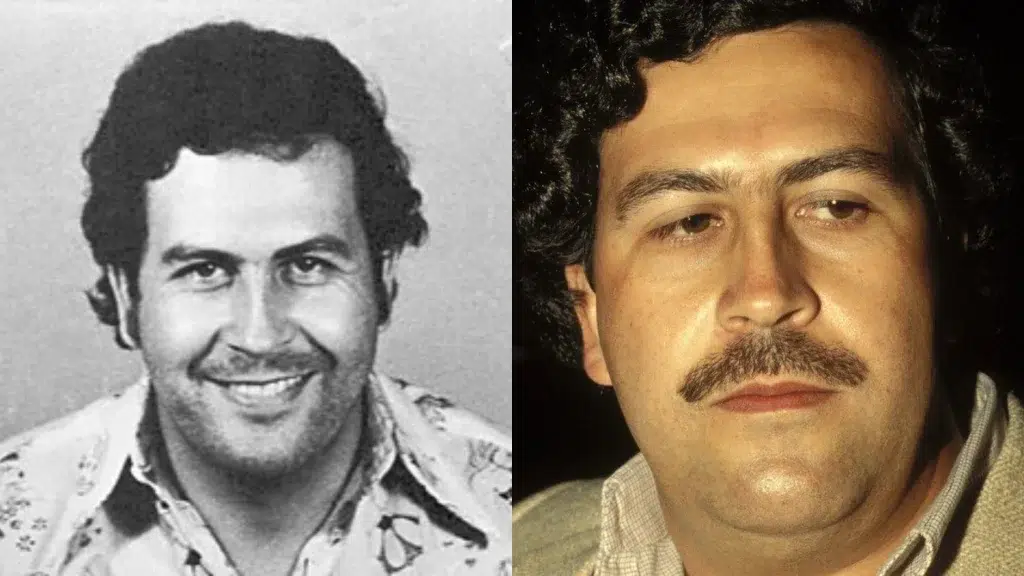
December 2, 1993. One gunshot that ended it all.
For years, Pablo Escobar ran Colombia as his own. He bribed politicians, paid off police, and built a drug empire worth billions. The whole world watched and wondered when it would stop.
Then it just did.
Pablo Escobar’s death wasn’t just the fall of one man. It was the collapse of a machine that had terrorized an entire nation.
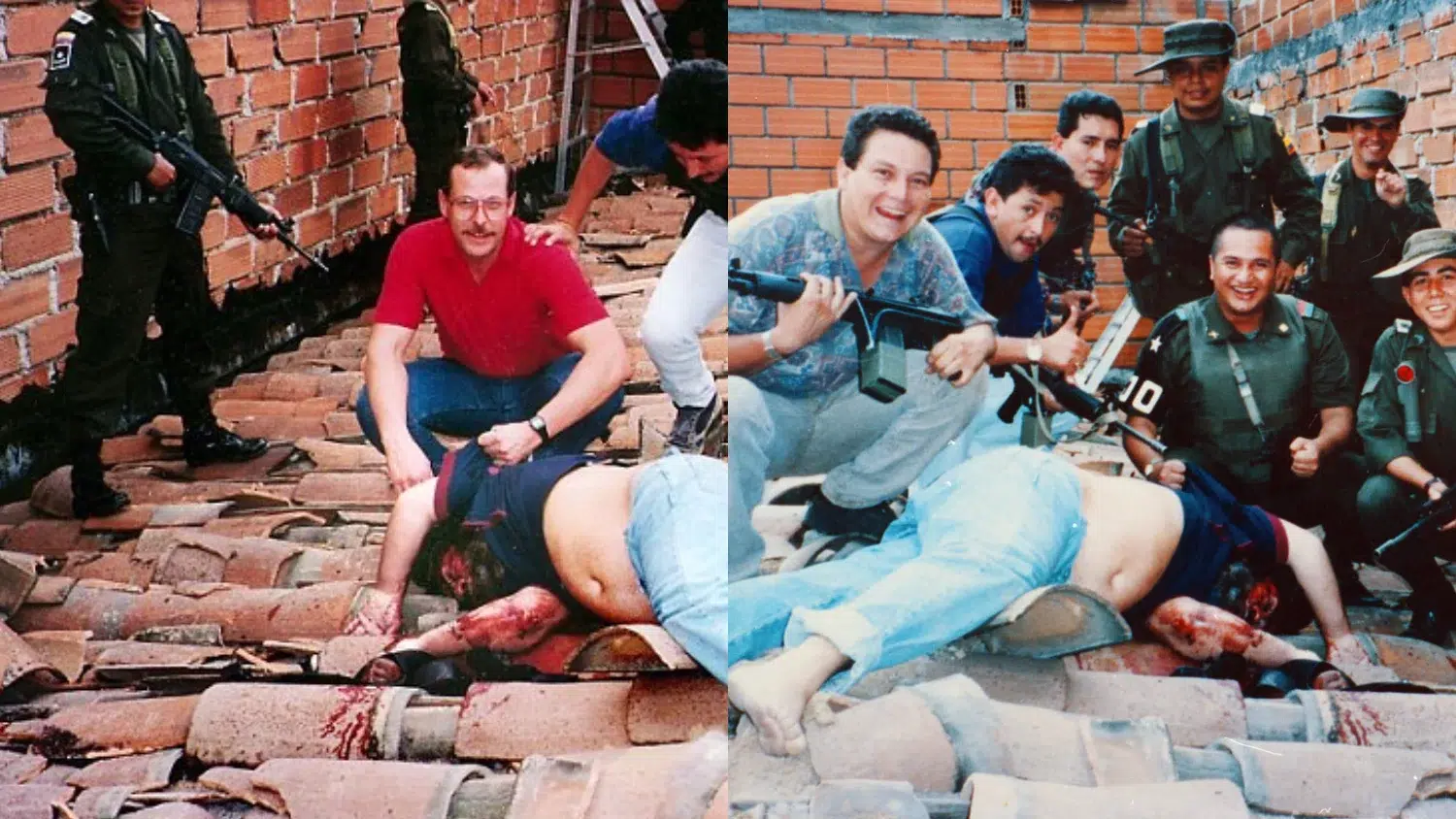
The image of Pablo Escobar dead on the roof spread across every news channel within hours.
But how did the most wanted man on the planet finally get caught? And what really happened on that rooftop in Medellín?
Keep reading. The story is wilder than you think.
Who Was Pablo Escobar? The Making of a Cartel Legend
Pablo Escobar grew up poor in Rionegro, Colombia.
From a young age, he wanted money and power. So he set out to find the fastest way to get both.
He started small. Stolen cars. Small-time smuggling. But Escobar had bigger plans. By the late 1970s, he had built the Medellín Cartel and was shipping cocaine into the United States by the ton.
At his peak, he controlled 80% of the world’s cocaine supply. He was making $420 million a week. Forbes listed him as one of the richest men alive.
But Escobar wasn’t just a criminal. He built homes for the poor and called himself a man of the people.
That made him dangerous in ways money alone never could.
The Fall Begins – From La Catedral to 16 Months on the Run
Escobar’s decline began with what seemed like a strategic surrender.
In 1991, he agreed to serve a sentence at La Catedral, a custom-built facility that functioned more like a private estate than a prison.
From there, he continued to run operations with little interference.
That illusion of control collapsed in 1992 when authorities attempted to transfer him to a real prison. Escobar escaped, triggering one of the most intense manhunts Colombia had ever seen.
For 16 months, he hid. He moved constantly, slept in safe houses, and kept a low profile. But the net was closing in fast.
And he knew it.
His network weakened, allies turned into threats, and rival groups closed in.
The empire that once felt untouchable was now shrinking rapidly, forcing him into constant movement and isolation.
Pablo Escobar Death – The Bloody Rooftop Shootout Explained
This was the moment Colombia had waited years for.
On December 2, 1993, the hunt for Pablo Escobar finally ended in blood, bullets, and a rooftop in Medellín.
The Phone Call That Gave Him Away
Escobar made one fatal mistake during those 16 months on the run. He kept calling his family. Colombian intelligence and the Search Bloc had been tracking those calls.
On December 2, they locked onto his location in a middle-class neighborhood called Los Olivos.
The call lasted just long enough. They had him.
The Raid Begins
Security forces moved fast. They surrounded a two-story house on Calle 79. Escobar and his bodyguard, Álvaro de Jesús Agudelo, known as El Limón, were inside.
The Search Bloc stormed the building. Gunfire broke out almost immediately.
The Rooftop Escape Attempt
Escobar and El Limón tried to escape through a window onto the terracotta roof. They moved fast, ducking low, trying to reach a nearby wooded area.
El Limón was shot and killed first. Escobar kept moving. But he didn’t get far.
The Wounds That Ended it
Agents caught up with him on the roof. Escobar took a bullet to the leg. Then one to the upper back and torso.
The final shot struck him behind the right ear. That was the one that killed him. He was barefoot, wearing jeans and a T-shirt.
A Sig Sauer pistol lay nearby.
The Photo That Defined a Victory
Within minutes, Search Bloc agents gathered around the body. They posed for photos, grinning over the man who had terrorized Colombia for over a decade.
Those images spread worldwide within hours. For many Colombians, it was proof. The nightmare was finally over.
Who Killed Pablo Escobar? Official Story vs. Explosive Theories
This is where things get interesting.
The official story says Search Bloc agents shot Escobar during the rooftop chase. But not everyone bought that version.
Several theories have circulated for decades, and they refuse to go away.
The Official Story
Colombian security forces shot Escobar as he tried to escape across the rooftop. The fatal shot hit him behind the right ear. Government officials called it a clean kill during an active gunfight.
The Theories That Followed
- His brother, Roberto Escobar, claimed Pablo shot himself to avoid capture.
- Some believe the Cali Cartel paid someone inside to finish the job.
- Others point to American involvement, suggesting US forces took the final shot.
None of these theories has been proven. But none have fully disappeared either.
Immediate Aftermath – A Nation Divided in Mourning and Celebration
When Pablo Escobar fell, Colombia didn’t know whether to cry or celebrate. And honestly, both happened at the same time.
Search Bloc agents lowered Escobar’s body from the rooftop. DEA agent Steve Murphy was there and documented everything with his camera.
Those photos became some of the most circulated images of the entire hunt.
More than 25,000 people showed up to his funeral at Monte Sacro Cemetery in Medellín. Many were poor residents from neighborhoods Escobar had once funded.
He built houses for them. He handed out cash. To them, he wasn’t a monster. They wept openly in the streets.
Not everyone was grieving. The Cali Cartel reportedly toasted his death. Colombian President César Gaviria addressed the nation firmly. No criminal organization can defeat the nation, he said.
Escobar’s son, Sebastián Marroquín, initially vowed revenge. But years later, he publicly apologized to his father’s victims. Few saw that coming from a drug lord’s son.
The Final Curtain
Pablo Escobar’s death was not just the end of a man, but the collapse of an era defined by unchecked power and lasting consequences.
Even decades later, his story continues to echo through Colombia and beyond.
It remains a tale of ambition taken to extremes, of influence built on both loyalty and fear, and of a final moment where power could no longer protect him.
In the end, the rooftop in Medellín became the place where it all stopped abruptly, violently, and without escape.
Frequently Asked Questions
1. How Long Did the Manhunt for Pablo Escobar Last?
The final manhunt lasted about 16 months after his escape from La Catedral in 1992. During this time, Colombian forces, along with international support, worked continuously to track his movements.
2. What Was the Search Bloc that Hunted Escobar?
The Search Bloc was a special unit of the Colombian National Police created specifically to capture or eliminate Pablo Escobar. It worked closely with intelligence agencies and played a central role in locating him.
3. Where is Pablo Escobar Buried?
Pablo Escobar was buried at Montesacro Cemetery in Medellín, Colombia. His grave still attracts visitors, including curious tourists and people interested in his history.
4. Did Pablo Escobar Ever Try to Negotiate Before His Death?
Yes, Escobar had previously attempted to negotiate with the Colombian government, including offers to surrender under certain conditions. However, by the time of his final days, those options were no longer on the table.