Why do some NBA YoungBoy album covers feel instantly recognizable, even before the project title becomes clear?
YoungBoy’s artwork has changed a lot over the years, moving from dark portraits and Baton Rouge references to family scenes, vivid illustrations and bold symbolic images.
His artwork has also changed alongside his sound, creating recognizable styles that fans connect with specific projects.
This blog brings together NBA YoungBoy album covers in release order, including major studio albums and popular mixtapes.
Keep reading to see how each cover reflects a different era of NBA YoungBoy’s music and visual identity.
NBA YoungBoy Album Cover Collection
NBA YoungBoy’s album covers show his visual evolution through portraits, symbols, and bold artwork, reflecting his artistic growth. His career success also connects to NBA YoungBoy’s income and net worth.
| Album | Release year | Main visual style |
|---|---|---|
| Until Death Call My Name | 2018 | Dark portrait photography |
| Top | 2020 | Black-and-white portrait with red lettering |
| Sincerely, Kentrell | 2021 | Close portrait with butterfly details |
| The Last Slimeto | 2022 | Painted family scene |
| I Rest My Case | 2023 | Bright and crowded illustration |
| Don’t Try This at Home | 2023 | Aerial image of a Baton Rouge building |
| I Just Got a Lot on My Shoulders | 2024 | Full-body portrait with a red background |
| MASA | 2025 | American flag and green ski mask |
NBA YoungBoy Studio Album Covers
NBA YoungBoy’s studio album covers reflect different stages of his career, personal life, and musical identity. Each artwork connects with the album’s central themes, from ambition and emotional pressure to family, experimentation, and cultural influence.
Until Death Call My Name
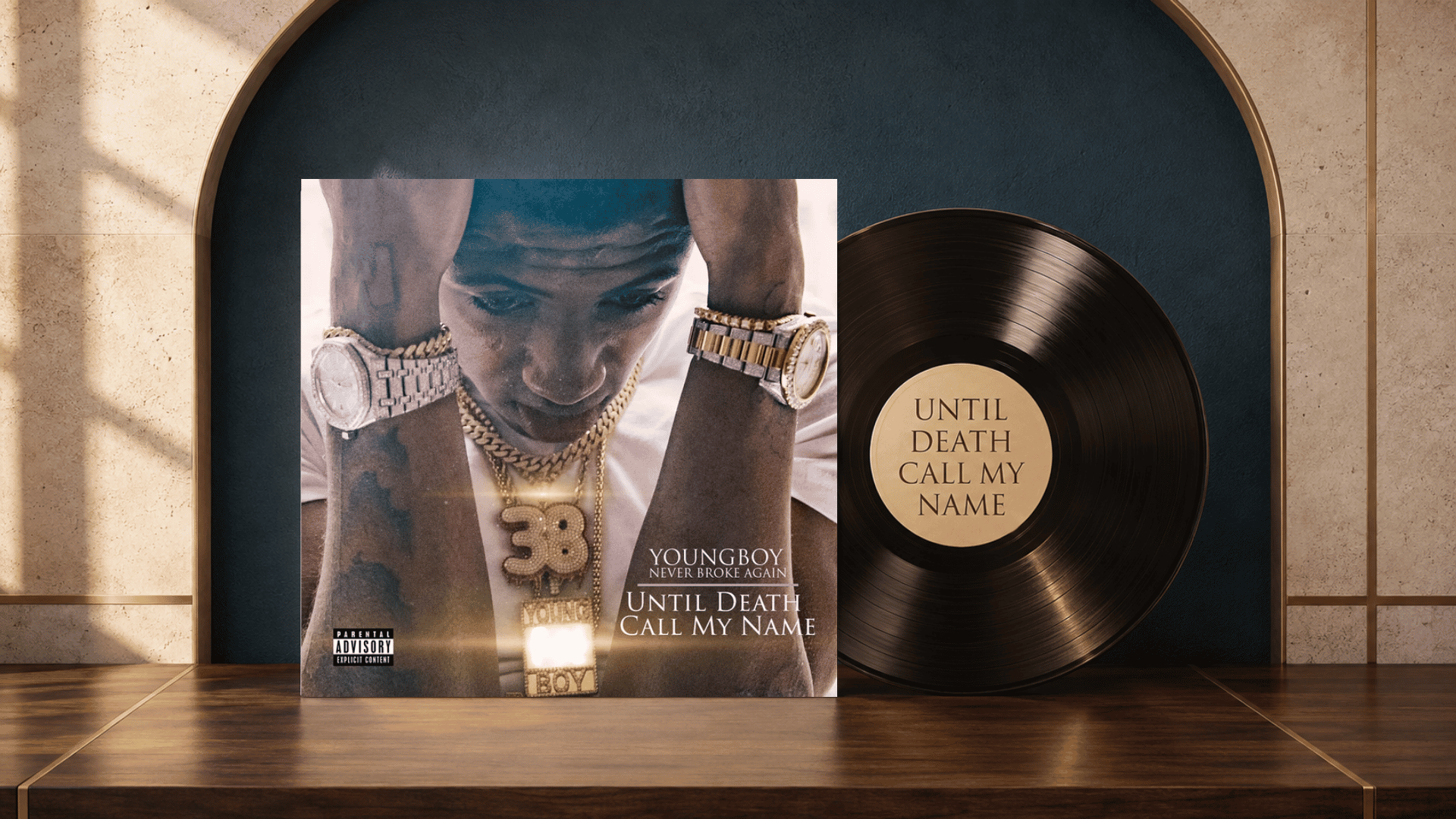
Released in 2018, Until Death Call My Name introduced YoungBoy’s studio-album identity through themes of mortality, ambition and personal struggle.
The cover supports the album’s serious tone and presents YoungBoy without separating the artist from the conflicts discussed in his music.
Its central idea is directness, establishing the project as a personal statement from a rapper entering a larger stage of his career.
Top
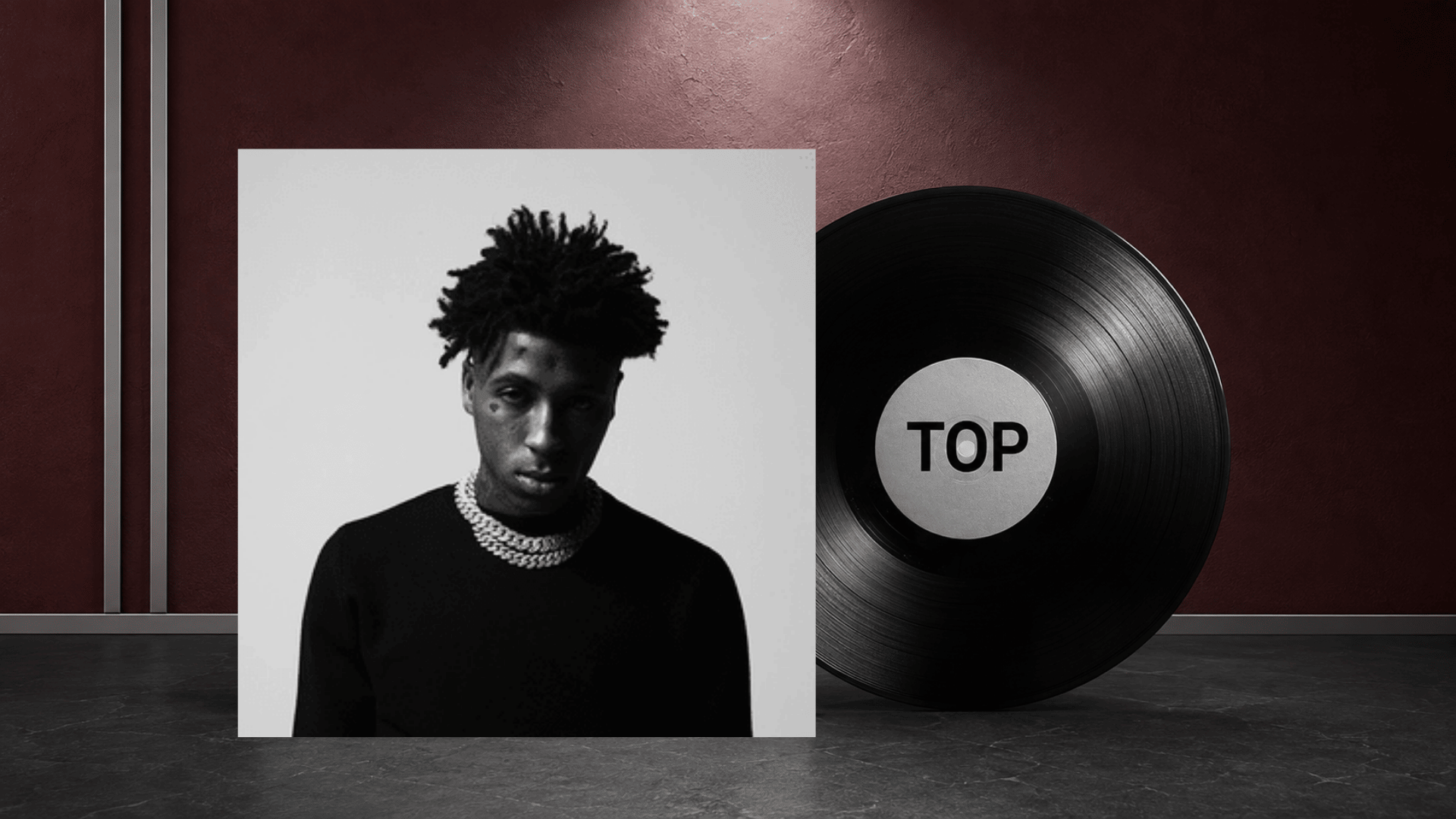
Released in September 2020, Top presents YoungBoy as an established figure rather than an emerging artist.
The title refers to status, authority and his position within rap. The cover reinforces that confidence by keeping its message focused on YoungBoy himself.
Its simplicity suggests that his name and presence had become strong enough to carry an album without a complicated visual concept.
Sincerely, Kentrell
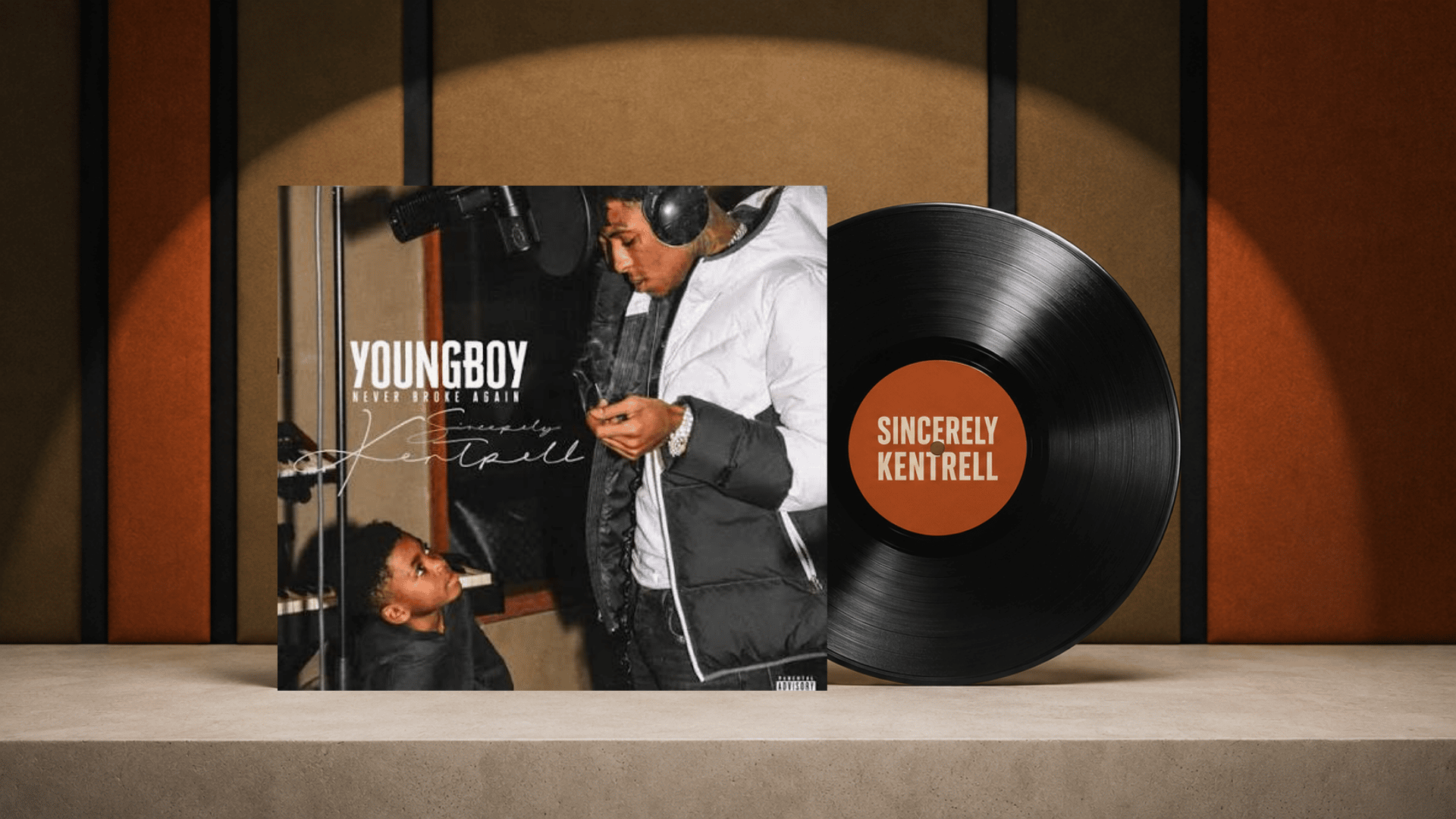
Released in 2021, Sincerely, Kentrell treats the album like a personal letter from YoungBoy, whose birth name is Kentrell Gaulden.
The cover’s intimate concept supports the title and frames the music as a direct expression of isolation, loyalty, emotional pressure, and personal conflict.
Using his real name connects the project to the person behind the public identity.
The Last Slimeto
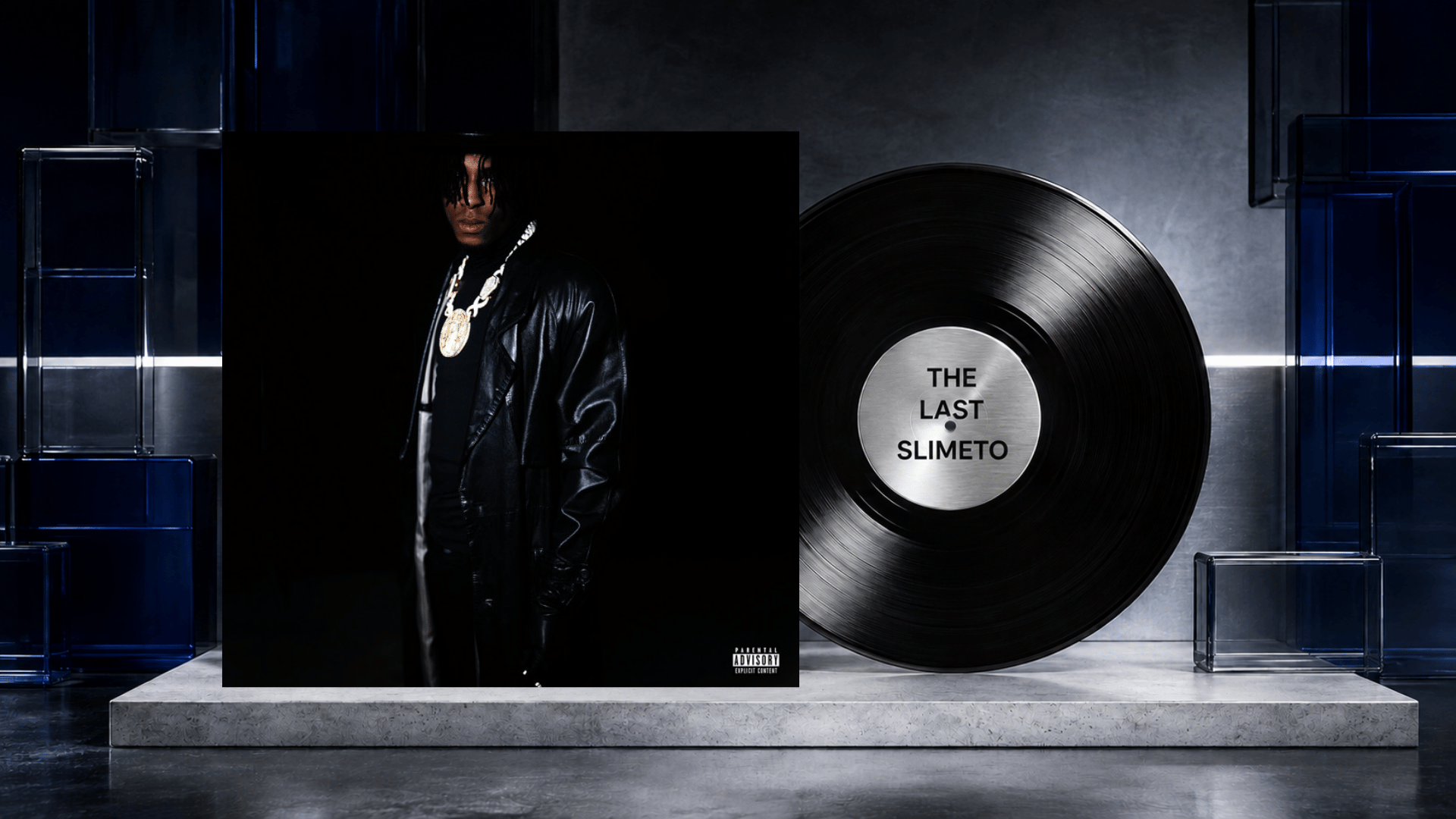
Released in 2022, The Last Slimeto centers on YoungBoy’s roles as a father, provider, artist and public figure.
The family-focused artwork connects his success with responsibility and personal pressure. Rather than presenting fame as an individual achievement, the cover places YoungBoy within a larger family story.
Religious references also introduce ideas surrounding judgment, protection, sacrifice and redemption.
I Rest My Case
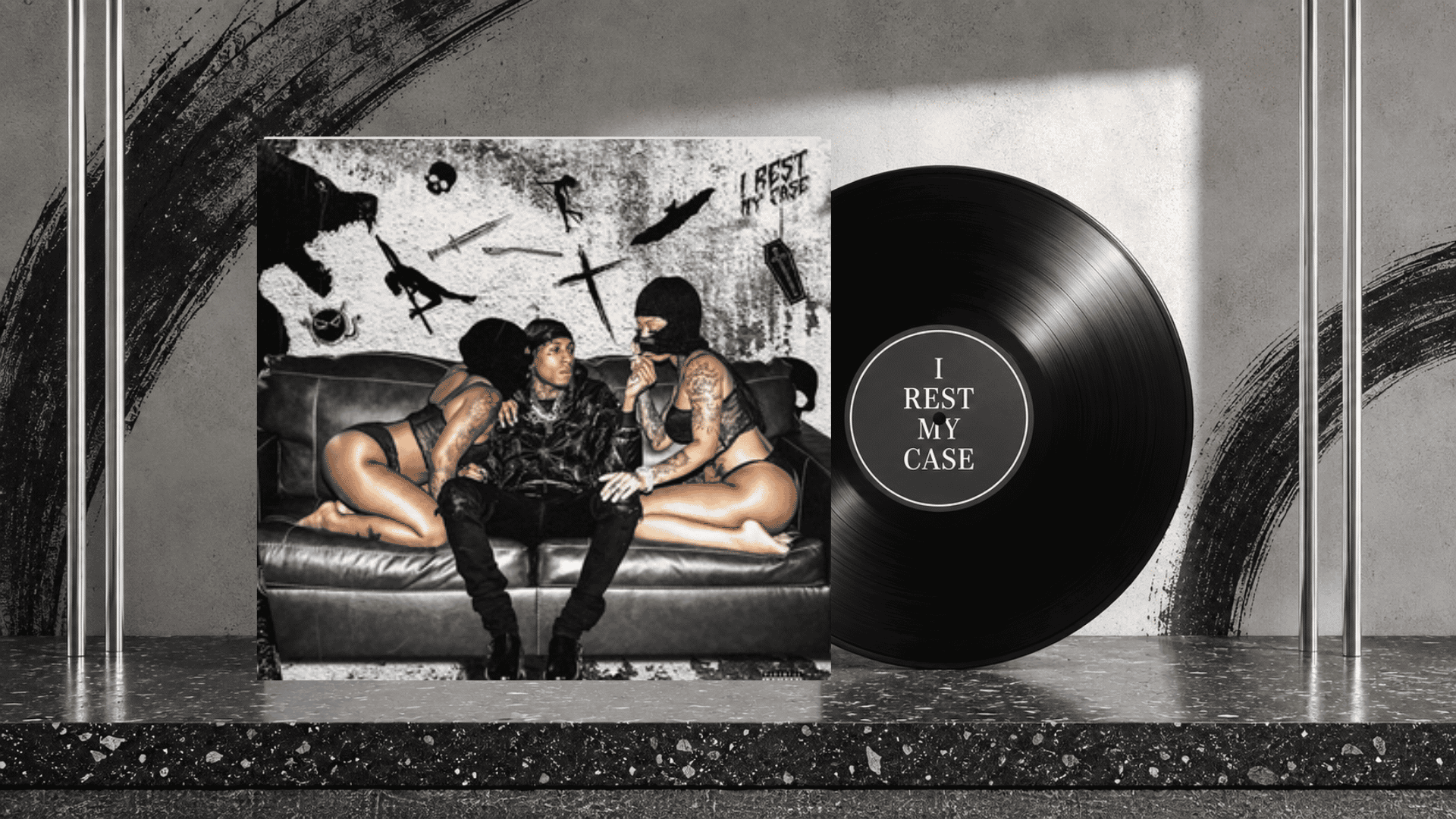
Released in January 2023, I Rest My Case represents a period of musical experimentation and creative freedom.
The cover rejects the controlled tone of several earlier releases and supports the album’s unpredictable production and vocal choices.
Its central idea is artistic disruption, presenting YoungBoy as someone willing to move away from familiar expectations and defend that change through the music itself.
Don’t Try This at Home
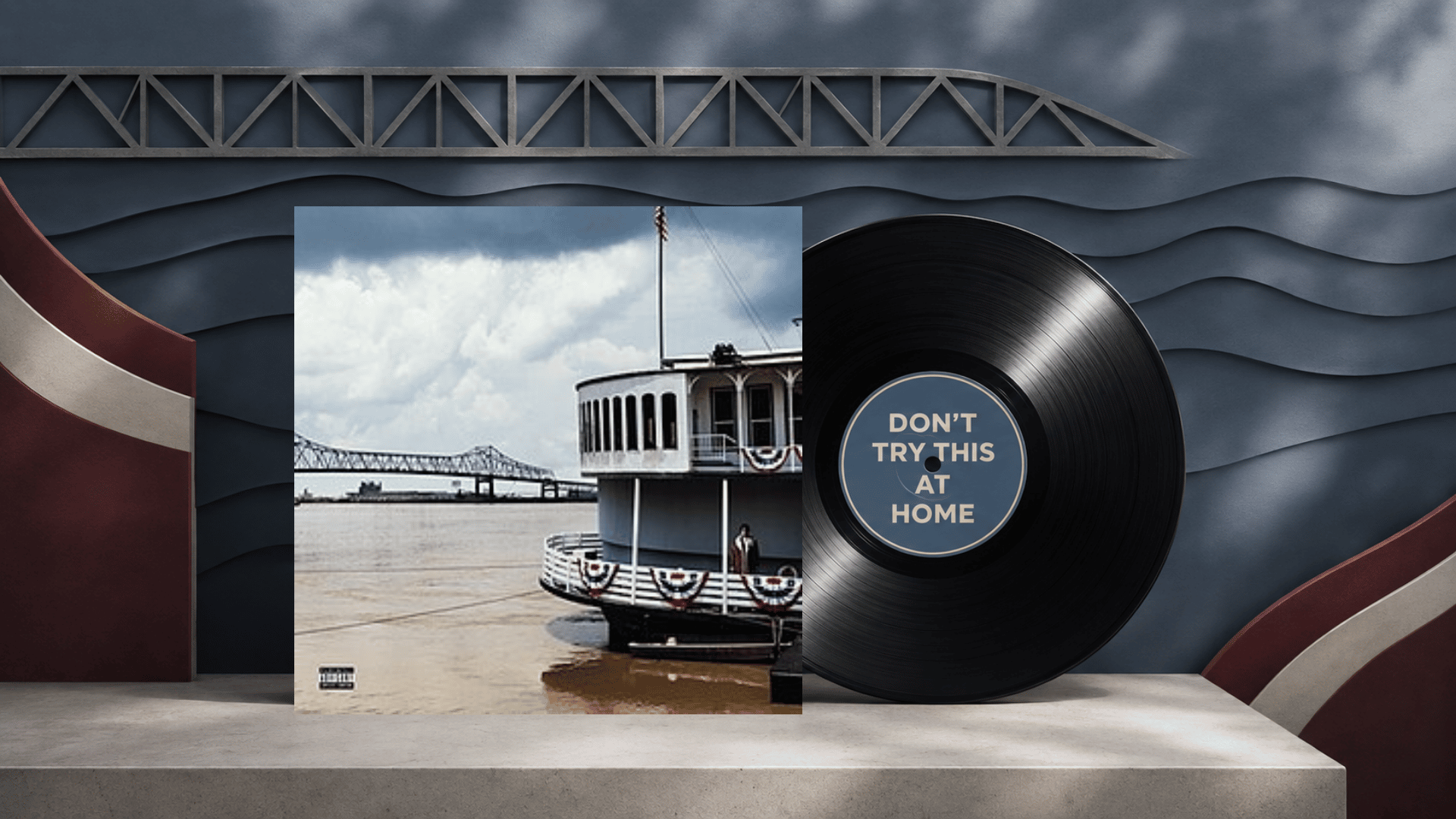
Released in 2023, Don’t Try This at Home connects the project to Baton Rouge and YoungBoy’s Louisiana background.
The use of a recognizable local landmark allows place to represent identity. YoungBoy’s absence from the artwork shifts attention from celebrity toward origin, community, and regional influence.
The title also warns that his experiences and choices should not be copied or separated from their circumstances.
I Just Got a Lot on My Shoulders
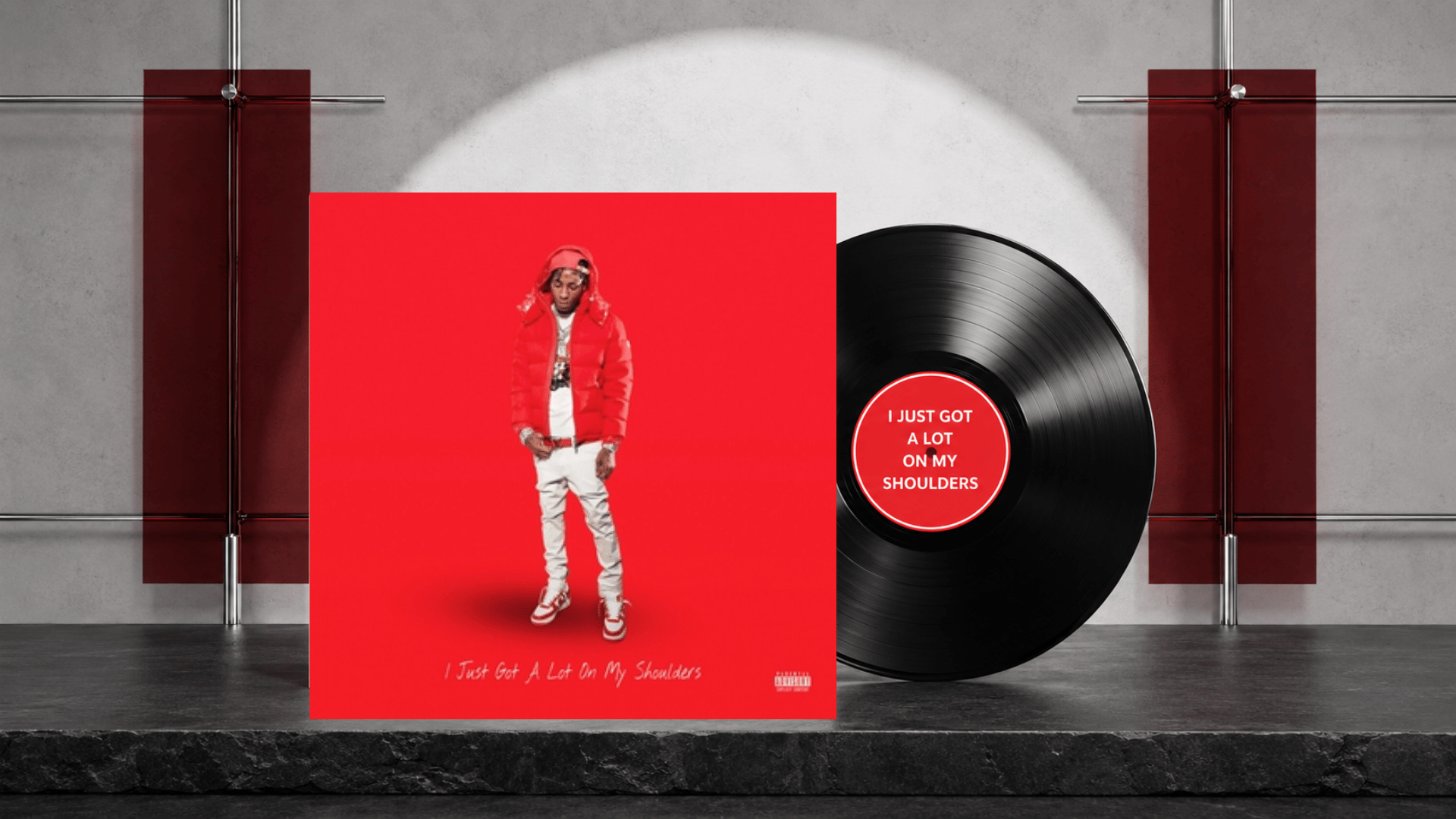
Released in 2024, I Just Got a Lot on My Shoulders explores the weight of fame, responsibility, expectations, and personal problems.
The cover presents YoungBoy with control and composure, contrasting with the burden expressed in the title.
Its main idea is contained pressure: the image suggests confidence on the surface while the album title points toward the emotional and professional strain beneath it.
MASA
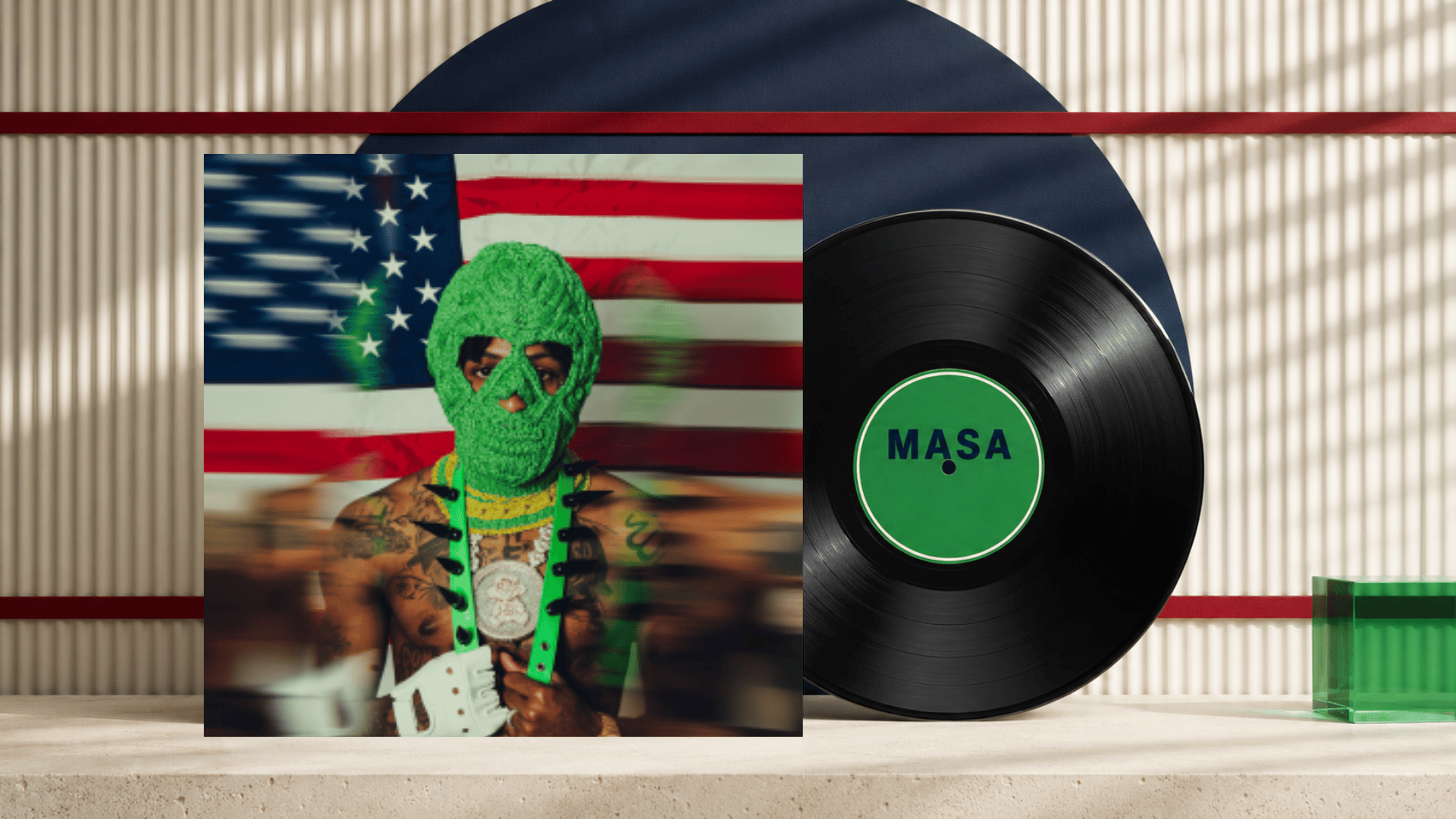
Released in July 2025, MASA , short for Make America Slime Again , connects YoungBoy’s slime identity with American political symbolism.
The cover turns the album title into a statement about influence, power and cultural presence. National imagery expands his personal branding into something larger, while the mask maintains the identity associated with his music.
The concept presents YoungBoy as both an individual artist and the central figure of his own movement.
Popular NBA YoungBoy Mixtape Covers
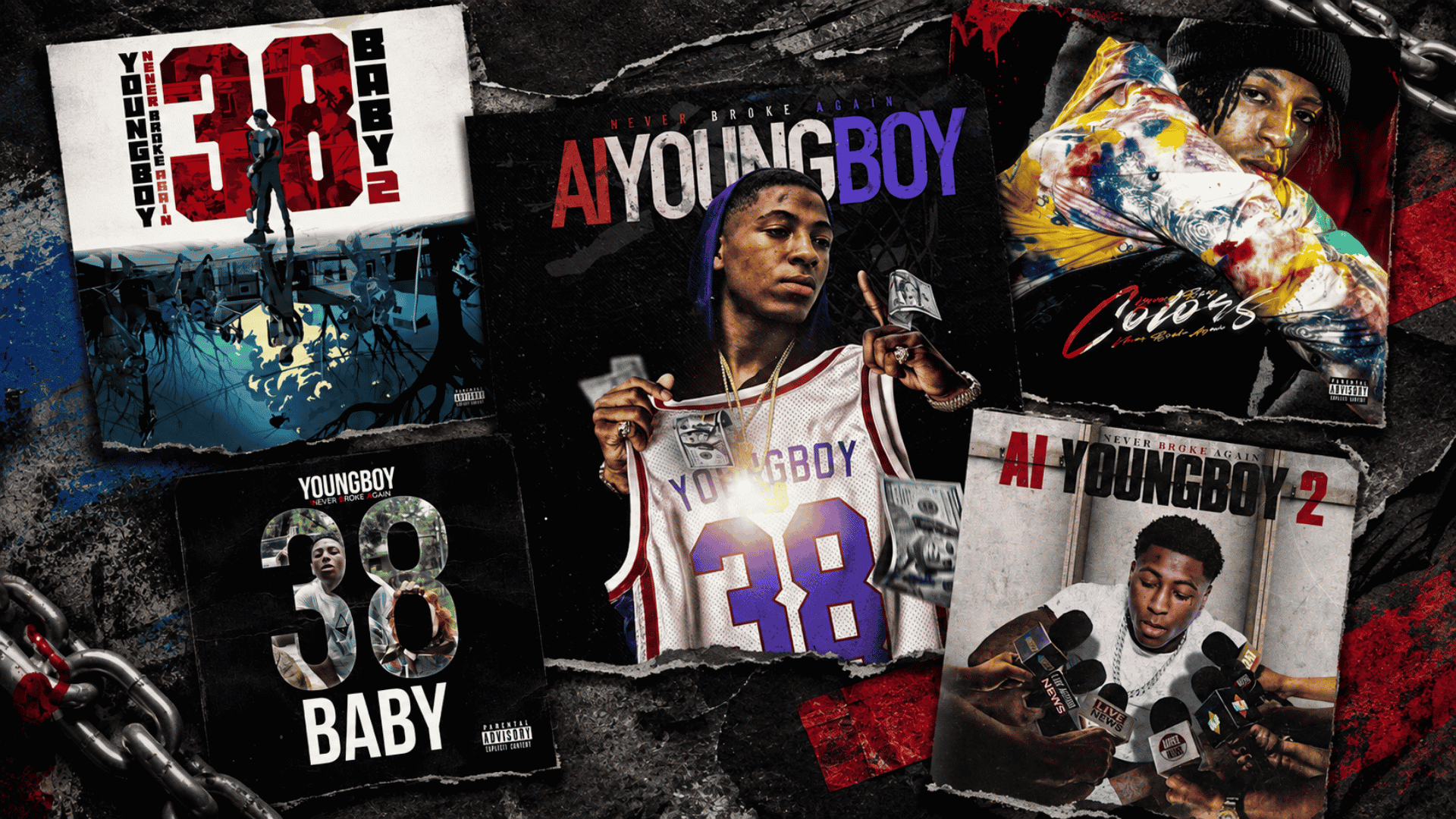
Studio albums form only one part of YoungBoy’s release history. His mixtapes introduced visual themes that later became closely linked with his music and public image.
Released in 2016, 38 Baby introduced YoungBoy’s Baton Rouge roots through songs about survival, loyalty, street conflict and the personal struggles shaping his early identity.
Released in 2017, AI YoungBoy combined aggressive street records with personal accounts of pain, relationships, ambition and instability as he rose beyond Louisiana into national recognition.
Released in 2019, AI YoungBoy 2 explored fame, distrust, heartbreak, violence and pressure while balancing forceful performances with the vulnerable songwriting that shaped YoungBoy’s wider commercial appeal.
Released in 2020, 38 Baby 2 revisited the first mixtape’s themes of loyalty, family, street pressure and emotional conflict from a position of greater fame and responsibility.
Released in 2022, Colors displayed YoungBoy’s musical range by moving between aggression, confidence, pain and reflection while keeping his personal experiences at the center.
Common Themes Across YB Album Covers
Although each release uses a different design, several ideas appear repeatedly across NBA YoungBoy album covers.
- Direct Portraits: YoungBoy often remains the central subject, linking the music closely with his image.
- Red Details: Red appears in titles, clothing, backgrounds, and other design elements.
- Family Scenes: Children and family portraits appear on projects such as 38 Baby 2 and The Last Slimeto .
- Baton Rouge Settings: Buildings and neighborhood images connect some releases with his Louisiana background.
- Strong Contrasts: Dark portraits sit beside bright paintings and illustrations, giving each release period a separate look.
Final Thoughts
NBA YoungBoy’s album covers show clear changes in photography, color, setting and personal themes.
Readers can now identify his main studio artwork, recognize major mixtape covers, and understand the visual ideas repeated across his catalog.
These details make it easier to locate the correct NBA YB album cover for each release. With the major YB album covers arranged in order, fans have a clear reference for his visual history.
The artwork also reflects different moments in YoungBoy’s career, showing how his public image and musical direction have developed over time.
Which NBA YoungBoy album cover stands out most? Share your opinion in the comments.
Frequently Asked Questions
Who Designs NBA YoungBoy’s Album Covers?
Design credits vary by release. Fans can check physical album booklets, vinyl sleeves, label credits, or official digital metadata for confirmed names.
Do All NBA YoungBoy Albums Have Physical Editions?
No. Some projects receive vinyl or CD editions, while others remain digital releases or become available physically through limited pressings.
What Does The Parental Advisory Label Mean on His Covers?
The label indicates that a release contains explicit language or mature themes. Its placement may differ across digital and physical editions.