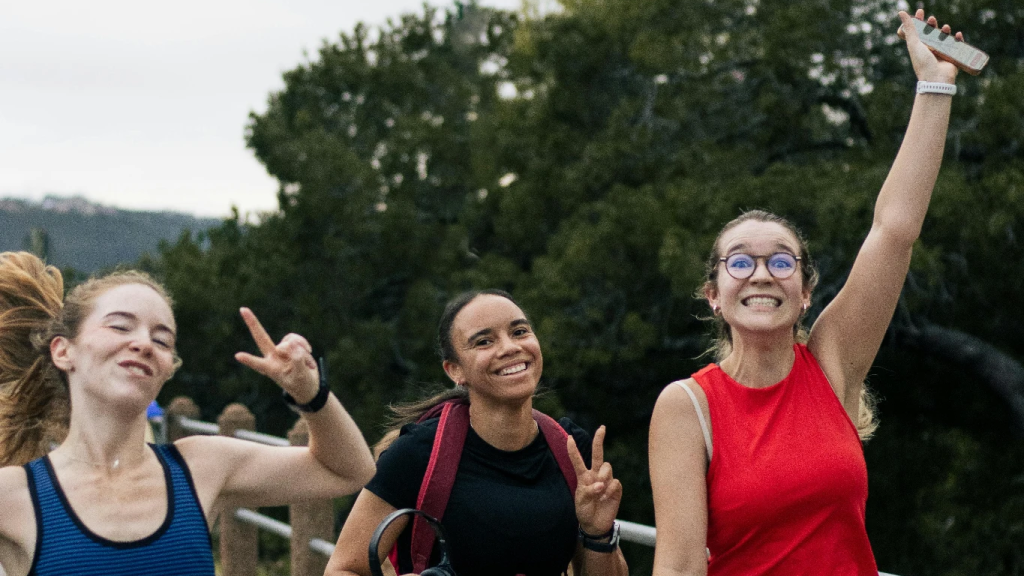
Walking into a gym or showing up to a running group might feel like a purely physical endeavor. Yet somewhere between the warm-up and the cool-down, something else happens. Conversations spark. Nods of recognition become friendships. The person who spots you on a heavy lift or always leads the pack during a group run transforms into someone you grab coffee with afterward.
Training, it turns out, reshapes far more than muscle and endurance. It quietly reconstructs the social architecture of daily life.
The Shared Struggle Creates Unexpected Bonds
There’s something about collective effort that accelerates connection. When two strangers push through a difficult workout together, they bypass weeks of small talk. The vulnerability of exertion strips away pretense. You’ve seen each other struggle, breathe hard, and keep going anyway.
A Saturday morning cycling group becomes a tight-knit crew by month three. CrossFit boxes develop their own internal cultures and inside jokes. Even solo pursuits like swimming laps attract regulars who recognize each other’s schedules and eventually learn each other’s names.
These bonds form not despite the discomfort of training, but because of it.
Your Schedule Becomes a Social Scaffold
Committing to a training routine restructures time in ways that ripple outward. The 6 AM workout crowd becomes a consistent presence. The Tuesday evening climbing session fills the same slot week after week.
This regularity creates what sociologists call “repeated unplanned interaction” — the kind of recurring contact that naturally builds familiarity and trust. Unlike planned social events that require coordination and effort, training schedules build socialization into the fabric of daily life.
For people who struggle to maintain friendships amid busy careers or family obligations, this accidental social structure proves valuable. The workout itself becomes the excuse to connect. No calendar negotiation required.
Some people find that their training community gradually replaces other social outlets. The post-workout gathering at a juice bar takes the place of happy hour. Recovery days include group hikes instead of brunches. The social calendar reorganizes around physical activity.
Identity Shifts Attract New Circles
When someone adopts a consistent training practice, their sense of self often shifts alongside it. The person who never considered themselves athletic slowly starts identifying as a runner, a lifter, a cyclist.
This identity evolution opens doors to entirely new social worlds. Suddenly there’s a reason to attend local races, join online communities, or strike up conversations with strangers wearing the same brand of trail shoes.
Many people preparing their meals for training days reach for convenient options likehigh protein yogurt as part of their routine. These small daily habits become shared language, common ground for connection with others navigating similar choices.
The transformation extends beyond athletic identity. Confidence gained through physical accomplishment often translates to social confidence. The person who conquered a first 5K or finally nailed a challenging yoga pose carries that sense of capability into conversations, networking events, and new relationships.
Finding Your People Through Movement

Different training modalities attract different personalities, creating natural sorting mechanisms for compatibility. The competitive intensity of certain sports appeals to driven personalities. The meditative flow of others draws introspective types.
Someone who never quite fit into traditional social scenes might discover their people at a bouldering gym or a martial arts dojo. The shared interest provides instant common ground, while the specific culture of that training environment attracts like-minded individuals.
This self-selection process explains why training friendships often feel unusually deep. The activity itself serves as a filter, bringing together people who share values around discipline, self-improvement, or particular definitions of enjoyment.
The Accountability Partnership Phenomenon
Training relationships frequently evolve into accountability structures. The friend who expects you at the track creates gentle social pressure to show up. The climbing partner counting on your belay skills ensures you don’t skip the session.
These accountability dynamics strengthen both the training habit and the relationship. Letting down a workout partner feels worse than letting yourself down. The social contract adds weight to personal commitments.
Research on exercise adherence consistently shows that social support dramatically improves consistency. But the relationship runs in both directions — the consistency itself deepens the social support. Missing a regular session means missing the people who populate it.
The Unexpected Social Curriculum
Beyond direct friendships, regular training teaches social skills that transfer elsewhere. Accepting coaching requires humility. Encouraging struggling partners builds empathy. Celebrating others’ achievements practices generosity.
The gym mirrors life in condensed form. There are setbacks and victories, boring maintenance periods and exciting breakthroughs. Navigating these alongside others provides rehearsal for navigating similar terrain in relationships, careers, and community involvement.
Some of the most profound personal growth happens not during the workout itself, but in the moments between sets, in the locker room conversations, in the car ride home with a training partner.
The physical changes that draw most people to train remain valuable. But the social reconstruction often proves equally transformative — and considerably more surprising.