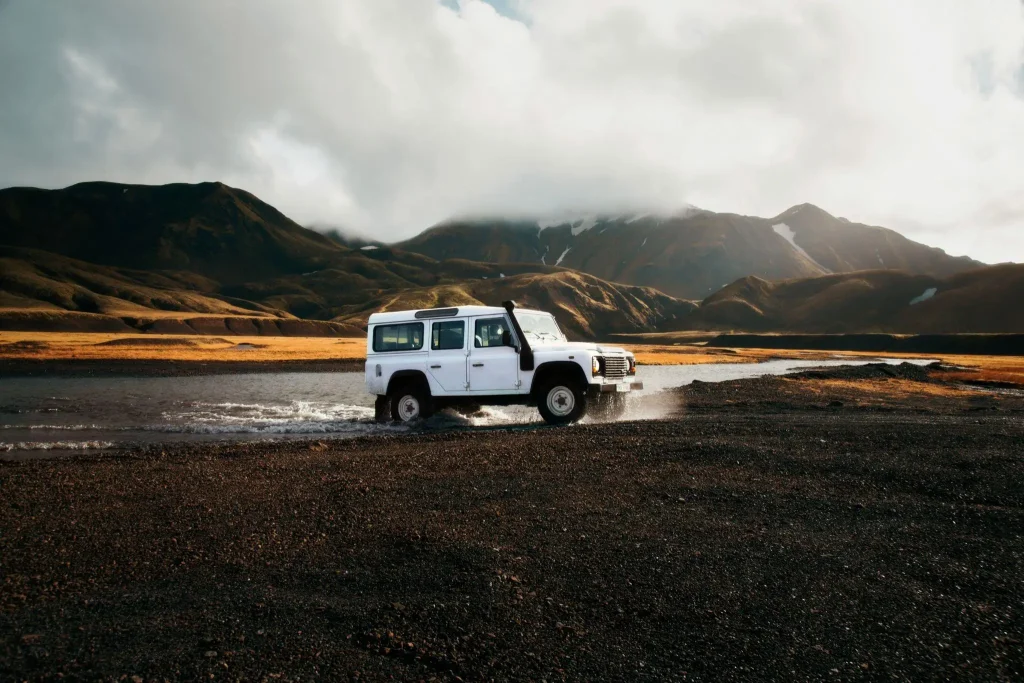
Planning a road trip around New Zealand starts with choosing the right rental company, since the car you pick shapes everything from your daily budget to how comfortably you can reach remote corners of both islands. Mode Rentals is one of the operators worth adding to your shortlist, offering a fleet built around the kind of long distance driving that a proper Kiwi road trip demands, along with straightforward pricing and pickup options that suit visitors flying into either island. Whether you are chasing glaciers on the West Coast or beaches in the Bay of Islands, comparing rental companies properly before you commit can save you money and a fair amount of stress once you are behind the wheel.
What to Look for in a Road Trip Rental Company
Not every rental company is set up for long distance travel. Some fleets are built for short city hops, with smaller engines and limited boot space, while others are designed with visitors in mind who plan to cover several hundred kilometres a day. Before booking, check that the company offers unlimited kilometres as standard, since per kilometre charges can add up fast on a trip that spans both islands. It is also worth checking whether the same vehicle class is available at multiple depots, since flying into Auckland and out of Queenstown is a common itinerary for visitors wanting to see as much of the country as possible without doubling back.
Fuel efficiency matters too, particularly if your route includes mountain passes or long stretches of state highway where fuel stops can be more spread out than you expect. A smaller, more efficient car often makes more sense for two people than a larger SUV, unless you are travelling with camping gear or planning to tackle gravel roads to reach some of the more remote hiking trailheads.
Local Operators Versus the Big International Names
New Zealand’s rental market includes both international chains and smaller, locally run companies, and each has its advantages. International brands tend to have more depots and a wider range of vehicles, which can be handy if your plans change last minute. Local operators, on the other hand, often provide more personal service and can be more flexible with pickup times, particularly for early morning or late evening flights.
Price is rarely the only factor worth weighing up. Read the fine print on excess and insurance cover carefully, since a cheaper daily rate sometimes comes with a much higher excess if something goes wrong. According to MoneyHub NZ’s car rental guide, the total cost of a rental often depends more on the insurance option you choose than the advertised daily rate, so it pays to compare the full cost rather than just the headline price when you are shortlisting companies.
One Way Hires and Drop Off Fees
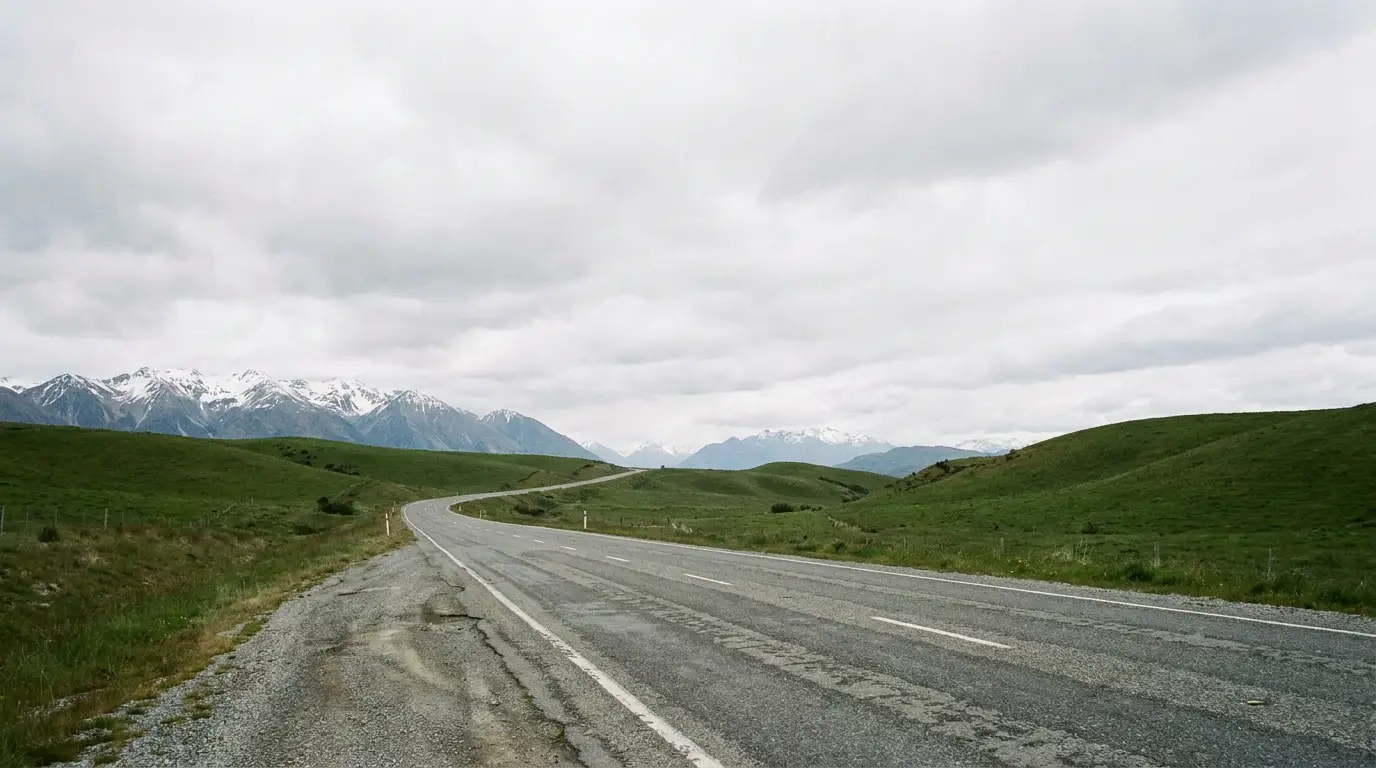
If your itinerary has you picking up a car in one city and dropping it off in another, confirm the one way fee before you book. Some companies charge a flat rate for popular routes like Auckland to Queenstown, while others calculate the fee based on distance, which can make a big difference to your total cost. It is also worth asking whether the fee changes depending on the season, since summer demand can push relocation charges higher during peak travel months.
Booking a few months ahead, particularly over the December to February period, tends to secure both a better rate and a wider choice of vehicles. Popular pickup locations near Christchurch and Queenstown airports can sell out of certain vehicle classes during school holidays, so early planning pays off if you have a specific car in mind.
Insurance, Excess and Add Ons
Most rental companies offer a basic level of cover included in the daily rate, with the option to reduce your excess further for an additional daily fee. Before adding this cover, check whether your travel insurance policy or credit card already includes rental car excess cover, since doubling up is a common and avoidable expense. Some policies also exclude damage caused on unsealed roads, which can catch out travellers heading to more remote parts of the South Island.
Extras like a portable GPS unit, child seats, or an additional driver are usually cheaper to add at booking than on arrival, so it is worth reviewing what you need in advance rather than being upsold at the counter.
Planning Your Route Around Your Rental
The type of trip you are planning should influence which company and vehicle class you choose. If you are focused on a single island with a relaxed pace, a smaller, more fuel efficient car will likely suit you well. If your plans involve covering the length of the country over two or three weeks, prioritise a company with strong roadside assistance coverage and a wide depot network, since breaking down in a remote area is far easier to resolve when help is close by.
Tourism New Zealand’s self drive guide is a useful starting point for working out how much time to budget for driving between destinations, since travel times in New Zealand are often longer than the distance on a map might suggest, thanks to winding roads and mountainous terrain.
Final Thoughts
Choosing the right car rental company for a New Zealand road trip comes down to matching the fleet, insurance options and depot network to your specific itinerary, rather than simply picking the cheapest daily rate you can find. Comparing a handful of companies, checking the full cost including insurance and one way fees, and booking ahead during peak season will put you in a much stronger position once you land. With the right car sorted, the rest of the trip, from mountain passes to coastal drives, becomes a lot easier to enjoy.