A long-distance move can feel messy even before the boxes show up. If you’re also thinking about home upgrades, layout changes, or fixing problems in the next place, the process gets more technical fast. In a city like Dallas, where people regularly move for work, school, and housing shifts across state lines, timing and logistics matter more than most moving checklists admit. You need a plan that treats the move and the home setup as one connected project.
Treat the Move Like a Construction Timeline
Most people plan a move as a shipping problem. That’s too narrow, especially when the destination home needs paint, flooring, electrical updates, or basic repairs before your furniture lands. You’re better off treating the move like a renovation timeline with dependencies, deadlines, and sequencing.
Start with the possession date, then work backward. Ask when utilities switch, when contractors can enter, and when large items should arrive. If flooring crews need three empty days, don’t schedule your sectional to show up on day one. If you’re relocating from North Texas, a Dallas long distance moving company can fit into that schedule as a logistics partner, not just a truck service.
That shift in mindset cuts down on expensive mistakes. It also helps you avoid stacking projects on top of each other in ways that create damage, delays, and stress.
Decide What Deserves to Come With You
Long-distance moving has a way of exposing bad inventory decisions. A coffee table that worked in a wide suburban living room may be useless in a narrower city apartment. Old mattresses, worn particleboard shelves, and bulky décor often cost more to move than they’re worth.
Walk through your current place and sort items into four buckets: move, replace, store, or donate. Be strict. If an item won’t fit the next floor plan, match the design direction, or survive another trip, question it. This is even more important if you’re planning a refresh after arrival.
Think in terms of cubic feet, labor hours, and install order. A washer and dryer might be essential on paper, but if the new laundry area needs vent work or new hookups, delivery timing changes. Smart moves are less about sentiment and more about function, condition, and how the next home will actually operate.
Protect Renovated Surfaces Before the Truck Arrives
Fresh spaces get damaged quickly during move-in. Newly painted walls pick up scuffs. Refinished hardwood gets gouged by dollies. Stair corners, handrails, and door frames take hits in the first thirty minutes if nobody prepares them.
Before any unloading starts, protect the path. Use floor runners, corner guards, and heavy-duty moving blankets in tight hallways. Remove doors if the clearance is close. Measure awkward pieces in advance, including refrigerators, bed frames, and oversized media consoles.
If you’ve just spent money on cosmetic upgrades, this prep isn’t optional. It’s asset protection. Even a simple patch-and-paint job can get annoying when touchups pile onto an already busy first week.
For homes built before 1978, renovation work that disturbs old paint may also require additional precautions. The EPA’s guidance on lead-safe renovation, repair, and painting explains how homeowners and contractors can reduce exposure to lead dust during renovation projects.
Take photos of every finished area before move-in begins. That gives you a condition record if damage happens and helps keep everyone honest about what was already there.
Build a First-Week Setup Plan, Not Just a Packing Plan
Packing gets too much attention. Setup is what decides whether your first week feels stable or chaotic. You don’t need every room done immediately, but you do need a livable sequence.
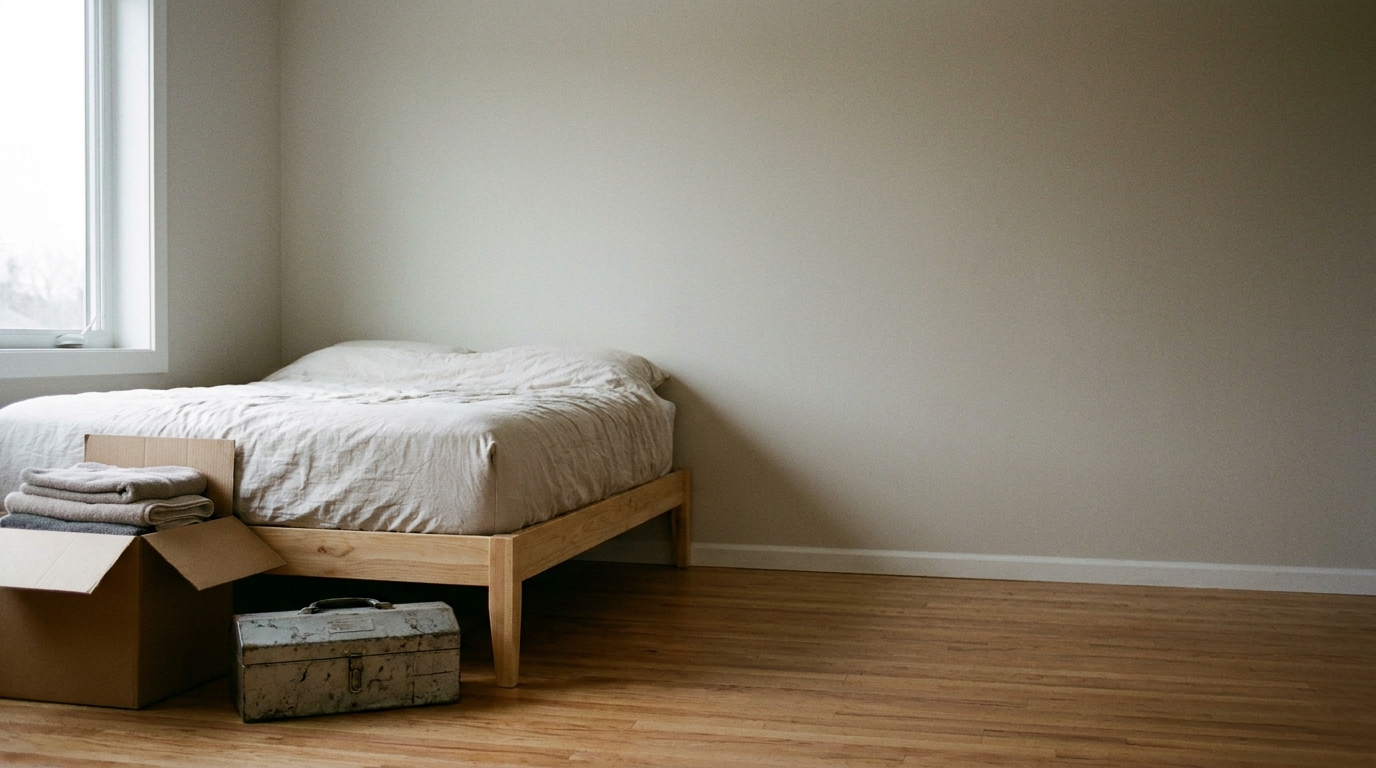
Prioritize the systems that make the house functional: sleeping, bathing, eating, charging devices, and working. Pack an essentials load with bedding, towels, medications, important documents, tools, chargers, and a small kitchen kit. Label that set clearly so it stays accessible.
Then map the first installations. Beds usually come first. Internet equipment matters early if you work remotely or need smart home devices online. If you’re doing light renovation after arrival, identify which rooms must stay clear for tradespeople.
This approach also helps if your shipment arrives in phases. Instead of opening random boxes for a can opener or power strip, you’ll already know what each day is supposed to accomplish.
Watch the Hidden Costs That Blow Up Budgets
People often budget for transport and forget the side costs that come with a real relocation. Long carries, shuttle fees, storage-in-transit, stair access, elevator reservations, parking permits, and appliance reconnection can quietly push the total up.
The home side adds another layer. You may need lock changes, pest treatment, deep cleaning, drywall repair, window coverings, or smoke detector replacements before the place feels settled. None of those line items look dramatic alone. Together, they hit hard.
Create a budget with three columns: confirmed, likely, and contingency. Put contractor deposits and moving charges in confirmed. Put utility setup, supplies, and small repairs in likely. Keep at least ten to fifteen percent in contingency for surprises.
The Federal Motor Carrier Safety Administration’s interstate moving checklist is another useful planning resource. It covers preparation, moving day, and delivery, including estimates, inventory records, and checking belongings for damage before signing delivery documents.
That simple framework is more useful than a neat spreadsheet full of fake certainty. Moves become expensive when you pretend everything will go exactly as scheduled.
Use Room Data Instead of Guesswork
A better move starts with better measurements. Don’t rely on memory when you’re planning furniture placement, storage solutions, or renovation decisions. Get the dimensions of every major room, hallway, doorway, and ceiling height in the new home.
Then build a room-by-room placement sheet. Note where large pieces go, what needs assembly, and which items should stay offsite or in temporary storage. If you’re ordering new materials, compare lead times against your move date. Custom blinds, built-ins, and certain light fixtures may arrive weeks later than expected.
This data also helps you avoid duplicate purchases. A lot of people buy organizers, rugs, or shelving during the stress of moving, then realize those items don’t fit the actual space.
You don’t need design software to get this right. A phone measure app, a notebook, and a rough floor plan can prevent a surprising amount of waste.
Keep the Move Human, Not Just Efficient
Efficiency matters, but moves fall apart when no one pays attention to the human side. Kids lose routines. Pets get stressed. Adults get impatient and start making sloppy decisions because they’re tired, hungry, or overwhelmed.
Build buffer time into the schedule. Keep one area calm and usable during the transition. If you have children, set up their room early even if the rest of the house stays half-finished. Familiar bedding, decent lighting, and a predictable bedtime do more for stability than unpacking decorative bins.
The same goes for you. Eat real meals, not just drive-through food between errands. Keep basic cleaning supplies accessible so the home doesn’t feel grimy and temporary. When people feel settled, they make better calls about repairs, furniture, and spending.
A good long-distance move isn’t only about getting your stuff from one state to another. It’s about arriving with enough structure, clarity, and energy to make the new place work from day one.