UK price ranges, hidden charges and the sums that help you decide whether to repair, replace or pay for a plan.
A £60 engineer visit might sound like a modest bill for a broken washing machine. But the call-out is only one possible charge: parts, labour, VAT and return visits can push the total much higher. In a 2024 survey of 1,416 homeowners, Which? found that half had not attempted to repair their last broken large appliance. Knowing the full price before booking could make the next decision easier.
How much do common appliance repairs cost in the UK?
A May 2026 Which? guide gives the following indicative supply-and-fit costs for common faults:
|
Appliance |
Common repair |
Estimated price |
|---|---|---|
|
Washing machine |
Door seal |
£100–£200 |
|
Washing machine |
Drain pump |
£100–£200 |
|
Washing machine |
Motor |
£150–£400 |
|
Washing machine |
Control board |
£200–£400 |
|
Dishwasher |
Pump |
£100–£250 |
|
Tumble dryer |
Heating element |
£100–£250 |
|
Electric fan oven |
Heating element |
£100–£150 |
|
Fridge-freezer |
Door seal |
£110–£250 |
Source: Which? surveyed eight Trusted Traders in November 2025. Estimates include parts and labour but exclude VAT; quotes depend on the make, model, fault and location, and can be higher in London and the South East.
These are market estimates, not a tariff. A symptom such as poor drainage also needs diagnosing before anyone can know which component, if any, requires replacing.
Which extra charges can change a repair quote?
The same Which? guide reports call-out fees ranging from £45 to £150. Some engineers include the first hour in that fee; others charge separately for diagnosis. Ask whether the call-out is credited against a completed repair, whether extra visits cost more and whether the quoted sum includes parts, labour and VAT.
Here is a hypothetical calculation: a £200 repair quoted before VAT becomes £240 at the standard 20% VAT rate. Add a separate £60 diagnostic visit that already includes VAT and the total is £300. If that fee is credited against the work, it could instead be £240. The point is to obtain one final, VAT-inclusive figure without counting the same charge twice.
When does another repair stop being good value?
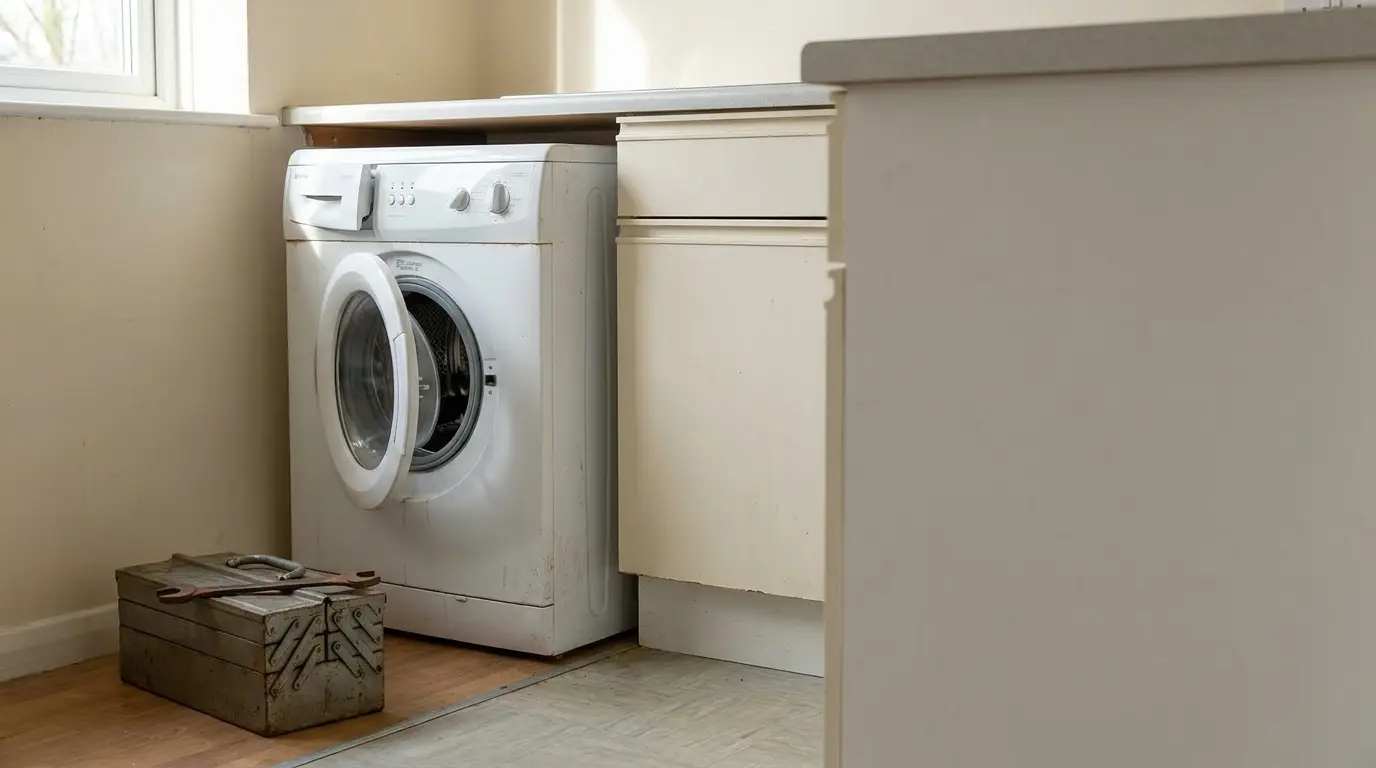
Consider the fault, age, reliability and replacement cost together. In a 2025 Which? investigation, a repairer reported an average £353 to replace a washing-machine motor, including labour and VAT. Which? compared this with a Best Buy washing machine starting at £399 at the time: a £46 difference before any delivery or installation charges. Those are dated examples, not universal 2026 prices.
Repeated faults make the decision harder. Suppose two previous repairs cost £120 and £180. The £300 is already spent; it should not be used to justify another repair simply to “get your money’s worth”. Ask what the next fix will cost, how likely it is to last and what a comparable new appliance would cost to install and dispose of responsibly.
Spare parts matter, too. In its 2024 homeowner survey, Which? found that unavailable parts prevented a repair for 10% of people who attempted one. Even when a part exists, the labour required may make the job uneconomical.
Is a repair plan better value than paying for individual repairs?
Not necessarily. A local independent engineer may be cheapest for one straightforward job; a manufacturer-authorised service may offer model-specific parts; a repair-and-care plan may spread the initial repair and subsequent support over recurring payments. Compare the full cost and what is actually included, rather than the monthly figure alone.
For example, a hypothetical plan costing £10 per month for two years totals £240. If a machine needs only one £150 repair, paying once is £90 less. Several further repairs that are genuinely covered could reverse the calculation, but exclusions, excesses, cancellation terms and replacement conditions all affect the answer. These figures illustrate the arithmetic; they are not market averages or a provider quote.
As one example of the available routes, Domestic & General lets customers enquire about paying for just a washing-machine repair or choosing its separate Repair & Care offering. For eligible bookings, the latter has a fixed-price initial repair that includes call-out, parts and labour, followed by ongoing support. Check the appliance, fault and full plan terms before comparing it with an independent quote.
What if the engineer cannot fix the appliance?
“No fix, no fee” is not a universal rule. One company may retain a diagnostic charge, another may refund an unsuccessful initial repair, while a longer-term plan may have separate conditions for later replacement. A repair guarantee can also differ from a promise to fix every future fault.
For eligible Repair & Care bookings, D&G says it refunds the initial repair if the original fault cannot be fixed. This should not be read as an automatic entitlement to a replacement: subsequent replacement benefits depend on the plan and its conditions. Ask about the outcome in writing before the engineer attends.
What should you check before booking?
Start with any manufacturer’s guarantee and your statutory consumer rights; you may already have a route to a remedy without paying a repairer. Then request an itemised, VAT-inclusive quote covering diagnosis, parts, labour, return visits and the repair guarantee. Compare that sum with the delivered and installed cost of a replacement, including removal of the old machine.
One final question can prevent an expensive surprise: “If this repair does not work, exactly how much will I owe?”