Choosing a console now involves more than processor power or installed storage. Access can sit across a purchased library, a membership catalog, and a streaming service, each with distinct rules. Players can compare the devices where a title works, the account carrying progress, and the recurring terms attached to cloud play. Dedicated hardware remains part of this picture, but hardware alone does not define it.
That distinction also separates game access from other digital spending. An in-game currency purchase like cheap Free Fire diamonds online supports spending within Free Fire; it does not create cloud streaming, subscription access, or cross-device ownership. A separately purchased game may qualify for cloud play, though eligibility rests on the title, service, and region.
Players can buy digital games through official platform stores or digital marketplaces. As a discovery tool for browsing and comparing digital options, Eneba is a strong option for game keys or gift cards, with clear region tags that help match a selection to an account.
Xbox combines ownership and catalog access
Xbox offers the clearest version of a hybrid approach. Xbox Cloud Gaming supports select games that players own or buy outside the Game Pass catalog, subject to title and regional availability. Supported games can stream on Xbox consoles, Windows PCs, TVs, phones, tablets, VR headsets, and browsers, placing the supported library ahead of a single device.
Xbox Play Anywhere adds another ownership-linked route for eligible digital games. It allows play across Xbox consoles, PCs, and supported gaming handhelds at no additional cost, while progress syncs through the player’s Xbox account. The comparison is not simply console versus cloud access: a supported purchase can have a role in both.
Microsoft’s announced change for November 2026 adds a practical cost question. Game Pass Essential will include five monthly cloud hours, Premium will include 10, and Ultimate will include 15. Microsoft also plans options to purchase extra cloud time and cloud time for eligible owned games without Game Pass, though pricing, eligible titles, and availability details were not provided in the announcement.
PlayStation, PC libraries, and Nintendo set different terms
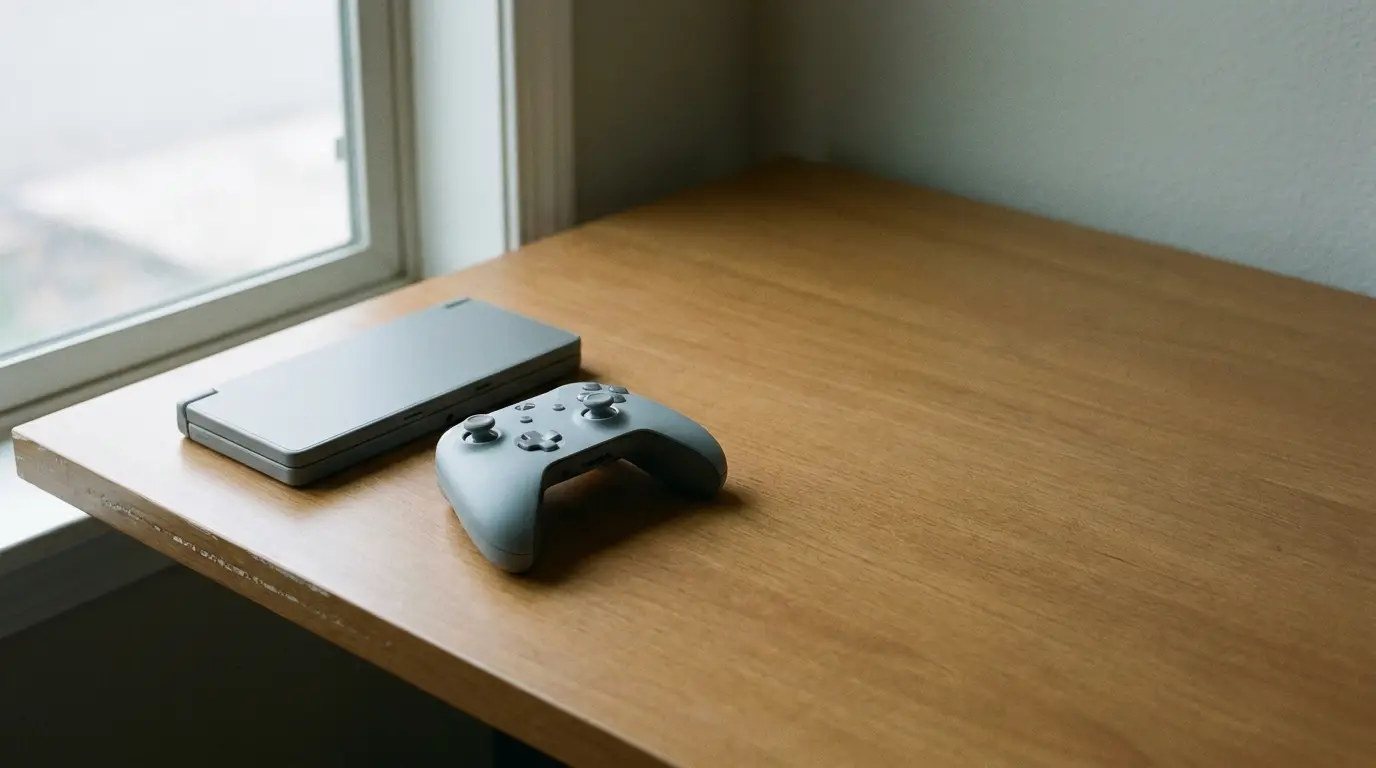
PlayStation takes a membership-centered path. PlayStation Plus Premium can stream selected games from the Game Catalog and Classics Catalog, along with selected digital PS5 games in a player’s PlayStation Store library. The service requires an active Premium membership, while title availability, region, and streaming availability can differ.
PlayStation Portal extends that model with cloud streaming that can operate without a powered-on PS5 or Remote Play availability. It still calls for Premium membership, a supported region, a compatible Portal device, and broadband. This places the membership and supported-device requirements at the center of the decision.
NVIDIA GeForce NOW approaches ownership-linked access through supported PC game-store libraries. It connects compatible owned games and selected PC Game Pass and Ubisoft Connect collections to multiple device types, but compatibility remains title-specific. Nintendo provides a different counterpoint: its cloud versions stream games from servers to Switch or Switch 2, require stable high-speed internet, and are currently available in the United States and Canada.
Access details guide the better purchase comparison
A useful comparison starts with the exact games a player intends to play, then checks the devices, membership terms, and connection needs tied to each service. Ownership-linked cloud access can extend the reach of selected purchases, while subscription catalogs provide a separate route to playable games. Neither model applies across every title or platform.
Digital marketplaces like Eneba offer deals on digital products and fit that process when players compare game-related purchases with the access rules of their chosen platform.